
Best for
Families, first-time visitors wanting a sense of Spain beyond Catalonia
Time needed
2–3 hours
Worth it?
Yes as part of a Montjuïc day, less essential as a standalone trip
Skip if
You're planning to travel to other Spanish regions in person and prefer the real thing
About Poble Espanyol
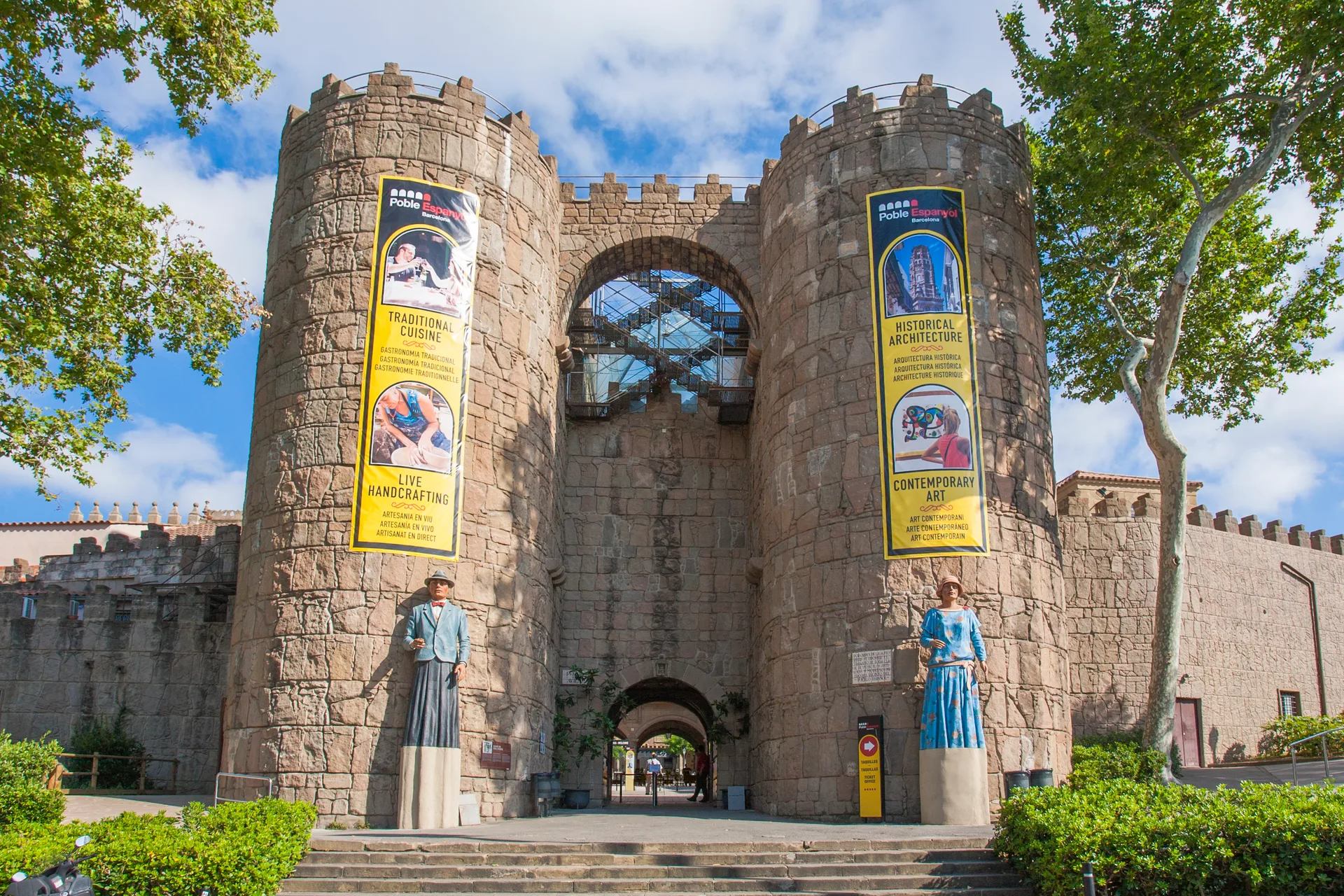
Poble Espanyol was built for the 1929 Barcelona International Exhibition as a showcase of Spanish regional architecture, and unlike most exhibition structures of its era it was never demolished afterward — the city kept it running as a permanent open-air museum, and it remains one of Barcelona's longer-running attractions nearly a century on. A team of architects and researchers travelled around Spain in the 1920s, studying and measuring real buildings from Andalusia, Castile, the Basque Country, Galicia and beyond, then reconstructed full-scale, faithful replicas of 117 of them arranged into a single walkable village around a main square.
The entrance itself is a reconstruction of the walled town of Ávila's gate, and from there the streets wind past a Castilian plaza, an Andalusian quarter with whitewashed walls, and Galician stone houses, each district built with genuine construction techniques and materials appropriate to its region rather than simplified facades — the ambition was closer to an architectural teaching collection than a theme park, even though it functions today much like one.
Read the full storyShow less
Modern additions have layered tourist infrastructure onto the original concept: the village now houses artisan workshops where visitors can watch glassblowing, ceramics and leatherwork demonstrations, along with restaurants, shops and a contemporary art space (Fran Daurel Foundation) inside the grounds. In the evenings the site sometimes hosts flamenco shows and nightlife events, extending its use well beyond a daytime architecture walk.
Because it's essentially a walk through replica streets rather than a museum with individual objects to view, it's best treated as a leisurely couple of hours rather than a tightly scheduled visit, and works particularly well combined with the other Montjuïc-area sights nearby.
What to See: Highlights
- 1117 full-scale replica buildings from every Spanish region
- 2Ávila town gate reconstruction as the main entrance
- 3Live artisan workshops — glassblowing, ceramics, leatherwork
- 4Built for the 1929 International Exhibition and never demolished
- 5Fran Daurel Foundation contemporary art space within the grounds
- 6Occasional evening flamenco shows and events
Skip the Queue — Book Tickets Online
Same admission, instant confirmation. Compare prices across platforms.
Affiliate disclosure — we may earn a commission at no extra cost to you.
Insider Tips
Budget at least 2 hours to walk the full village without rushing
Watch an artisan workshop demonstration — they're included in admission
Combine with MNAC, Fundació Joan Miró or the Magic Fountain, all nearby on Montjuïc
Evening visits can include events — check the calendar before booking a daytime-only ticket
The audio guide adds useful regional context to what would otherwise just look like pretty streets
Book a Guided Tour
Get the most from your visit with a local expert guide.
Affiliate disclosure — we may earn a commission at no extra cost to you.
Getting There
Av. Francesc Ferrer i Guàrdia, 13, 08038 Barcelona
Open in Google Maps →- 1Metro L1 or L3 to Espanya, then a 10-minute walk or free shuttle bus up into Montjuïc.
Where to stay
Hotels in Barcelona
Compare prices across hundreds of hotels near this attraction — from budget hostels to luxury stays. Free cancellation on most rooms.
Affiliate disclosure — we may earn a commission at no extra cost to you. Powered by Booking.com.
Frequently Asked Questions
Everything you need to know before you visit.
Is Poble Espanyol worth visiting?+−
How long does a visit to Poble Espanyol take?+−
Who is Poble Espanyol best for?+−
Do I need to book tickets in advance for Poble Espanyol?+−
Is Poble Espanyol included with the Barcelona city pass?+−
Should You Visit?
Visit if...
- You're already spending a day on Montjuïc and want to add another stop
- You appreciate regional Spanish architecture and craft demonstrations
- You're travelling with kids who'll enjoy the workshop activities
- You won't have time to visit other Spanish regions in person
Skip if...
- You'll be visiting Andalusia, the Basque Country or Galicia in person later on this trip
- You're short on time and Montjuïc's museums take priority
- Reconstructed/replica attractions generally don't appeal to you
Ready to Book Your Visit?
More to See in Barcelona
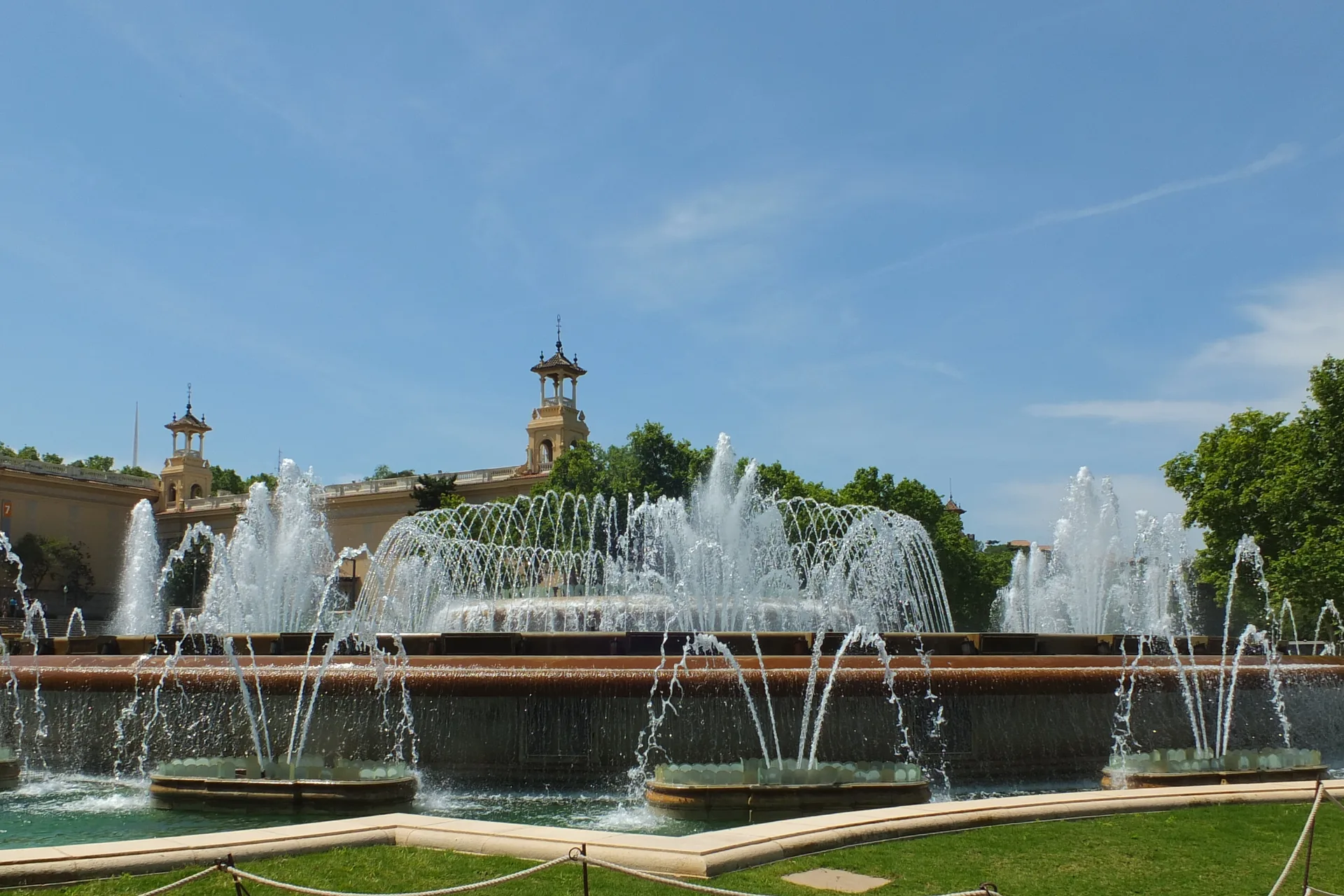
Magic Fountain of Montjuïc
A free evening sound-and-light fountain show below the National Art Museum — Barcelona's most popular free entertainment, running several nights a week.
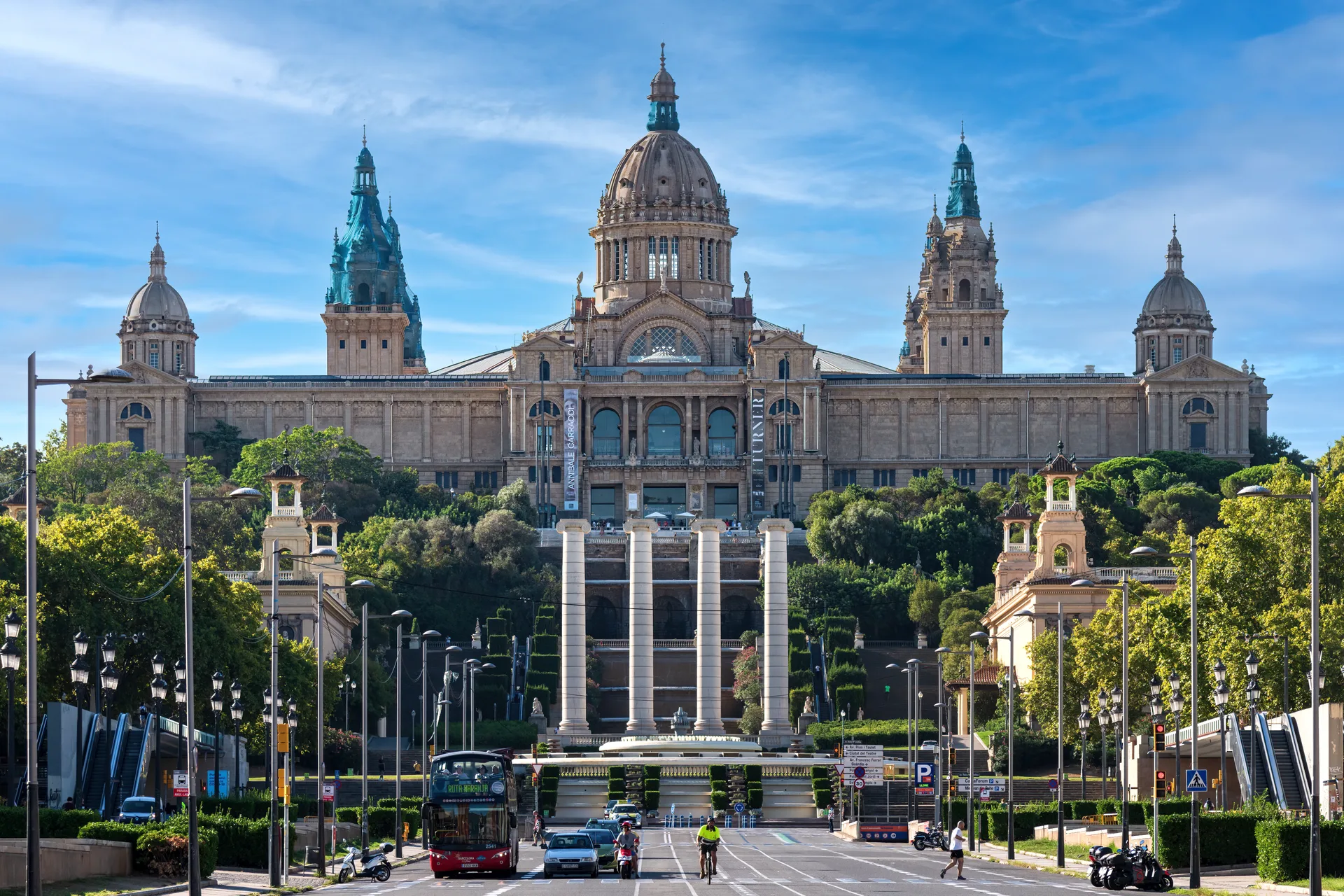
Museu Nacional d'Art de Catalunya (MNAC)
Catalonia's national art museum, housed in the domed Palau Nacional above Montjuïc — the world's finest collection of Romanesque church murals under one roof.
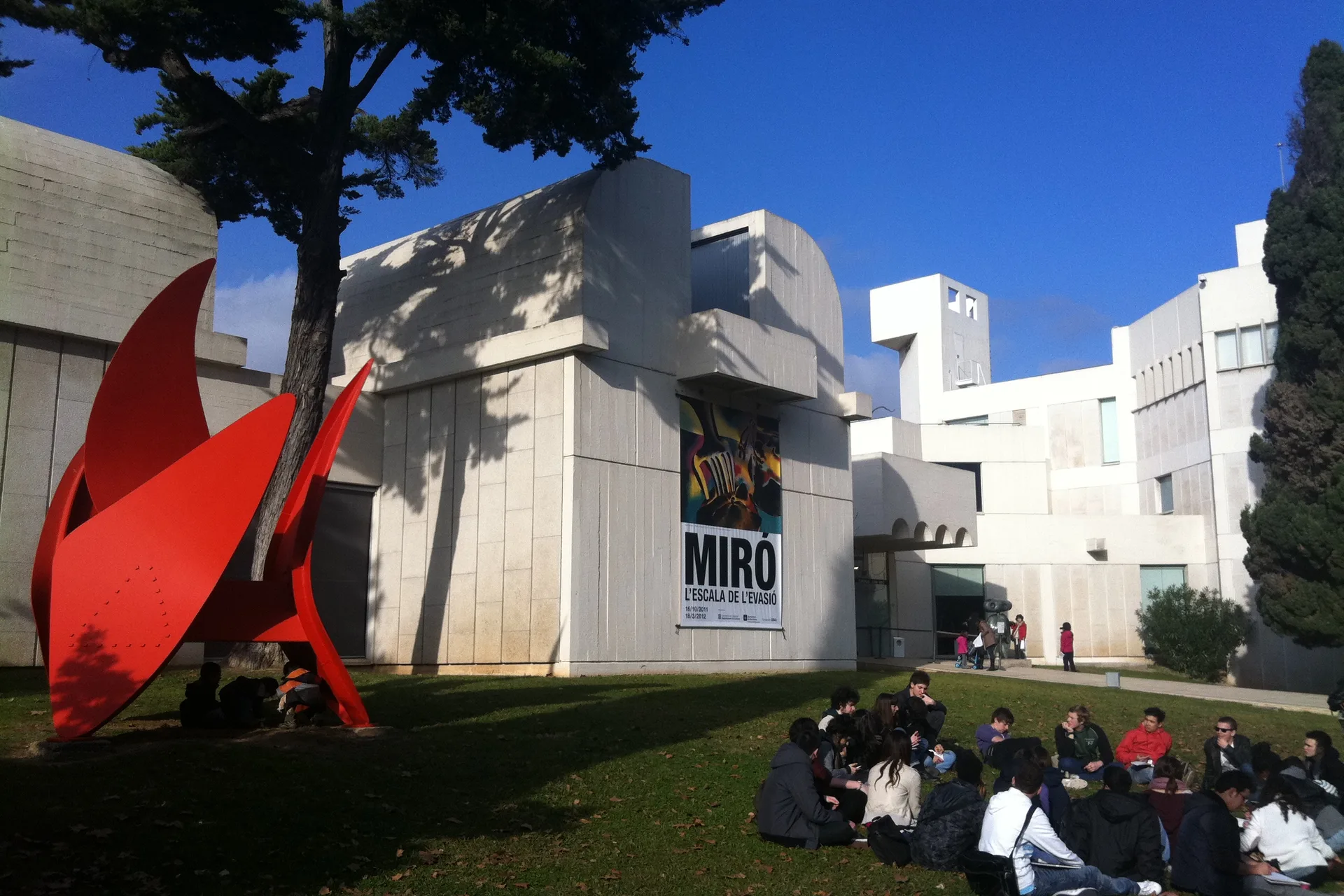
Fundació Joan Miró
The world's largest collection of Joan Miró's work, in a bright white Modernist building on Montjuïc that the artist himself helped design as a gift to his home city.