
Best for
Architecture fans, classical music lovers, Modernisme completists
Time needed
50–75 minutes for the tour; longer for a concert
Worth it?
Yes — one of the most ornate interiors in the city
Skip if
You've already toured Hospital de Sant Pau and want a different kind of sight next
About Palau de la Música Catalana
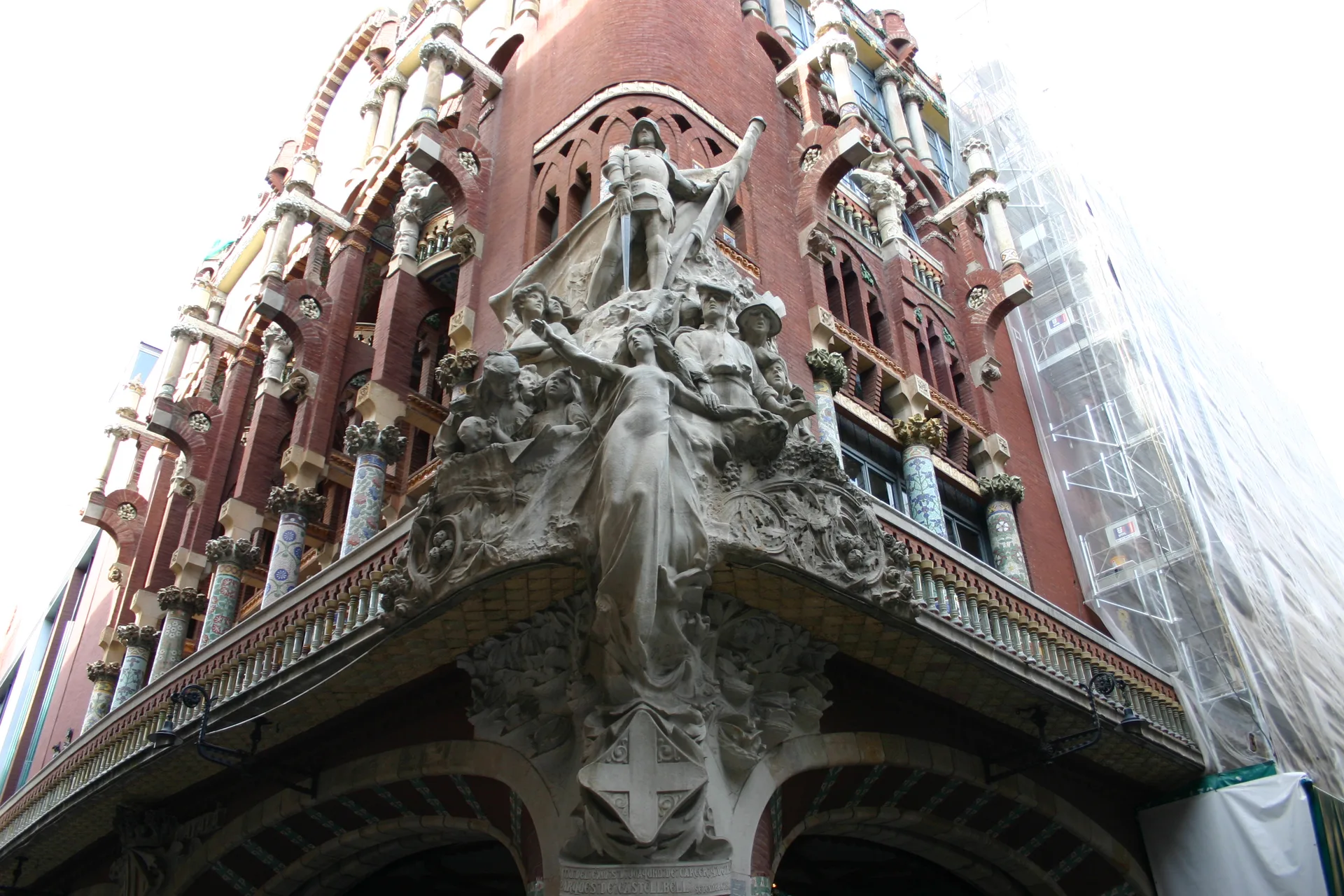
The Palau de la Música Catalana was built between 1905 and 1908 to designs by Lluís Domènech i Montaner — the same architect behind Hospital de Sant Pau — commissioned by the Orfeó Català choral society as a home for Catalan choral music at the height of the Renaixença, the Catalan cultural revival movement. Domènech i Montaner had to fit an ambitious concert hall onto an extremely tight, irregular plot hemmed in by neighbouring buildings on a narrow street, and the compromises this forced — natural light had to come from above rather than the sides — produced one of the building's most celebrated features almost by necessity.
That feature is the inverted stained-glass dome skylight above the main concert hall, designed by Antoni Rigalt, which floods the auditorium with coloured light during daytime performances and glows from within at night — widely considered one of the single most beautiful interior details anywhere in Barcelona's Modernisme architecture. The stage is flanked by extraordinary sculptural busts of Wagner and Beethoven alongside a sculpted group representing a flight of Valkyries bursting from the wall, and the whole building is wrapped, inside and out, in mosaic, stained glass, wrought iron and ceramic ornament to a degree that makes it feel closer to a cathedral of music than a functional concert venue.
Read the full storyShow less
The building remains a fully working concert hall today, hosting classical, jazz and Catalan choral performances year-round, which means the best way to actually experience the auditorium's acoustics and light is to attend a concert rather than only take the daytime architectural tour — though the guided or self-guided tour is the only way to see it up close without buying a ticket to a specific performance.
Alongside Hospital de Sant Pau, it holds UNESCO World Heritage status, and the two buildings together represent Domènech i Montaner's strongest claim to standing alongside Gaudí as one of the defining architects of Catalan Modernisme.
What to See: Highlights
- 1Inverted stained-glass dome skylight by Antoni Rigalt
- 2Sculpted Valkyries and busts of Wagner and Beethoven flanking the stage
- 3Same architect (Domènech i Montaner) as Hospital de Sant Pau
- 4UNESCO World Heritage status
- 5Still a fully working concert hall hosting live performances
- 6One of the most photographed interiors in the city
Skip the Queue — Book Tickets Online
Same admission, instant confirmation. Compare prices across platforms.
Affiliate disclosure — we may earn a commission at no extra cost to you.
Insider Tips
Book a guided tour if you want full historical context on the building and Orfeó Català
Consider attending an evening concert instead of (or as well as) the daytime tour for the full lighting effect
Photography inside is generally allowed on the tour — check current rules on booking
Combine with a walk through the nearby Sant Pere neighbourhood, less touristy than the Gothic Quarter
Book ahead — tour slots and concert tickets both sell out in high season
Book a Guided Tour
Get the most from your visit with a local expert guide.
Affiliate disclosure — we may earn a commission at no extra cost to you.
Getting There
Carrer Palau de la Música, 4-6, 08003 Barcelona
Open in Google Maps →- 1Metro L1 or L4 to Urquinaona, a 3-minute walk. Also close to Jaume I station.
Where to stay
Hotels in Barcelona
Compare prices across hundreds of hotels near this attraction — from budget hostels to luxury stays. Free cancellation on most rooms.
Affiliate disclosure — we may earn a commission at no extra cost to you. Powered by Booking.com.
Frequently Asked Questions
Everything you need to know before you visit.
Is Palau de la Música Catalana worth visiting?+−
How long does a visit to Palau de la Música Catalana take?+−
Who is Palau de la Música Catalana best for?+−
Do I need to book tickets in advance for Palau de la Música Catalana?+−
Is Palau de la Música Catalana included with the Barcelona city pass?+−
Should You Visit?
Visit if...
- You want to see the most ornate Modernisme interior in central Barcelona
- You'd enjoy attending a concert in a genuinely working historic hall
- You're interested in the Catalan Renaixença cultural movement
- You appreciate stained glass and sculptural detail as much as facades
Skip if...
- You've done Hospital de Sant Pau and want variety over more Domènech i Montaner
- You can't book a tour slot or concert ticket for your dates
- You're only interested in outdoor architecture, not interiors
Ready to Book Your Visit?
More to See in Barcelona
Santa Maria del Mar
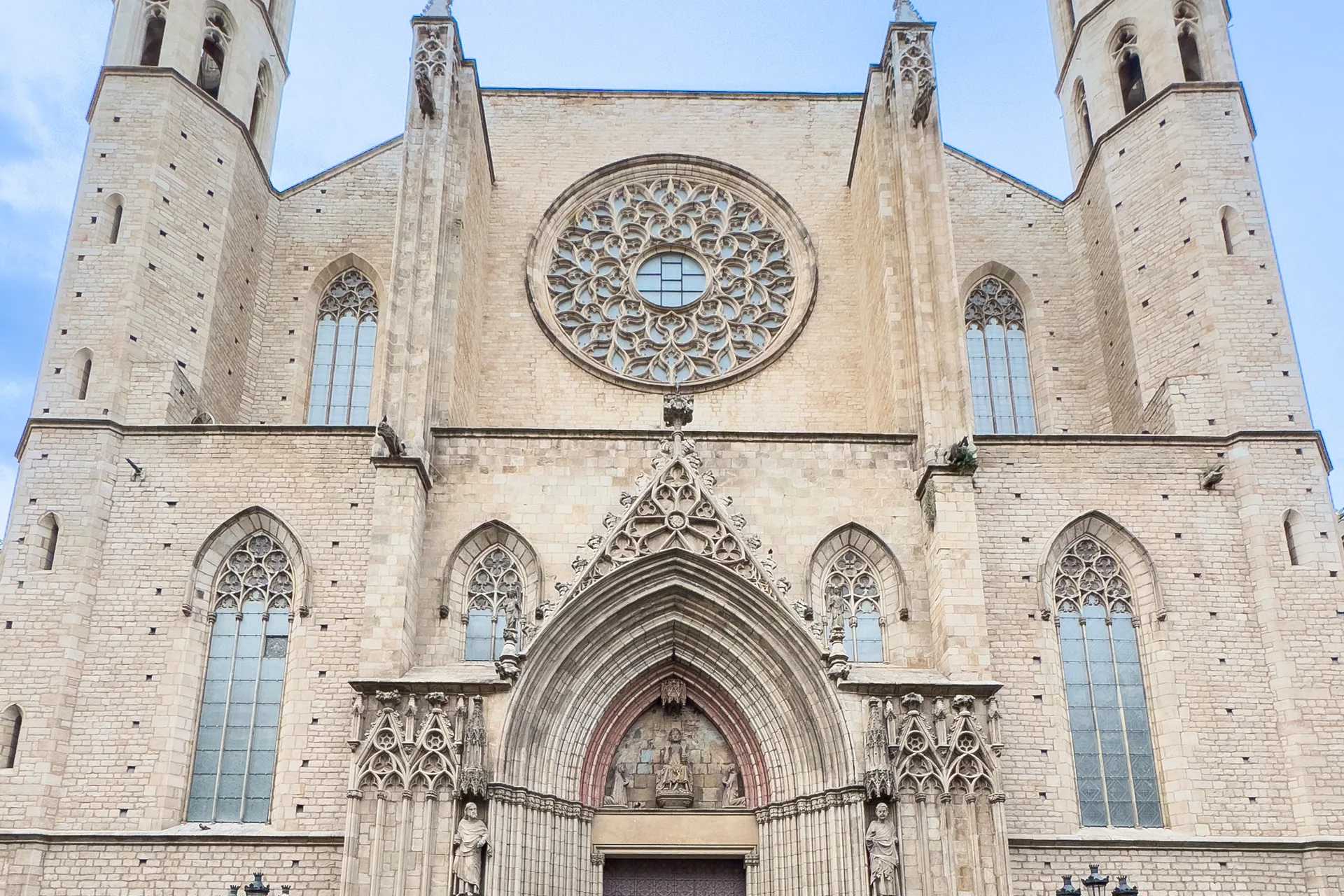
A soaring, austere Catalan Gothic basilica built by the working people of El Born in just 59 years — widely considered the purest Gothic church in Barcelona.
Gothic Quarter (Barri Gòtic)
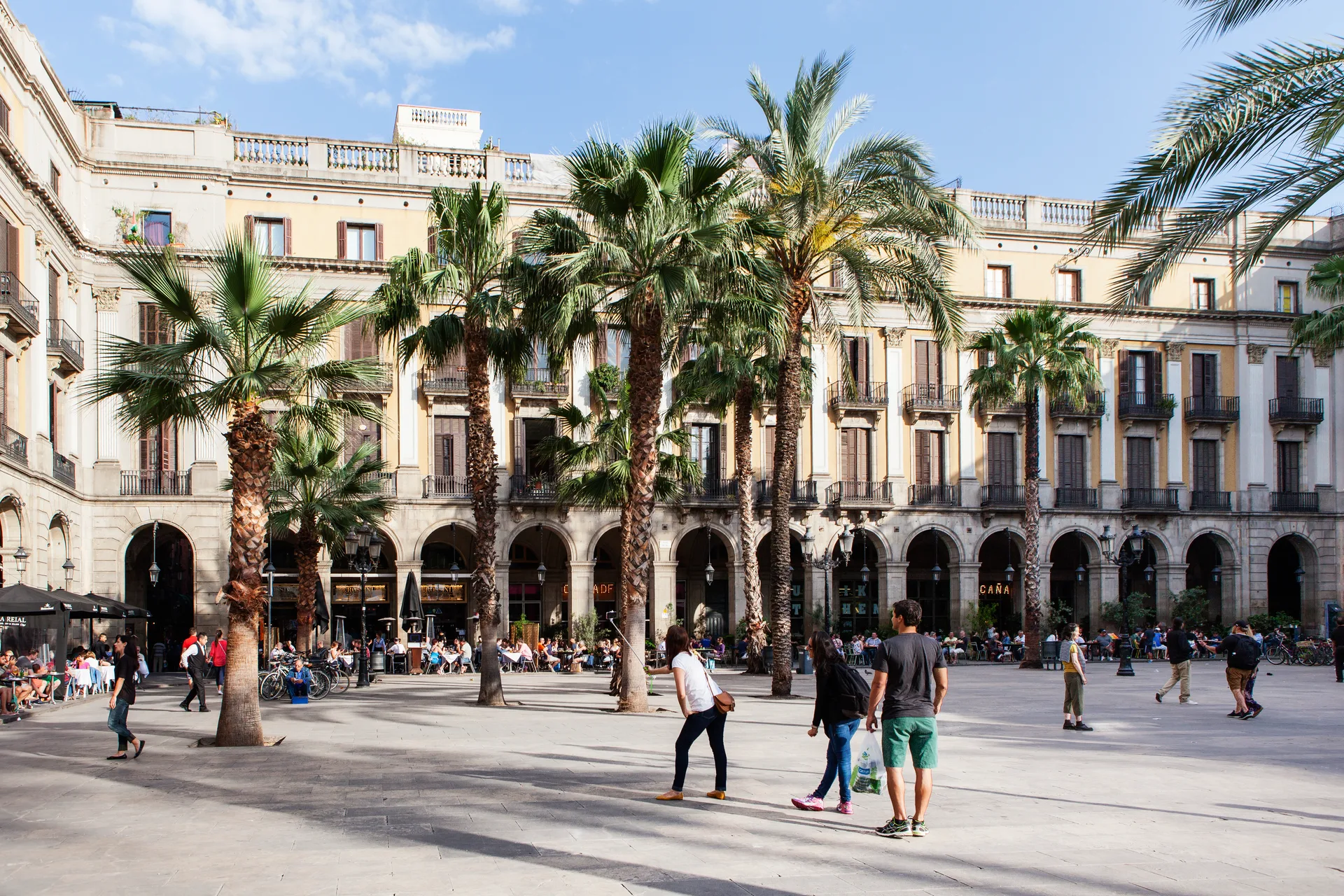
Barcelona's medieval old town — a dense maze of narrow stone streets, Roman remains and hidden squares wedged between La Rambla and the harbour.
Hospital de Sant Pau (Recinte Modernista)
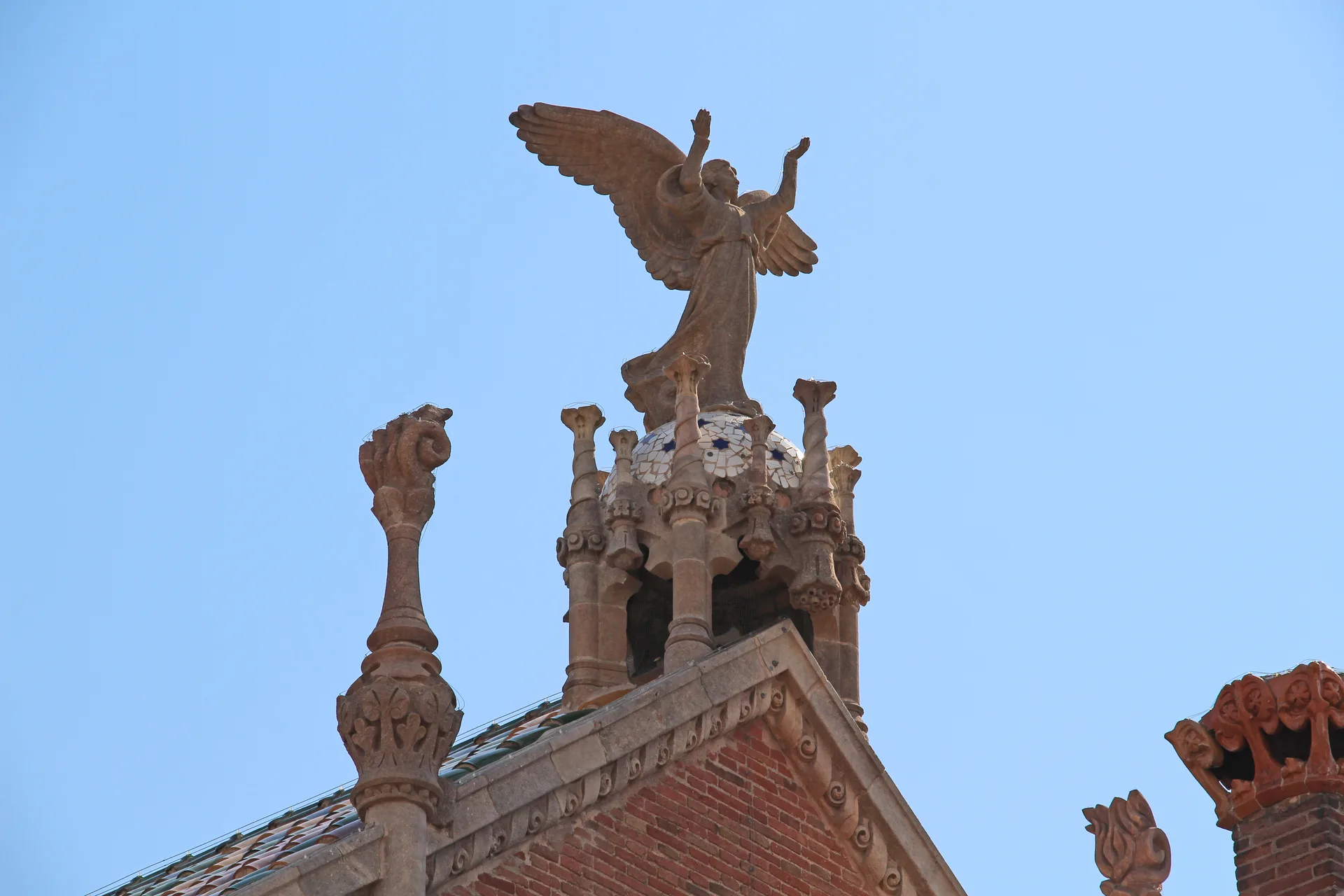
A working hospital until 2009, rebuilt as one of the world's largest Art Nouveau complexes — 27 pavilions of tiled domes and mosaics designed so patients would heal amid beauty rather than institutional grimness.