
Best for
Modernisme fans, architecture enthusiasts wanting to go beyond Gaudí
Time needed
1.5–2 hours
Worth it?
Yes — one of the city's most underrated major sights
Skip if
You have very limited time and must prioritise Sagrada Família and the Gaudí houses first
About Hospital de Sant Pau (Recinte Modernista)
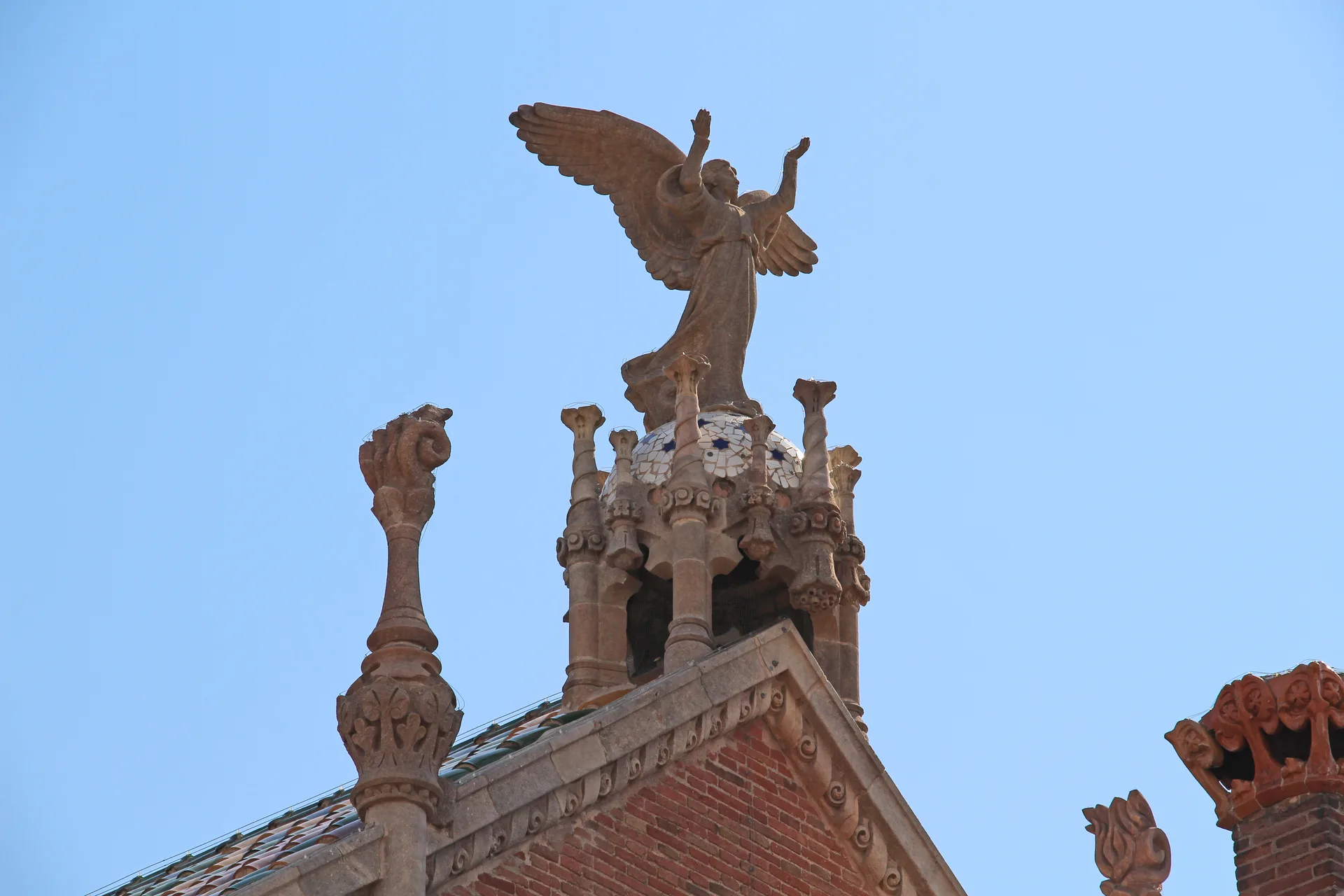
The Hospital de la Santa Creu i Sant Pau traces its charitable origins back to 1401, but the version most visitors see today was designed by architect Lluís Domènech i Montaner starting in 1902, funded by a huge bequest from banker Pau Gil specifically to replace the medieval original with a modern facility. Domènech i Montaner — Gaudí's contemporary, teacher to some of his generation, and arguably his equal in ambition if less famous internationally — rejected the sterile, purely functional hospital design of his era on the explicit principle that beautiful surroundings aided patient recovery, a genuinely progressive medical idea backed by an entire architectural philosophy.
The result was a self-contained garden-hospital city of 27 originally planned pavilions (12 were completed to his design before funding and changing medical practice altered later phases), each pavilion housing a different specialty and connected by underground tunnels so patients never had to cross open air between departments — a practical solution disguised as an aesthetic one. Every pavilion is different, tiled in colourful ceramic mosaics, capped with domes, and decorated with sculptural details specific to that pavilion's medical purpose, making the complex feel more like a small ornamental town than a clinical institution.
Read the full storyShow less
The hospital continued operating on this site for over a century, treating real patients right up until 2009, when modern medical requirements finally outgrew the historic pavilions and services relocated to a new adjoining building — meaning much of what you're walking through functioned as a working hospital within living memory, not a museum built to look like one.
Today the complex is a UNESCO World Heritage Site alongside Domènech i Montaner's Palau de la Música Catalana, and it draws far fewer visitors than Gaudí's Eixample buildings just a short walk down the same avenue, despite standing at a comparable scale and level of craftsmanship — a genuine hidden-in-plain-sight highlight of Barcelona Modernisme.
What to See: Highlights
- 127 originally planned pavilions, 12 completed, each individually tiled and domed
- 2Underground tunnels connecting pavilions, designed to avoid patients crossing open air
- 3A working hospital until 2009, not a purpose-built museum
- 4UNESCO World Heritage status alongside Palau de la Música Catalana
- 5Same architect (Domènech i Montaner) as Palau de la Música Catalana
- 6Far fewer visitors than nearby Gaudí sites despite comparable scale
Skip the Queue — Book Tickets Online
Same admission, instant confirmation. Compare prices across platforms.
Affiliate disclosure — we may earn a commission at no extra cost to you.
Insider Tips
Walk here from Sagrada Família along Avinguda de Gaudí — about 15 minutes, lined with cafés
The guided tour adds context most self-guided visitors miss about the hospital's medical history
Budget 90–120 minutes to see the complex properly
Far quieter than Gaudí's buildings — a good midday or afternoon option
Combine with a coffee stop on Avinguda de Gaudí, which frames a great view back toward Sagrada Família
Book a Guided Tour
Get the most from your visit with a local expert guide.
Affiliate disclosure — we may earn a commission at no extra cost to you.
Getting There
Carrer de Sant Antoni Maria Claret, 167, 08025 Barcelona
Open in Google Maps →- 1Metro L5 to Sant Pau/Dos de Maig or Hospital de Sant Pau, both a short walk to the entrance. Also a 15-minute walk uphill from Sagrada Família along Avinguda de Gaudí.
Where to stay
Hotels in Barcelona
Compare prices across hundreds of hotels near this attraction — from budget hostels to luxury stays. Free cancellation on most rooms.
Affiliate disclosure — we may earn a commission at no extra cost to you. Powered by Booking.com.
Frequently Asked Questions
Everything you need to know before you visit.
Is Hospital de Sant Pau (Recinte Modernista) worth visiting?+−
How long does a visit to Hospital de Sant Pau (Recinte Modernista) take?+−
Who is Hospital de Sant Pau (Recinte Modernista) best for?+−
Do I need to book tickets in advance for Hospital de Sant Pau (Recinte Modernista)?+−
Is Hospital de Sant Pau (Recinte Modernista) included with the Barcelona city pass?+−
Should You Visit?
Visit if...
- You want to see Catalan Modernisme beyond just Gaudí's work
- You're already at Sagrada Família and have time for the short walk uphill
- You appreciate architecture designed around a genuine humanitarian idea
- You prefer sights with smaller crowds than the headline Gaudí buildings
Skip if...
- You only have time for the essential Gaudí sights
- You're not interested in architecture beyond photogenic facades
- You're very short on time in Barcelona overall
Ready to Book Your Visit?
More to See in Barcelona
Sagrada Família
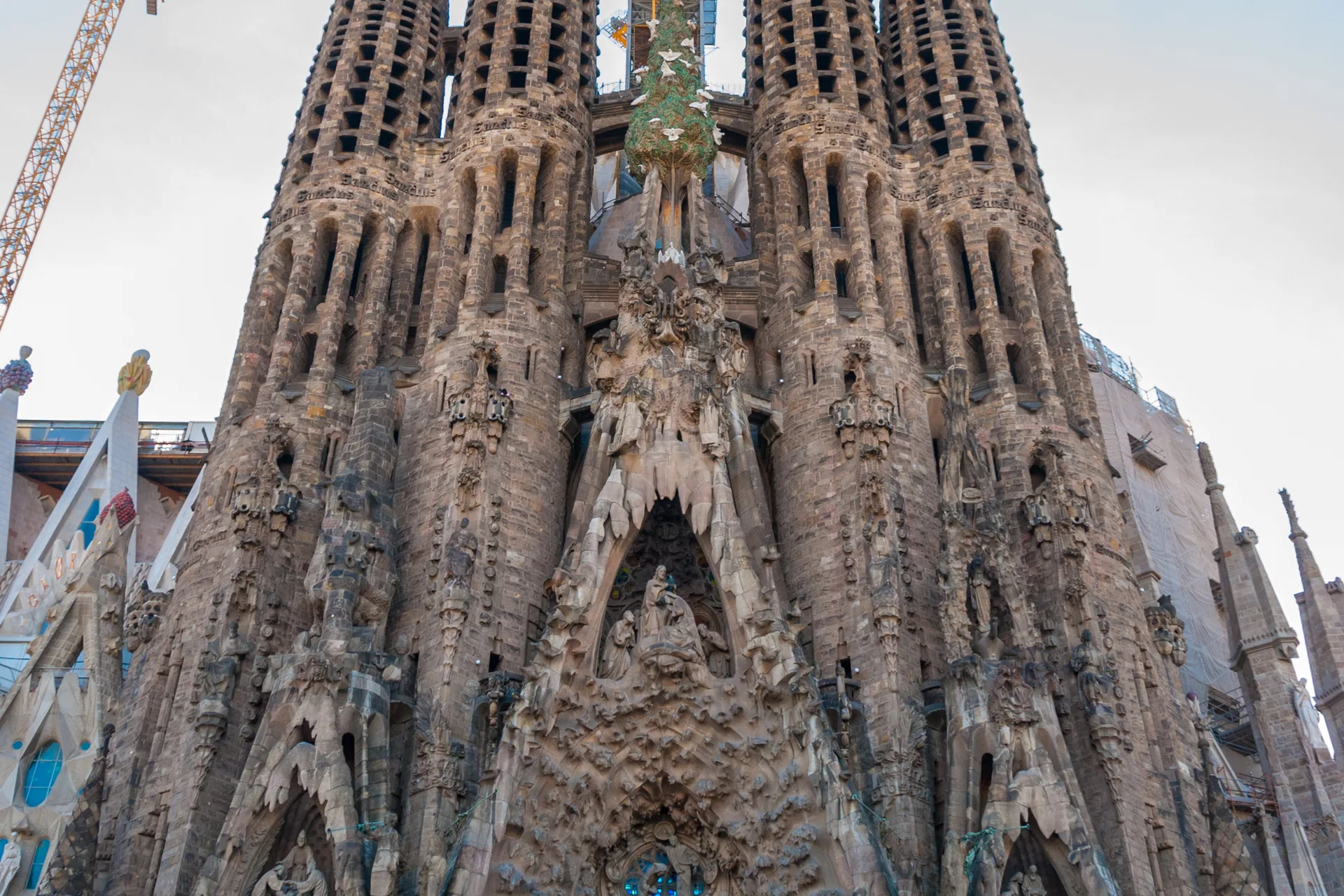
Gaudí's still-unfinished basilica — begun in 1882 and still under construction — is Barcelona's defining sight and one of the most original buildings on earth.
Palau de la Música Catalana
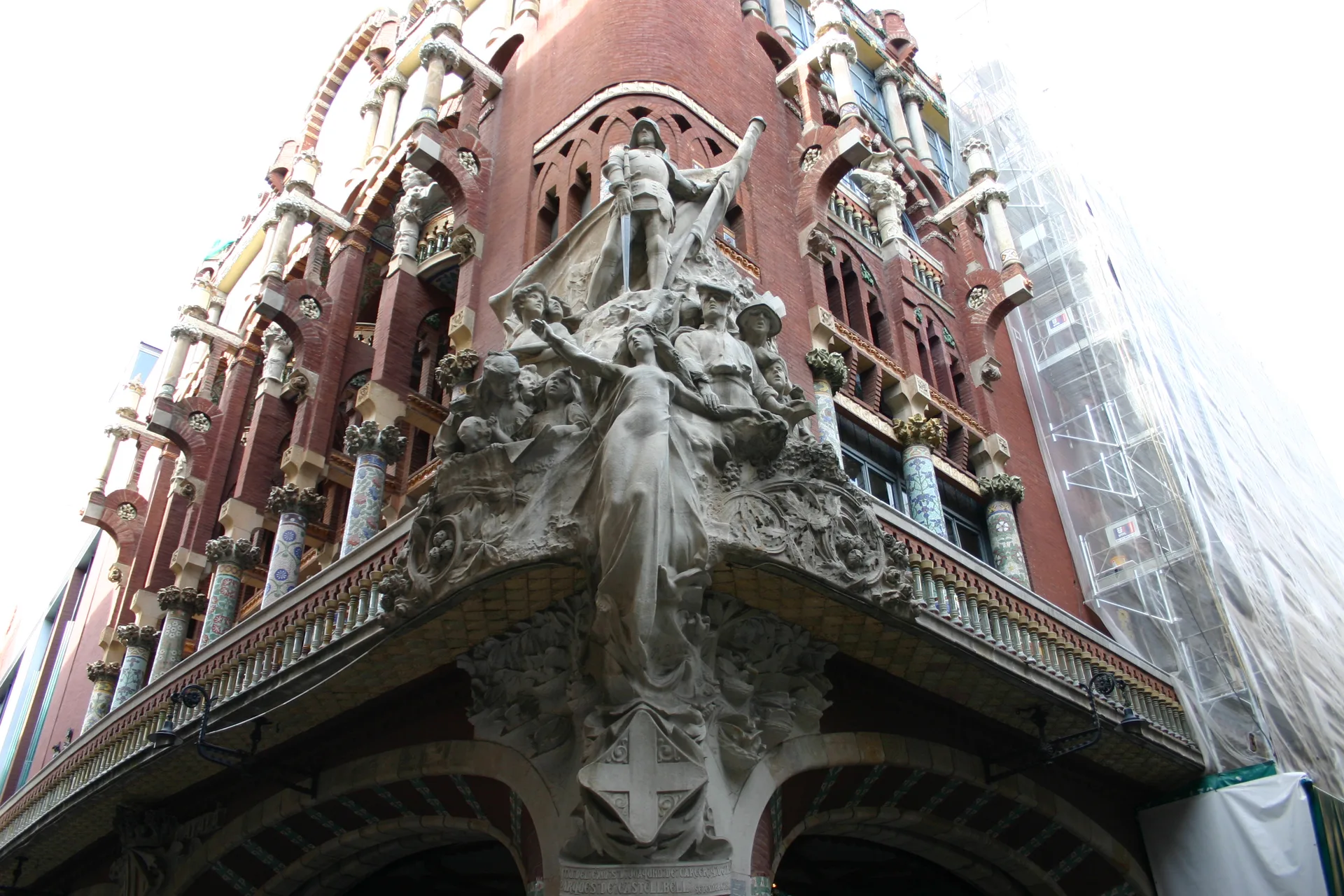
An almost impossibly ornate concert hall wedged into a narrow medieval street — a stained-glass skylight, sculpted muses and one of the most photographed interiors in Barcelona.
Biblioteca de Catalunya
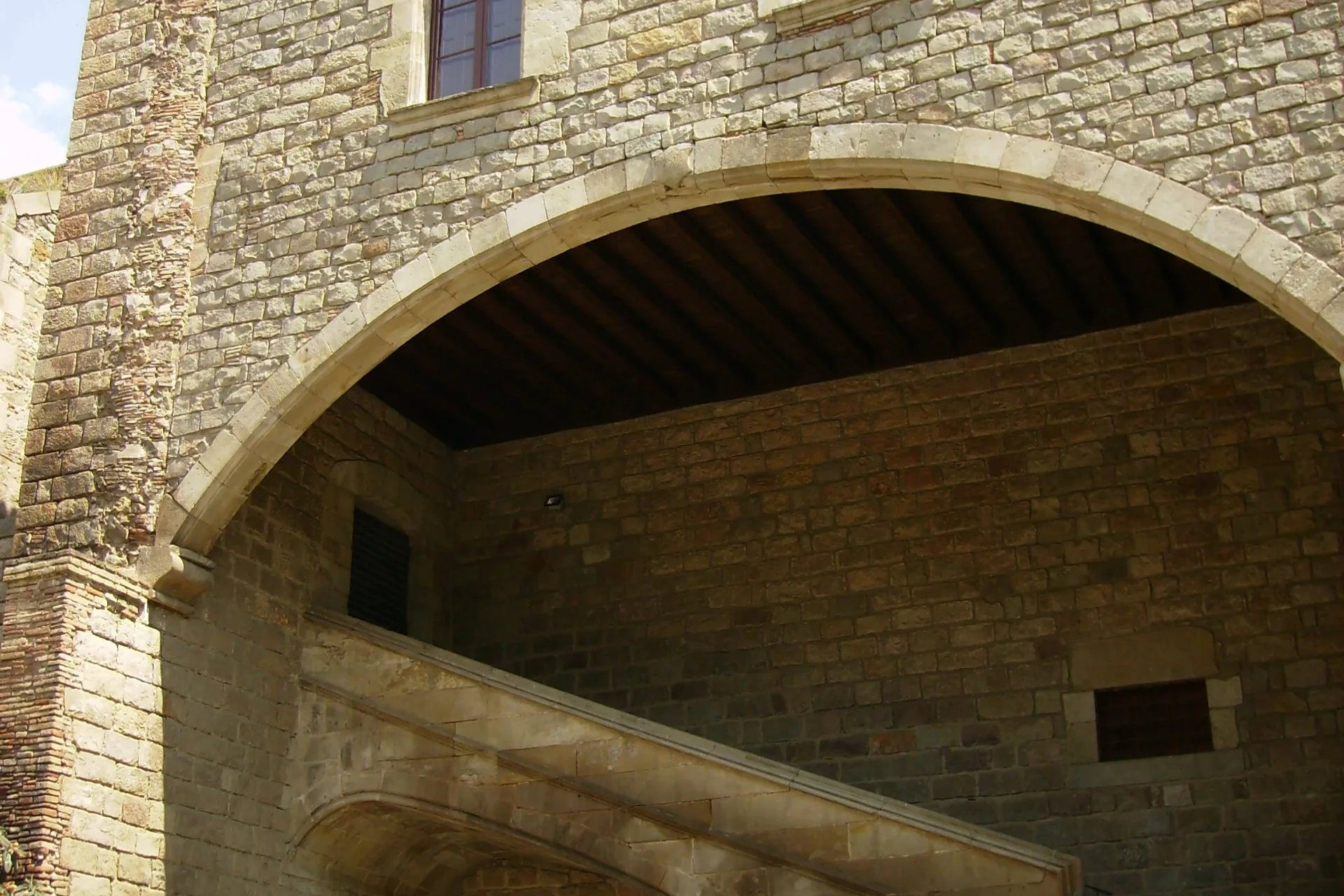
Catalonia's national library, housed inside a 15th-century Gothic former hospital — one of the most atmospheric library reading rooms in Spain.