
Best for
Foodies, street art fans, East End history enthusiasts
Time needed
1.5–2.5 hours
Worth it?
Yes, especially on a Sunday — a genuinely layered slice of London's immigrant history
Skip if
You're visiting on a quiet weekday when much of the street feels subdued
About Brick Lane
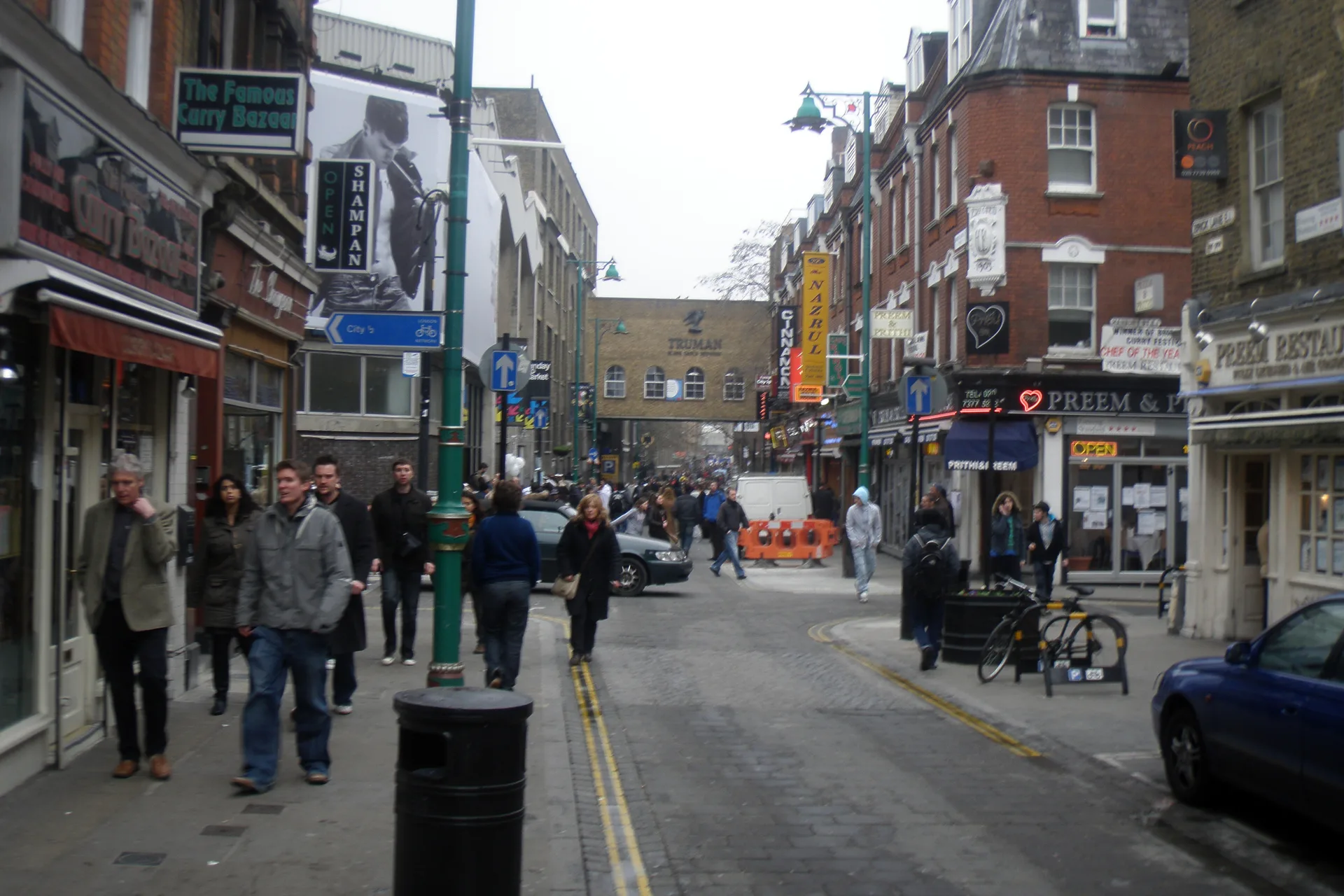
Brick Lane takes its name from the brick and tile kilns that once operated here using local clay, but its real story is one of continuous migration and reinvention. Huguenot Protestant refugees fleeing France settled here in the 17th and 18th centuries and built the silk-weaving industry whose Georgian townhouses still line neighbouring streets; Irish, then Ashkenazi Jewish communities followed through the 19th and early 20th centuries, the Brick Lane Mosque itself having served as a Huguenot chapel, then a synagogue, before its current use — a physical record of the street's successive communities under one roof.
From the 1970s onward, Bangladeshi immigrants, many from the Sylhet region, transformed the southern end of the street into what's now popularly called "Banglatown," its dense run of curry houses giving Brick Lane its reputation as London's unofficial curry capital, alongside the beigel shops that are Jewish East End holdovers still trading 24 hours.
Read the full storyShow less
Today's Brick Lane is equally known for its street art and independent creative scene, with rotating murals and graffiil covering walls throughout the surrounding streets, alongside vintage shops, the Old Truman Brewery's converted market halls, and a Sunday market that spills across the whole area.
Sunday is the street's busiest and most complete version of itself, when markets, food stalls and shops are all operating together; visiting on a quiet weekday gives a much more subdued sense of the area.
What to See: Highlights
- 1A living record of Huguenot, Jewish and Bangladeshi immigrant history
- 2London's reputed curry capital, dense with Bangladeshi restaurants
- 3Rotating street art and murals throughout the surrounding streets
- 4The Old Truman Brewery's converted market halls and vintage shops
- 524-hour beigel shops, a surviving Jewish East End tradition
- 6A lively Sunday market spilling across the whole neighbourhood
Skip the Queue — Book Tickets Online
Same admission, instant confirmation. Compare prices across platforms.
Affiliate disclosure — we may earn a commission at no extra cost to you.
Insider Tips
Visit on a Sunday for the full market, food stall and shopping experience together
Try a beigel from one of the 24-hour beigel shops, a genuine local institution
Combine with Old Spitalfields Market, a 5-minute walk away
Street art changes frequently — what you see one visit may differ from the next
Curry houses along the lane often compete for your custom with touts — feel free to browse and compare menus first
Book a Guided Tour
Get the most from your visit with a local expert guide.
Affiliate disclosure — we may earn a commission at no extra cost to you.
Getting There
Brick Lane, London E1 6QL
Open in Google Maps →- 1Shoreditch High Street (Overground) or Liverpool Street (Central, Circle, Hammersmith & City, Metropolitan) — both a 10-minute walk.
Where to stay
Hotels in London
Compare prices across hundreds of hotels near this attraction — from budget hostels to luxury stays. Free cancellation on most rooms.
Affiliate disclosure — we may earn a commission at no extra cost to you. Powered by Booking.com.
Frequently Asked Questions
Everything you need to know before you visit.
Is Brick Lane worth visiting?+−
How long does a visit to Brick Lane take?+−
Who is Brick Lane best for?+−
Do I need to book anything in advance to visit Brick Lane?+−
Is Brick Lane included with the London city pass?+−
Should You Visit?
Visit if...
- You want to try genuine Bangladeshi curry in its historic London home
- You're interested in East End immigration history across several centuries
- You enjoy street art and independent creative culture
- You're visiting on a Sunday, when the market and street come fully alive
Skip if...
- You're visiting on a quiet weekday and want the full market atmosphere
- Curry, street art and market browsing aren't priorities for your visit
Ready to Book Your Visit?
More to See in London
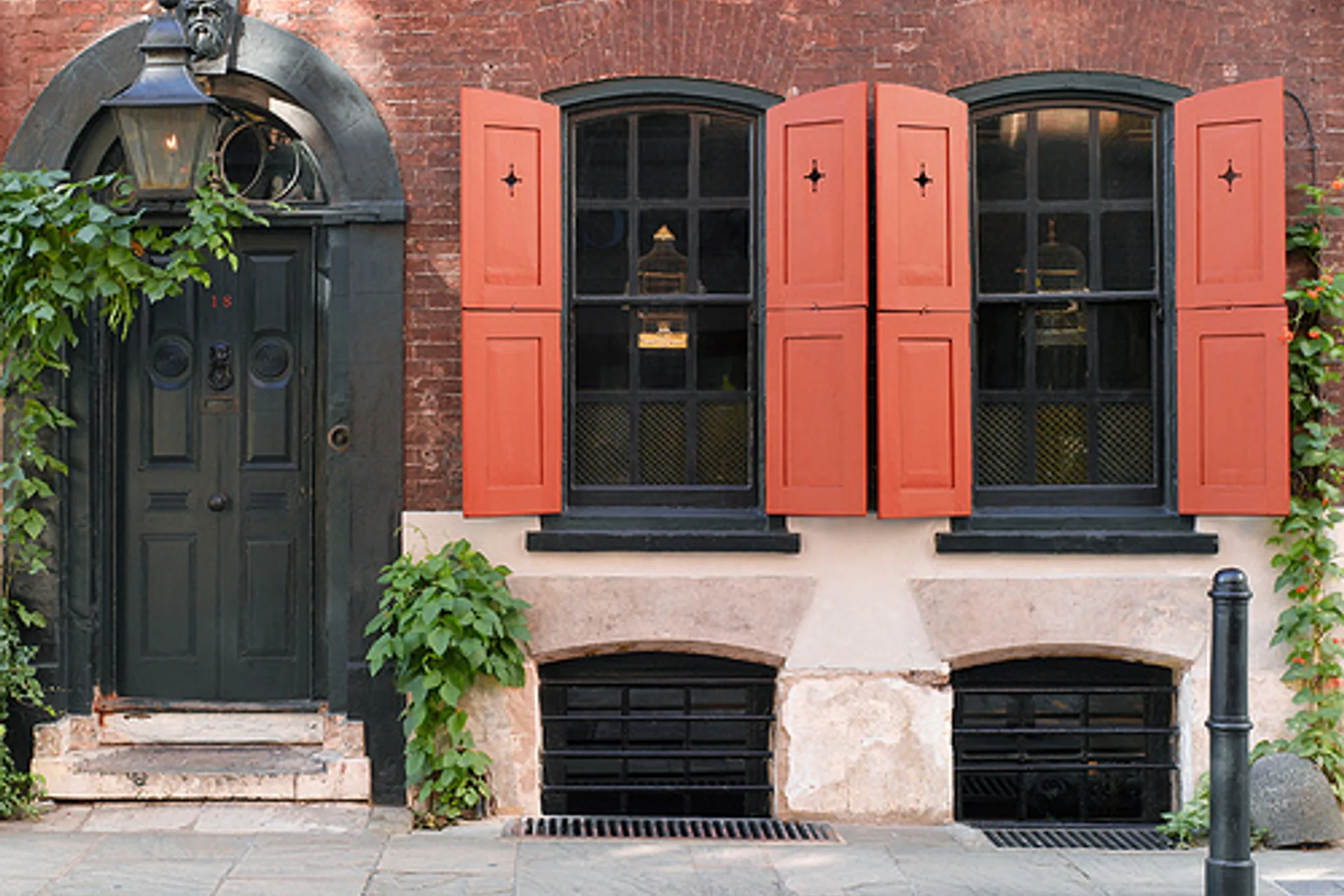
Dennis Severs' House
A candlelit "still-life drama" through ten rooms of a Georgian Spitalfields house, arranged as if a Huguenot silk-weaving family had just stepped out.
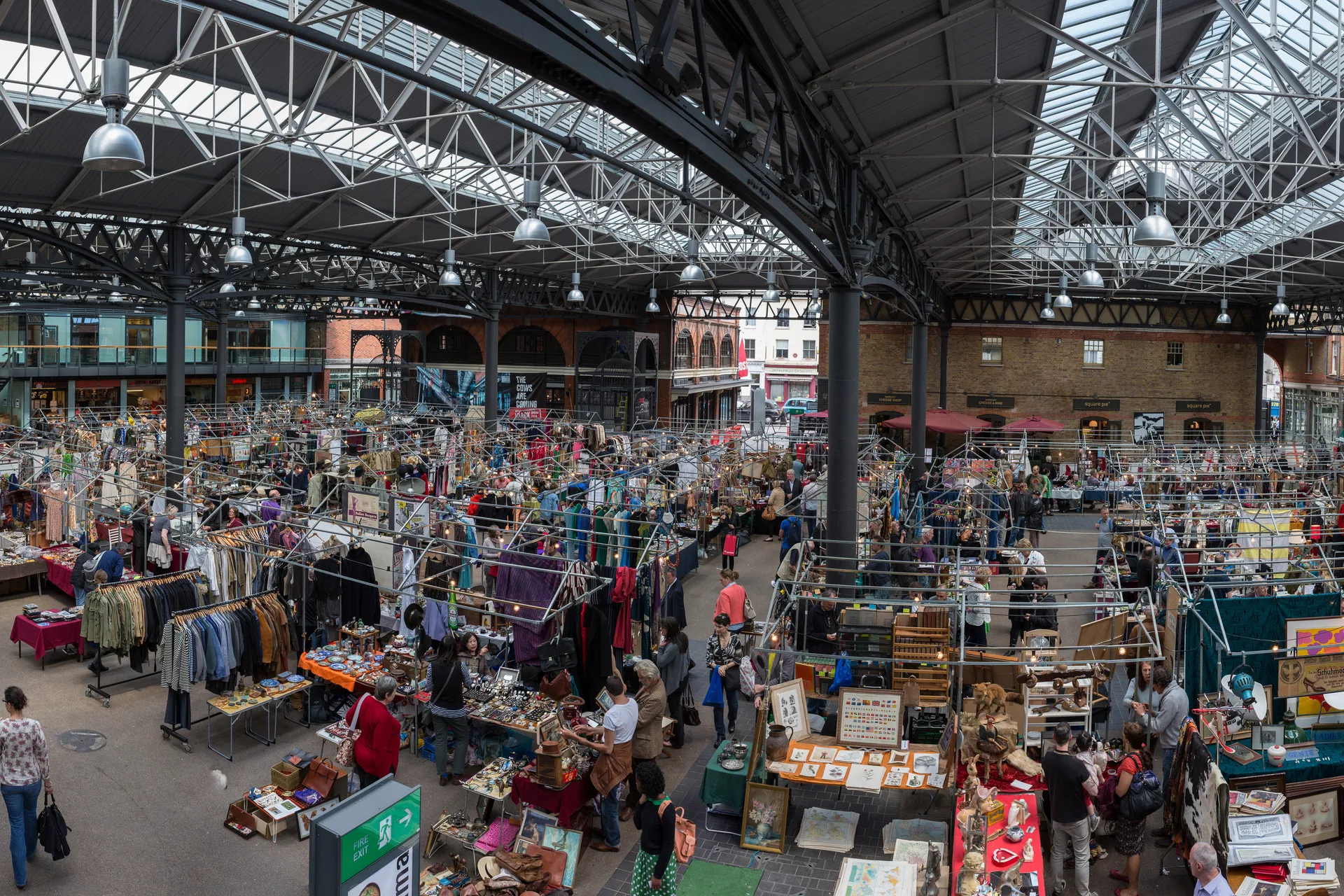
Old Spitalfields Market
A Victorian covered market in the East End turned fashion, food and craft destination, with a history of feeding London stretching back to a 1638 royal licence.