
Best for
Foodies, vintage and craft shoppers, East End history walkers
Time needed
1–2 hours
Worth it?
Yes — a genuinely good mix of food, shopping and Georgian East End history
Skip if
You're visiting very early on a weekday when fewer independent stalls are trading
About Old Spitalfields Market
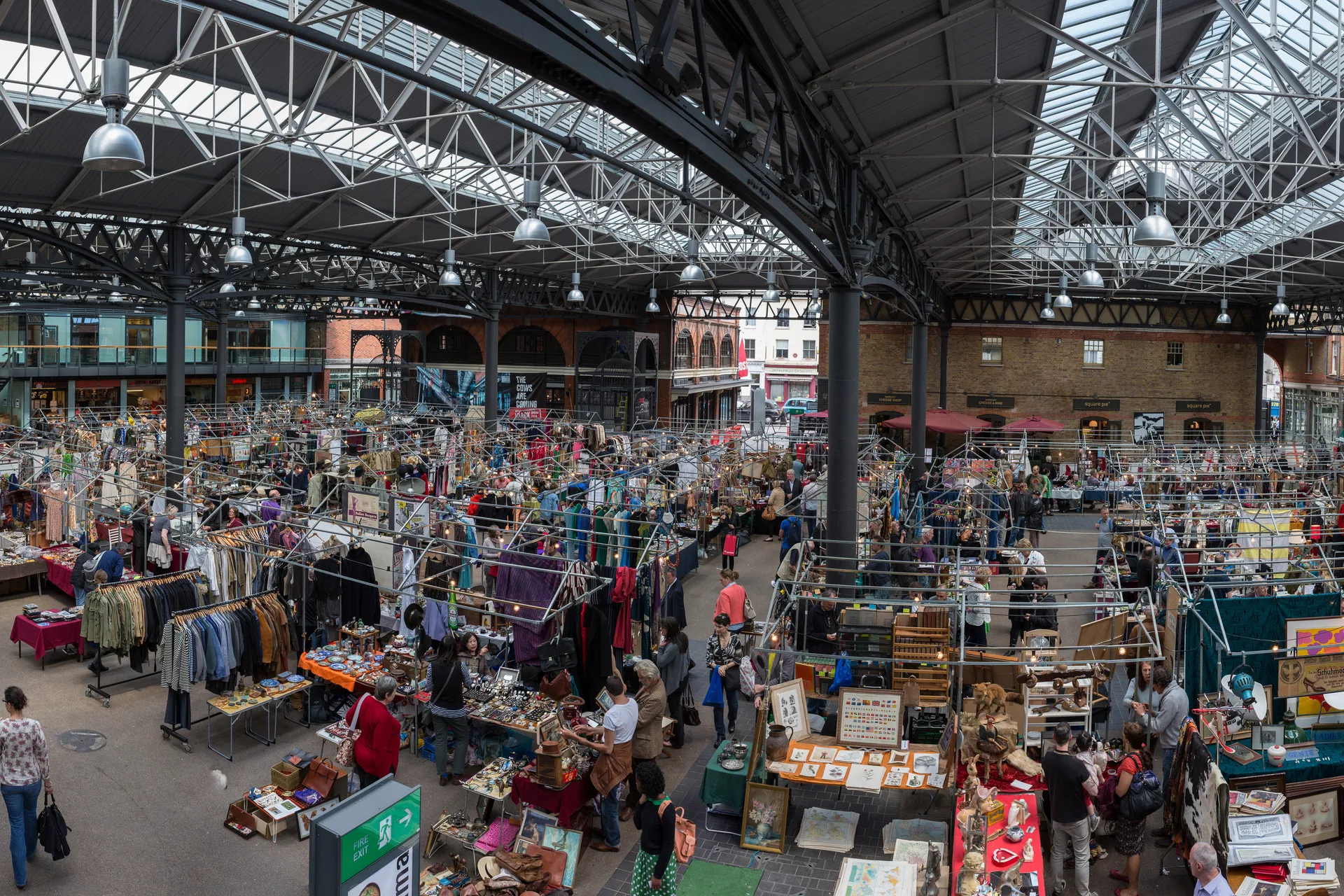
A market has operated on this site since 1638, when Charles I granted a licence for the sale of "flesh, fowl and roots" on Spittle Fields, then a suburb just outside the City walls. The market was re-founded by royal charter under Charles II in 1682 to feed a rapidly growing local population, including the Huguenot silk weavers settling in nearby Spitalfields streets, and grew into one of London's principal wholesale fruit and vegetable markets by the 19th century.
The surviving Victorian market hall, with its distinctive glass-and-iron roof, dates to the 1880s and was extensively restored in the early 2000s after the wholesale trade relocated elsewhere in the 1990s. Today it houses more than 70 stalls and shops selling everything from vintage fashion and handmade ceramics to leather goods and bespoke jewellery, alongside a dense concentration of food stalls covering cuisines from Japanese to Middle Eastern.
Read the full storyShow less
The market sits at the centre of Spitalfields' wider historic fabric — Huguenot Georgian townhouses on Fournier Street, Christ Church Spitalfields' Hawksmoor spire, and Brick Lane's curry houses and Sunday market all within a few minutes' walk, making it a natural anchor for exploring the whole neighbourhood on foot.
It's busiest and most varied on weekends, when the largest number of rotating independent stalls trade alongside the market's permanent shops.
What to See: Highlights
- 1A restored 1880s Victorian glass-and-iron market hall
- 2Over 70 stalls and shops spanning vintage fashion, craft and jewellery
- 3A dense, varied international street food scene
- 4History dating back to a 1638 royal market licence
- 5Direct access to Spitalfields' Huguenot Georgian streets
- 6Free to browse, busiest and best on weekends
Skip the Queue — Book Tickets Online
Same admission, instant confirmation. Compare prices across platforms.
Affiliate disclosure — we may earn a commission at no extra cost to you.
Insider Tips
Thursday is best for vintage and antiques; weekends have the widest overall stall variety
Combine with a walk down Fournier Street to see original Huguenot silk-weaver houses
Come hungry — the food stall variety is one of the market's strongest draws
It's a 5-minute walk from Brick Lane for a combined East End market day
Christ Church Spitalfields, Hawksmoor's baroque church, is worth a look nearby
Book a Guided Tour
Get the most from your visit with a local expert guide.
Affiliate disclosure — we may earn a commission at no extra cost to you.
Getting There
16 Horner Square, London E1 6EW
Open in Google Maps →- 1Liverpool Street (Central, Circle, Hammersmith & City, Metropolitan, Elizabeth line) — a 5-minute walk.
Where to stay
Hotels in London
Compare prices across hundreds of hotels near this attraction — from budget hostels to luxury stays. Free cancellation on most rooms.
Affiliate disclosure — we may earn a commission at no extra cost to you. Powered by Booking.com.
Frequently Asked Questions
Everything you need to know before you visit.
Is Old Spitalfields Market worth visiting?+−
How long does a visit to Old Spitalfields Market take?+−
Who is Old Spitalfields Market best for?+−
Do I need to book anything in advance to visit Old Spitalfields Market?+−
Is Old Spitalfields Market included with the London city pass?+−
Should You Visit?
Visit if...
- You enjoy browsing vintage fashion, craft and independent food stalls
- You're exploring Spitalfields' Georgian and Huguenot history
- You're combining it with Brick Lane and the East End more broadly
- You want a good lunch stop with genuine variety
Skip if...
- You're visiting very early on a weekday, when fewer stalls are open
- Market browsing and street food aren't priorities for your itinerary
Ready to Book Your Visit?
More to See in London
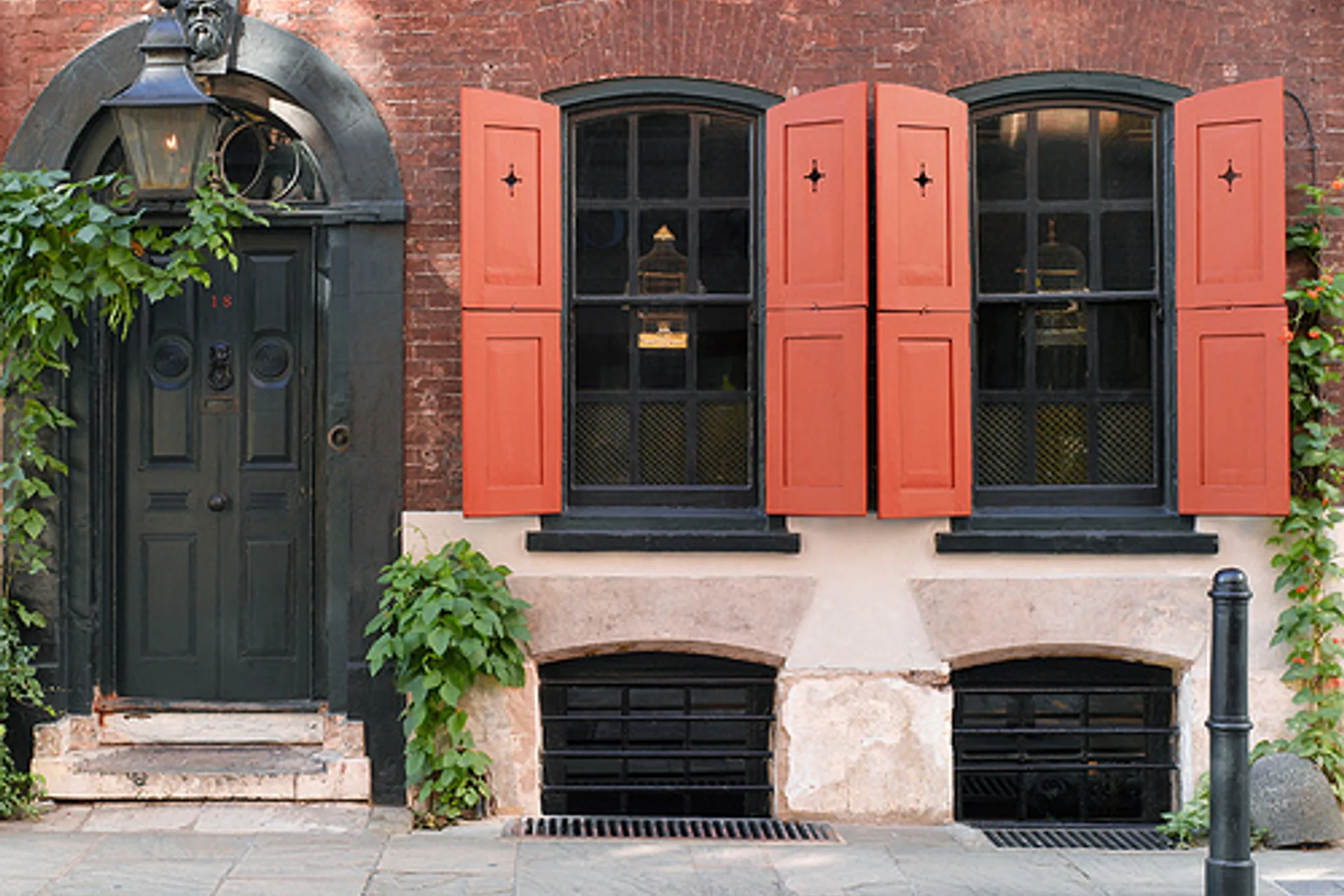
Dennis Severs' House
A candlelit "still-life drama" through ten rooms of a Georgian Spitalfields house, arranged as if a Huguenot silk-weaving family had just stepped out.
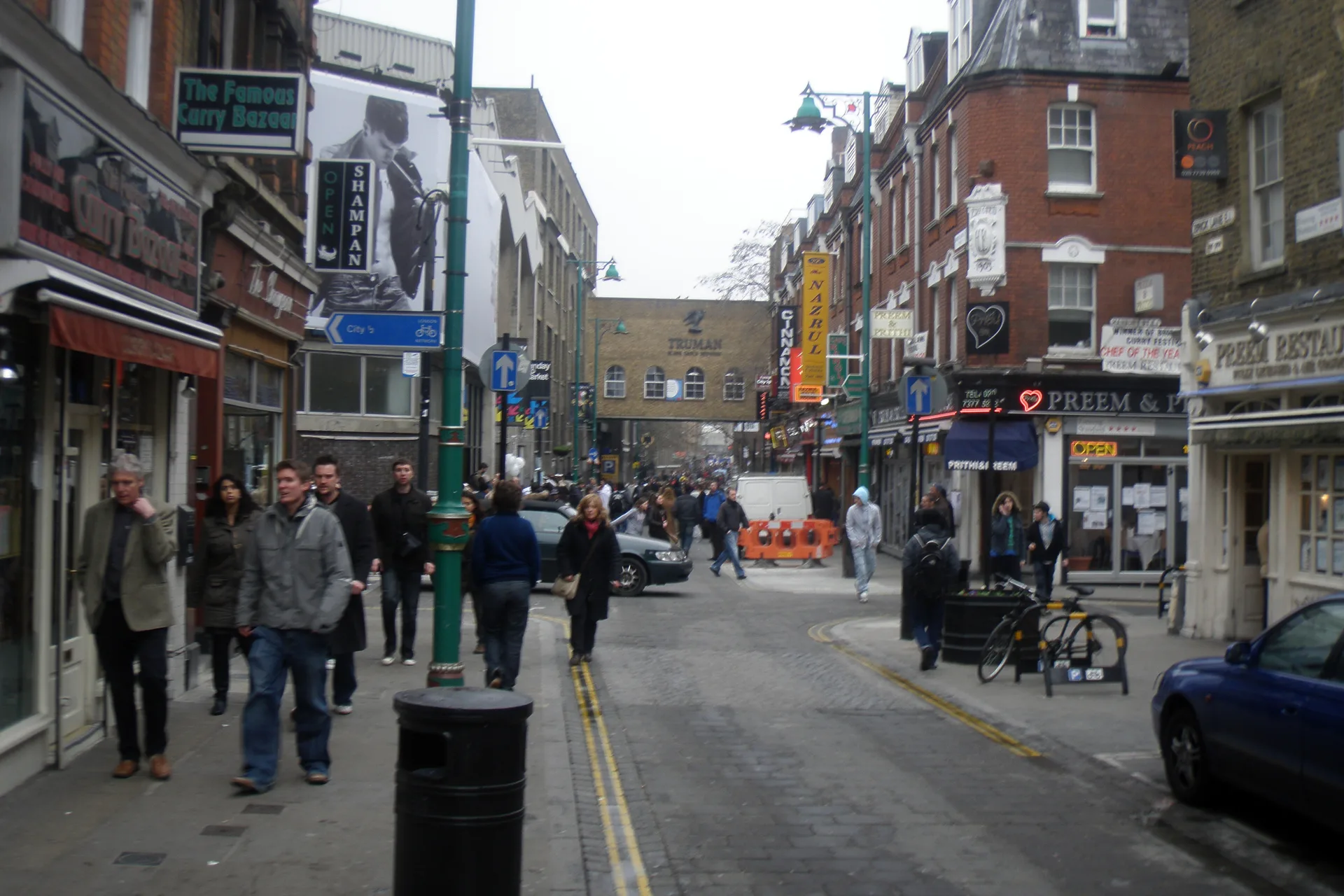
Brick Lane
The East End's most famous street, a living record of successive immigrant communities from Huguenot weavers to Bengali curry houses, now also London's street art heartland.