
Best for
Military history fans, Wellington and Napoleonic-era enthusiasts
Time needed
45 minutes–1 hour
Worth it?
Yes for the niche — a rare, intimate look at a genuine Regency-era art collection
Skip if
Napoleonic-era history and Old Master paintings don't particularly interest you
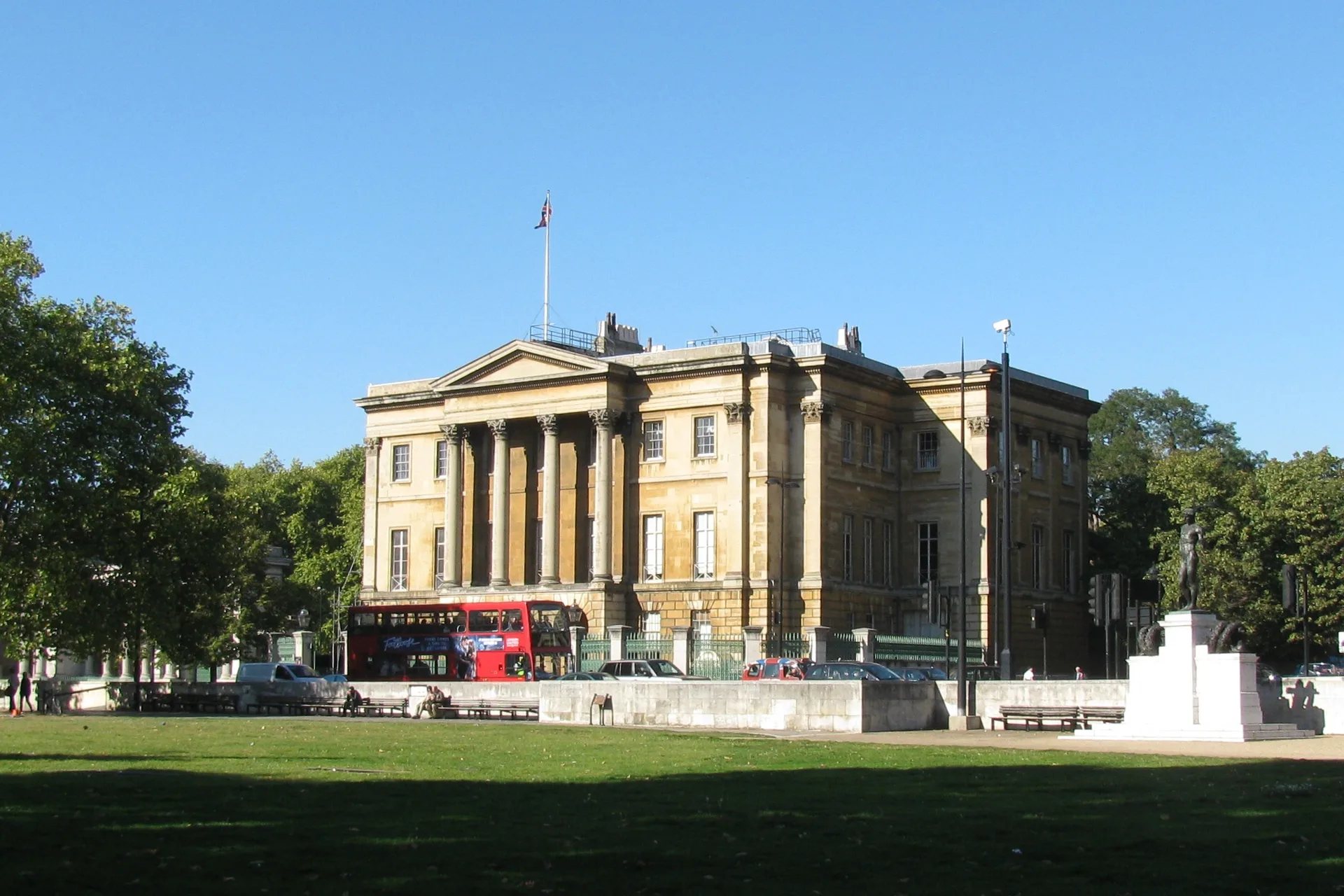
About Apsley House
Built by Robert Adam in the 1770s and bought by the 1st Duke of Wellington in 1817, two years after his victory at Waterloo, Apsley House earned its nickname "Number One, London" as the first house travellers reached after passing the tollgate at Hyde Park Corner. Wellington remodelled and extended the house extensively, adding the grand Waterloo Gallery to display both his art collection and to host an annual banquet for his officers each June.
That collection includes an extraordinary group of Spanish, Dutch and Flemish masterworks — Velázquez, Goya, Rubens and Van Dyck among them — legally awarded to Wellington after his 1813 victory at the Battle of Vitoria, when his forces captured a baggage train carrying King Joseph Bonaparte's looted Spanish royal art collection; rather than simply returning them, the restored Spanish king formally gifted the paintings to Wellington in gratitude.
Read the full storyShow less
The house also displays a colossal nude marble statue of Napoleon by Canova, presented to Wellington after Waterloo — an ironic trophy that the Emperor himself reportedly disliked for showing him unclothed. Personal Wellington memorabilia, porcelain services and militaria fill the remaining rooms.
Still partly a family home of the Wellington descendants, it's a smaller, more intimate visit than London's larger stately houses, and its combined ticket with the neighbouring Wellington Arch offers good value for military history and Regency art enthusiasts.
What to See: Highlights
- 1Spanish, Dutch and Flemish masterworks won at the Battle of Vitoria
- 2Velázquez, Goya, Rubens and Van Dyck paintings
- 3Antonio Canova's colossal nude marble statue of Napoleon
- 4The grand Waterloo Gallery, used for Wellington's annual officers' banquet
- 5Robert Adam's original 1770s interiors
- 6A combined ticket available with the neighbouring Wellington Arch
Skip the Queue — Book Tickets Online
Same admission, instant confirmation. Compare prices across platforms.
Affiliate disclosure — we may earn a commission at no extra cost to you.
Insider Tips
Check opening days before visiting — hours are more limited than most London museums
Combine with the Wellington Arch across the road for a joint military-history visit
The house is not wheelchair accessible due to entrance steps
It's a compact visit — around an hour is usually enough
Combine with a walk through nearby Hyde Park or Green Park
Book a Guided Tour
Get the most from your visit with a local expert guide.
Affiliate disclosure — we may earn a commission at no extra cost to you.
Getting There
149 Piccadilly, Hyde Park Corner, London W1J 7NT
Open in Google Maps →- 1Hyde Park Corner (Piccadilly line) — directly adjacent.
Where to stay
Hotels in London
Compare prices across hundreds of hotels near this attraction — from budget hostels to luxury stays. Free cancellation on most rooms.
Affiliate disclosure — we may earn a commission at no extra cost to you. Powered by Booking.com.
Frequently Asked Questions
Everything you need to know before you visit.
Is Apsley House worth visiting?+−
How long does a visit to Apsley House take?+−
Who is Apsley House best for?+−
Do I need to book tickets in advance for Apsley House?+−
Is Apsley House included with the London city pass?+−
Should You Visit?
Visit if...
- You're interested in the Duke of Wellington or Napoleonic Wars history
- You want to see genuine Spanish and Flemish Old Masters in an intimate setting
- You're already at Hyde Park Corner near the Wellington Arch
- You appreciate smaller, less crowded stately house museums
Skip if...
- You need step-free access — the house isn't wheelchair accessible
- Napoleonic history and Old Master art aren't priorities for your visit
Ready to Book Your Visit?
More to See in London
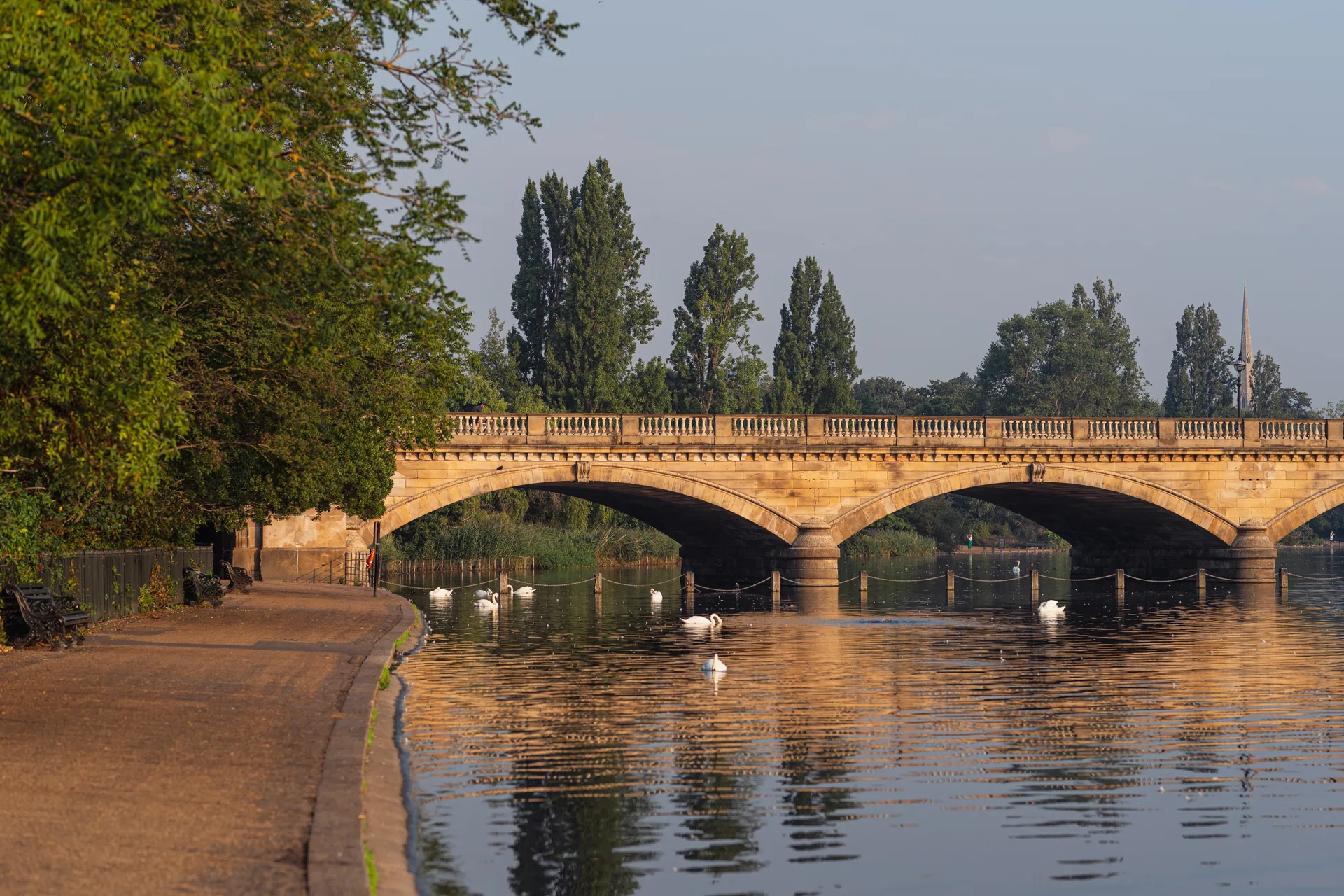
Hyde Park & Kensington Gardens
London's largest and most central royal park, split into Hyde Park and Kensington Gardens, with the Serpentine lake, Speakers' Corner, and the Diana Memorial Fountain and Playground.
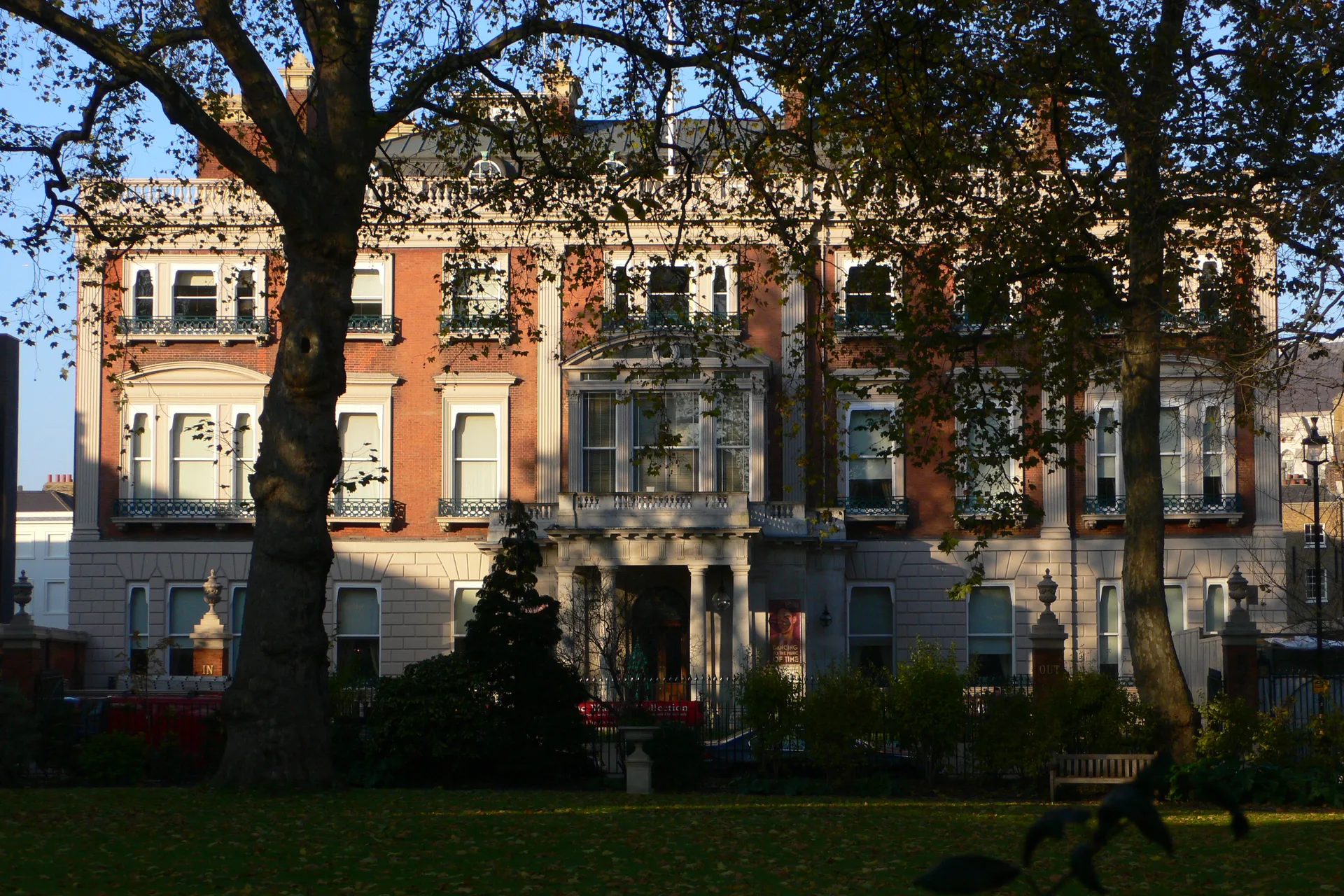
Wallace Collection
A free national museum of French 18th-century art, arms and armour and Old Masters, housed unchanged in a grand townhouse just north of Oxford Street.