
Best for
Families with kids, dinosaur fans, architecture lovers
Time needed
2–3 hours
Worth it?
Yes — genuinely one of the best free family museums anywhere
Skip if
You're visiting with very young children on a weekend and can't handle the queues
About Natural History Museum
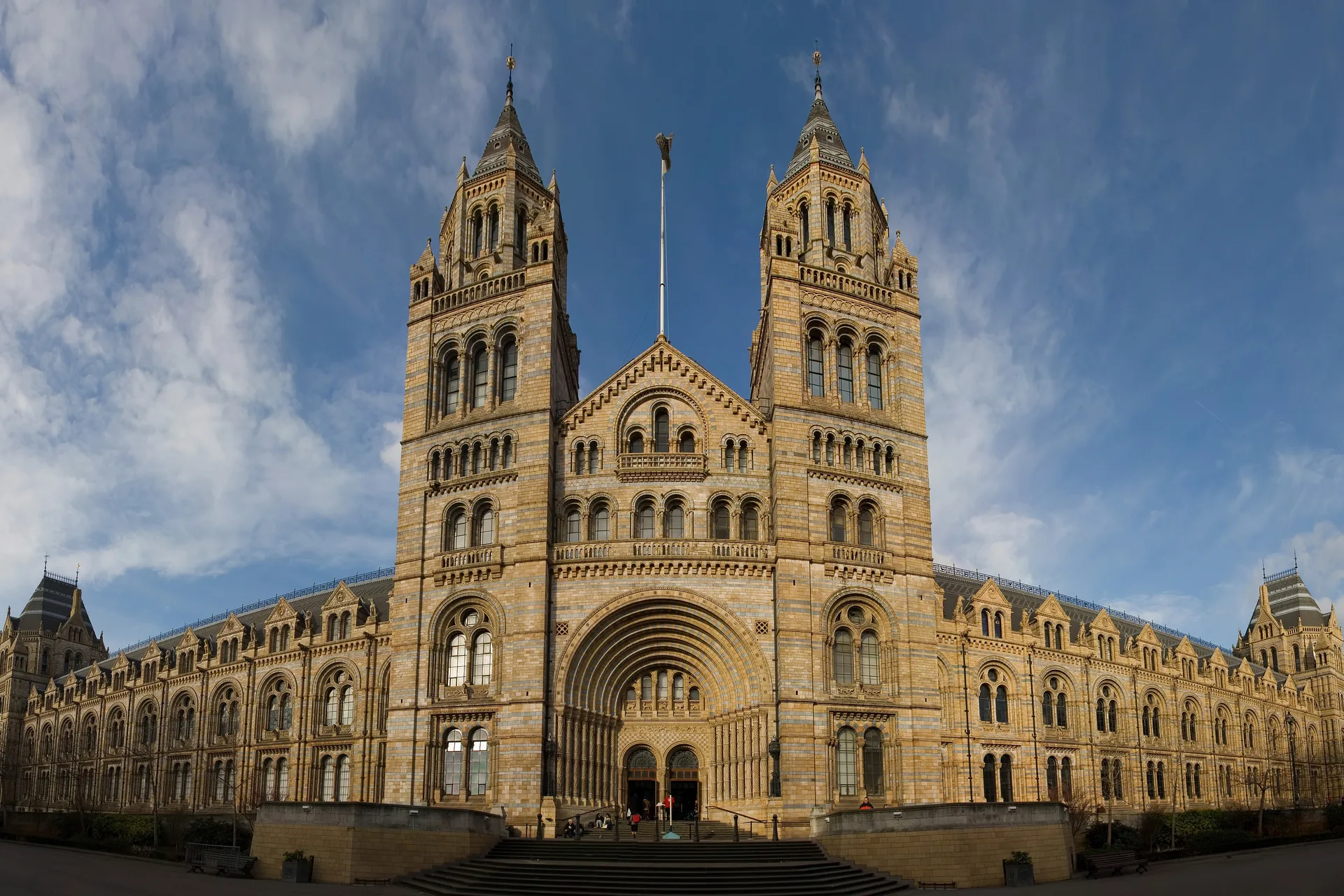
Opened in 1881, the Natural History Museum was designed by Alfred Waterhouse in a Romanesque style specifically to work as a piece of architecture in its own right — the terracotta facade is covered in sculpted animals and plants, extinct species on one side of the building and living species on the other. It began as an offshoot of the British Museum's natural history collections, which had outgrown their original home.
The main Hintze Hall sets the tone immediately: since 2017 it has been dominated by "Hope," a 25-metre blue whale skeleton suspended mid-dive from the ceiling, which replaced the museum's long-serving diplodocus cast "Dippy" (now touring UK venues). From there, the Dinosaurs gallery — with its animatronic T. rex — remains the single most popular room in the building, and the Blue Zone's marine life and human biology halls round out the must-see route for most visitors.
Read the full storyShow less
Beyond the crowd-pleasers, the museum holds around 80 million specimens across its Green, Red and Orange Zones, including a working seismograph, a slice of a 1,300-year-old giant sequoia, and the Darwin Centre's Cocoon, where visitors can watch scientists at work through glass walls on a real working collection of insects and plants.
Entry to all permanent galleries is free, though timed tickets are recommended for peak weekends and school holidays, and paid special exhibitions (recent examples have included immersive nature and space experiences) run alongside the free collection.
What to See: Highlights
- 1"Hope" the blue whale skeleton suspended in Hintze Hall
- 2Animatronic T. rex in the Dinosaurs gallery
- 3Alfred Waterhouse's terracotta Romanesque building itself
- 4The Darwin Centre's glass-walled Cocoon research lab
- 5Human biology and "Human Evolution" galleries
- 6Free general admission to all permanent galleries
Skip the Queue — Book Tickets Online
Same admission, instant confirmation. Compare prices across platforms.
Affiliate disclosure — we may earn a commission at no extra cost to you.
Insider Tips
Book a free timed-entry ticket online for weekends and school holidays
Head straight for the Dinosaurs gallery first — it's the busiest room by mid-morning
Enter via the South Kensington Tube tunnel to skip the street-level queue
The museum connects underground to the Science Museum next door
Special ticketed exhibitions (nature documentaries, immersive experiences) cost extra — check what's on before you go
Book a Guided Tour
Get the most from your visit with a local expert guide.
Affiliate disclosure — we may earn a commission at no extra cost to you.
Getting There
Cromwell Road, London SW7 5BD
Open in Google Maps →- 1South Kensington (Circle, District, Piccadilly lines) — a 5-minute walk, or use the tunnel entrance directly from the Tube station.
Where to stay
Hotels in London
Compare prices across hundreds of hotels near this attraction — from budget hostels to luxury stays. Free cancellation on most rooms.
Affiliate disclosure — we may earn a commission at no extra cost to you. Powered by Booking.com.
Frequently Asked Questions
Everything you need to know before you visit.
Is Natural History Museum worth visiting?+−
How long does a visit to Natural History Museum take?+−
Who is Natural History Museum best for?+−
Do I need to book anything in advance to visit Natural History Museum?+−
Is Natural History Museum included with the London city pass?+−
Should You Visit?
Visit if...
- You're travelling with children of almost any age
- You want to see full dinosaur skeletons and a genuine blue whale skeleton
- You appreciate grand Victorian architecture as much as the exhibits
- You're building a South Kensington museum day with the V&A and Science Museum
Skip if...
- You dislike very large crowds — this is one of London's busiest free attractions
- You've already spent your morning at the Science Museum next door and are museum-fatigued
- You're short on time and dinosaurs/natural history aren't a priority
Ready to Book Your Visit?
More to See in London
Science Museum
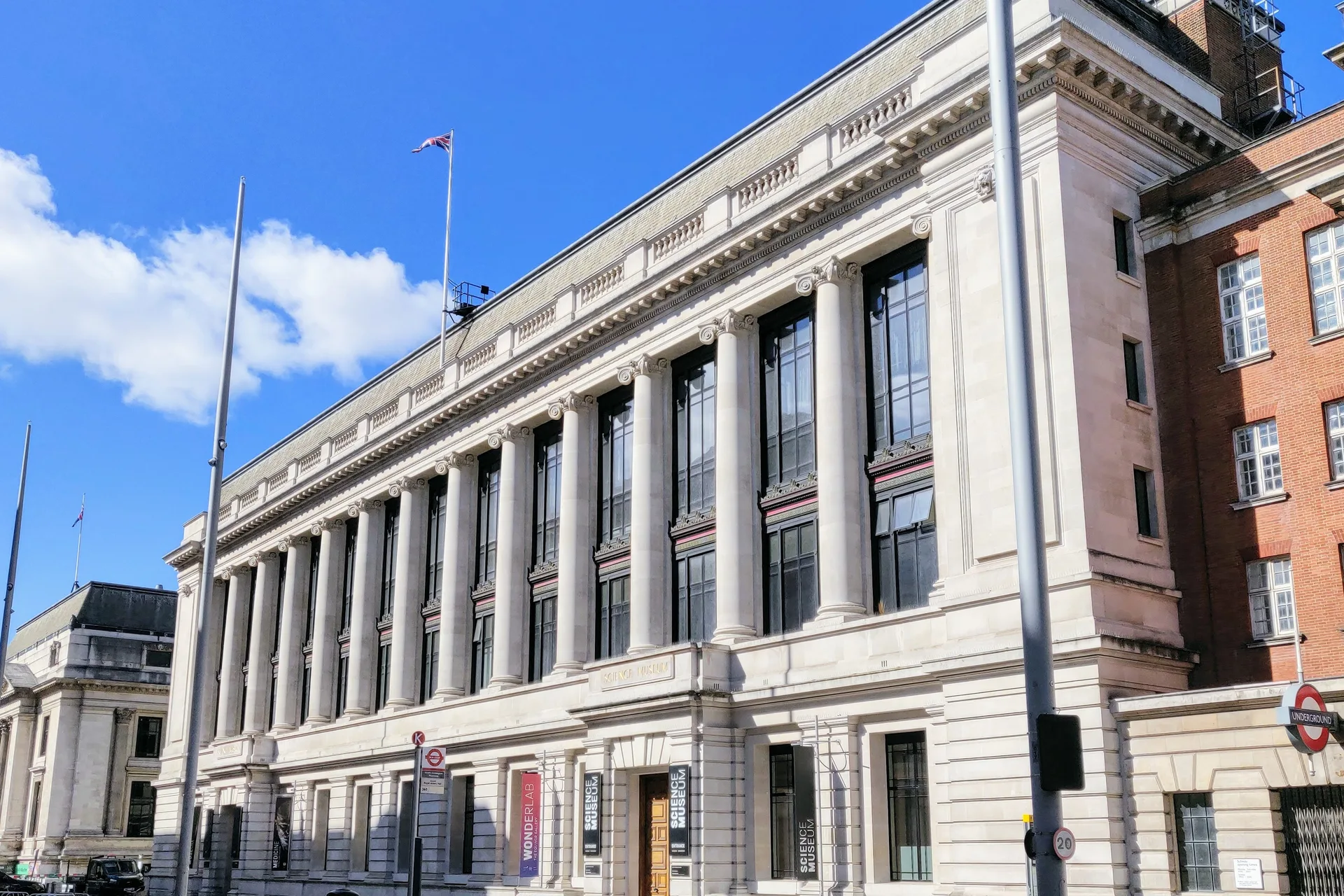
Five floors of steam engines, spacecraft, aviation history and hands-on exhibits — free entry, with a paid IMAX cinema as the one notable add-on.
Victoria and Albert Museum
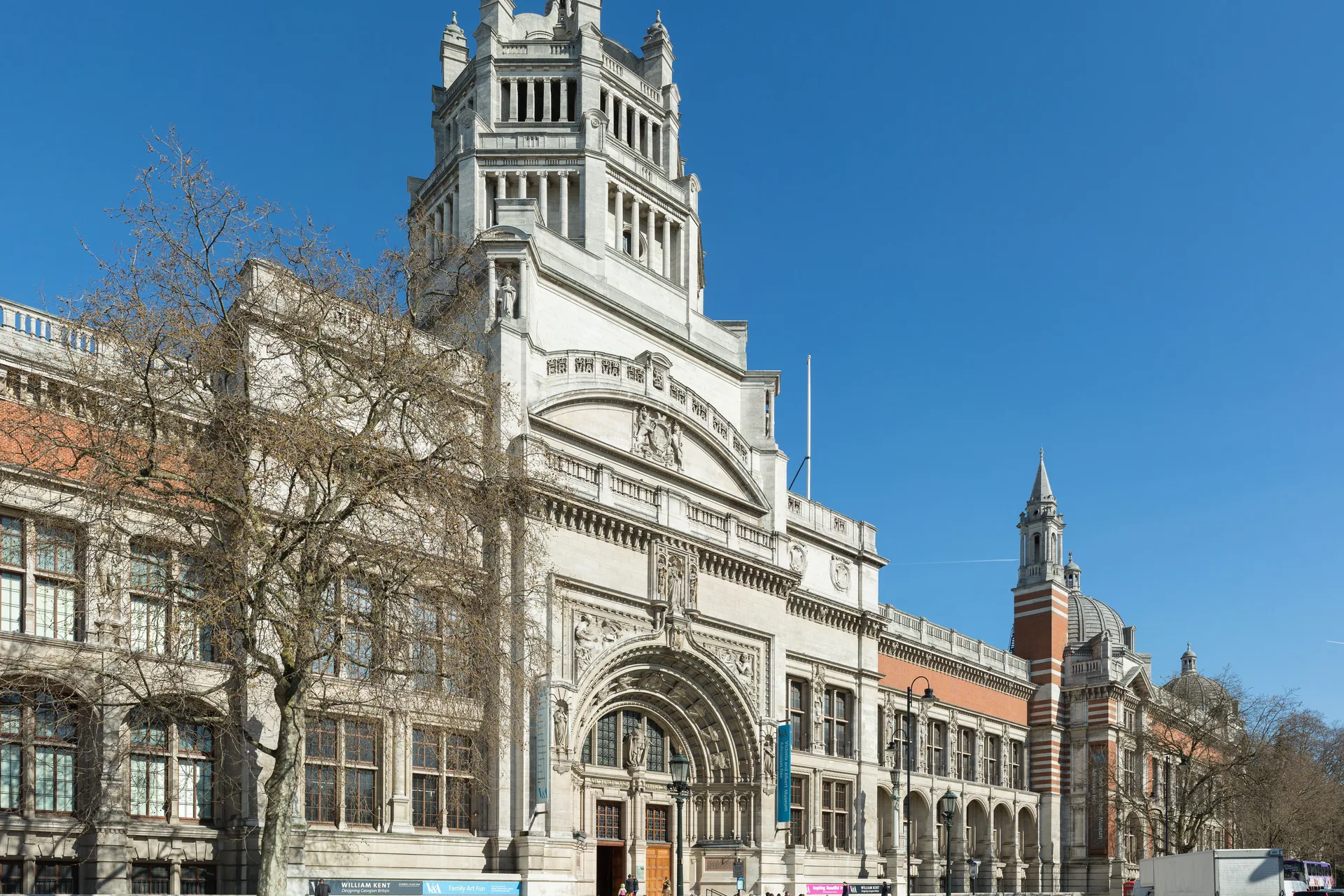
The world's largest museum of art, design and performance — 5,000 years of human creativity from Raphael cartoons to Alexander McQueen couture, free to enter.