
Best for
A relaxed break, families, anyone wanting a genuinely local Paris park experience
Time needed
45 minutes to 2+ hours
Worth it?
Yes — one of the most pleasant free spaces in the city
Skip if
You have no time for parks and gardens this trip
About Jardin du Luxembourg
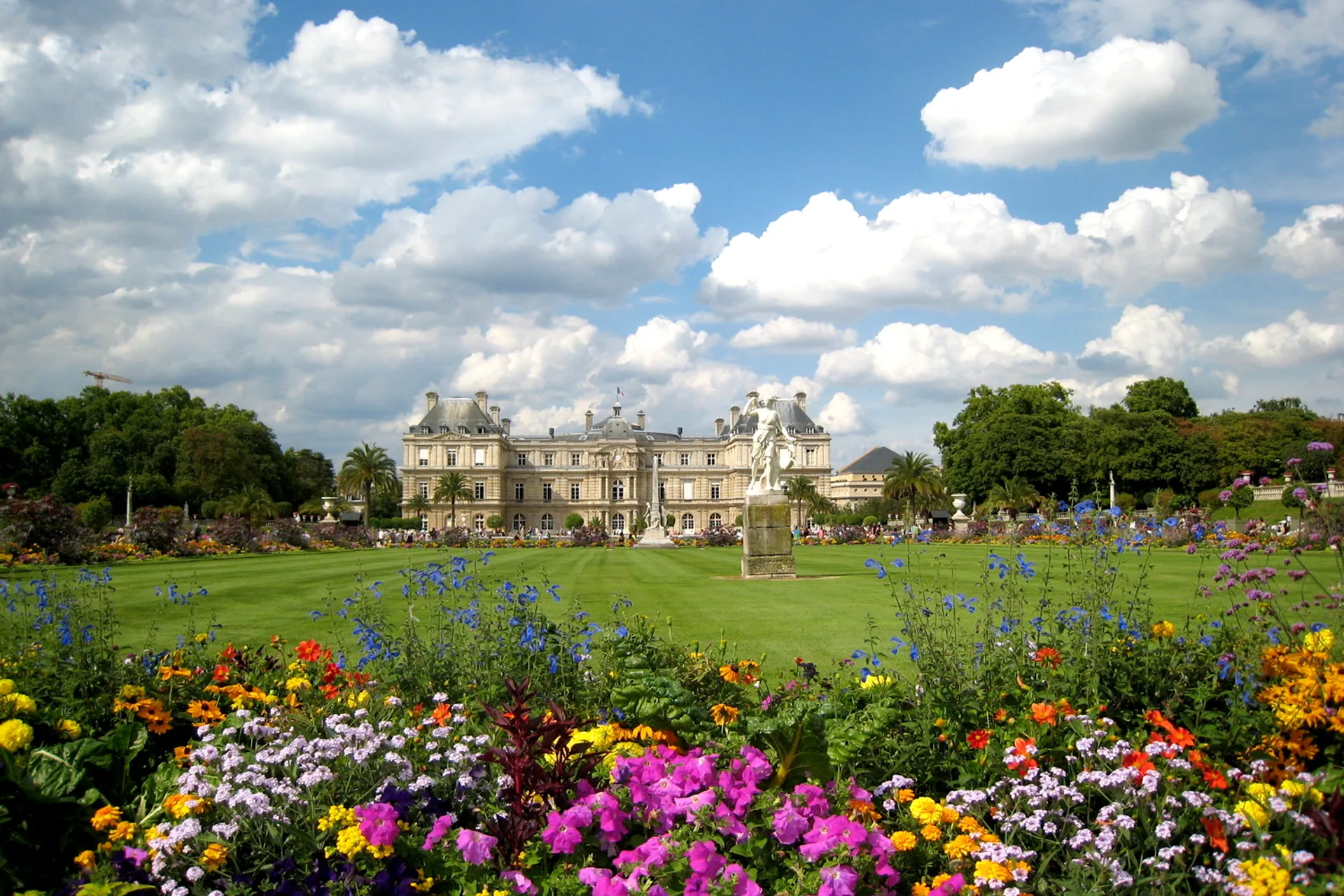
Marie de' Medici, widow of Henri IV, commissioned the Luxembourg Palace and its surrounding gardens starting in 1612, homesick for the Florentine gardens of her childhood and deliberately modelling the layout on Florence's Boboli Gardens. The palace itself now houses the French Senate, while the 23-hectare gardens around it remain freely open to the public, one of the most-used green spaces in the city.
The garden's formal French layout — geometric parterres, gravel paths, and more than a hundred statues, including a scaled-down bronze replica of the Statue of Liberty — centres on the Grand Bassin, an octagonal pond where generations of Parisian children have sailed small wooden toy boats, still available to rent on-site. The Médicis Fountain, an atmospheric, ivy-draped Baroque grotto-fountain at the garden's eastern edge, is one of the most photographed corners of the whole park.
Read the full storyShow less
Beyond the formal gardens, the Luxembourg holds tennis courts, a bee-keeping apiary and orchard school, a historic marionette theatre (Théâtre du Luxembourg) running weekend performances for children, and an elevated southern section with a more English, informal landscaping style — enough variety that repeat visits rarely feel repetitive.
Set in the middle of the Left Bank near the Sorbonne and Panthéon, the garden is heavily used by students and locals as much as tourists, giving it a genuinely lived-in, unpretentious atmosphere rare among Paris's grander formal spaces.
What to See: Highlights
- 1The Grand Bassin pond, where children have sailed toy boats for generations
- 2The atmospheric, ivy-draped Médicis Fountain
- 3A historic marionette theatre with weekend children's performances
- 4More than a hundred statues, including a scaled Statue of Liberty replica
- 523 hectares of formal French gardens surrounding the Luxembourg Palace (now the Senate)
Insider Tips
Rent a toy sailboat for the Grand Bassin — a genuine Parisian tradition, not just a tourist gimmick
The green metal garden chairs scattered throughout are free to move and sit anywhere
Weekend mornings see local families and joggers more than tourists
Combine with the nearby Panthéon or Saint-Germain-des-Prés
The puppet theatre (Théâtre du Luxembourg) runs weekend shows aimed at young children
Getting There
Rue de Médicis / Rue de Vaugirard, 75006 Paris
Open in Google Maps →- 1RER B to Luxembourg, right at the garden. Metro 4 to Odéon or Saint-Sulpice also work, a short walk.
Where to stay
Hotels in Paris
Compare prices across hundreds of hotels near this attraction — from budget hostels to luxury stays. Free cancellation on most rooms.
Affiliate disclosure — we may earn a commission at no extra cost to you. Powered by Booking.com.
Frequently Asked Questions
Everything you need to know before you visit.
Is Jardin du Luxembourg worth visiting?+−
How long does a visit to Jardin du Luxembourg take?+−
Who is Jardin du Luxembourg best for?+−
Do I need to book anything in advance to visit Jardin du Luxembourg?+−
Is Jardin du Luxembourg included with the Paris city pass?+−
Should You Visit?
Visit if...
- You want a relaxed, free break between sights
- You're travelling with children who'd enjoy the boat pond or puppet theatre
- You're exploring the Left Bank near the Panthéon or Sorbonne
- You enjoy formal French garden design
Skip if...
- You have no time for parks on this trip
- You've already visited and have no reason to return
- Poor weather makes an outdoor visit unappealing
More to See in Paris
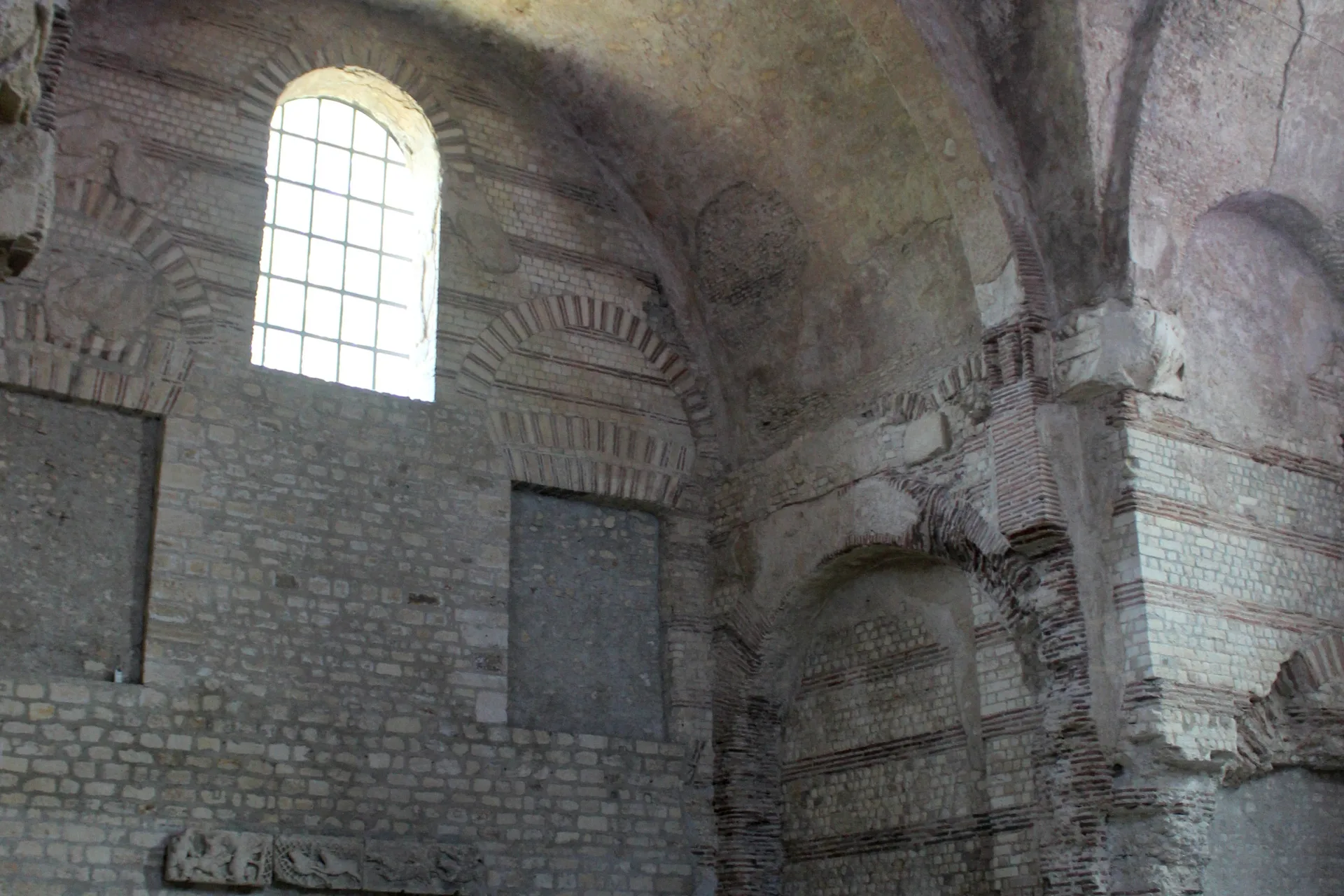
Musée de Cluny — Musée national du Moyen Âge
France's national museum of the Middle Ages, built into a medieval abbey mansion on top of Roman-era baths — home to the celebrated Lady and the Unicorn tapestries.
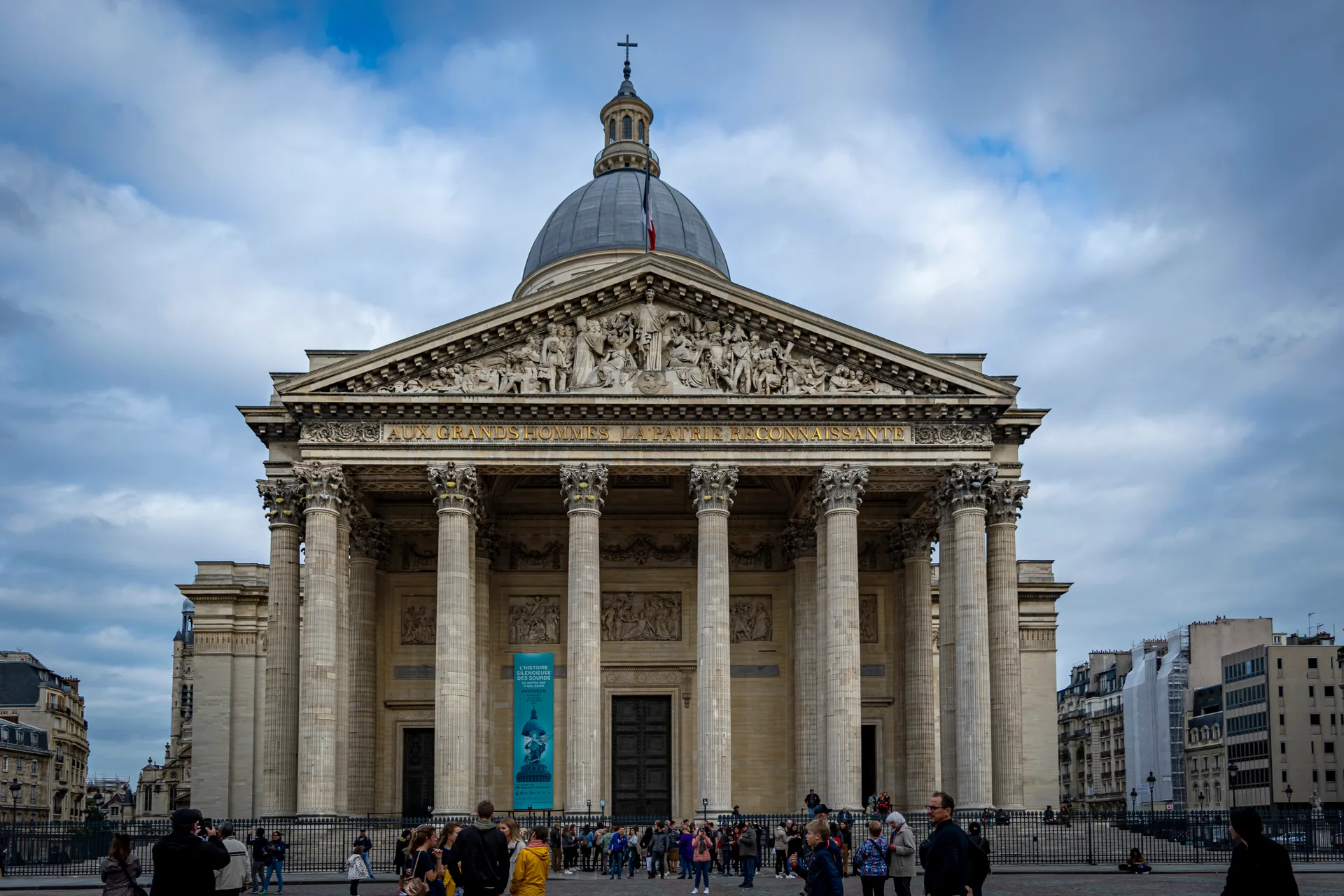
Panthéon
A neoclassical domed monument on the Left Bank's highest point, built as a church and repurposed as France's secular mausoleum for its most celebrated citizens — Voltaire, Rousseau, Marie Curie and Victor Hugo among them.
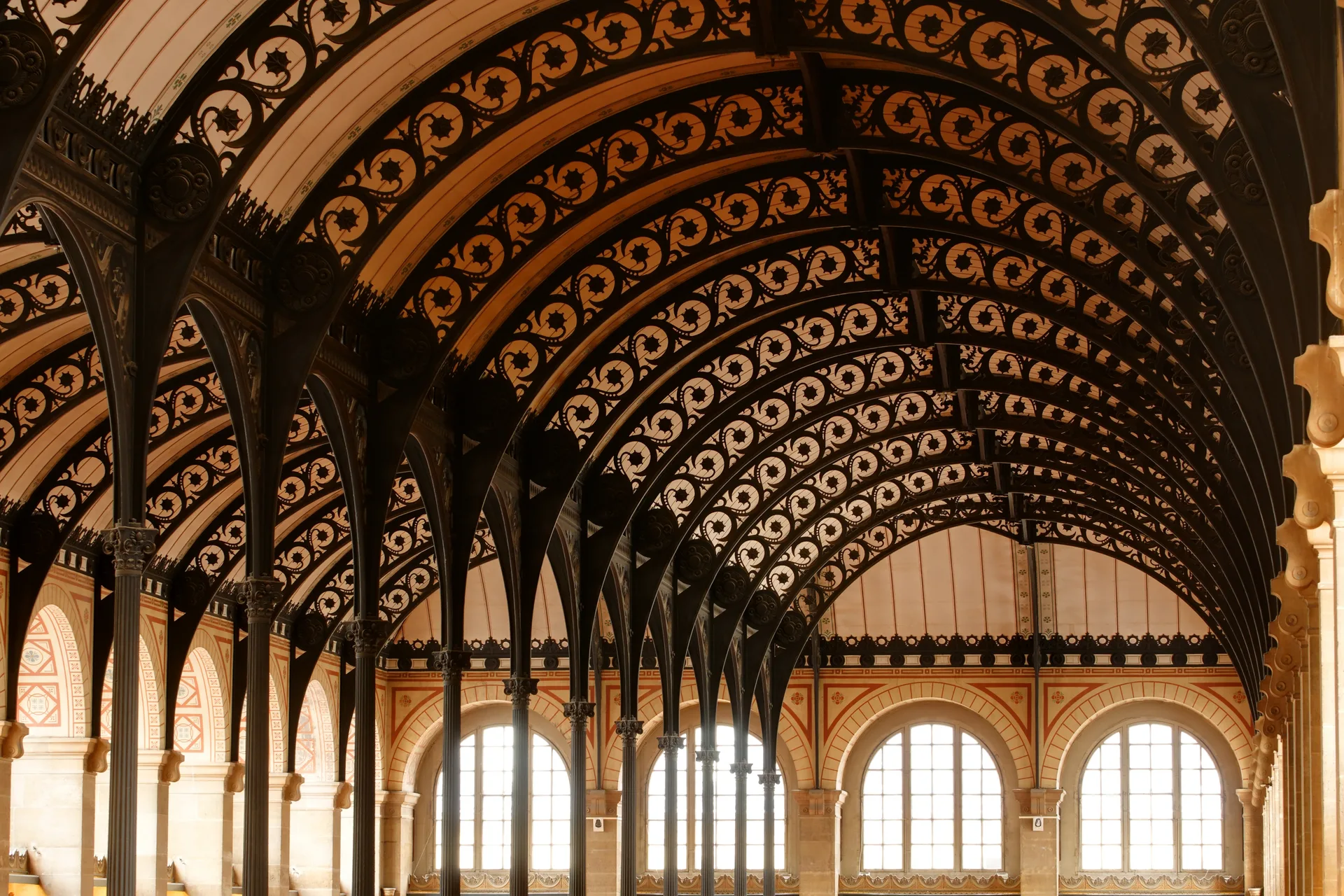
Bibliothèque Sainte-Geneviève
A 19th-century reading room opposite the Panthéon, its cast-iron structure and rows of green library lamps making it one of the most atmospheric library interiors in Europe.