
Best for
History and architecture fans, anyone exploring the base of Gellért Hill
Time needed
20-40 minutes
Worth it?
Yes — a genuinely unusual sacred space with a dramatic Cold War story
Skip if
It's Sunday and you can't make the closed schedule work
About Cave Church (Gellért Hill)
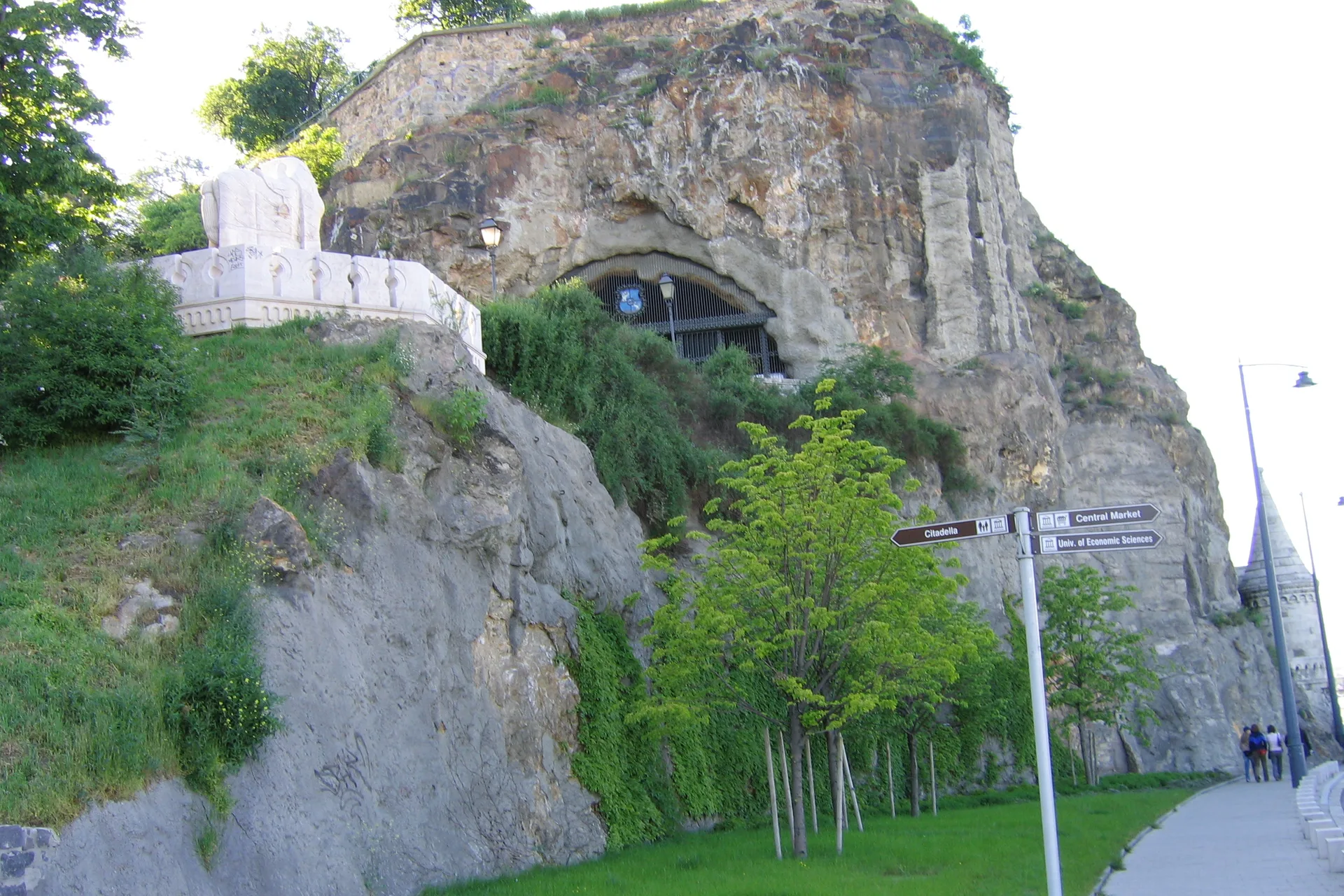
The Cave Church (Sziklatemplom) was established in 1926 inside a natural cave system in Gellért Hill by Hungary's Pauline order — the only Catholic religious order founded in Hungary — following the model of the shrine at Lourdes, which the order's leadership had visited and wanted to echo in a Hungarian setting. The cave's natural chambers were expanded and adapted into a functioning chapel, with a distinctive rock-hewn interior unlike any conventional church architecture in the city.
The church's history took a dark turn under communist rule: in 1951, the secret police raided the site, arrested the Pauline monks (several were later tried and imprisoned on fabricated charges, and the order's leader died in prison), and sealed the cave entrance with concrete, erasing the site from public use and, functionally, from public memory for nearly four decades.
Read the full storyShow less
After the fall of communism in 1989, the Pauline order was re-established in Hungary and reclaimed the site, reopening the Cave Church in 1992 following restoration. It functions today as an active parish church and a place of pilgrimage specifically tied to its own persecution history, alongside its more general appeal as an atmospheric, unusual sacred space built directly into rock.
A notable exhibit inside displays small Russian metal icons, part of a specialised Eastern Christian devotional art collection unusual for a Catholic church and rare in this concentration anywhere in Europe. Its location at the base of Gellért Hill, close to Rudas Baths and Liberty Bridge, makes it easy to combine with a wider visit to that part of Buda.
What to See: Highlights
- 1A functioning chapel built into a natural cave in Gellért Hill
- 2Founded 1926 by Hungary's Pauline order, modelled on Lourdes
- 3Sealed shut by the secret police from 1951 to 1989
- 4Reopened in 1992 after the fall of communism
- 5A rare collection of small Russian devotional metal icons
- 6Close to Rudas Baths and Liberty Bridge
Skip the Queue — Book Tickets Online
Same admission, instant confirmation. Compare prices across platforms.
Affiliate disclosure — we may earn a commission at no extra cost to you.
Insider Tips
Closed Sundays — plan around it
Combine with Rudas Baths or a Gellért Hill climb, both nearby
The interior stays cool — useful on a hot day
Modest dress expected as it's an active place of worship
The persecution history adds real weight — worth reading up on beforehand
Book a Guided Tour
Get the most from your visit with a local expert guide.
Affiliate disclosure — we may earn a commission at no extra cost to you.
Getting There
Szent Gellért rakpart 1, 1114 Budapest
Open in Google Maps →- 1Tram 19, 41 or 47/48/49 to Szent Gellért tér, or Metro M4, then a short walk along the riverside.
Where to stay
Hotels in Budapest
Compare prices across hundreds of hotels near this attraction — from budget hostels to luxury stays. Free cancellation on most rooms.
Affiliate disclosure — we may earn a commission at no extra cost to you. Powered by Booking.com.
Frequently Asked Questions
Everything you need to know before you visit.
Is Cave Church (Gellért Hill) worth visiting?+−
How long does a visit to Cave Church (Gellért Hill) take?+−
Who is Cave Church (Gellért Hill) best for?+−
Do I need to book tickets in advance for Cave Church (Gellért Hill)?+−
Is Cave Church (Gellért Hill) included with the Budapest city pass?+−
Should You Visit?
Visit if...
- You're exploring Gellért Hill or Rudas Baths nearby
- You appreciate unconventional, atmospheric religious architecture
- You're interested in Hungary's Cold War-era religious persecution
- You want a quick, inexpensive add-on stop
Skip if...
- It's Sunday — the church is closed
- You're not near the base of Gellért Hill on your route
Ready to Book Your Visit?
More to See in Budapest
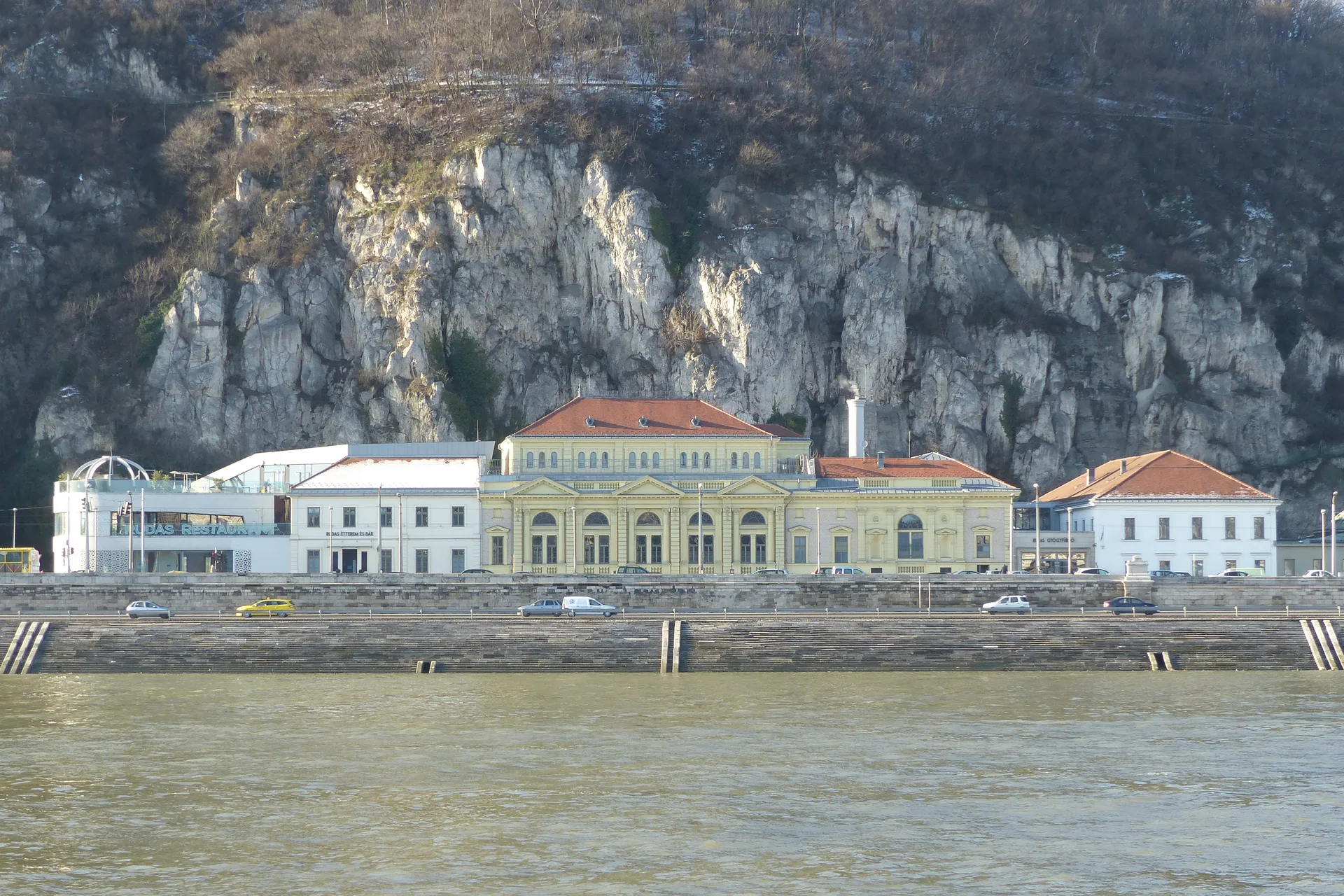
Rudas Baths
A 16th-century Ottoman-era bathhouse under a genuine octagonal Turkish dome — plus a modern rooftop pool with panoramic Danube views, popular for Friday and Saturday night bathing.
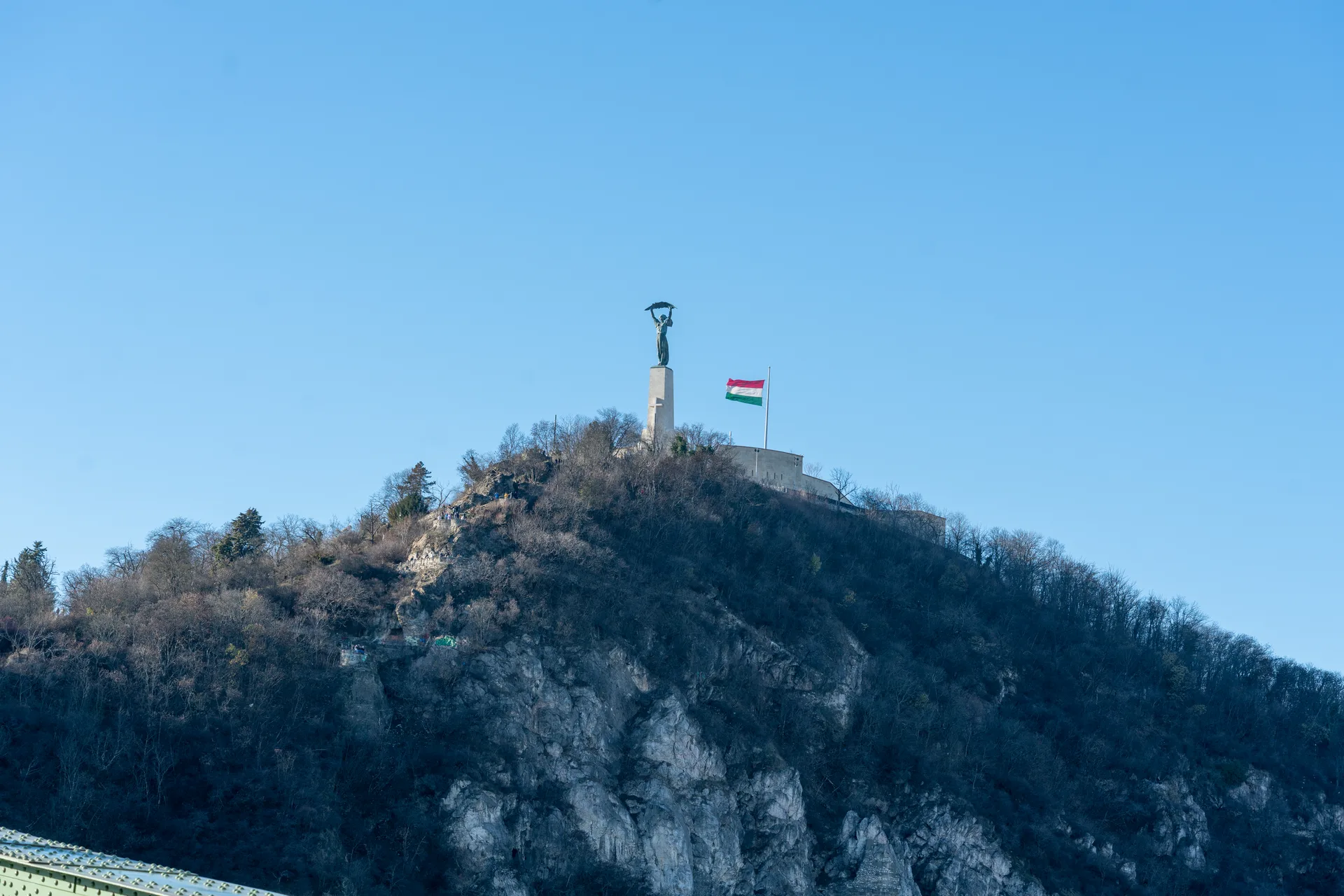
Gellért Hill & Citadella
A 235-metre hill on the Buda side crowned by a Habsburg-era fortress and the Liberty Statue — free public parkland with arguably the single best panoramic view over both Buda and Pest.
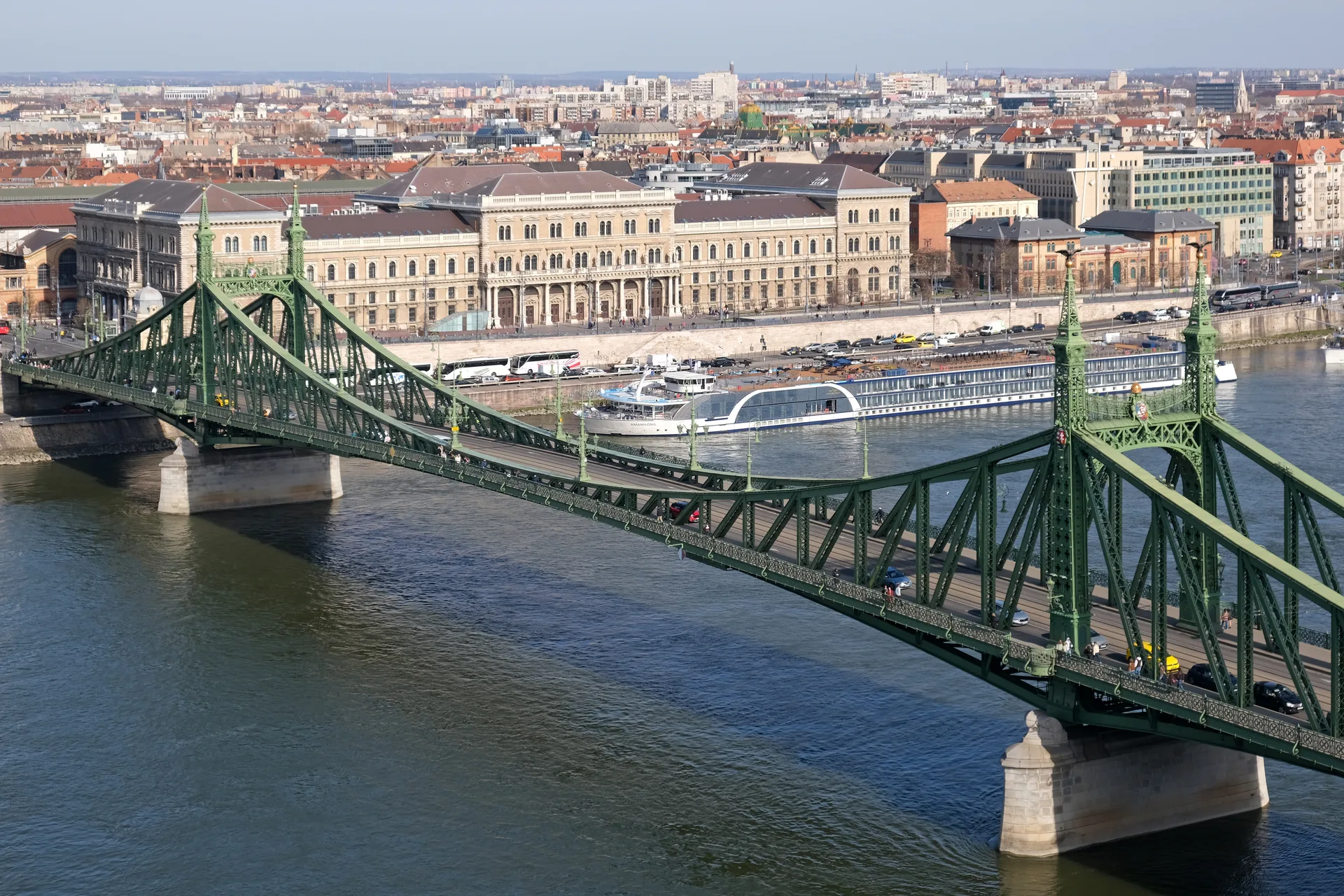
Liberty Bridge
Budapest's shortest and most ornately decorated Danube bridge, distinctive for its green cantilever ironwork and mythical turul-bird sculptures — and for locals sunbathing on it in summer.