
Best for
History and archaeology enthusiasts willing to travel slightly further
Time needed
1.5-2.5 hours including travel
Worth it?
Yes for Roman history fans — a genuine change of pace
Skip if
You're only doing a short Budapest trip focused on the historic centre
About Aquincum Museum
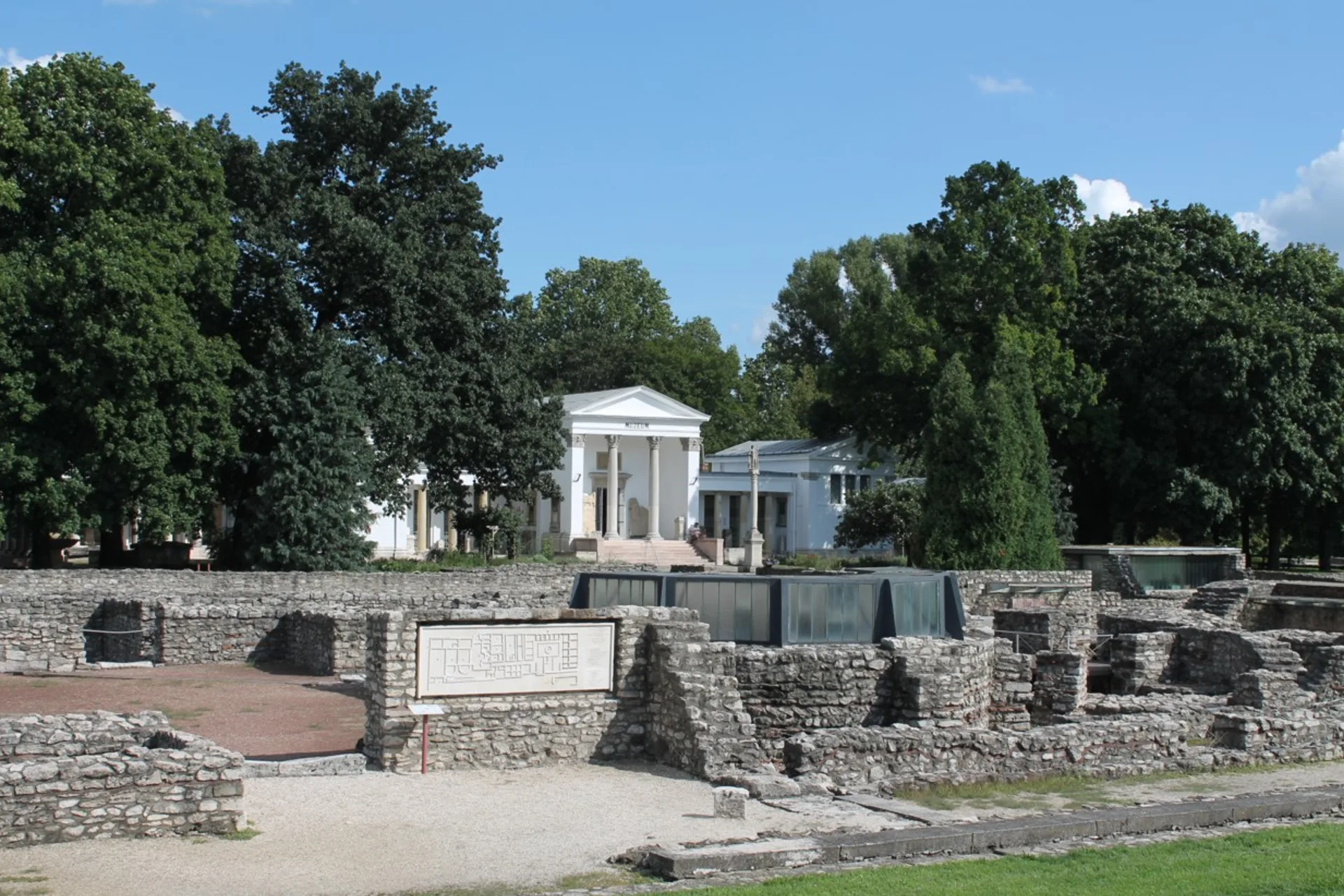
Aquincum was the capital of the Roman province of Pannonia Inferior, established as a legionary camp in the 1st century AD and growing into a full civilian town of an estimated 30,000-40,000 people at its peak, complete with an amphitheatre, baths, temples and a forum — Budapest's population wouldn't reach comparable levels again for well over a millennium after Rome's withdrawal in the 5th century.
What makes Aquincum unusual among Roman provincial sites is the survival of a genuinely rare artefact: fragments of a 3rd-century water-powered pipe organ (hydraulis), among the oldest and best-preserved examples of its kind found anywhere, complete with a dedicatory inscription naming the donor and date (228 AD) — a working reconstruction is occasionally demonstrated at the site.
Read the full storyShow less
The archaeological park lets visitors walk directly through excavated street grids, house foundations and public building remains, with several well-preserved mosaic floors protected under cover, while the adjoining museum building displays smaller finds — pottery, jewellery, inscriptions, coins and everyday objects — that give texture to what daily Roman provincial life actually looked like this far from Rome itself.
Because it sits well north of central Budapest in Óbuda, it requires a deliberate trip via the HÉV suburban rail line rather than being a casual add-on to a Castle Hill or Pest-side day — factor in the travel time, but note that Óbuda itself is a pleasant, historic district worth a wider look if you make the trip.
What to See: Highlights
- 1Excavated street grid and building foundations of Roman Aquincum
- 2Fragments of a rare 3rd-century water-powered pipe organ
- 3Well-preserved in-situ mosaic floors
- 4Museum displays of Roman pottery, coins and jewellery
- 5Once the capital of the province of Pannonia Inferior
- 6A genuine change of pace from Budapest's medieval and 19th-century sights
Skip the Queue — Book Tickets Online
Same admission, instant confirmation. Compare prices across platforms.
Affiliate disclosure — we may earn a commission at no extra cost to you.
Insider Tips
Take the HÉV suburban rail from Batthyány tér — it's a scenic, easy ride
Combine with a wider look at Óbuda, a historic district worth exploring beyond the ruins
Check if the reconstructed water organ demonstration is scheduled during your visit
Wear comfortable shoes — much of the site is outdoor and uneven underfoot
Visit in warmer months when the full outdoor archaeological park is open longer
Book a Guided Tour
Get the most from your visit with a local expert guide.
Affiliate disclosure — we may earn a commission at no extra cost to you.
Getting There
Szentendrei út 135, 1031 Budapest (Óbuda district)
Open in Google Maps →- 1HÉV suburban rail (H5 line) from Batthyány tér to Aquincum station, then a short walk. Not served directly by the metro.
Where to stay
Hotels in Budapest
Compare prices across hundreds of hotels near this attraction — from budget hostels to luxury stays. Free cancellation on most rooms.
Affiliate disclosure — we may earn a commission at no extra cost to you. Powered by Booking.com.
Frequently Asked Questions
Everything you need to know before you visit.
Is Aquincum Museum worth visiting?+−
How long does a visit to Aquincum Museum take?+−
Who is Aquincum Museum best for?+−
Do I need to book tickets in advance for Aquincum Museum?+−
Is Aquincum Museum included with the Budapest city pass?+−
Should You Visit?
Visit if...
- You're interested in Roman history and archaeology
- You want to see a genuinely different side of Budapest, outside the centre
- You have a spare half-day and enjoy a scenic train ride
- You want to explore Óbuda more broadly
Skip if...
- You're on a short trip focused purely on the historic centre
- Roman archaeology specifically isn't a strong interest
- You don't want to spend the extra travel time getting there
Ready to Book Your Visit?
More to See in Budapest
Hungarian National Museum
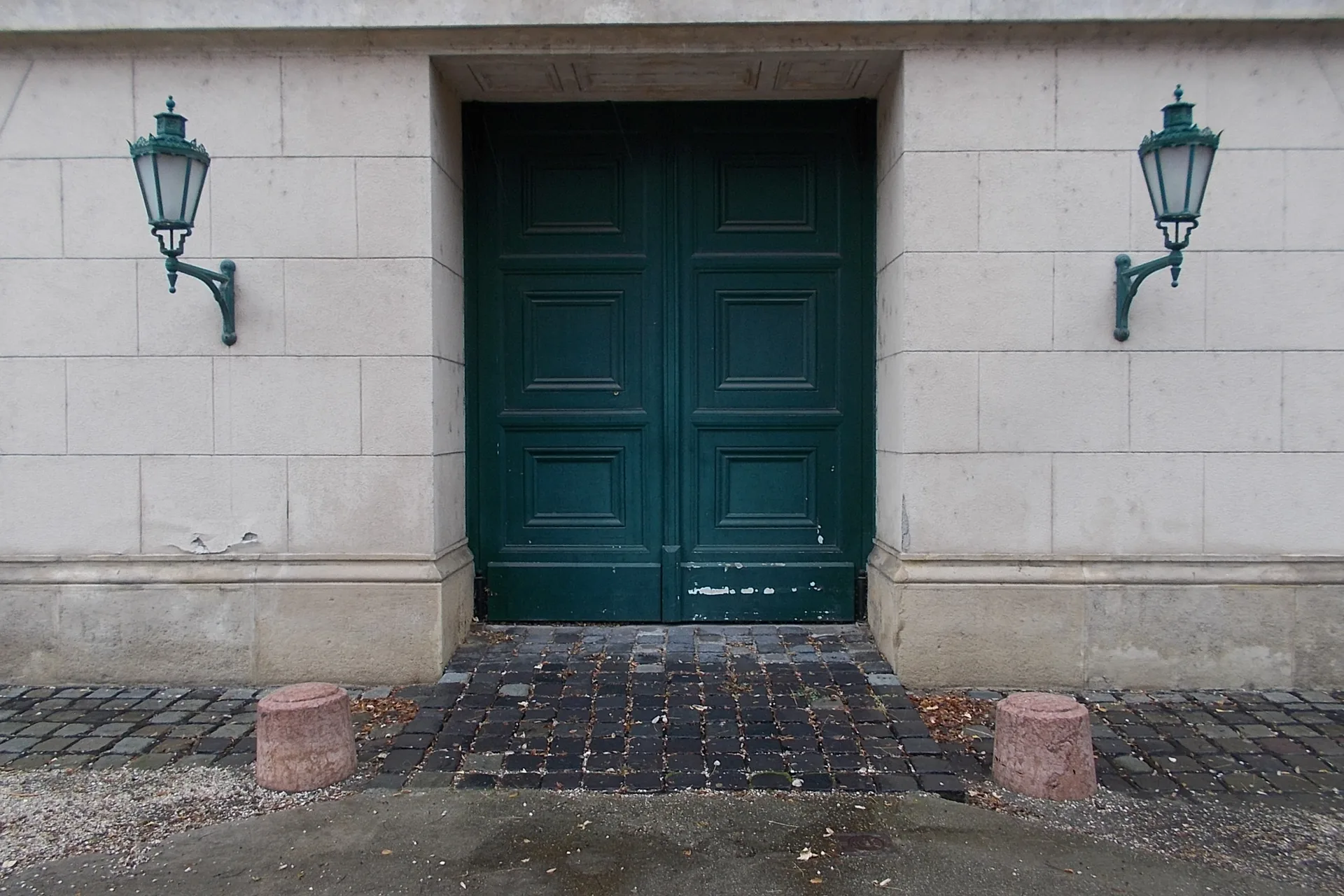
Hungary's oldest and largest museum, founded in 1802 — the place where the country's 1848 revolution symbolically began, telling the nation's story from prehistory to the fall of communism.
Margaret Island
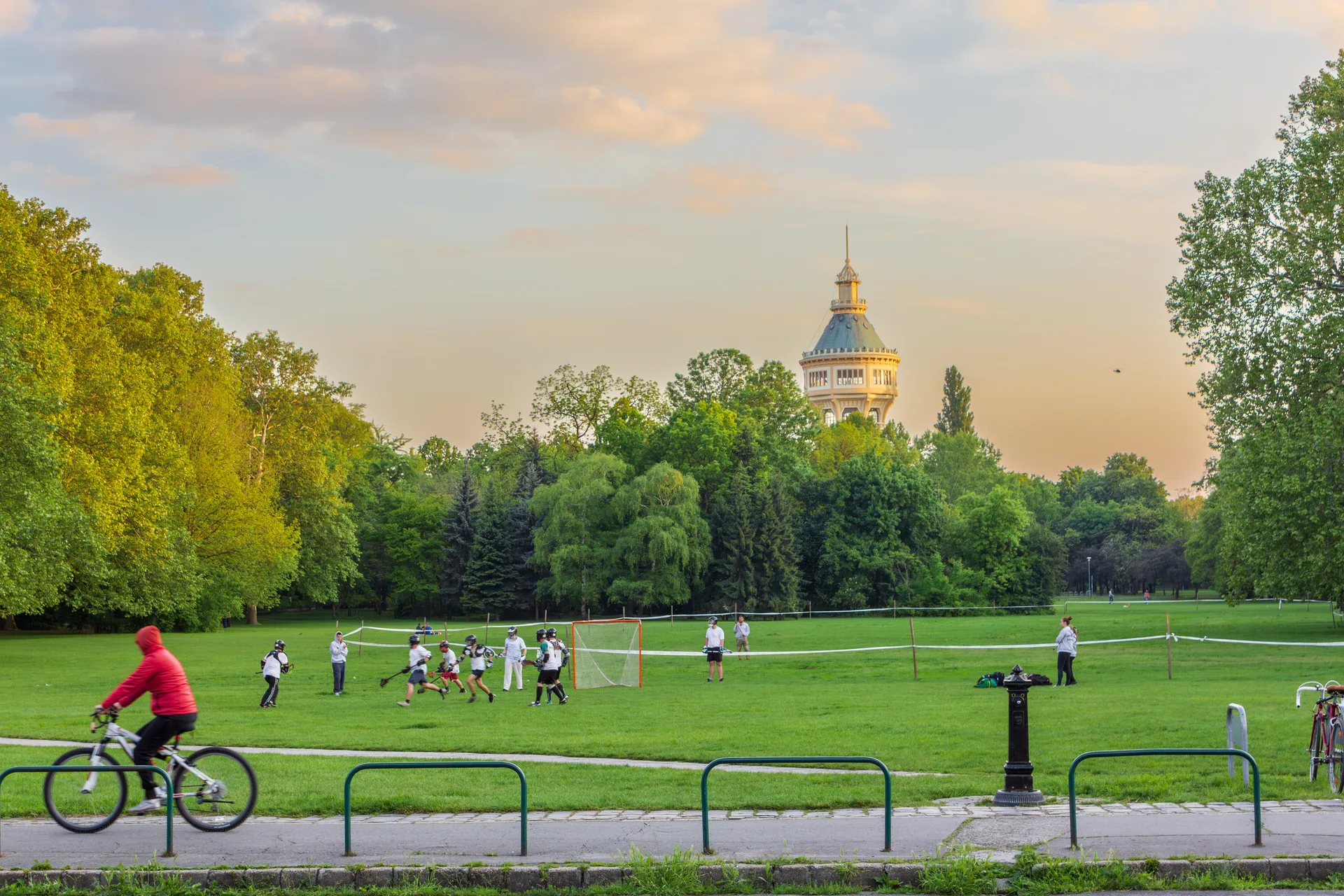
A car-free 2.5km island park in the middle of the Danube — thermal pools, rose gardens, a musical fountain, medieval ruins and a running track, all reachable on foot from either bank.
Children's Railway
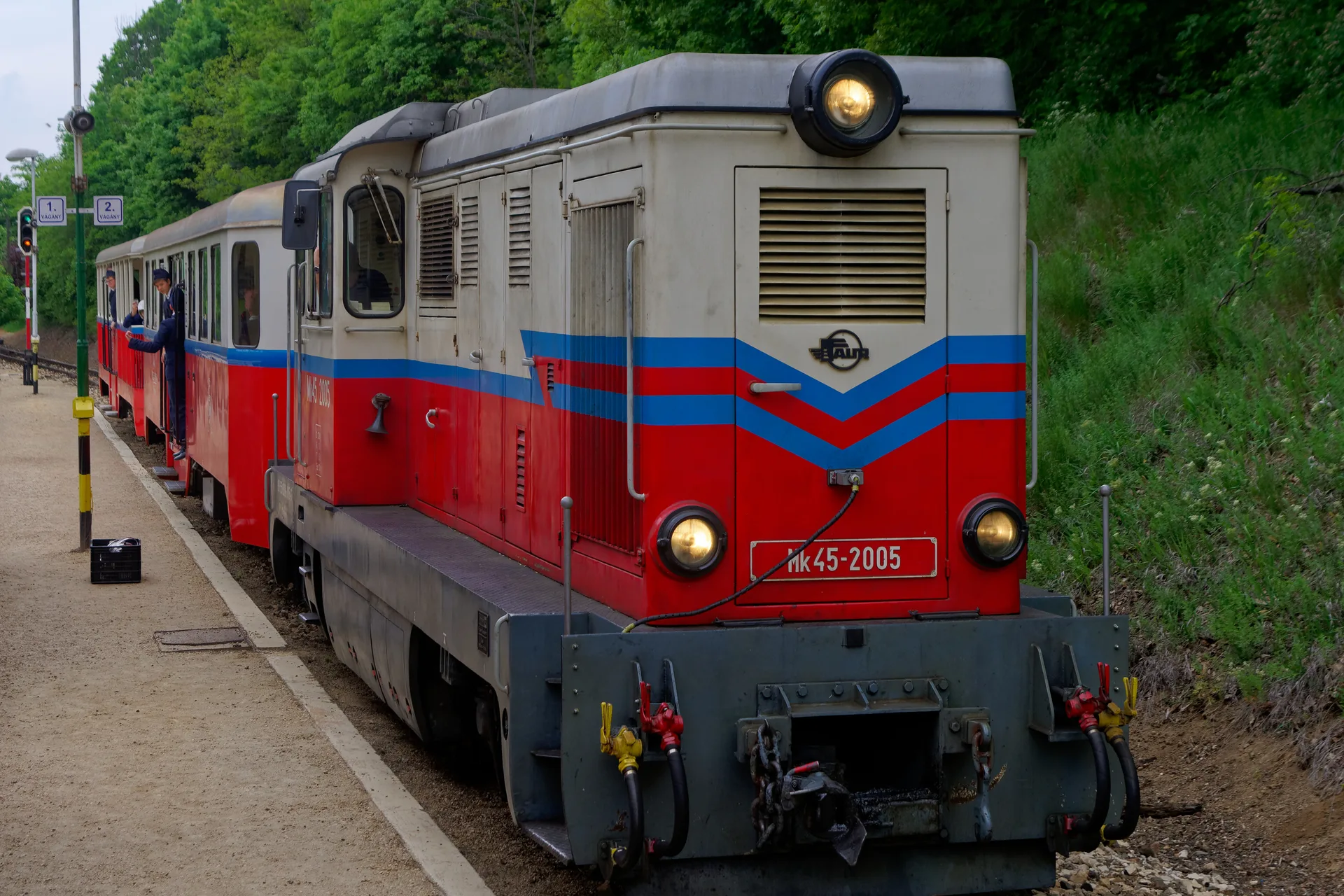
A narrow-gauge railway through the Buda Hills operated almost entirely by children aged 10-14 — only the locomotive driver is an adult — running since the communist era and still going strong.