
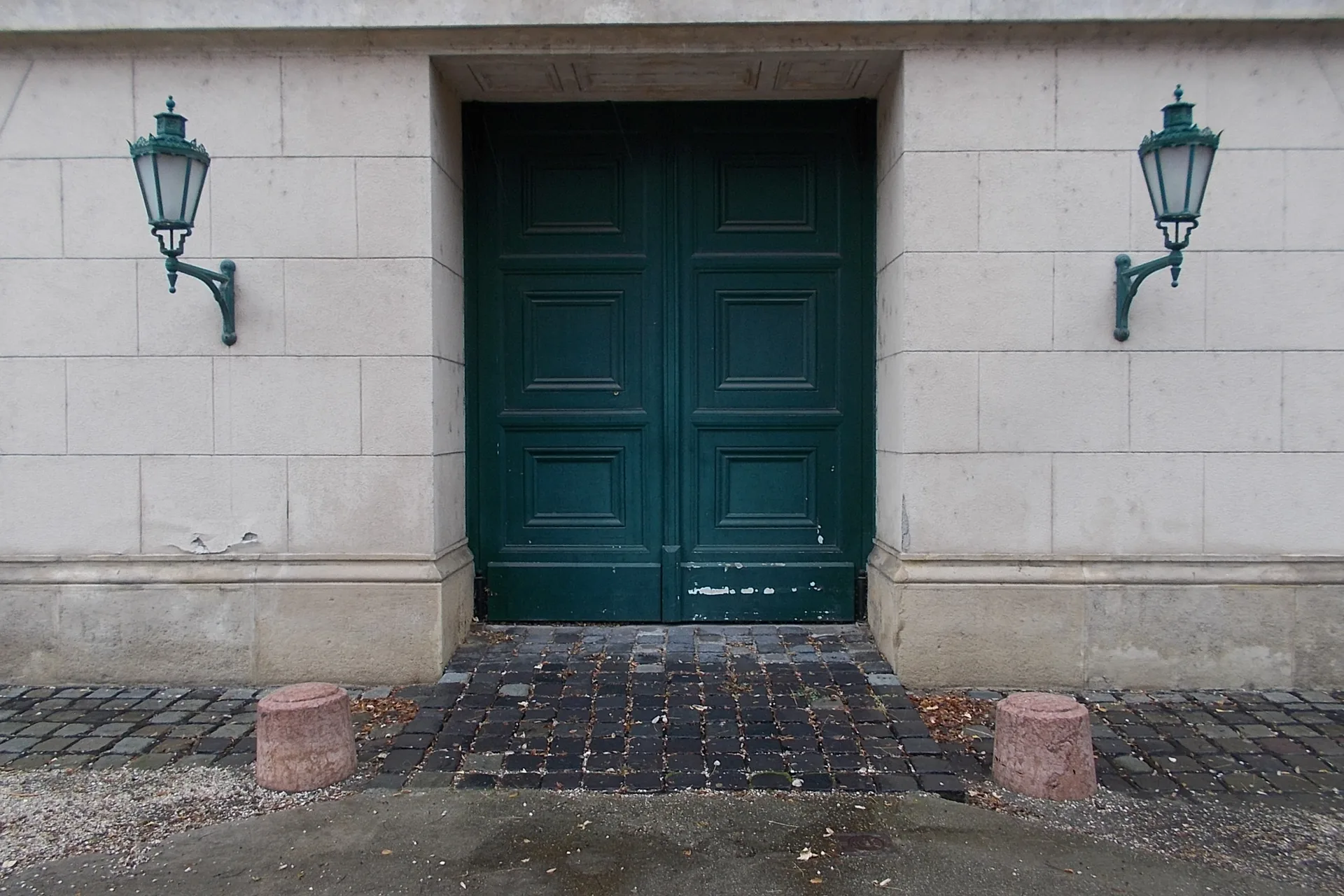
Best for
History enthusiasts, anyone wanting deep context on Hungary's national story
Time needed
1.5-2.5 hours
Worth it?
Yes for history fans — a strong but less visually immediate museum than the Fine Arts collection
Skip if
You want a fast-paced, highly visual museum experience
About Hungarian National Museum
The Hungarian National Museum was founded in 1802 after Count Ferenc Széchényi (father of the bridge-builder István Széchenyi) donated his private library and collections to the nation, and it has functioned ever since as Hungary's central repository of its own history. The Neoclassical building that houses it, completed in 1847, has its own claim to historical fame: its front steps are where poet Sándor Petőfi supposedly first recited his poem "Nemzeti dal" (National Song) on 15 March 1848, the spark point of the Hungarian Revolution against Habsburg rule — a date still marked every year as a national holiday, with ceremonies held on the same steps.
The permanent collection moves chronologically through Hungarian history from prehistoric archaeology and Roman-era Pannonia, through the Magyar conquest, medieval kingdom, Ottoman occupation and Habsburg rule, up through the 1848 revolution, both World Wars, and the communist era to 1989. Highlights include the Coronation Mantle (a Byzantine-influenced textile from 1031, among the oldest surviving objects of its kind in Europe) and an extensive Roman lapidarium of inscribed stones and sarcophagi in the basement.
Read the full storyShow less
Because the museum tells a genuinely long, dense national story, it rewards visitors with at least some prior interest in Hungarian history — it's less immediately visual than, say, the Museum of Fine Arts, and more text- and artefact-heavy. That said, the building itself, with its grand entrance hall and garden, is worth the visit independent of the exhibits.
Entry is free for under-26s on the third Saturday of each month, a detail worth knowing if your visit dates are flexible.
What to See: Highlights
- 1The Coronation Mantle, a Byzantine-style textile from 1031
- 2The steps where the 1848 Hungarian Revolution symbolically began
- 3Roman lapidarium of inscribed stones and sarcophagi
- 4A full chronological sweep of Hungarian history to 1989
- 5Grand Neoclassical building and gardens
- 6Free entry for under-26s on the third Saturday monthly
Skip the Queue — Book Tickets Online
Same admission, instant confirmation. Compare prices across platforms.
Affiliate disclosure — we may earn a commission at no extra cost to you.
Insider Tips
Budget more time than you'd expect — the collection is dense and text-heavy
Check the free-entry third-Saturday policy if your dates are flexible
Combine with a walk to the nearby Great Market Hall, a short walk south
The building's front steps are a genuine historic site — read the plaque before heading inside
An audio guide helps if your Hungarian history knowledge is limited going in
Book a Guided Tour
Get the most from your visit with a local expert guide.
Affiliate disclosure — we may earn a commission at no extra cost to you.
Getting There
Múzeum körút 14-16, 1088 Budapest
Open in Google Maps →- 1Metro M3 (blue line) to Kálvin tér, then a 5-minute walk. Several tram and bus lines also stop nearby.
Where to stay
Hotels in Budapest
Compare prices across hundreds of hotels near this attraction — from budget hostels to luxury stays. Free cancellation on most rooms.
Affiliate disclosure — we may earn a commission at no extra cost to you. Powered by Booking.com.
Frequently Asked Questions
Everything you need to know before you visit.
Is Hungarian National Museum worth visiting?+−
How long does a visit to Hungarian National Museum take?+−
Who is Hungarian National Museum best for?+−
Do I need to book tickets in advance for Hungarian National Museum?+−
Is Hungarian National Museum included with the Budapest city pass?+−
Should You Visit?
Visit if...
- You want deep context on Hungary's national history
- You're interested in the 1848 Revolution and its symbolism
- You appreciate grand 19th-century museum architecture
- You have a couple of free hours away from the main tourist circuit
Skip if...
- You prefer highly visual museums over text-and-artefact-dense ones
- You're short on time and have the Castle District or Parliament left to see
- You have zero background interest in Hungarian history specifically
Ready to Book Your Visit?
More to See in Budapest
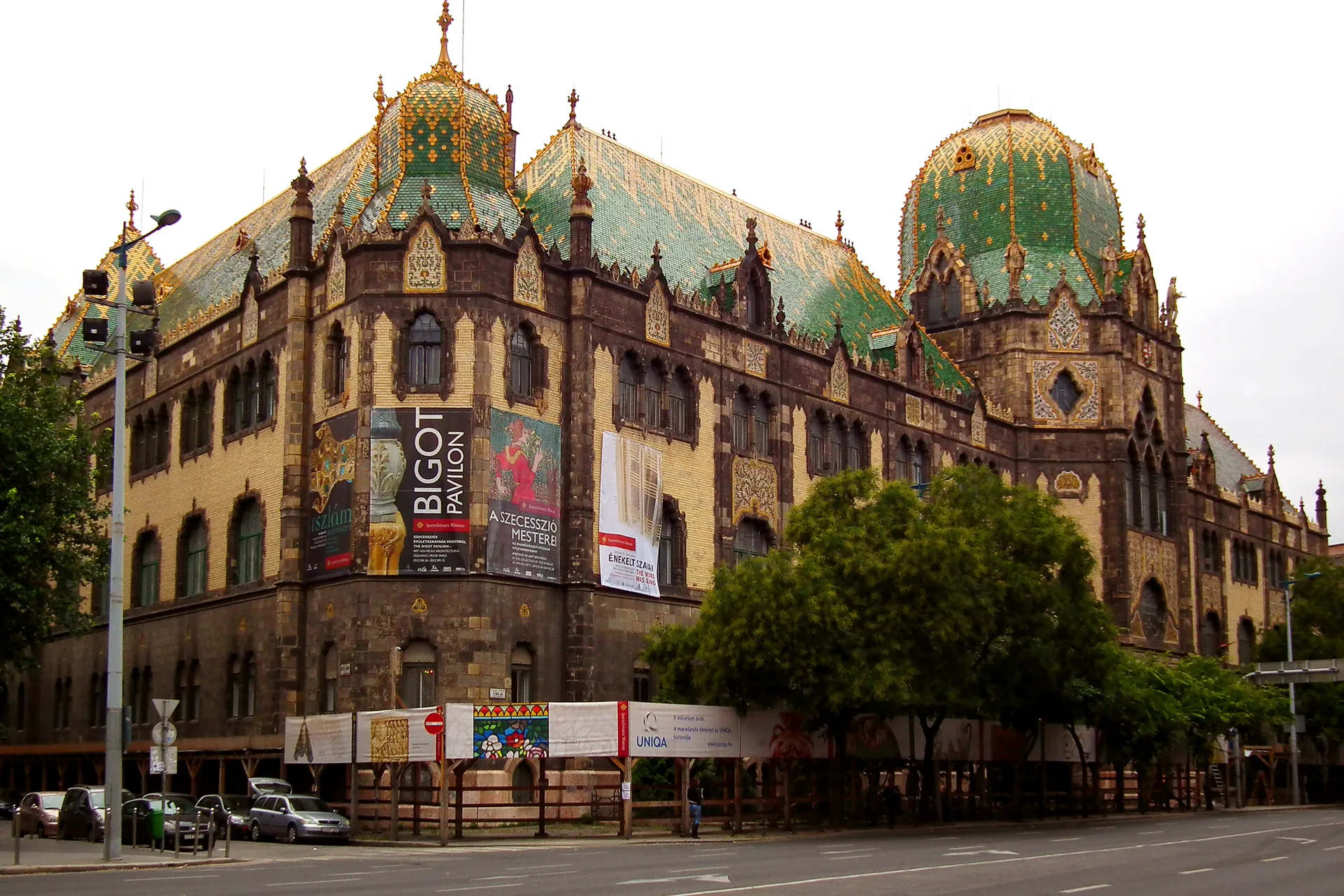
Museum of Applied Arts
Ödön Lechner's Hungarian Art Nouveau masterpiece, wrapped in Zsolnay ceramic tiles — currently closed for a long-overdue structural restoration, with highlights on temporary display elsewhere.
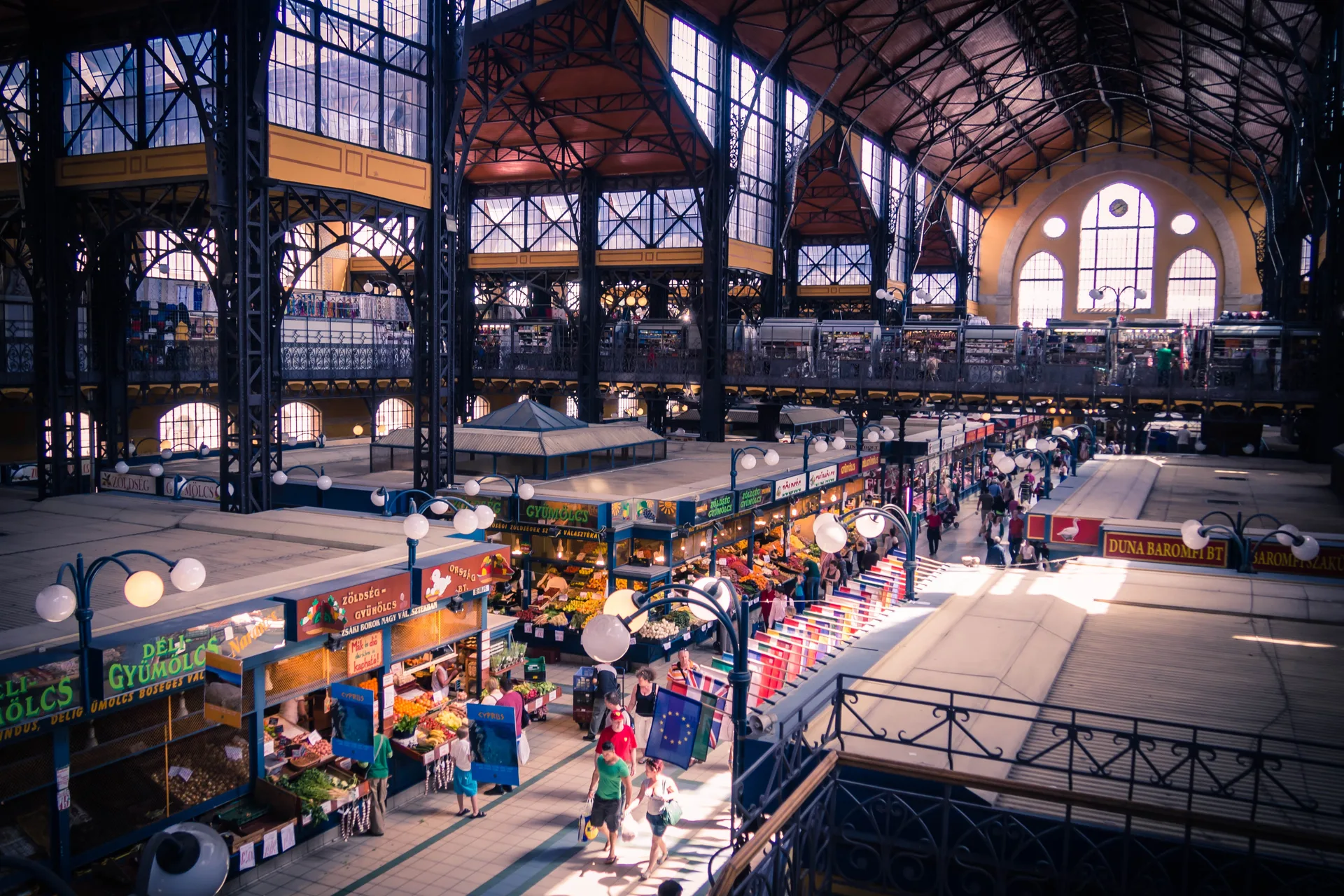
Central Market Hall
Budapest's largest and oldest indoor market — a soaring 1897 iron-and-glass hall of paprika stalls, butchers, produce and a food court, right at the foot of Liberty Bridge.
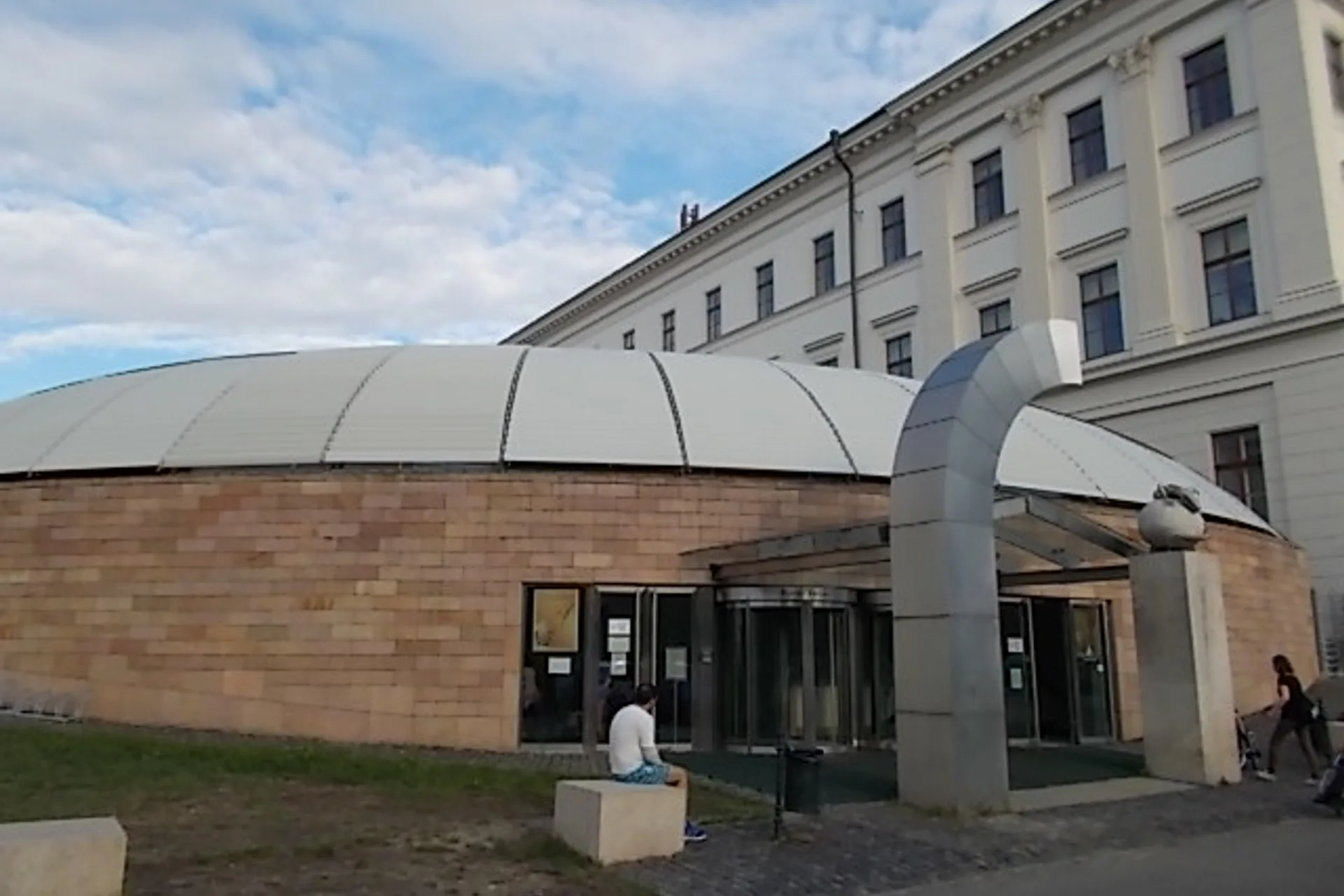
Hungarian Natural History Museum
A family-friendly natural history museum south of the centre — dinosaur skeletons, a whale skeleton, an earthquake simulator and a strong Carpathian Basin geology and wildlife collection.