
Best for
Art Nouveau architecture fans — for future trip planning
Time needed
Varies — main building not currently visitable
Worth it?
Worth knowing about, not currently visitable in full — check status before your trip
Skip if
You're visiting before a confirmed reopening — the main building is closed
About Museum of Applied Arts
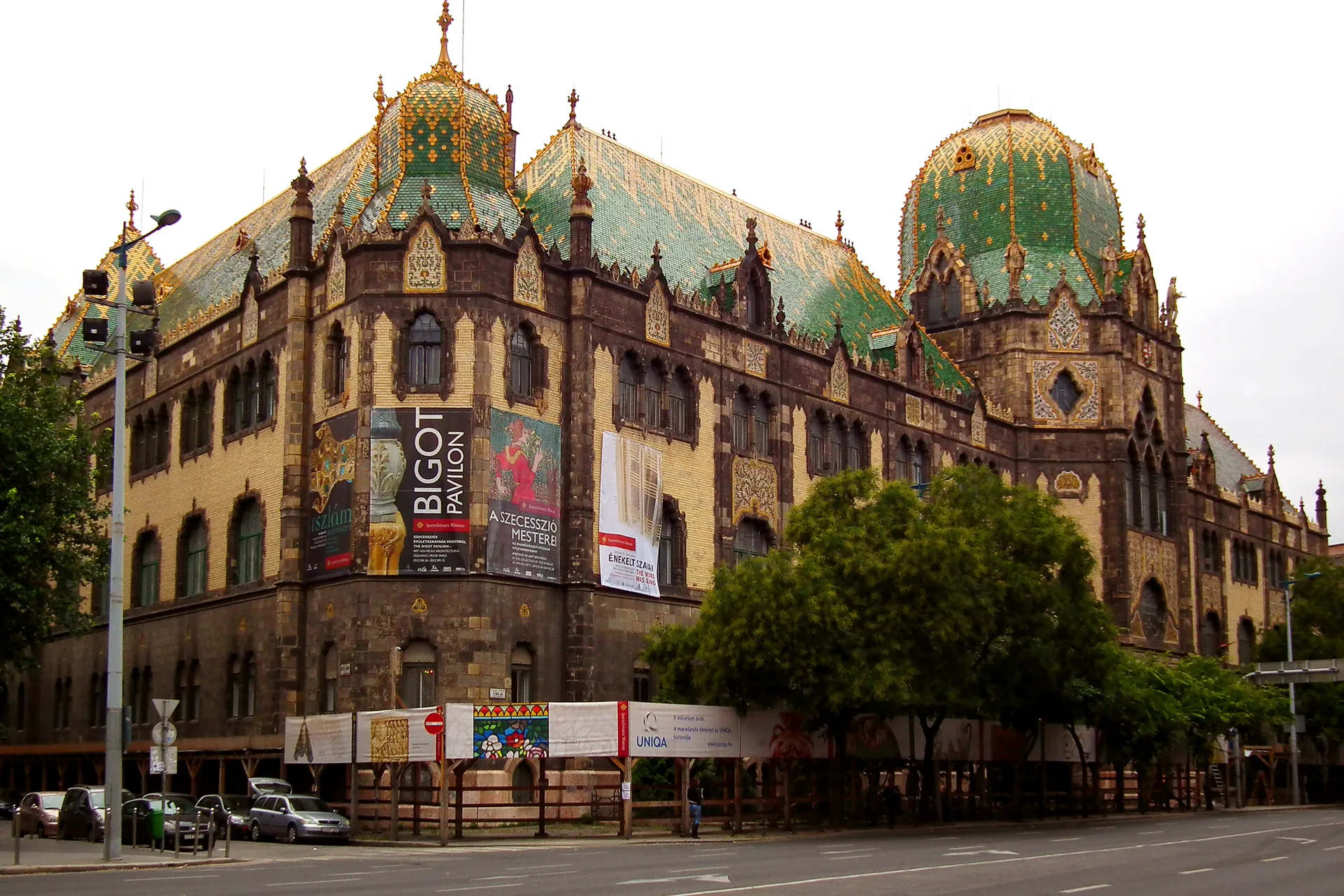
The Museum of Applied Arts (Iparművészeti Múzeum) was founded in 1872 and moved in 1896 into an extraordinary purpose-built home designed by Ödön Lechner, an architect sometimes called "the Hungarian Gaudí" for his effort to build a distinctly national architectural style out of folk-art motifs and Zsolnay's famous eozin-glazed ceramic tiles. The result — green-and-gold roof tiles, Indian and Islamic-influenced ornamental details, a vast white interior glass-roofed hall — is one of the most original buildings of the European Art Nouveau movement, and arguably Budapest's single most distinctive piece of architecture after Parliament.
The collection itself spans furniture, textiles, ceramics, glass, metalwork and jewellery from Hungary and internationally, including significant Zsolnay porcelain (fittingly, given the building's own decoration) and an important Ottoman-Hungarian carpet collection.
Read the full storyShow less
The building's structural condition has deteriorated significantly since the 2000s, and the main building has been closed for restoration since 2017 with no confirmed reopening date as of this writing — the Zsolnay Porcelain Manufactory itself has publicly called for urgent government action to save the historic structure. In the meantime, around 600 of the museum's Art Nouveau highlights are on permanent display at the Ráth György Villa, a separate historic building elsewhere in the city, giving visitors a partial substitute while the main building is inaccessible.
Given the closure, this entry is included as a genuinely important Budapest landmark worth knowing about for future trips — check the museum's official site for restoration progress before planning around it.
What to See: Highlights
- 1Ödön Lechner's Hungarian Art Nouveau masterpiece exterior
- 2Zsolnay eozin-glazed ceramic roof tiles
- 3Furniture, textiles, ceramics and Ottoman-Hungarian carpet collections
- 4Around 600 highlights on temporary display at the Ráth György Villa
- 5One of Budapest's most architecturally original buildings
- 6Main building closed since 2017 pending restoration
Skip the Queue — Book Tickets Online
Same admission, instant confirmation. Compare prices across platforms.
Affiliate disclosure — we may earn a commission at no extra cost to you.
Insider Tips
Do not plan around visiting the main building — it has been closed since 2017 with no set reopening date
Check imm.hu for the current status of the Ráth György Villa highlights display before going
The exterior of the main building can still be viewed and photographed from Üllői út
Follow restoration news if you're planning a return trip to Budapest
Prioritise other museums for this trip and treat this as a note for a future visit
Book a Guided Tour
Get the most from your visit with a local expert guide.
Affiliate disclosure — we may earn a commission at no extra cost to you.
Getting There
Üllői út 33-37, 1091 Budapest (main building, closed); Ráth György Villa: Városligeti fasor 12, 1068 Budapest (temporary highlights display)
Open in Google Maps →- 1Metro M3 to Corvin-negyed for the main (closed) building; check current transit access for the Ráth György Villa before visiting.
Where to stay
Hotels in Budapest
Compare prices across hundreds of hotels near this attraction — from budget hostels to luxury stays. Free cancellation on most rooms.
Affiliate disclosure — we may earn a commission at no extra cost to you. Powered by Booking.com.
Frequently Asked Questions
Everything you need to know before you visit.
Is Museum of Applied Arts worth visiting?+−
How long does a visit to Museum of Applied Arts take?+−
Who is Museum of Applied Arts best for?+−
Do I need to book tickets in advance for Museum of Applied Arts?+−
Is Museum of Applied Arts included with the Budapest city pass?+−
Should You Visit?
Visit if...
- You want to view Lechner's exterior architecture from the street
- You're specifically tracking the museum's restoration progress for a future trip
- The Ráth György Villa's temporary highlights display is open during your visit — verify first
- You have a strong interest in Hungarian Art Nouveau design
Skip if...
- You expect a full museum visit — the main building remains closed
- You haven't verified the Ráth György Villa's current opening status
- This isn't a repeat visit and you have other priorities in Budapest
Ready to Book Your Visit?
More to See in Budapest
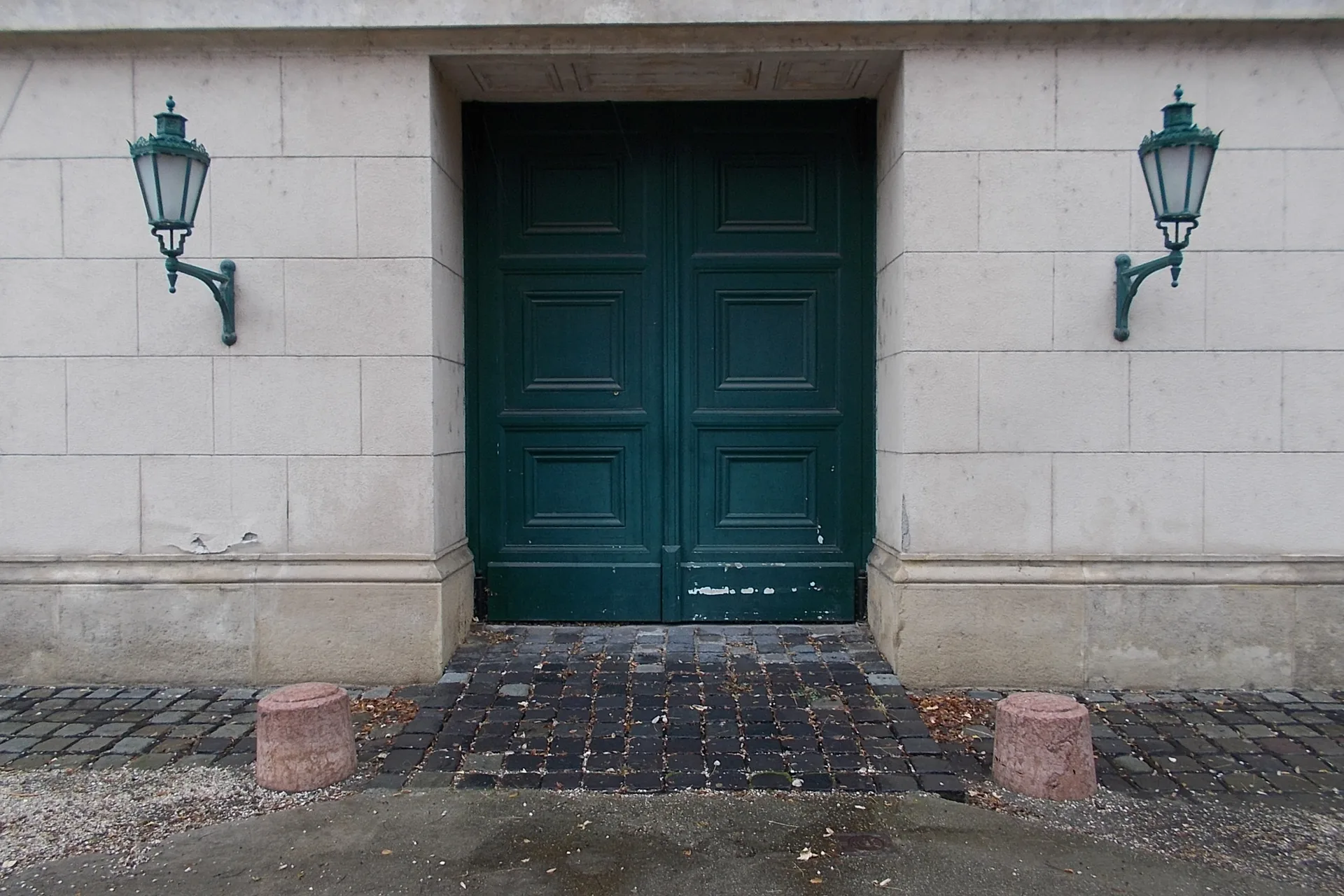
Hungarian National Museum
Hungary's oldest and largest museum, founded in 1802 — the place where the country's 1848 revolution symbolically began, telling the nation's story from prehistory to the fall of communism.
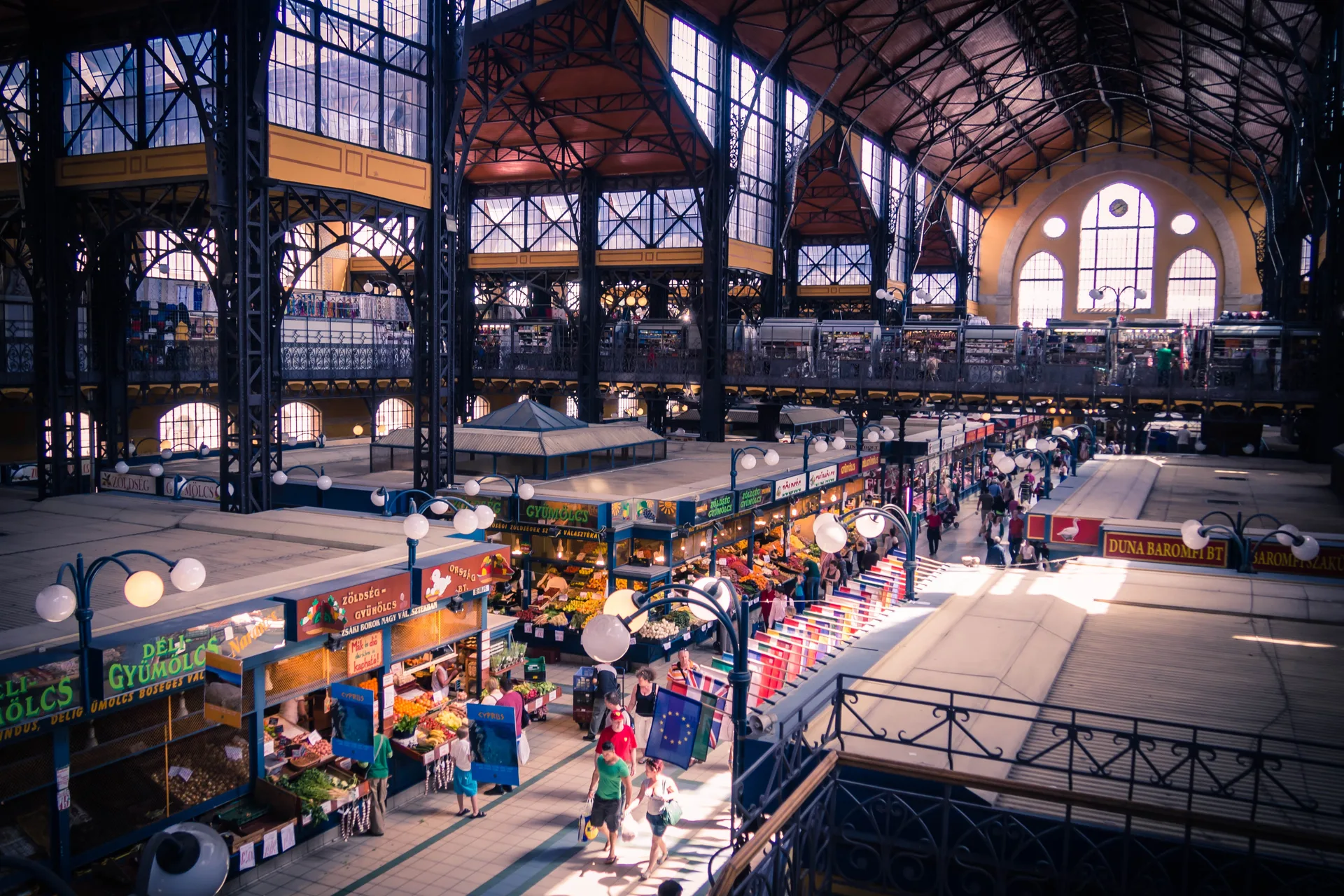
Central Market Hall
Budapest's largest and oldest indoor market — a soaring 1897 iron-and-glass hall of paprika stalls, butchers, produce and a food court, right at the foot of Liberty Bridge.
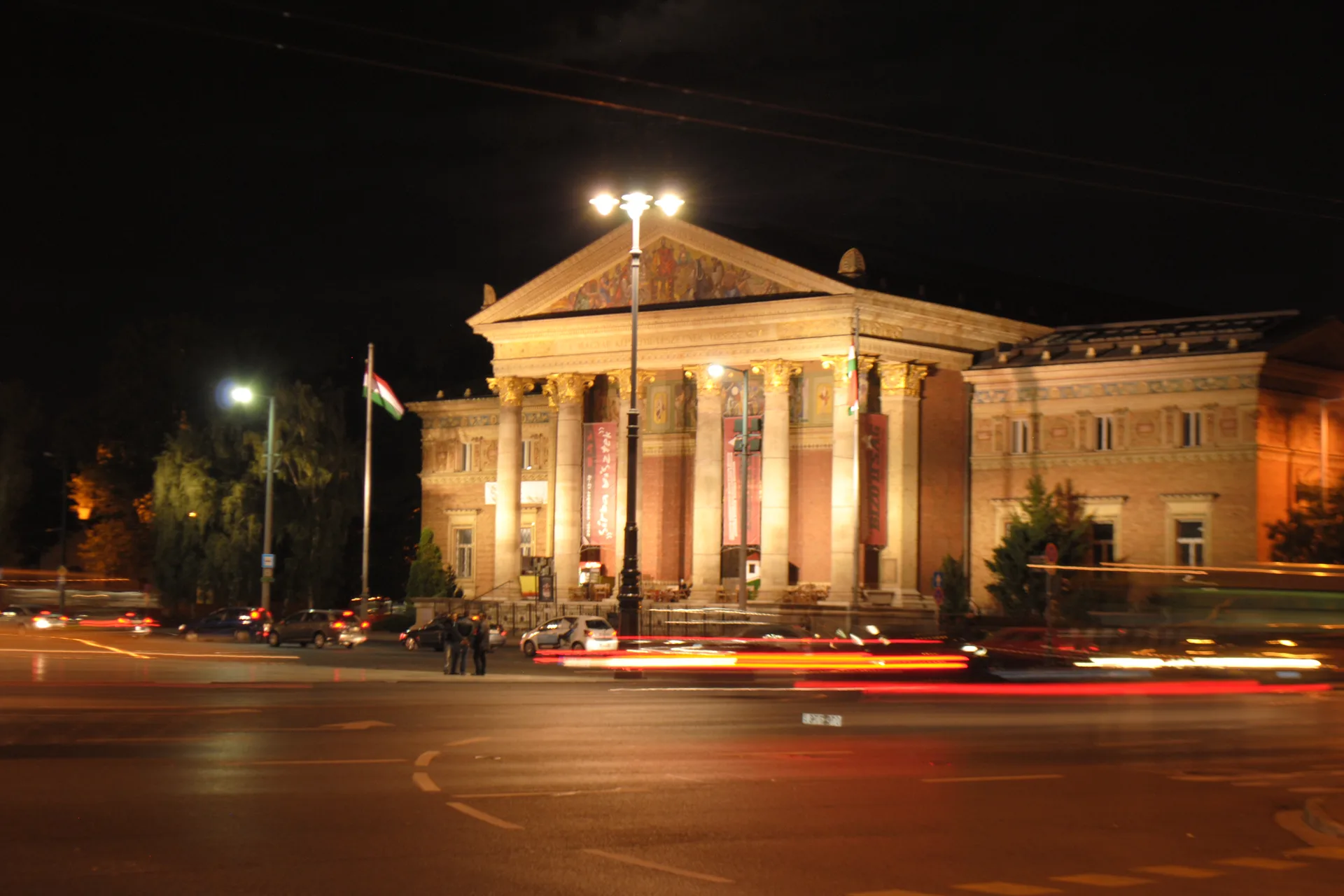
Kunsthalle Budapest (Műcsarnok)
A grand Neoclassical exhibition hall on Heroes' Square with no permanent collection — purely rotating contemporary Hungarian and international art, painting to multimedia installations.