
Best for
A relaxed, free stop between the Colosseum area and Aventine Hill
Time needed
20–40 minutes
Worth it?
Yes, with realistic expectations about how little survives visibly
Skip if
You need dramatic standing ruins — this site is almost entirely about imagination
About Circus Maximus
The Circus Maximus dates back in some form to the earliest days of Rome, but reached its most developed form under Emperor Trajan in the early 2nd century AD, when it could seat an estimated 150,000 to 250,000 spectators — making it, by a wide margin, the largest entertainment structure ever built in human history, dwarfing even the Colosseum in raw capacity.
Chariot racing was the sport here, organised around four professional racing factions (Blues, Greens, Reds and Whites) that inspired a fandom every bit as fierce and occasionally violent as modern football rivalries — riots between supporters were a recurring problem for Roman authorities for centuries. Races ran seven laps around a long central spine (the spina), decorated with obelisks, statues and lap-counting devices, at speeds that made chariot racing genuinely dangerous for drivers, many of whom died young.
Read the full storyShow less
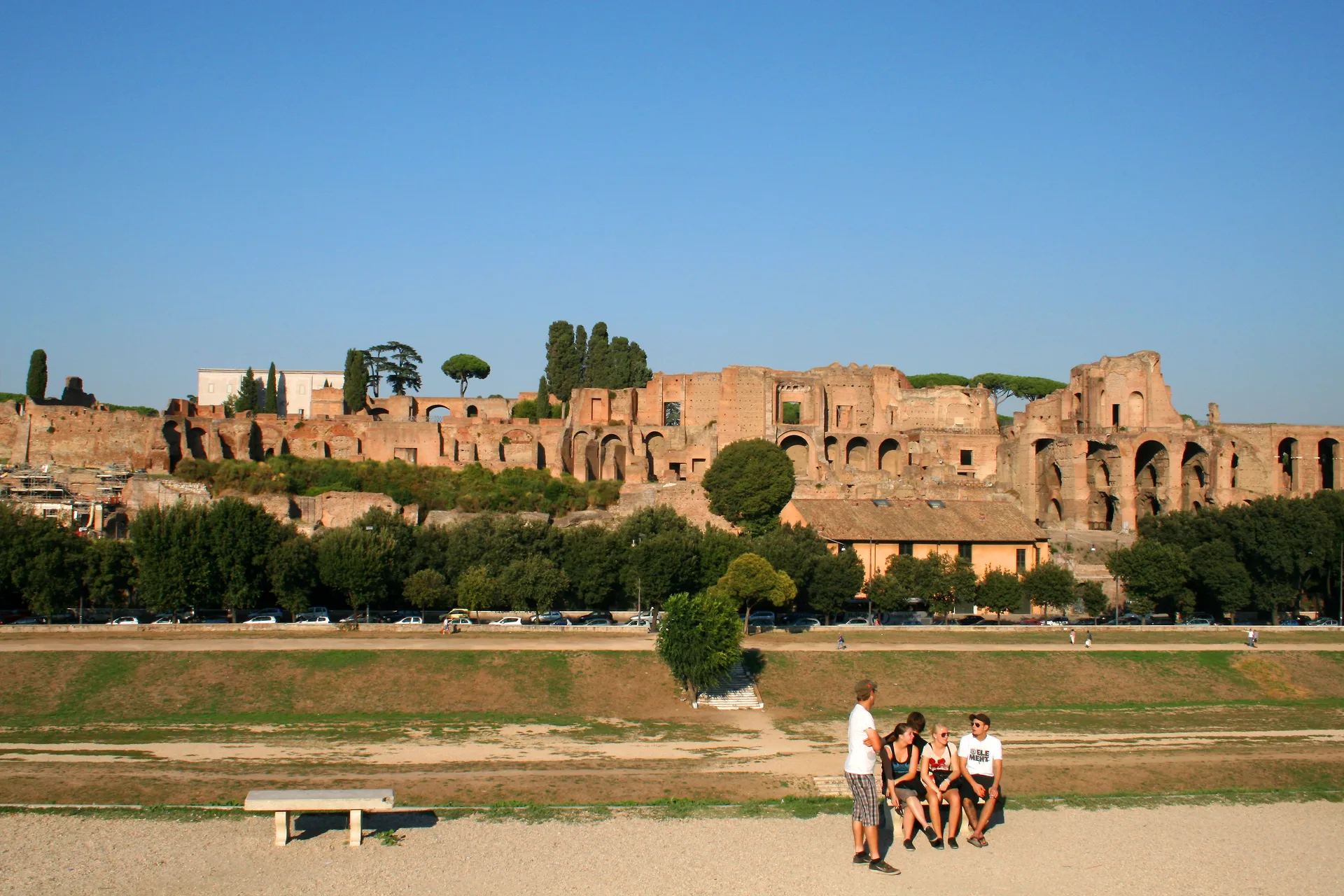
Unlike the Colosseum, almost nothing of the original stone superstructure survives above ground — centuries of flooding, quarrying and urban development stripped it down to essentially a long grassy depression that still, unmistakably, holds the shape of the ancient racetrack. What you're looking at, walking the site today, is topography rather than architecture: the outline is all archaeology, the substance is imagination.
That makes it one of Rome's most genuinely relaxing major sites — free, open-air, unticketed, and popular with joggers, picnickers and locals walking dogs as much as with tourists, offering a rare chance to occupy an ancient Roman site the way contemporary Romans actually use it, rather than filing through on a paid, roped-off route.
What to See: Highlights
- 1The largest entertainment structure ever built in antiquity, seating up to 250,000
- 2The outline of the ancient chariot-racing track, still clearly visible in the landscape
- 3Free, open, unticketed public parkland
- 4Views up to the Palatine Hill's imperial palace ruins
- 5A popular local spot for jogging, picnics and evening walks
Skip the Queue — Book Tickets Online
Same admission, instant confirmation. Compare prices across platforms.
Affiliate disclosure — we may earn a commission at no extra cost to you.
Insider Tips
Manage expectations — there's little standing structure, mostly an open grassy outline
Combine with a walk up to the Palatine Hill or over to the Aventine Keyhole and Orange Garden
Good for an evening stroll or picnic, not just a daytime photo stop
The optional VR/AR experience can help visualise the original stadium if you want more context
Free and unticketed — a relaxed contrast to the Colosseum's booking pressure
Book a Guided Tour
Get the most from your visit with a local expert guide.
Affiliate disclosure — we may earn a commission at no extra cost to you.
Getting There
Via del Circo Massimo, 00186 Roma RM
Open in Google Maps →- 1Metro B to Circo Massimo, right beside the site. A 10-minute walk from the Colosseum.
Where to stay
Hotels in Rome
Compare prices across hundreds of hotels near this attraction — from budget hostels to luxury stays. Free cancellation on most rooms.
Affiliate disclosure — we may earn a commission at no extra cost to you. Powered by Booking.com.
Frequently Asked Questions
Everything you need to know before you visit.
Is Circus Maximus worth visiting?+−
How long does a visit to Circus Maximus take?+−
Who is Circus Maximus best for?+−
Do I need to book anything in advance to visit Circus Maximus?+−
Is Circus Maximus included with the Rome city pass?+−
Should You Visit?
Visit if...
- You're walking between the Colosseum area and the Aventine Hill
- You want a free, relaxed outdoor stop with genuine ancient history
- You enjoy imagining scale — this was the largest entertainment venue ever built
- You want to see how modern Romans actually use an ancient site
Skip if...
- You want dramatic standing ruins rather than an open grass outline
- You're extremely pressed for time and must prioritise ticketed sights
- You've already seen enough ancient Roman sites for one day
Ready to Book Your Visit?
More to See in Rome
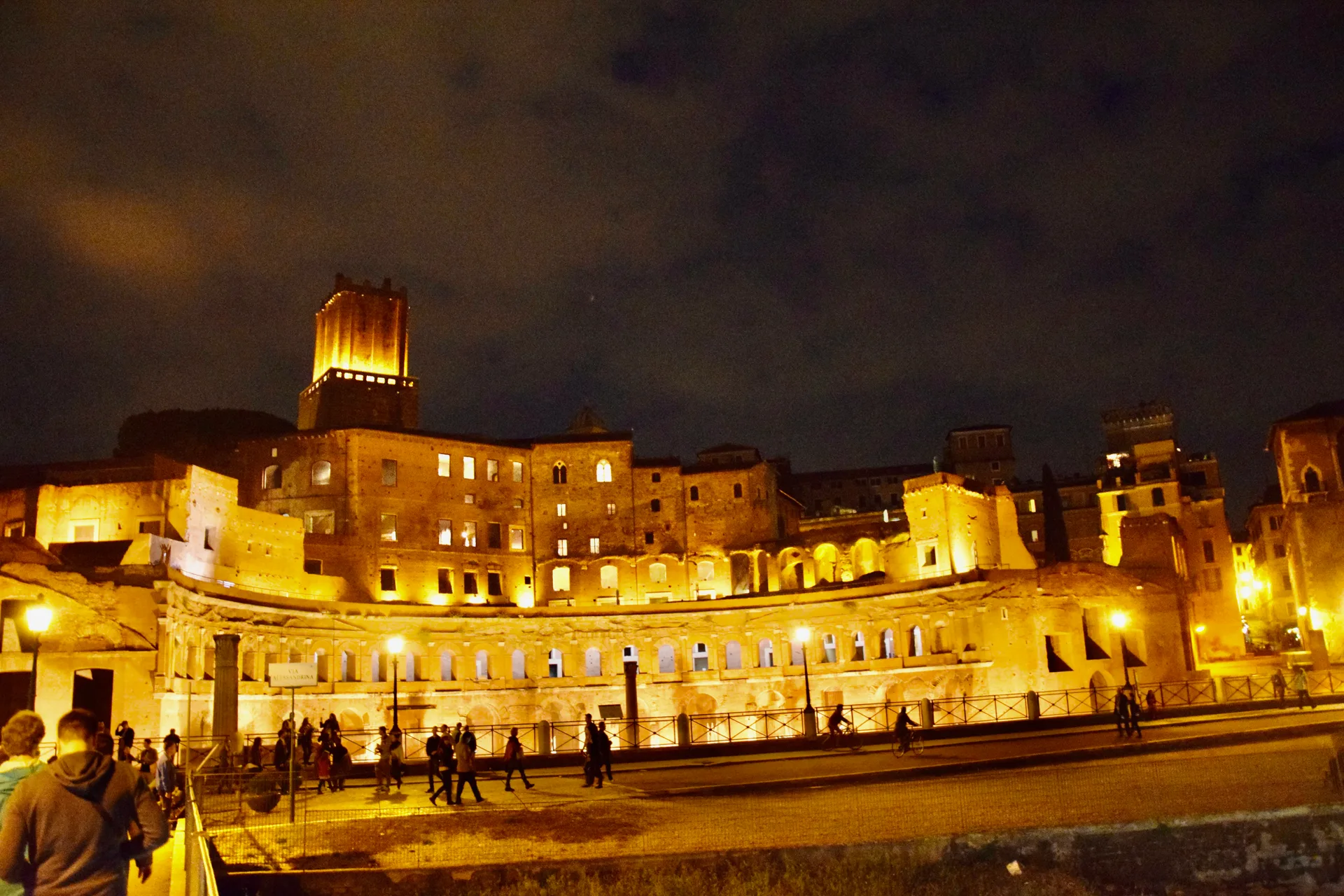
Roman Forum & Palatine Hill
The political, religious and commercial heart of ancient Rome for over a thousand years, plus the hill above it where emperors actually lived — vast, fragmentary, and best appreciated with at least some context going in.
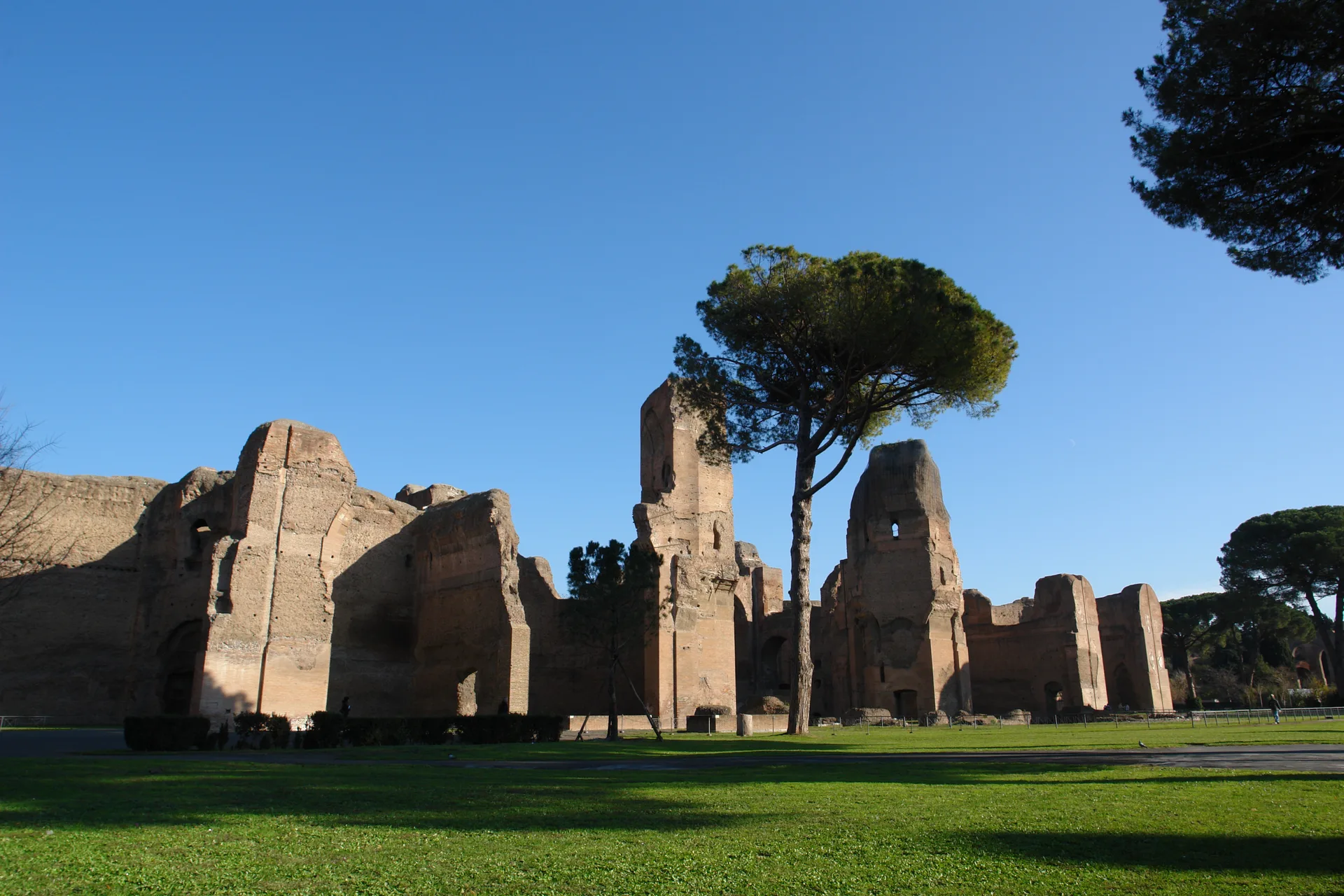
Baths of Caracalla
The best-preserved of ancient Rome's giant public bath complexes — soaring brick ruins that once held a library, gymnasiums and pools for up to 8,000 daily bathers, still used today as an opera stage in summer.
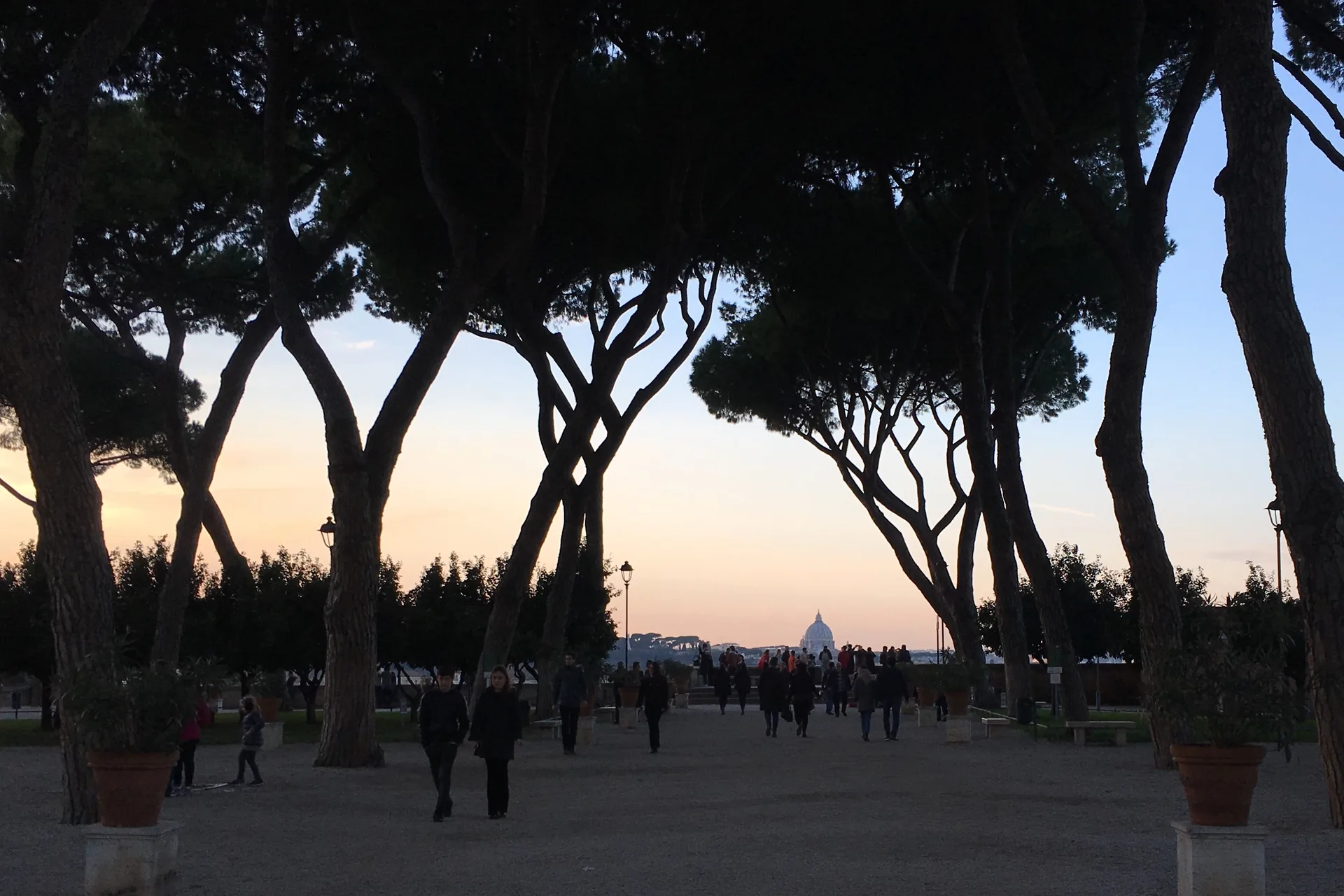
Aventine Keyhole & Orange Garden
A tiny, world-famous keyhole framing a perfectly centred view of St. Peter's dome through a garden hedge, paired with one of Rome's best free sunset viewpoints just a few steps away.