
Best for
Ancient Roman engineering fans, opera lovers visiting in summer
Time needed
1.5–2 hours
Worth it?
Yes — genuinely underrated relative to its historical importance
Skip if
You've already visited comparable large-scale ancient ruins and want variety instead
About Baths of Caracalla
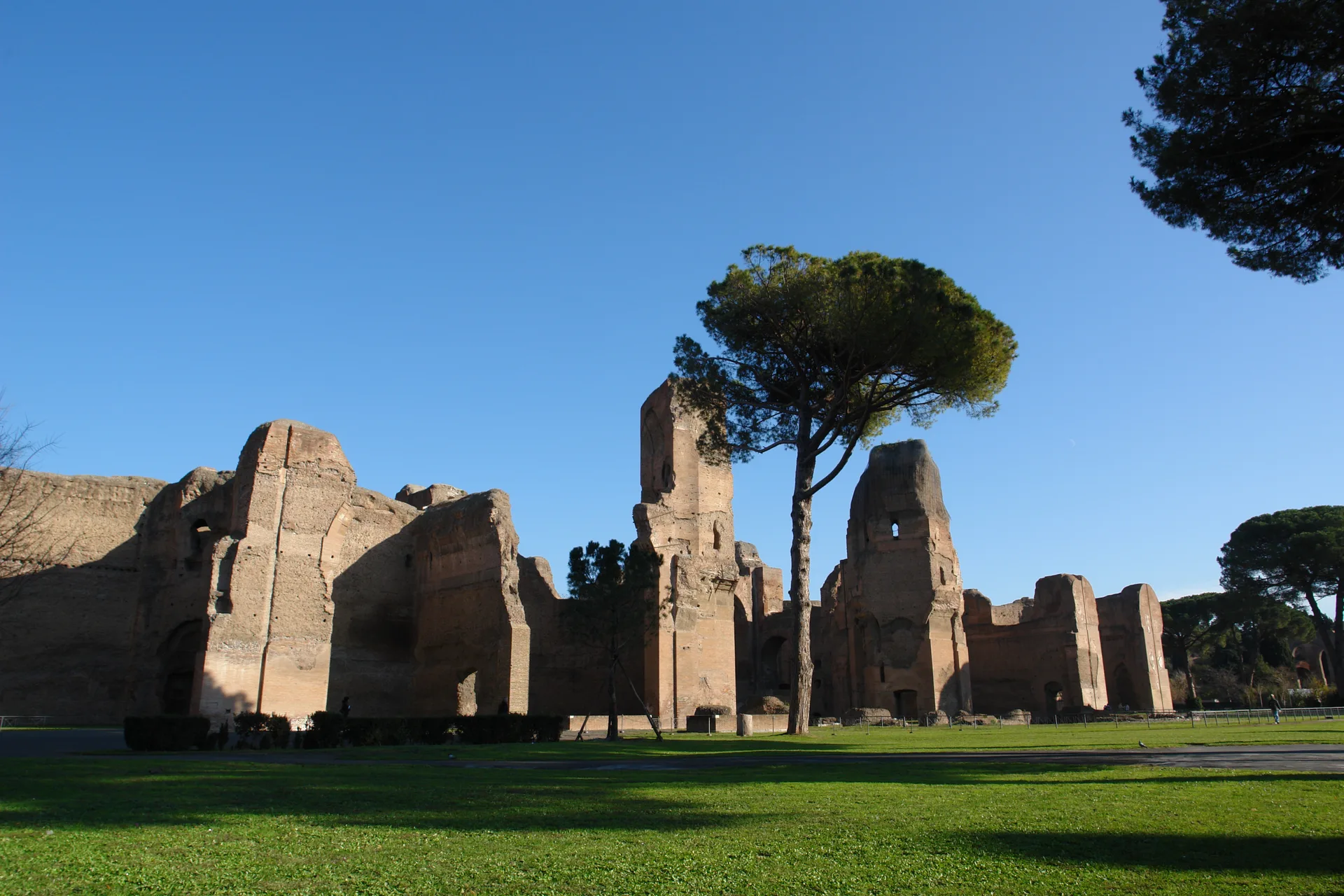
Emperor Caracalla opened these baths in 216 AD as a purpose-built complex of astonishing scale: at their peak the site could accommodate an estimated 6,000 to 8,000 visitors a day, offering not just hot, warm and cold bathing rooms (caldarium, tepidarium, frigidarium) but gymnasiums, gardens, libraries and lecture spaces — a full social and cultural centre, not merely a place to wash, reflecting how central bathing culture was to Roman public life.
The surviving brick core, stripped of its marble facing and mosaic floors centuries ago (much of it repurposed elsewhere, including some of the site's ancient granite columns and statuary that ended up decorating Florence's Boboli Gardens and Naples's archaeological museum), is still staggering in scale: soaring vaulted walls rise several storeys, giving a genuine sense of the complex's original grandeur even stripped down to structural brick and concrete.
Read the full storyShow less
What's easy to miss on a rushed visit is the sheer engineering sophistication involved: an underground network of service tunnels allowed slaves to stoke furnaces and move firewood without ever crossing paths with bathers above, an early and remarkably thorough example of separating servant and public circulation within a single building.
Since 1937, the Baths of Caracalla have hosted the Rome Opera's summer outdoor season, staging productions like Aida amid the ancient ruins — a genuinely spectacular way to experience the site after dark, if your visit coincides with the summer festival calendar, and worth checking regardless of whether you plan a daytime visit too.
What to See: Highlights
- 1Soaring multi-storey brick ruins, the best-preserved Roman bath complex anywhere
- 2Underground service tunnels showing sophisticated Roman engineering
- 3Original scale for up to 8,000 daily bathers
- 4Summer outdoor opera performances staged among the ruins since 1937
- 5Far quieter than the Colosseum despite comparable historical significance
Skip the Queue — Book Tickets Online
Same admission, instant confirmation. Compare prices across platforms.
Affiliate disclosure — we may earn a commission at no extra cost to you.
Insider Tips
Free entry on the first Sunday of the month, though it's still worth booking to avoid queues
Check the Rome Opera's summer schedule if visiting May–August — evening opera here is spectacular
Monday hours are reduced (09:00–14:00 only) — plan accordingly
Combine with a walk to the nearby Circus Maximus or Aventine Hill
Bring water; there's little shade across the open ruins
Book a Guided Tour
Get the most from your visit with a local expert guide.
Affiliate disclosure — we may earn a commission at no extra cost to you.
Getting There
Viale delle Terme di Caracalla, 52, 00153 Roma RM
Open in Google Maps →- 1Metro B to Circo Massimo, then a 10-minute walk along Viale delle Terme di Caracalla.
Where to stay
Hotels in Rome
Compare prices across hundreds of hotels near this attraction — from budget hostels to luxury stays. Free cancellation on most rooms.
Affiliate disclosure — we may earn a commission at no extra cost to you. Powered by Booking.com.
Frequently Asked Questions
Everything you need to know before you visit.
Is Baths of Caracalla worth visiting?+−
How long does a visit to Baths of Caracalla take?+−
Who is Baths of Caracalla best for?+−
Do I need to book tickets in advance for Baths of Caracalla?+−
Is Baths of Caracalla included with the Rome city pass?+−
Should You Visit?
Visit if...
- You want to see the best-preserved ancient Roman bath complex anywhere
- You're interested in Roman engineering and social history
- You can catch a summer opera performance staged among the ruins
- You want a quieter, less crowded alternative to the Colosseum for ancient scale
Skip if...
- You've seen extensive ancient ruins already and are looking for variety
- You're very tight on time and must prioritise the historic centre's essentials
- The site's exposed, largely shadeless layout is a concern in extreme heat
Ready to Book Your Visit?
More to See in Rome
Appian Way (Via Appia Antica)
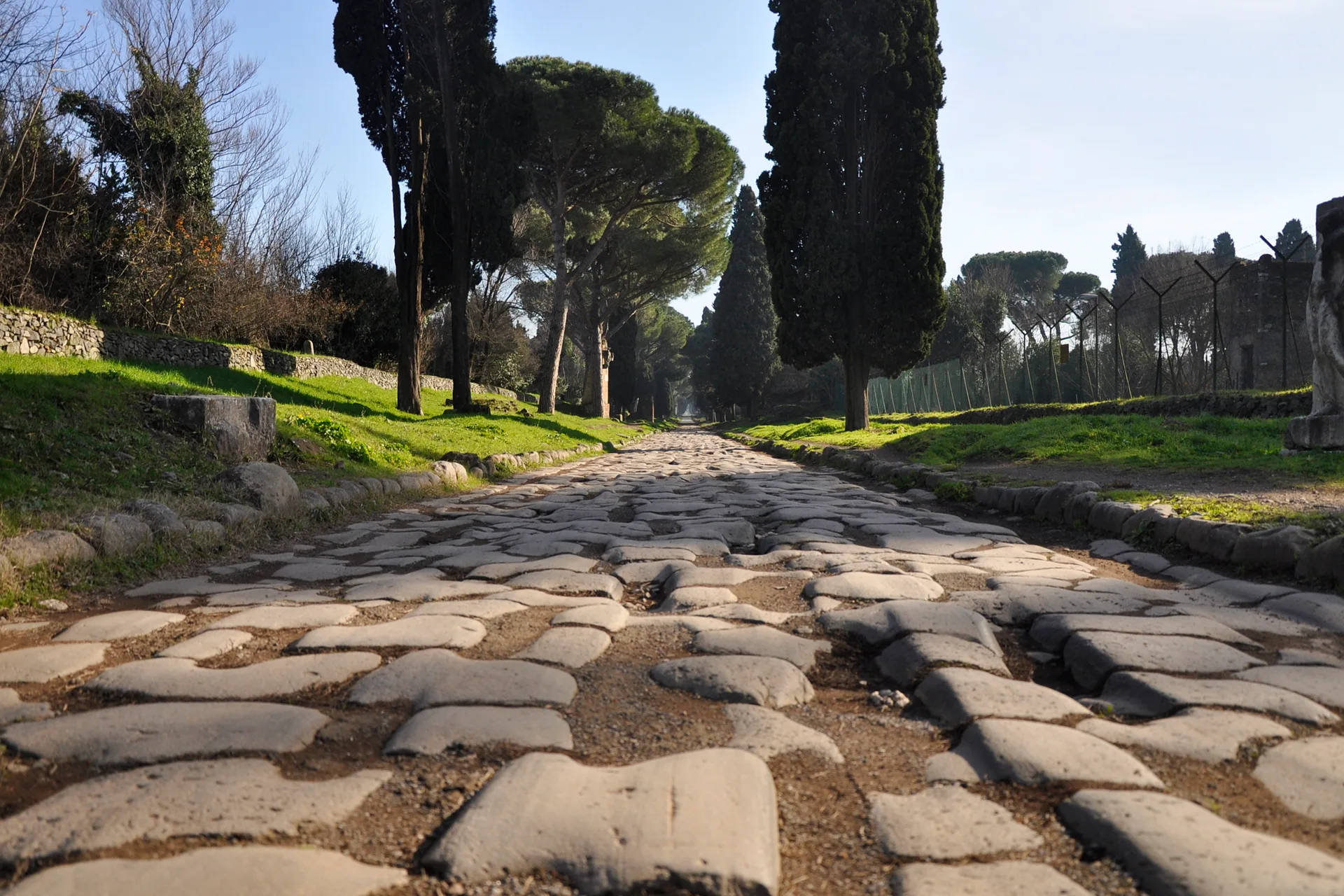
The 'Queen of Roads,' Rome's oldest and most strategically important highway, now a protected regional park where you can walk or cycle on the same basalt paving stones legionaries marched on 2,300 years ago.
Circus Maximus
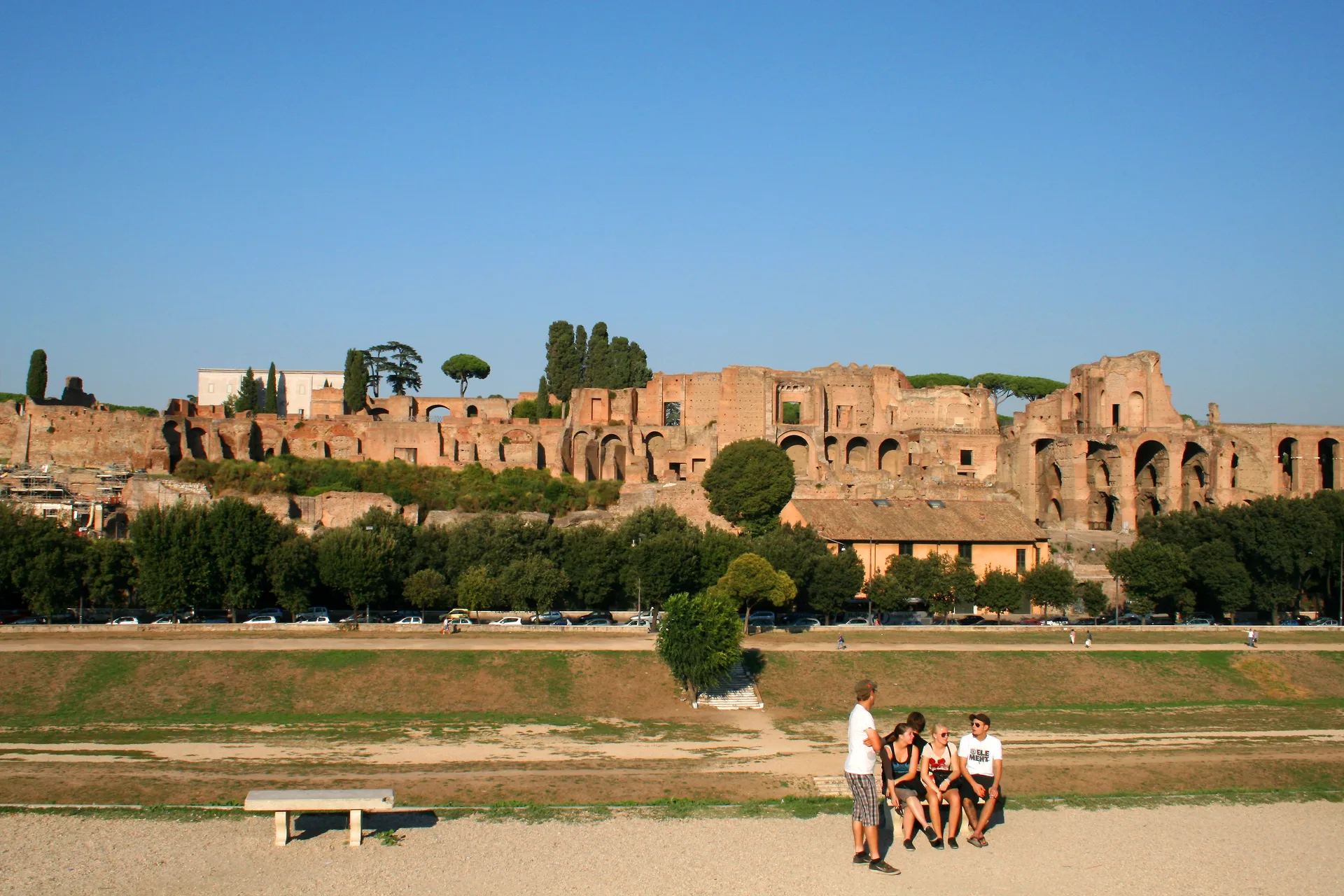
Ancient Rome's giant chariot-racing stadium, now a free open grass park in the valley between the Palatine and Aventine Hills — bring imagination, since almost nothing structural survives above ground.
Aventine Keyhole & Orange Garden
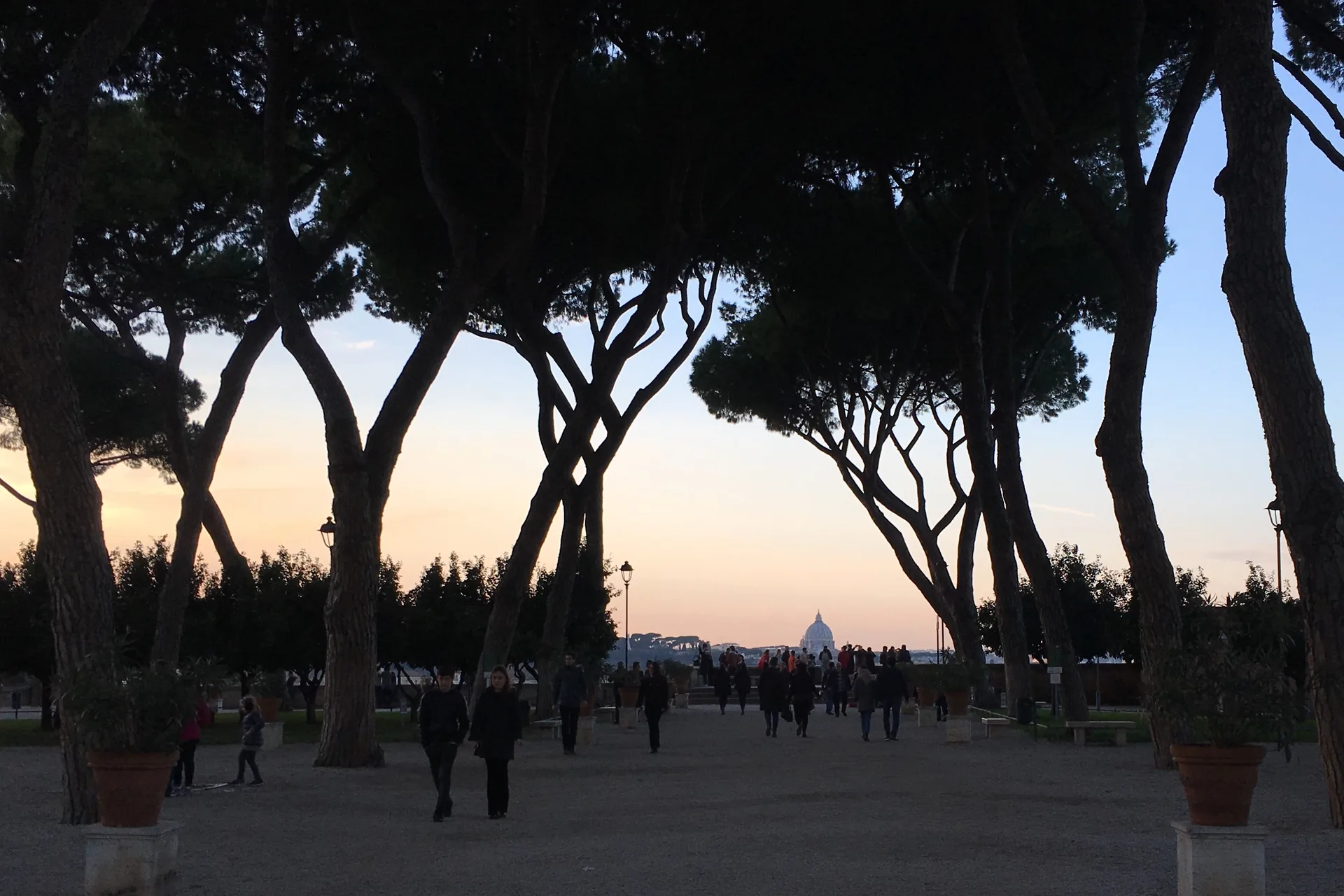
A tiny, world-famous keyhole framing a perfectly centred view of St. Peter's dome through a garden hedge, paired with one of Rome's best free sunset viewpoints just a few steps away.