
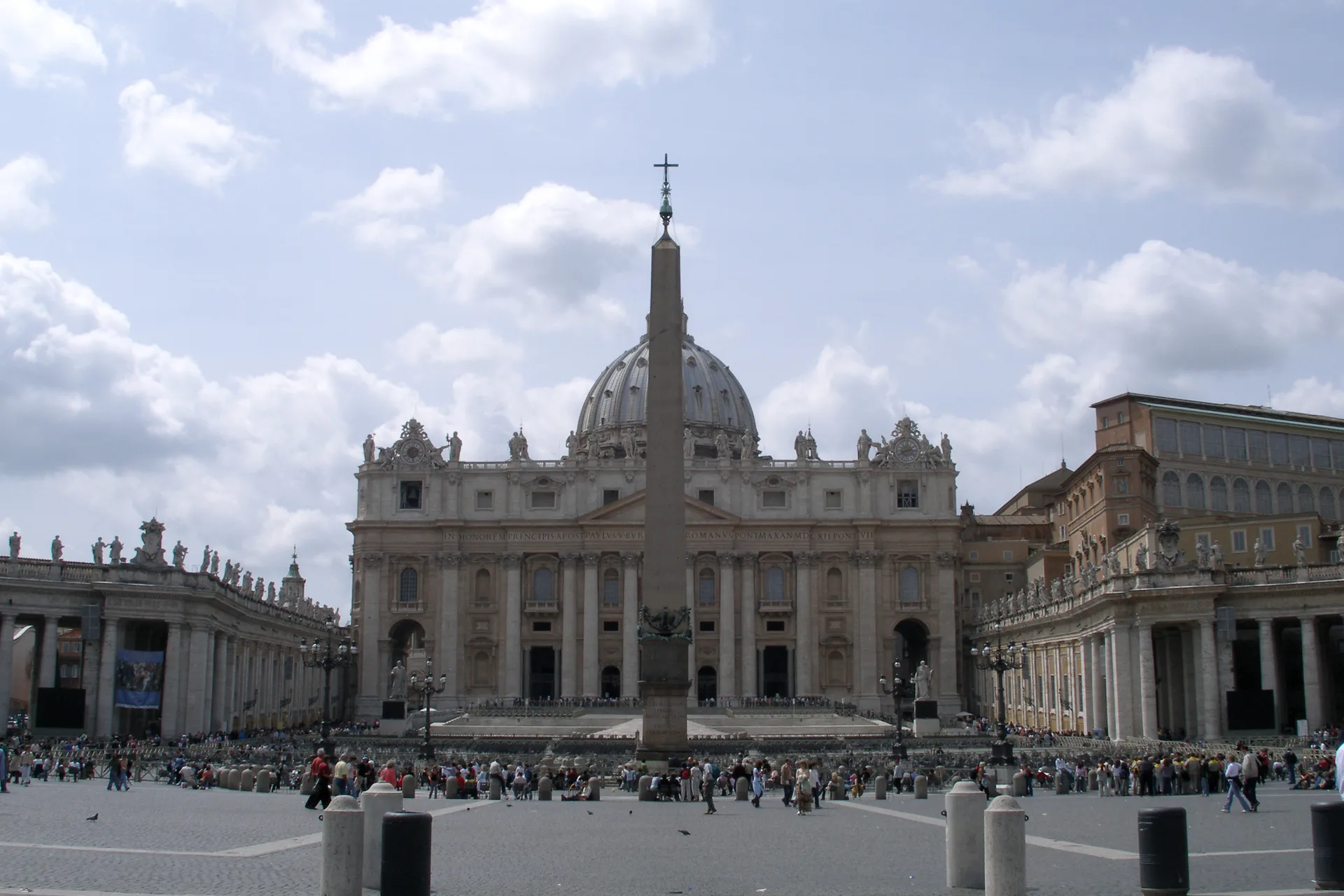
St. Peter's Basilica
The largest church in the Christian world, built over the traditional burial site of Saint Peter — free to enter, with Michelangelo's Pietà inside and a paid climb to the top of his dome outside.
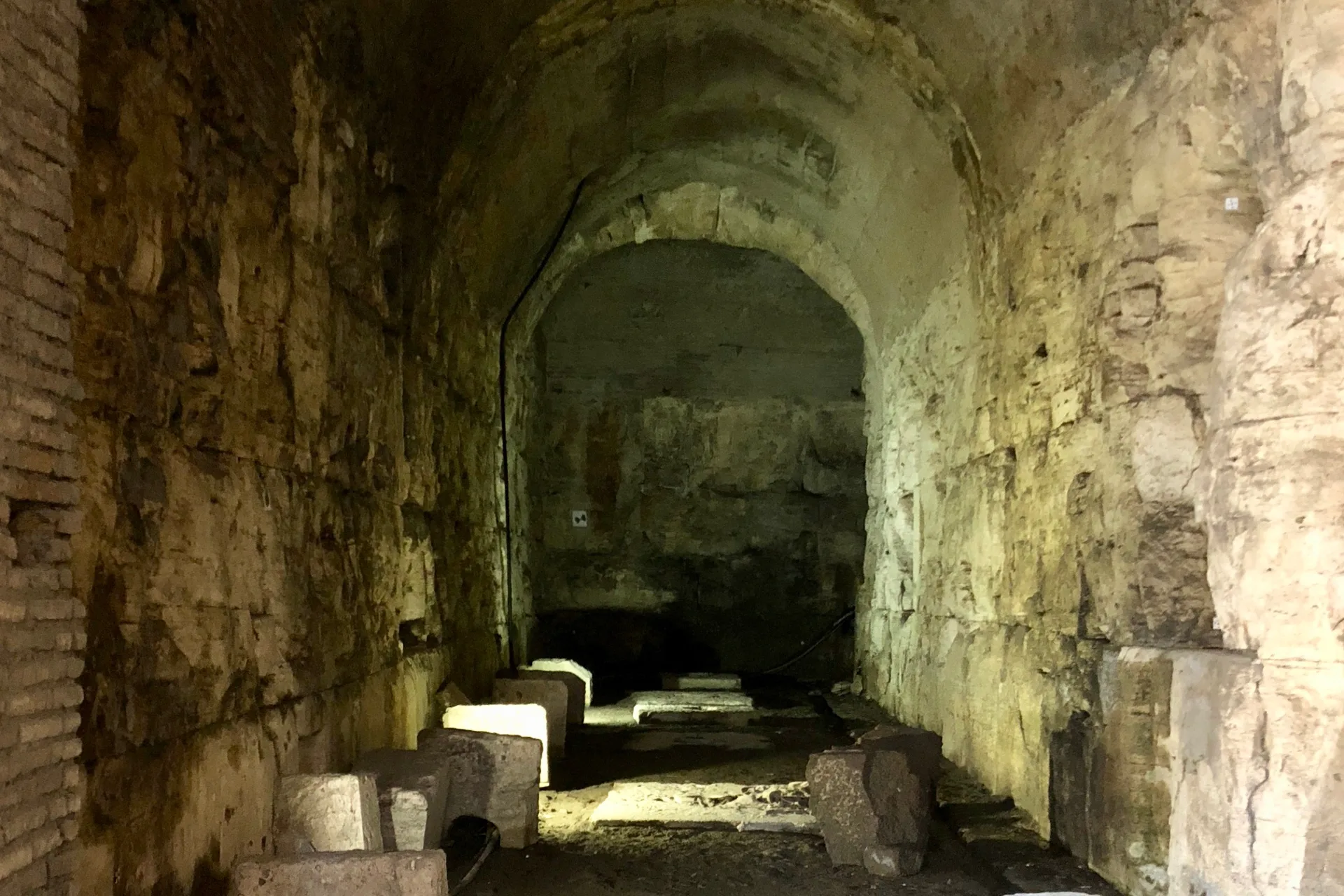
Colosseum Underground & Arena Floor Tour
A restricted-access guided tour into the Colosseum's hypogeum tunnels and reconstructed arena floor — the two areas standard tickets don't reach, and the closest most visitors get to standing where gladiators actually stood.
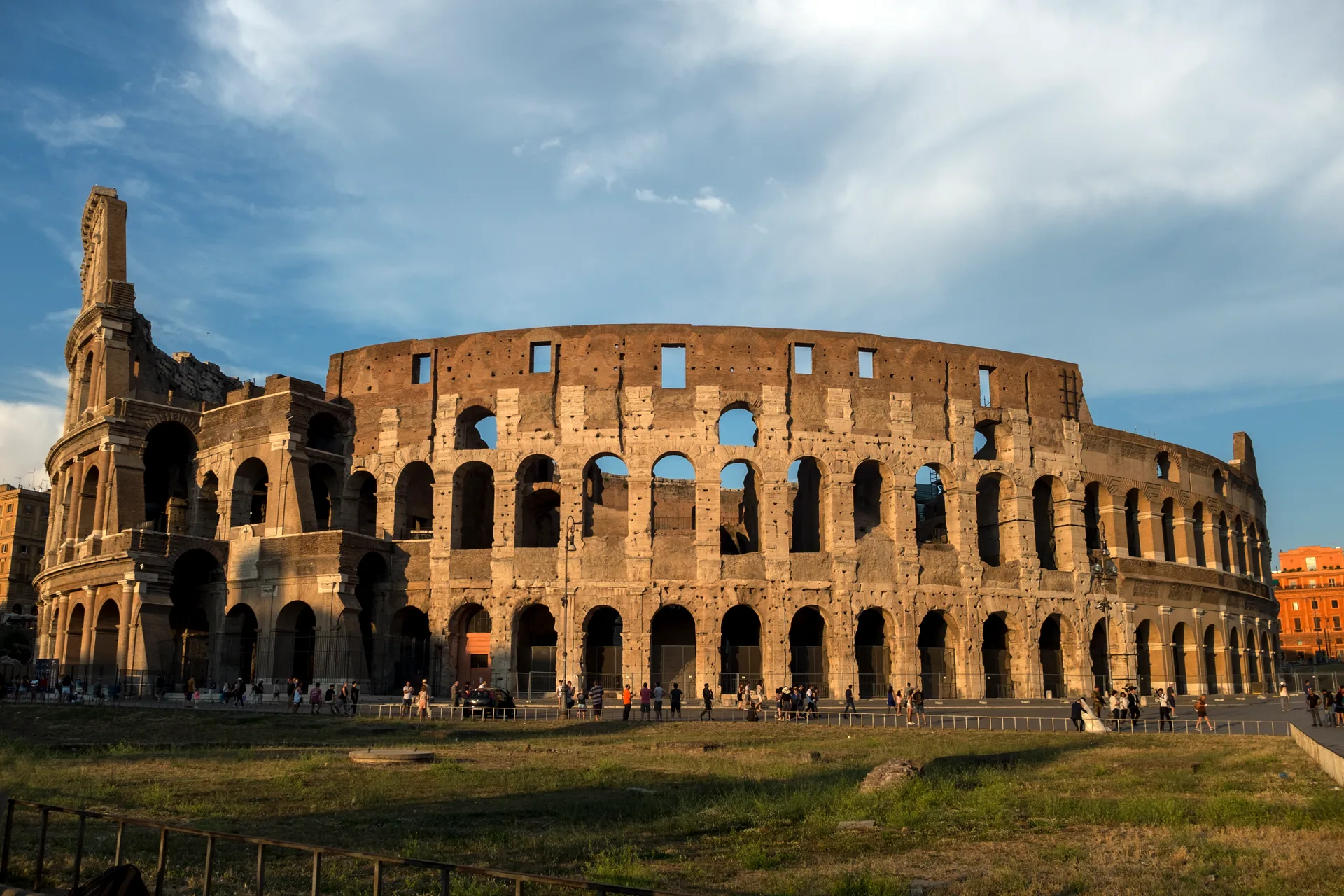
Colosseum
The largest amphitheatre ever built by the Romans and the single most recognisable structure on earth from antiquity — book an official timed ticket weeks ahead or risk not getting in at all.
Roman Forum & Palatine Hill
The political, religious and commercial heart of ancient Rome for over a thousand years, plus the hill above it where emperors actually lived — vast, fragmentary, and best appreciated with at least some context going in.
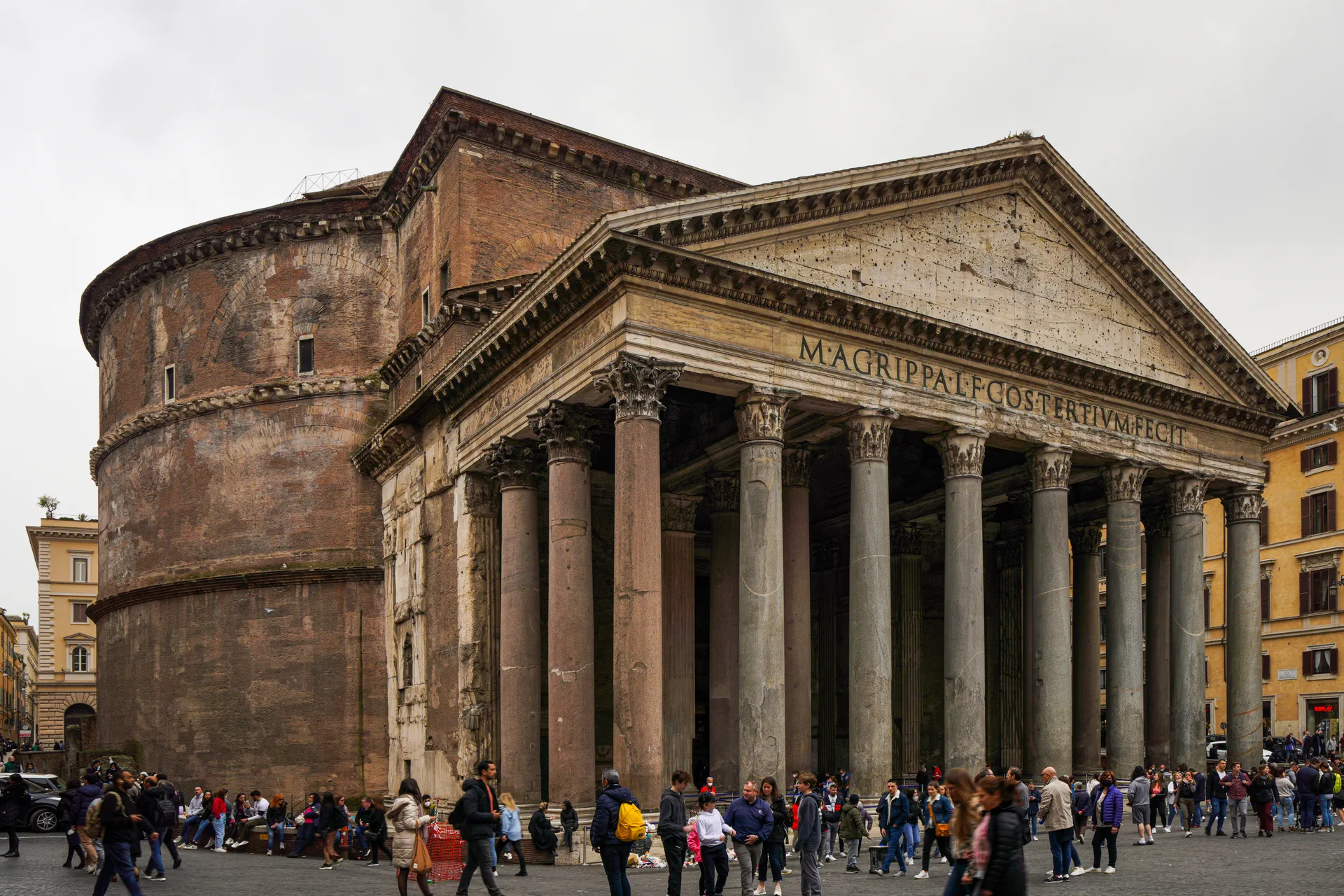
Pantheon
The best-preserved building from ancient Rome and still, nineteen centuries on, the world's largest unreinforced concrete dome — free to marvel at from outside, a small fee to step inside since 2023.
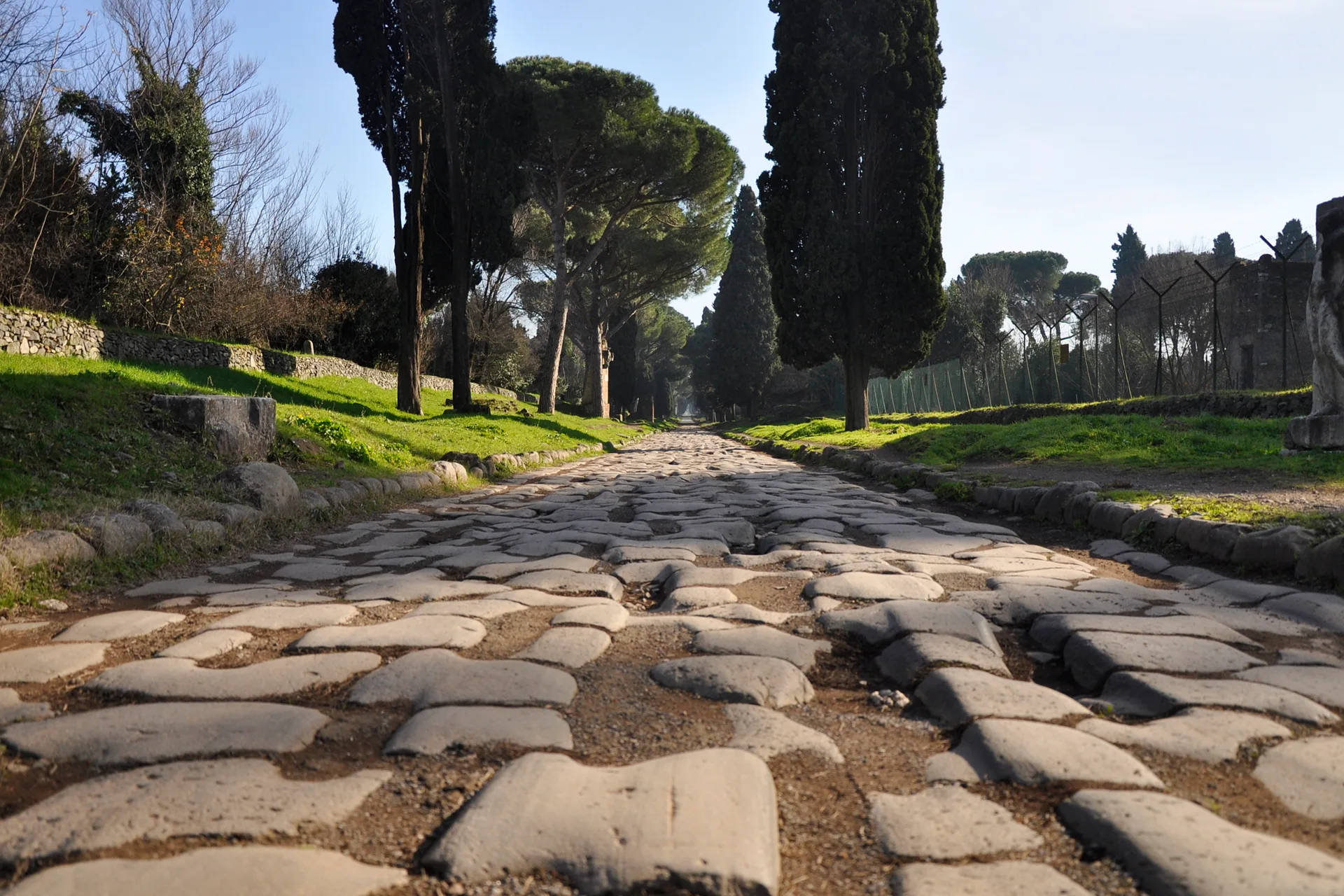
Appian Way (Via Appia Antica)
The 'Queen of Roads,' Rome's oldest and most strategically important highway, now a protected regional park where you can walk or cycle on the same basalt paving stones legionaries marched on 2,300 years ago.
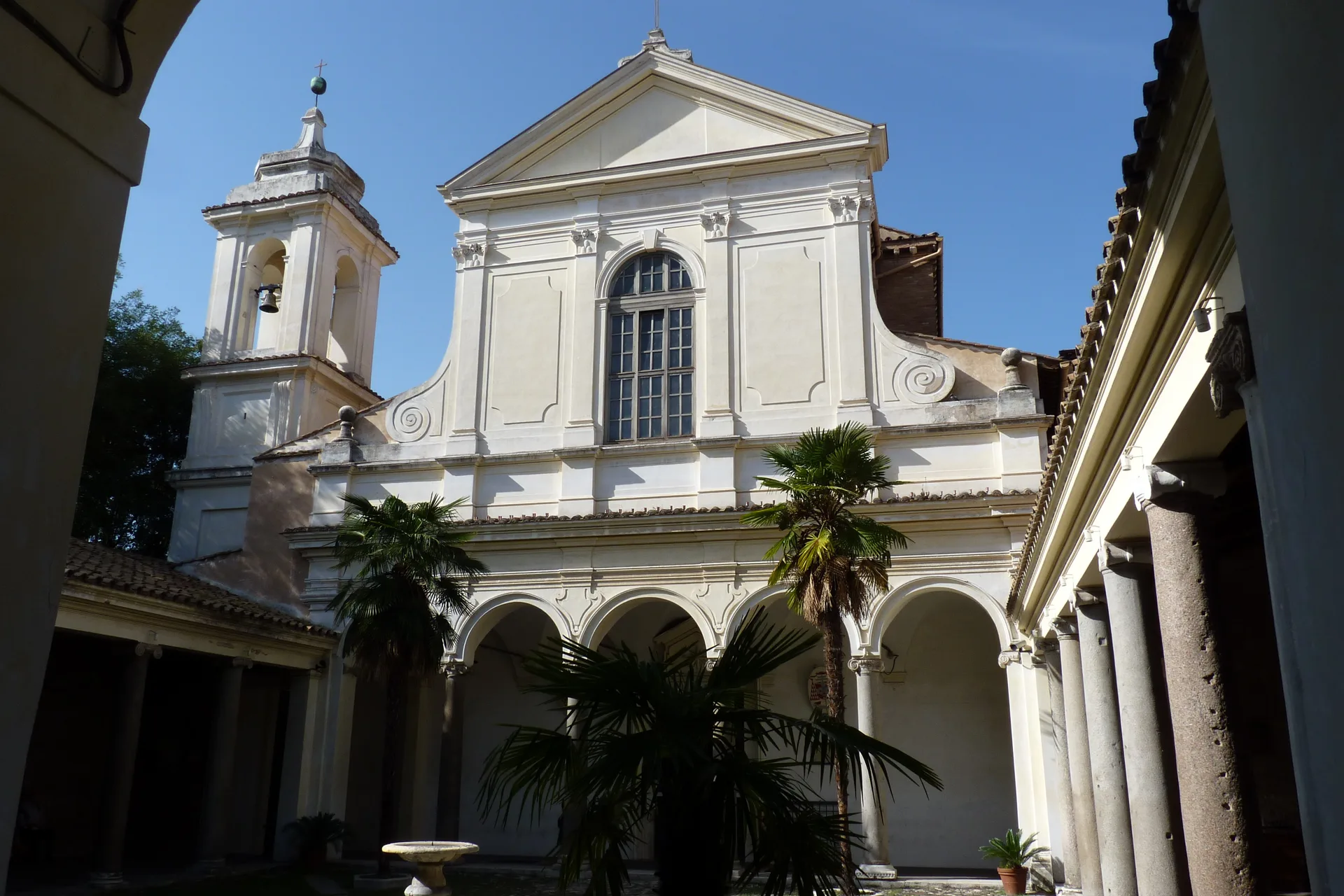
Basilica di San Clemente
A layer-cake of Roman history under one roof — a 12th-century church built over a 4th-century church, built over a 1st-century Roman house and an underground temple to Mithras, all open to walk through.
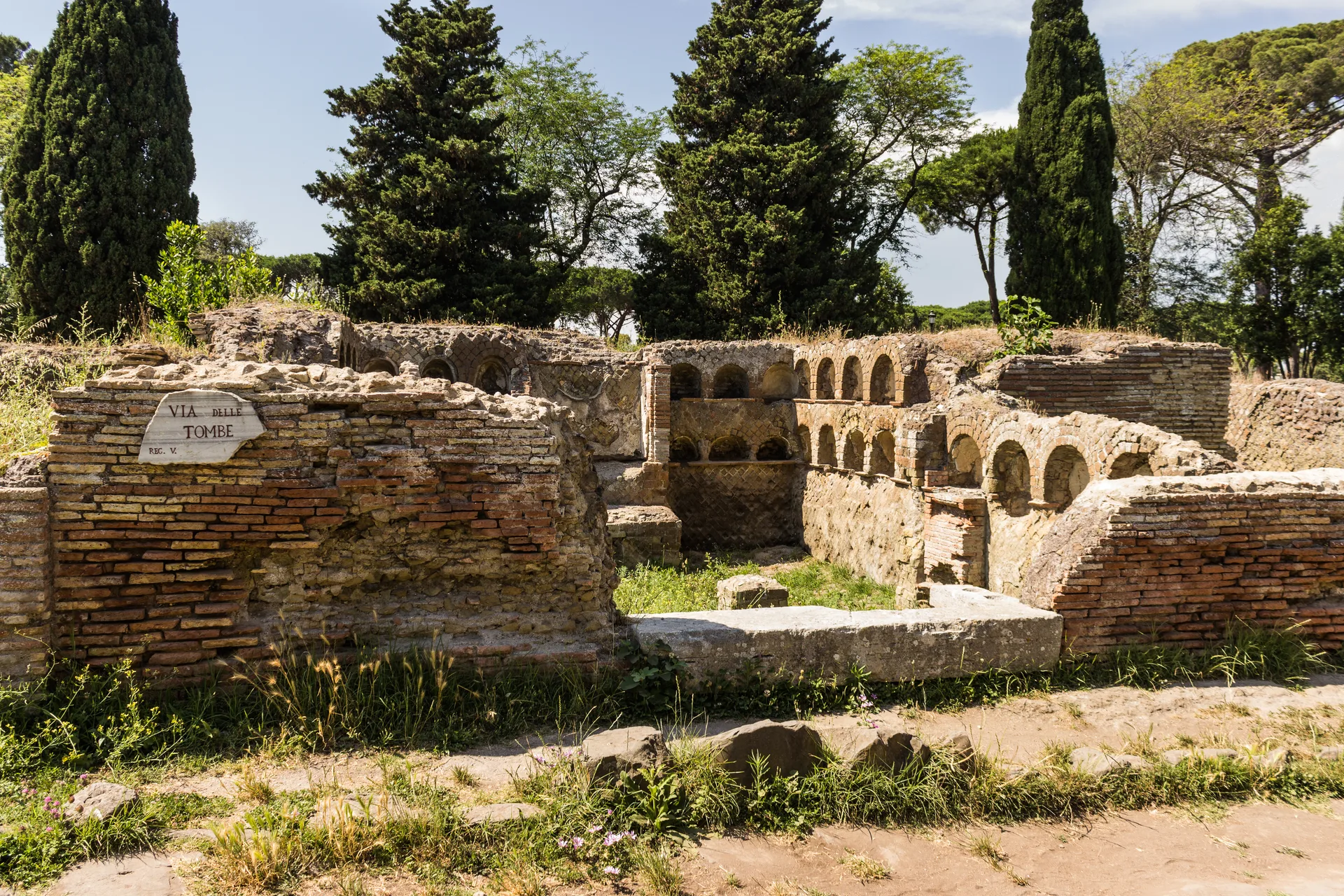
Ostia Antica
Rome's answer to Pompeii, minus the volcano — a genuinely vast, well-preserved ancient Roman port city, a 40-minute train ride away and dramatically less crowded than the Forum.
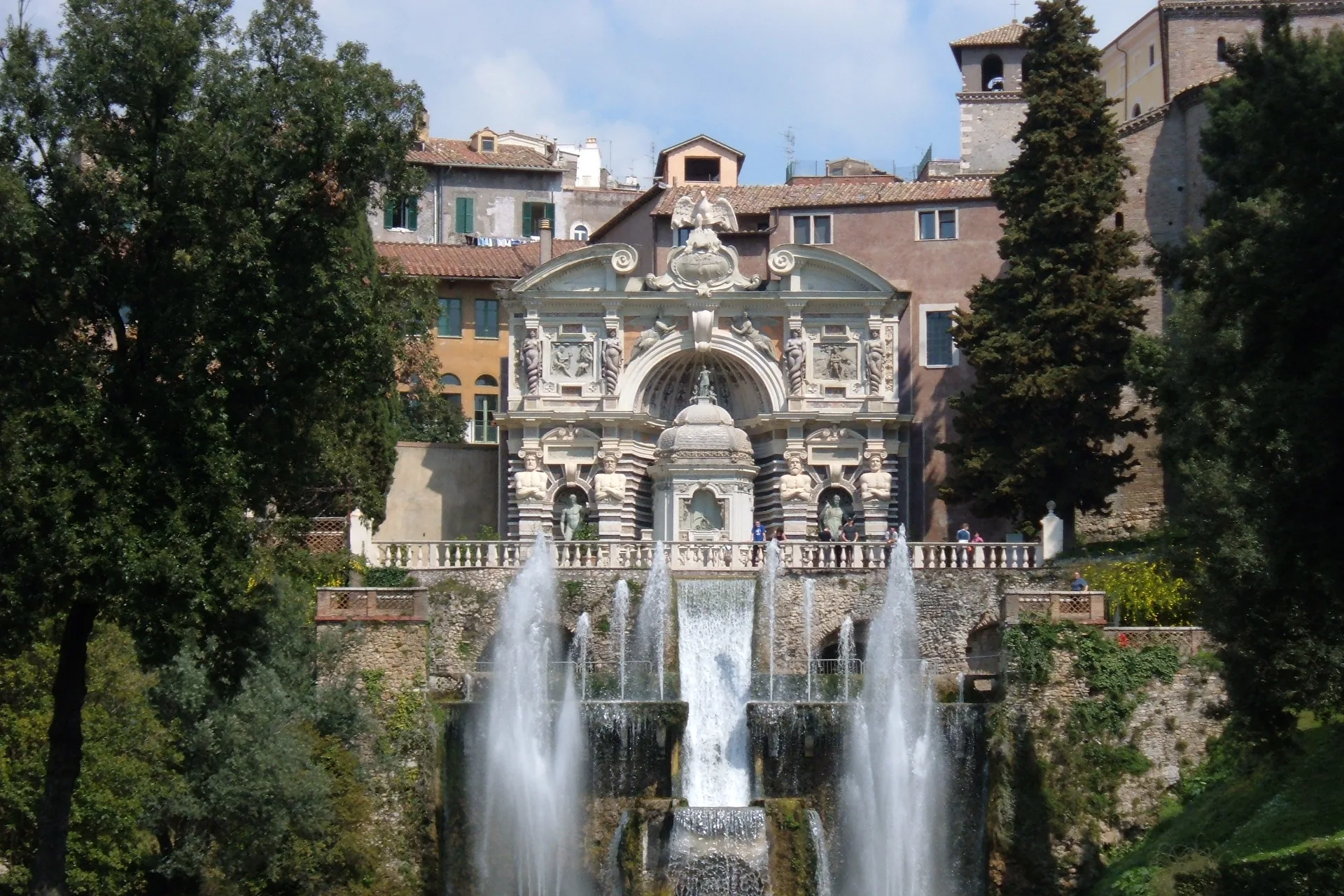
Tivoli Day Trip — Villa d'Este & Hadrian's Villa
Two UNESCO World Heritage sites in one hill town outside Rome — a Renaissance cardinal's fountain-filled pleasure garden and an emperor's sprawling private retreat, best done as a full-day guided trip.
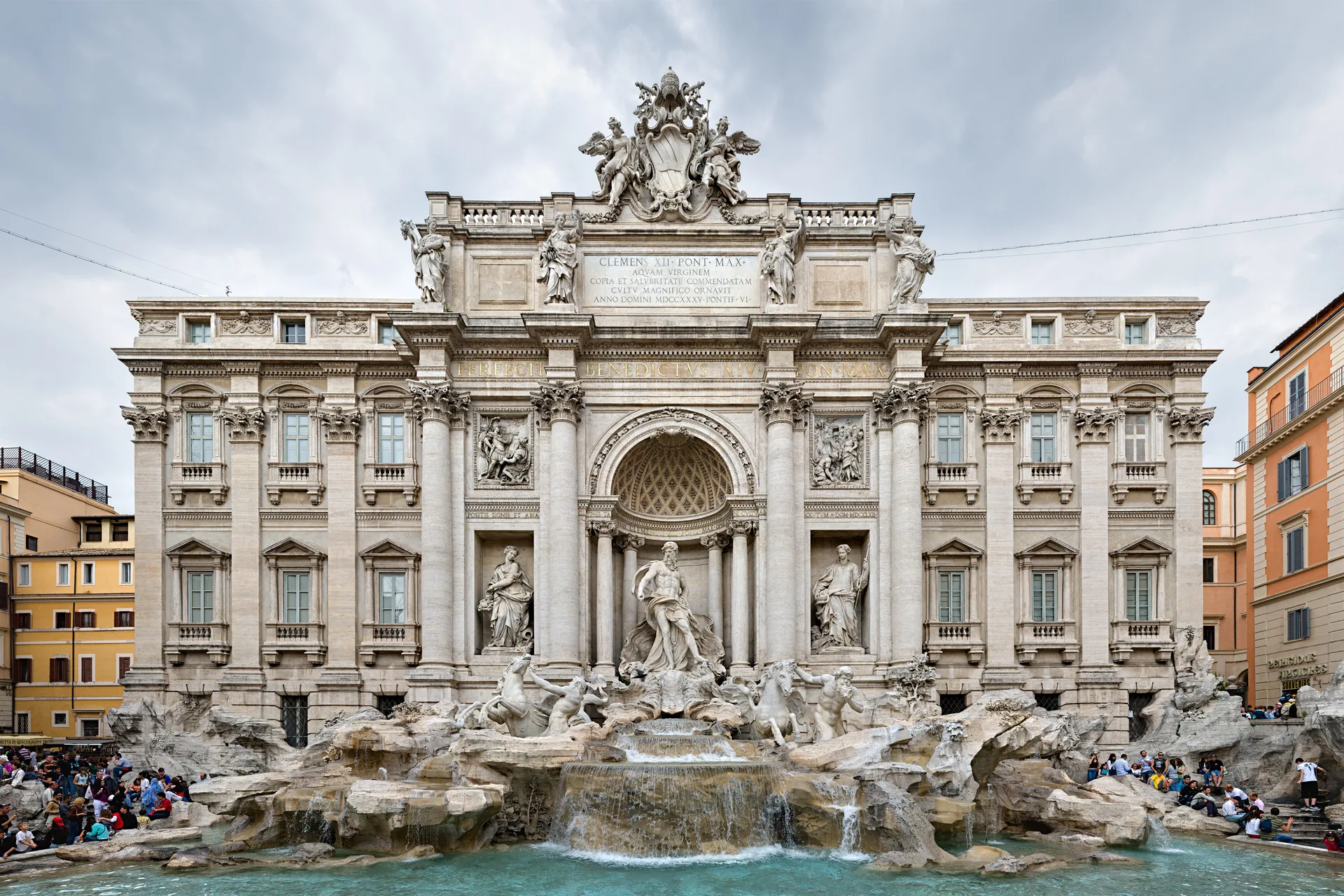
Trevi Fountain
Rome's largest and most theatrical Baroque fountain, where the tradition of throwing a coin over your shoulder to guarantee a return trip began — free to view, small fee to reach the closest railing.
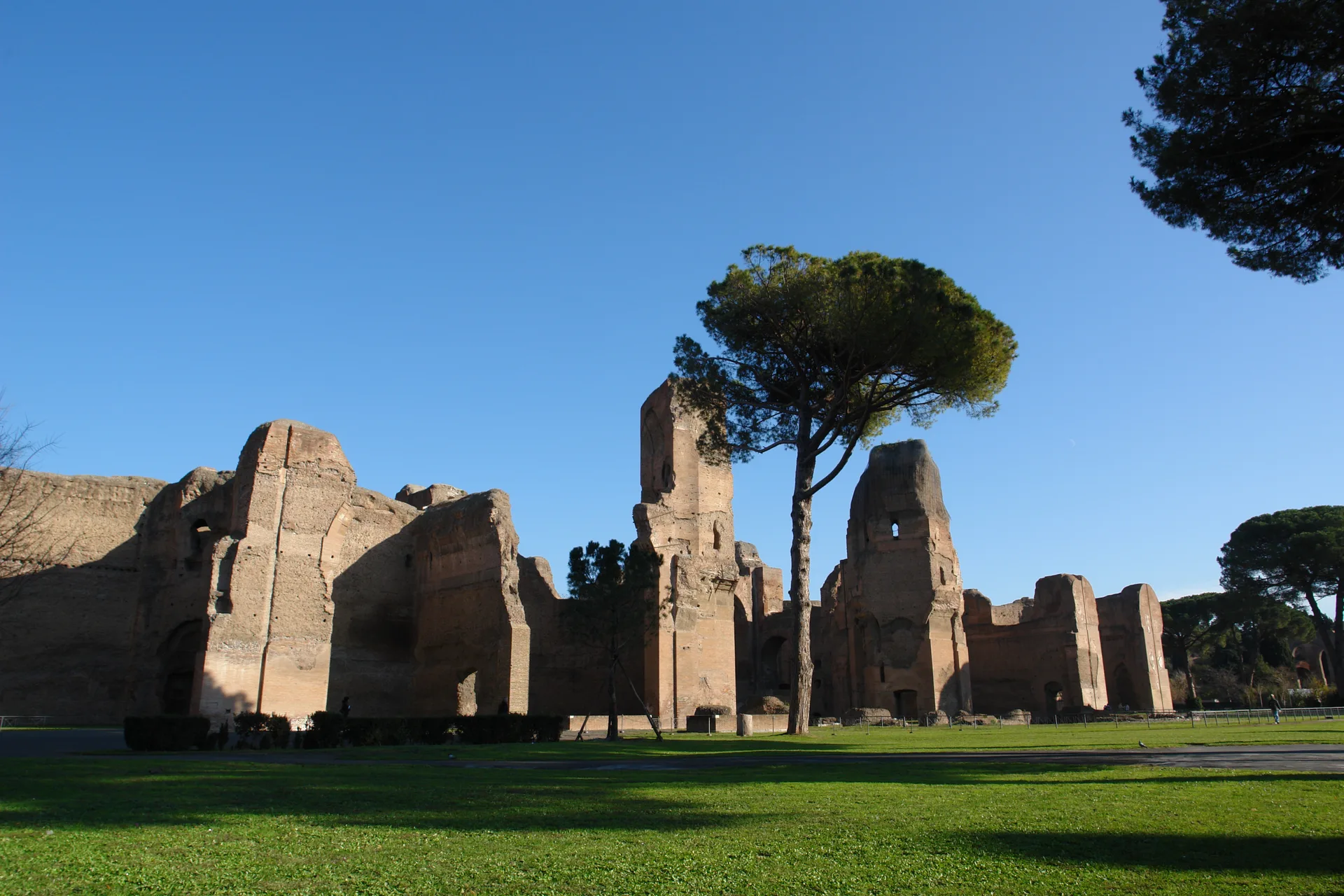
Baths of Caracalla
The best-preserved of ancient Rome's giant public bath complexes — soaring brick ruins that once held a library, gymnasiums and pools for up to 8,000 daily bathers, still used today as an opera stage in summer.
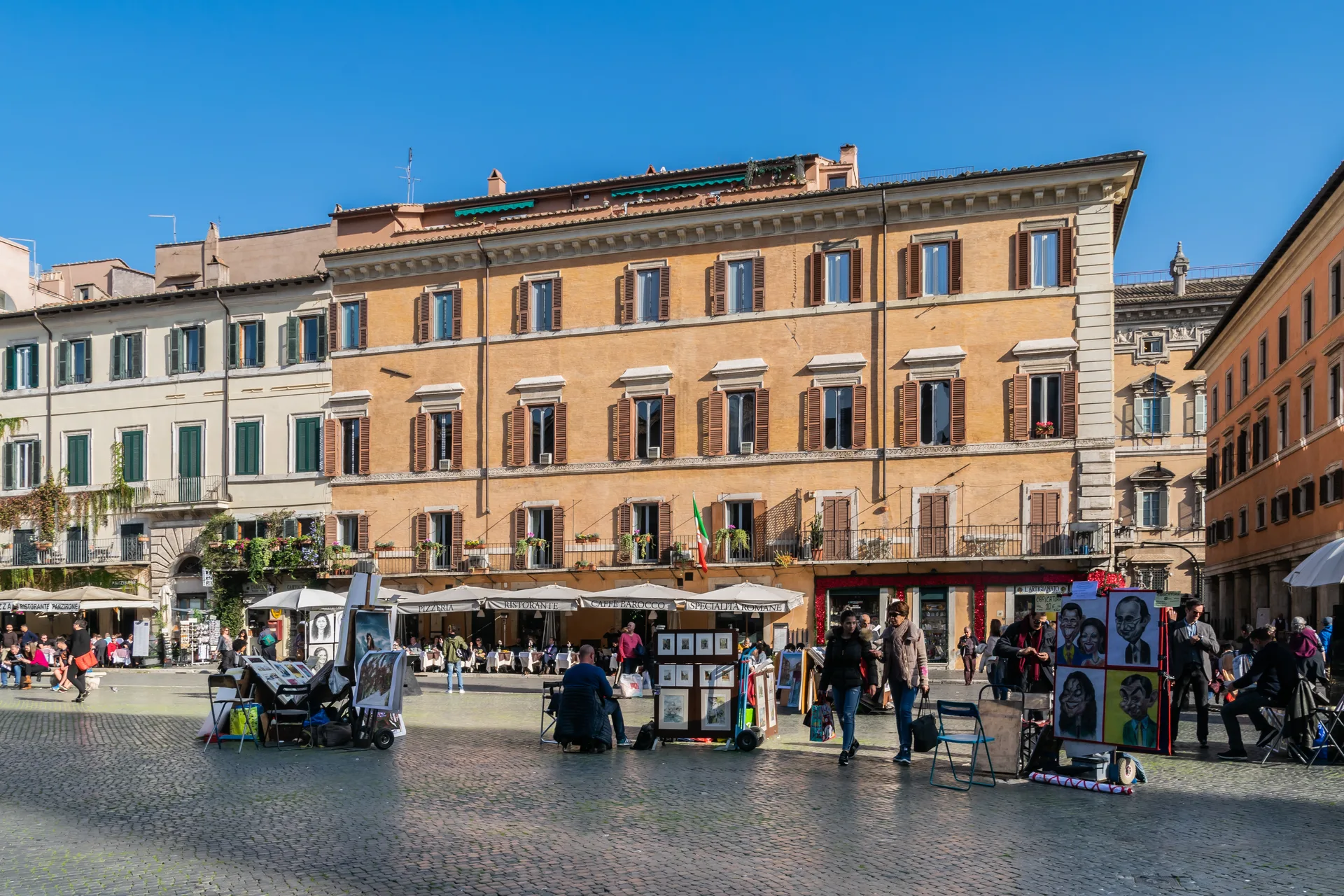
Piazza Navona
Rome's grandest Baroque piazza, shaped like the ancient stadium it was built over, anchored by Bernini's Fountain of the Four Rivers — free, open all hours, and one of the liveliest squares in the city after dark.
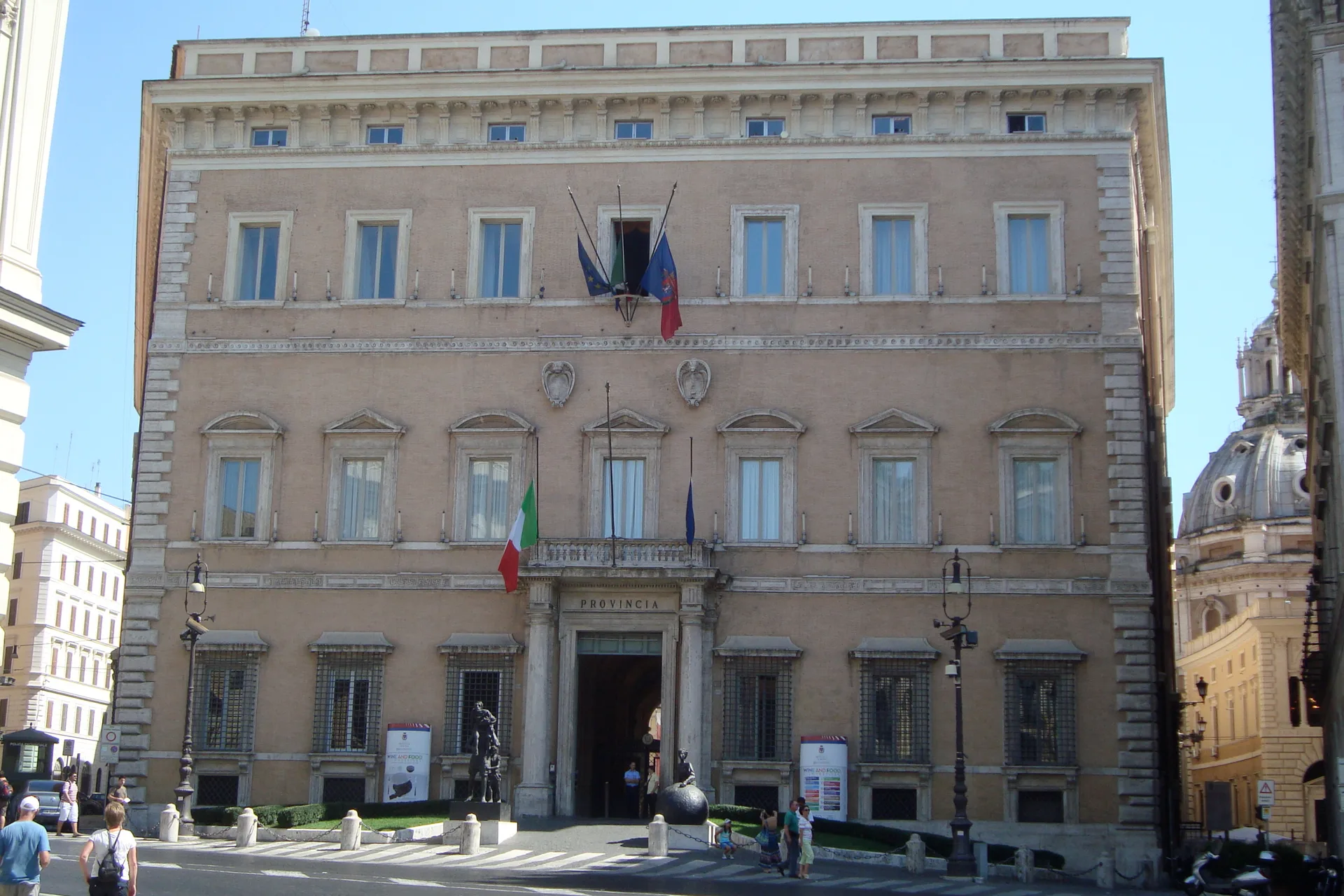
Domus Romane di Palazzo Valentini
Ancient Roman noble houses discovered beneath a Renaissance government palace, brought to life with a striking multimedia light-and-sound reconstruction rather than static ropes and labels.
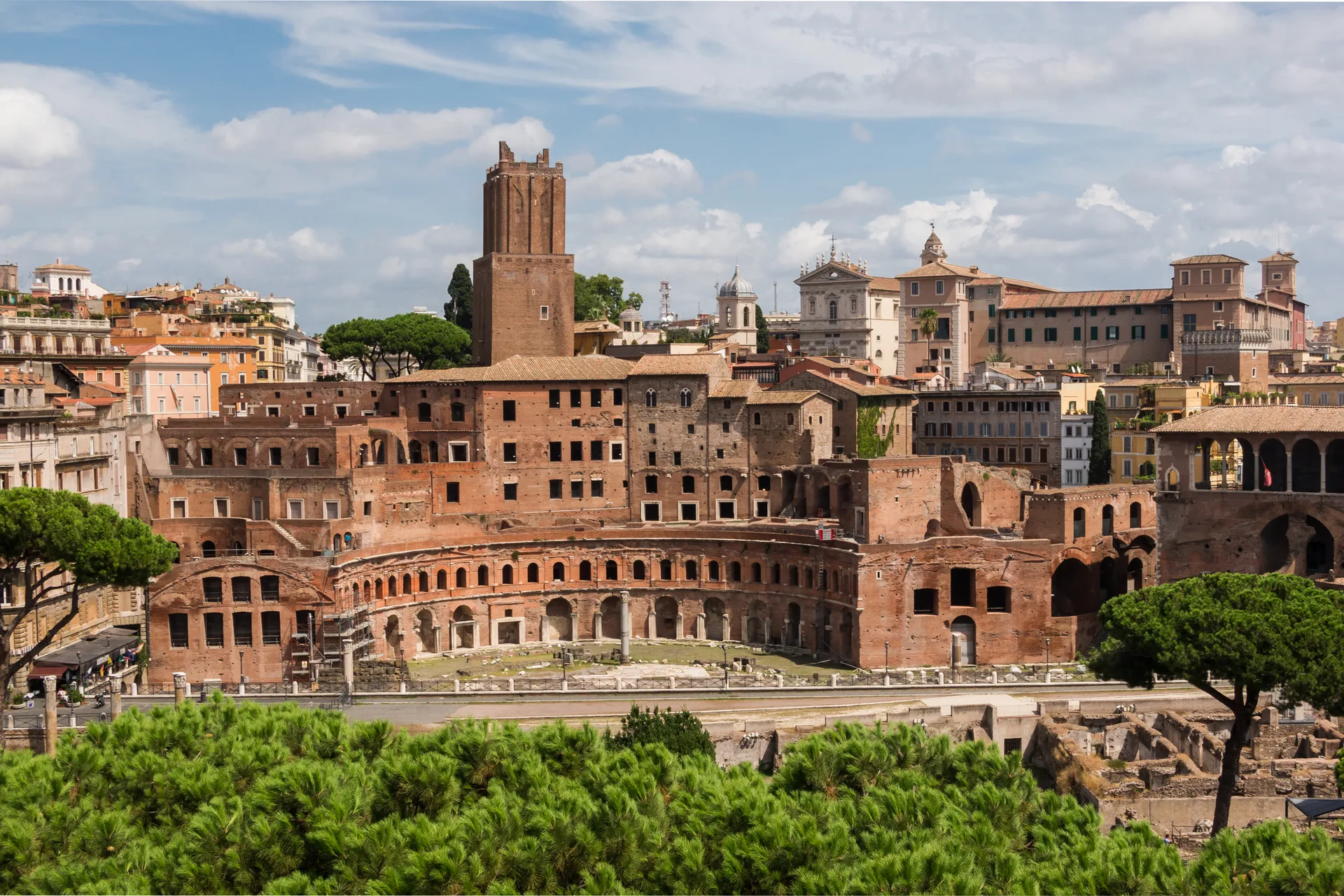
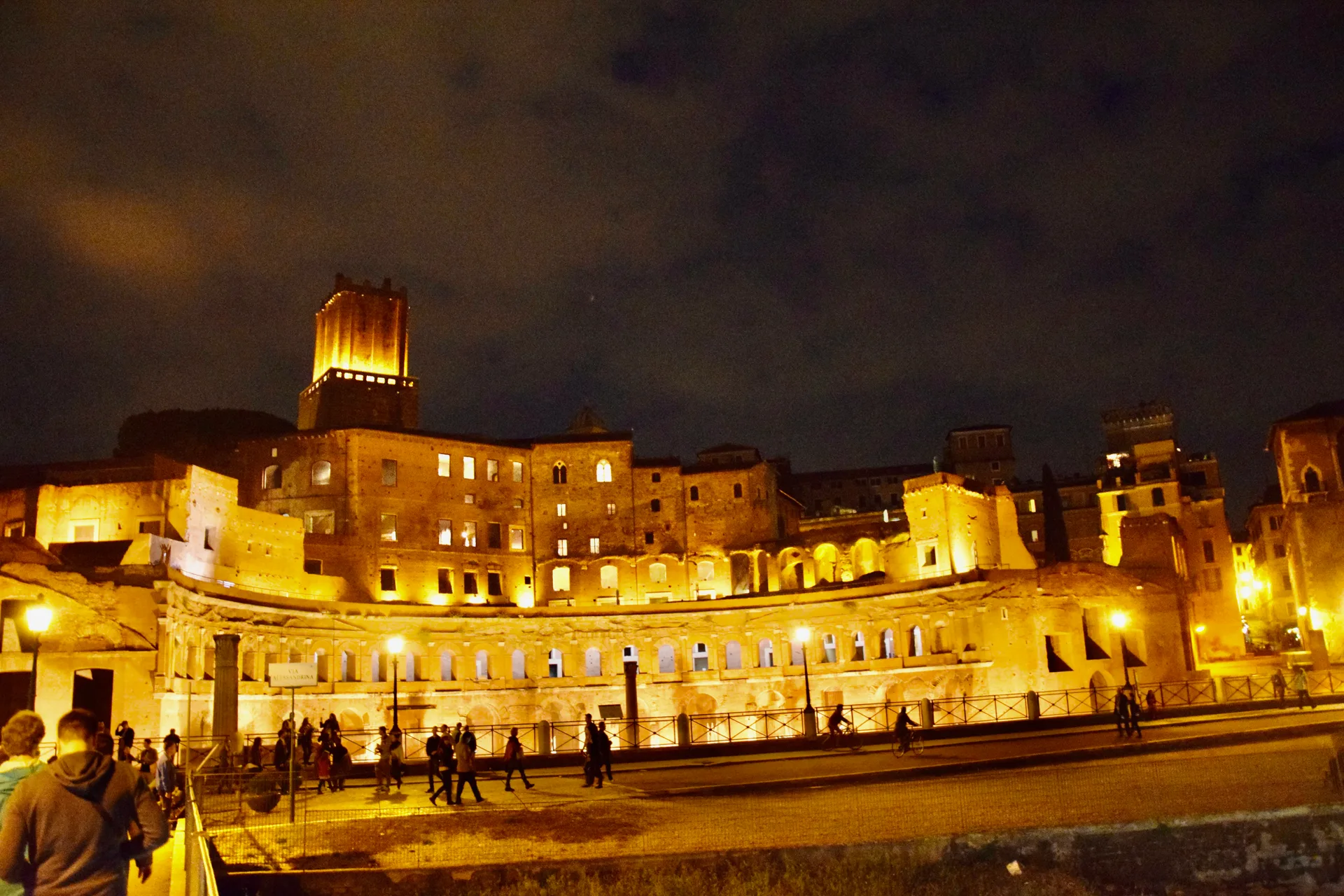
Trajan's Market & Museum of the Imperial Forums
Often called the world's oldest shopping mall — a multi-level complex of ancient brick-and-concrete shop units and halls built into the hillside above Trajan's Forum, now a museum of the Imperial Forums.
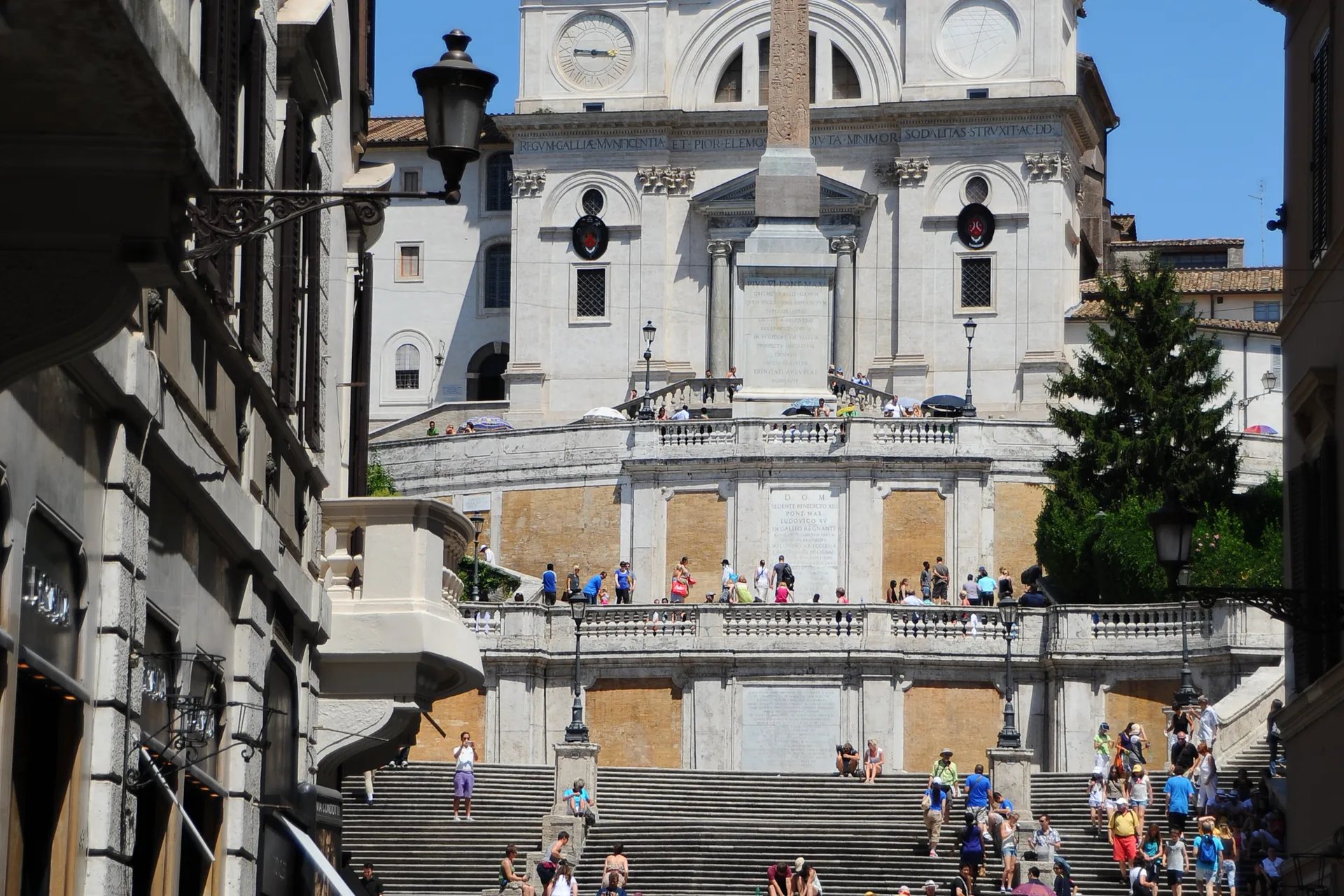
Spanish Steps
Europe's longest and widest outdoor staircase, connecting a French-funded piazza to a French church, named for a Spanish embassy — 135 steps of pure 18th-century Roman theatre.
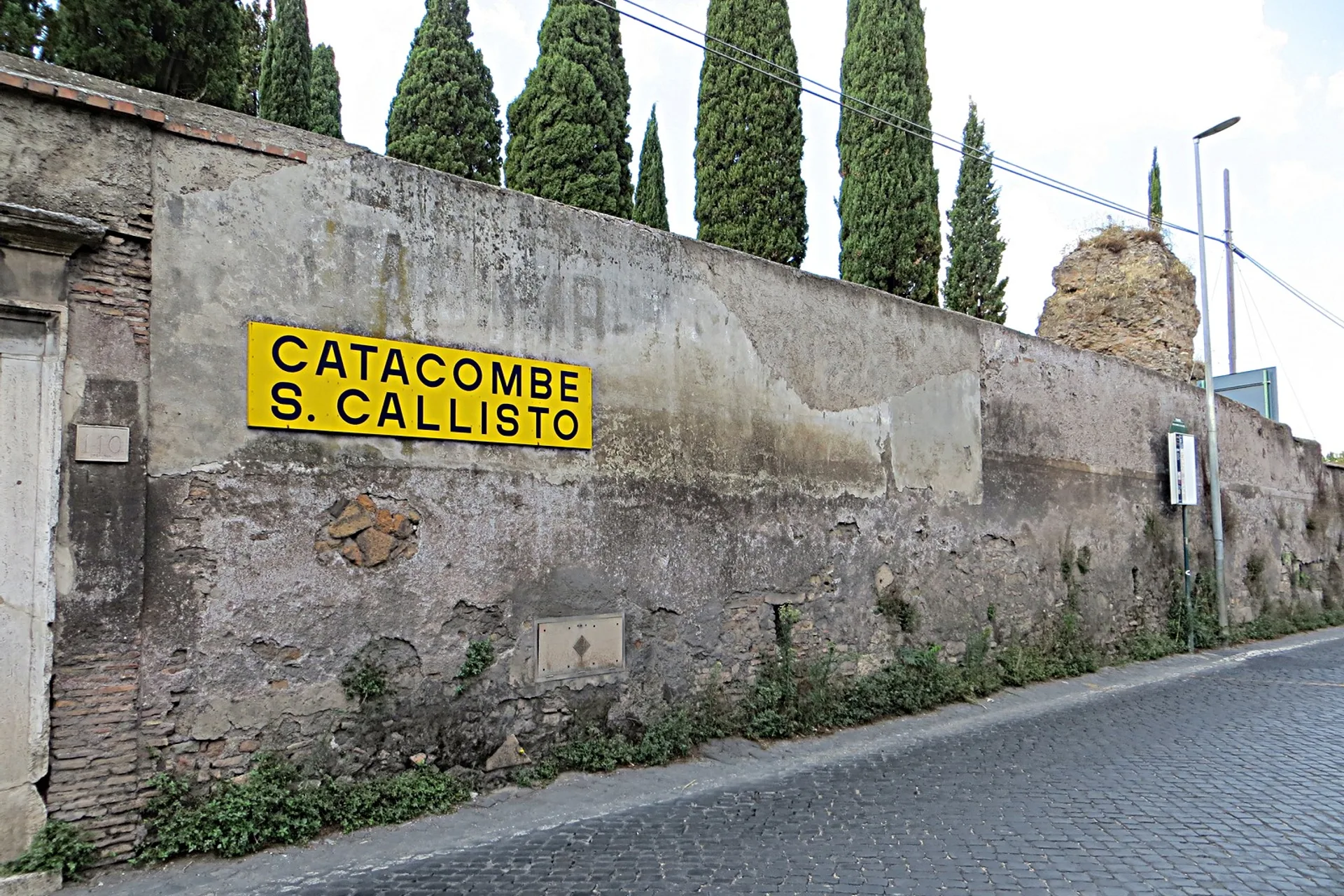
Catacombs of San Callisto
The largest and most important of Rome's Christian catacombs, burial place of numerous early popes — visited only by mandatory guided tour, roughly 20 kilometres of tunnels carved into soft volcanic rock.
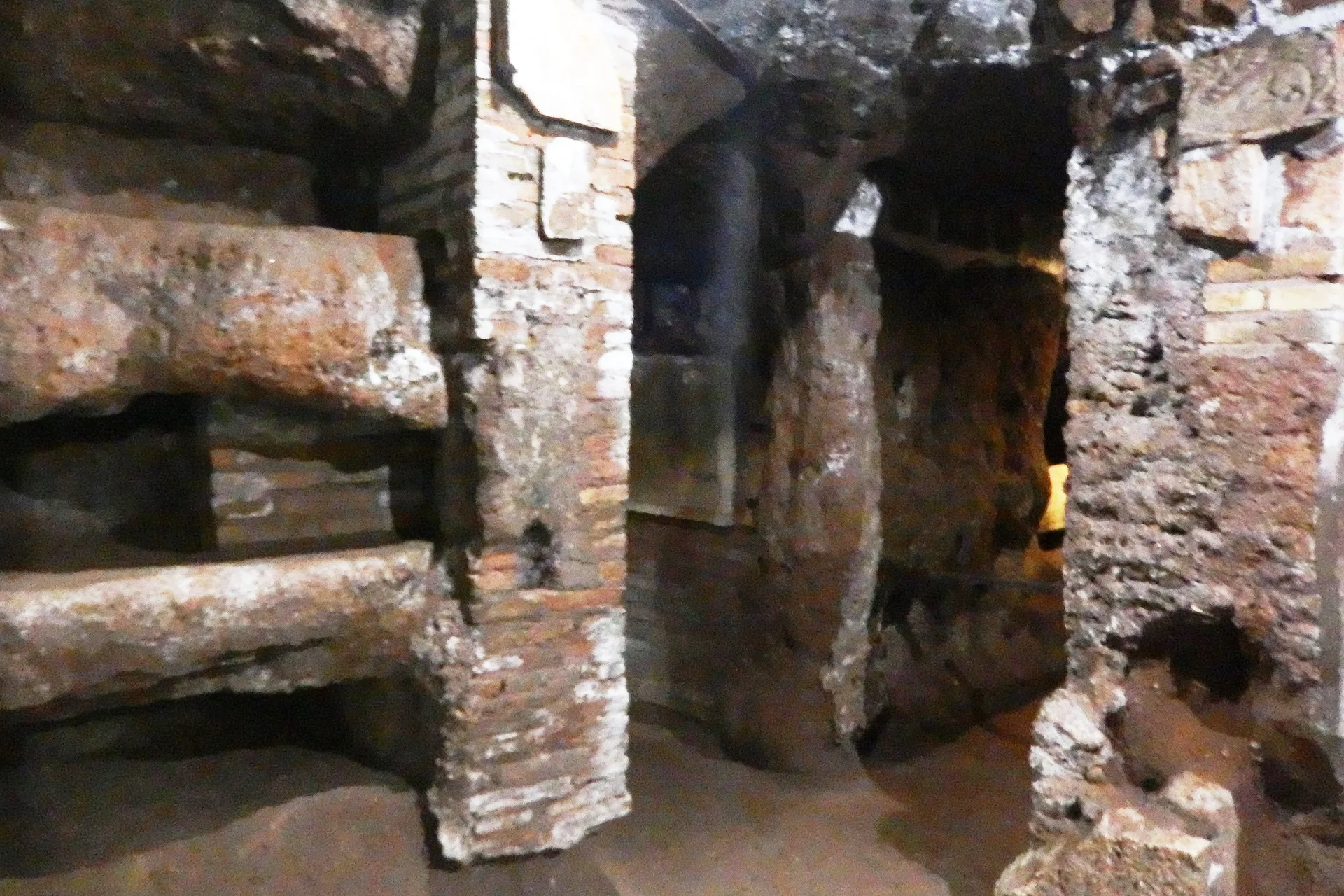
Catacombs of San Sebastiano
The only Roman catacombs to keep their name continuously since antiquity — four levels of tunnels beneath a basilica said to have briefly sheltered the remains of Saints Peter and Paul.
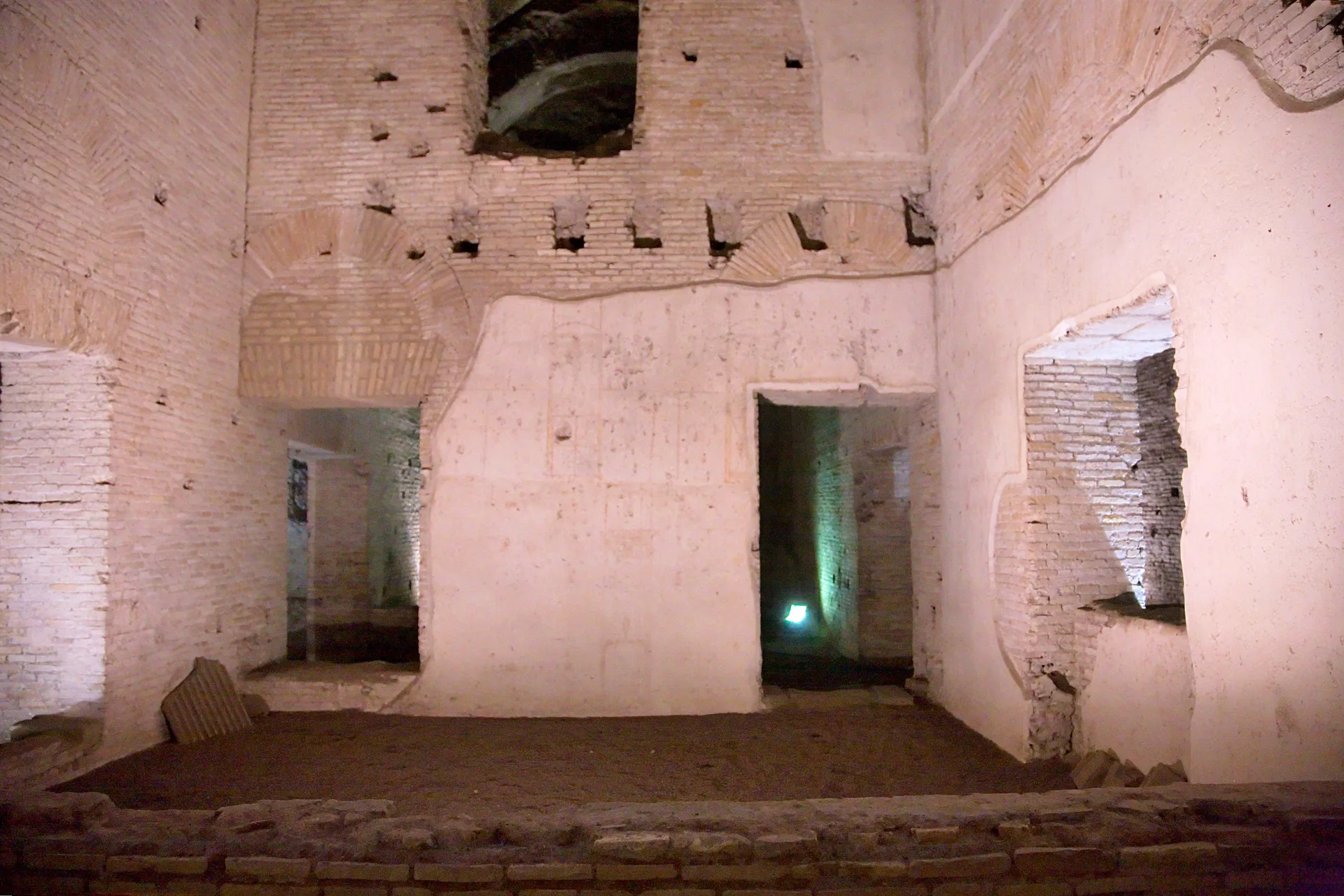
Domus Aurea
Emperor Nero's vast, scandalous 'Golden House' — a still-being-excavated underground ruin, open weekends only, viewed by mandatory guided tour with a hard hat and often a VR headset.
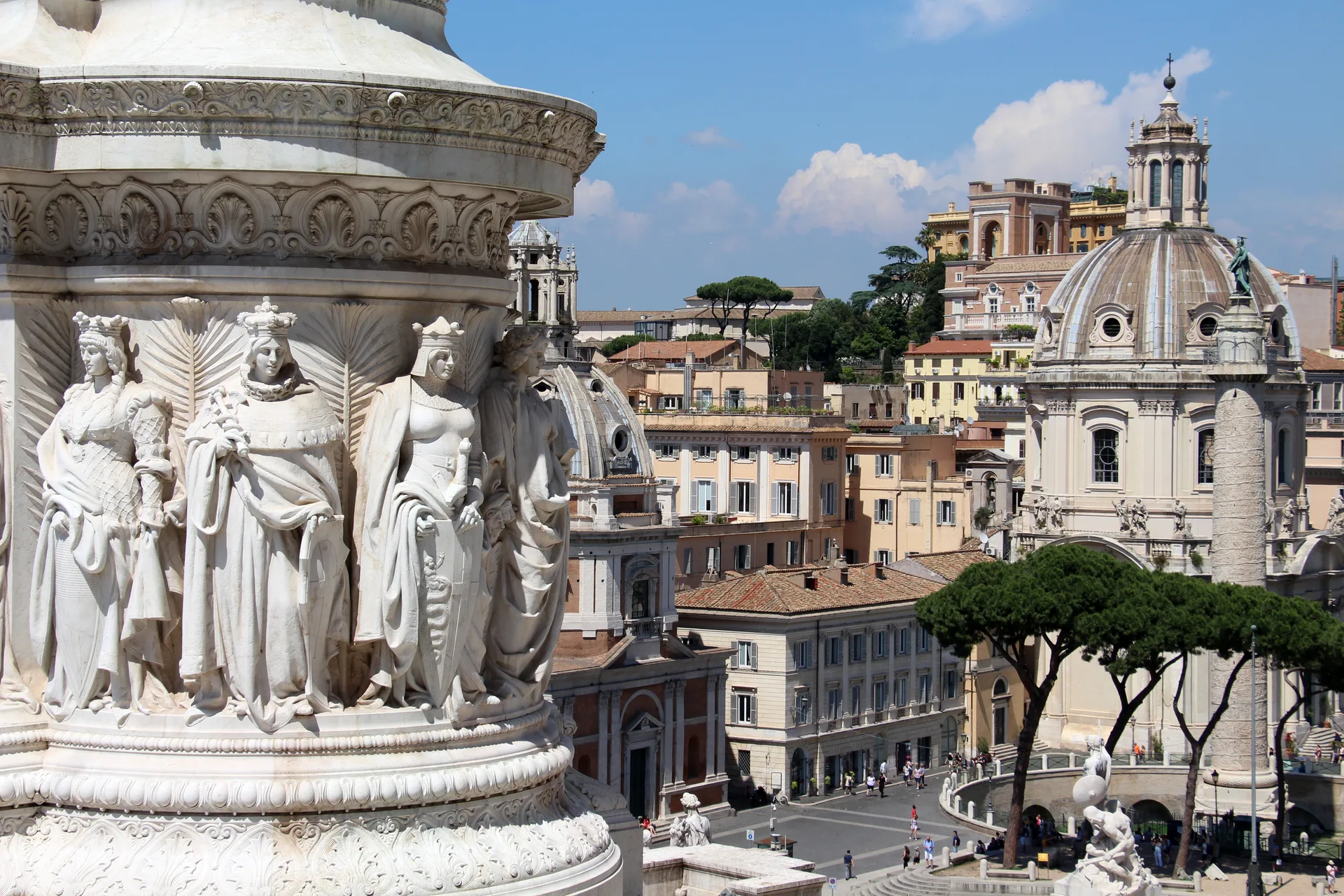
Vittoriano (Altare della Patria)
The gleaming white marble monument dominating Piazza Venezia, built to honour Italy's first king and unification — Romans call it 'the typewriter' or 'the wedding cake,' and rarely mean it kindly.
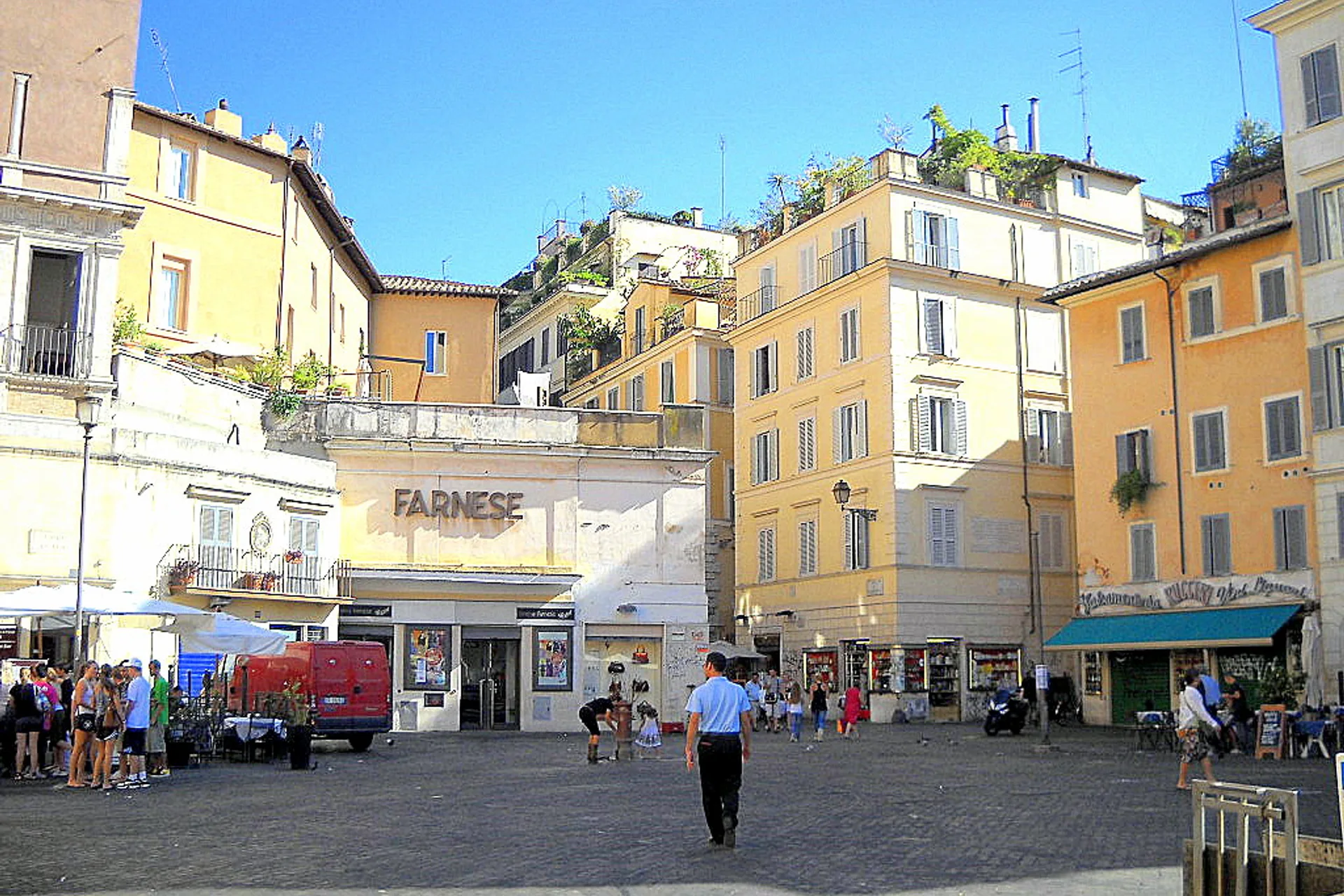
Campo de' Fiori Market
Rome's oldest and liveliest morning market, in a square that doubled as a public execution site — fruit, flowers and street food by day, one of the centre's busiest bar squares by night.
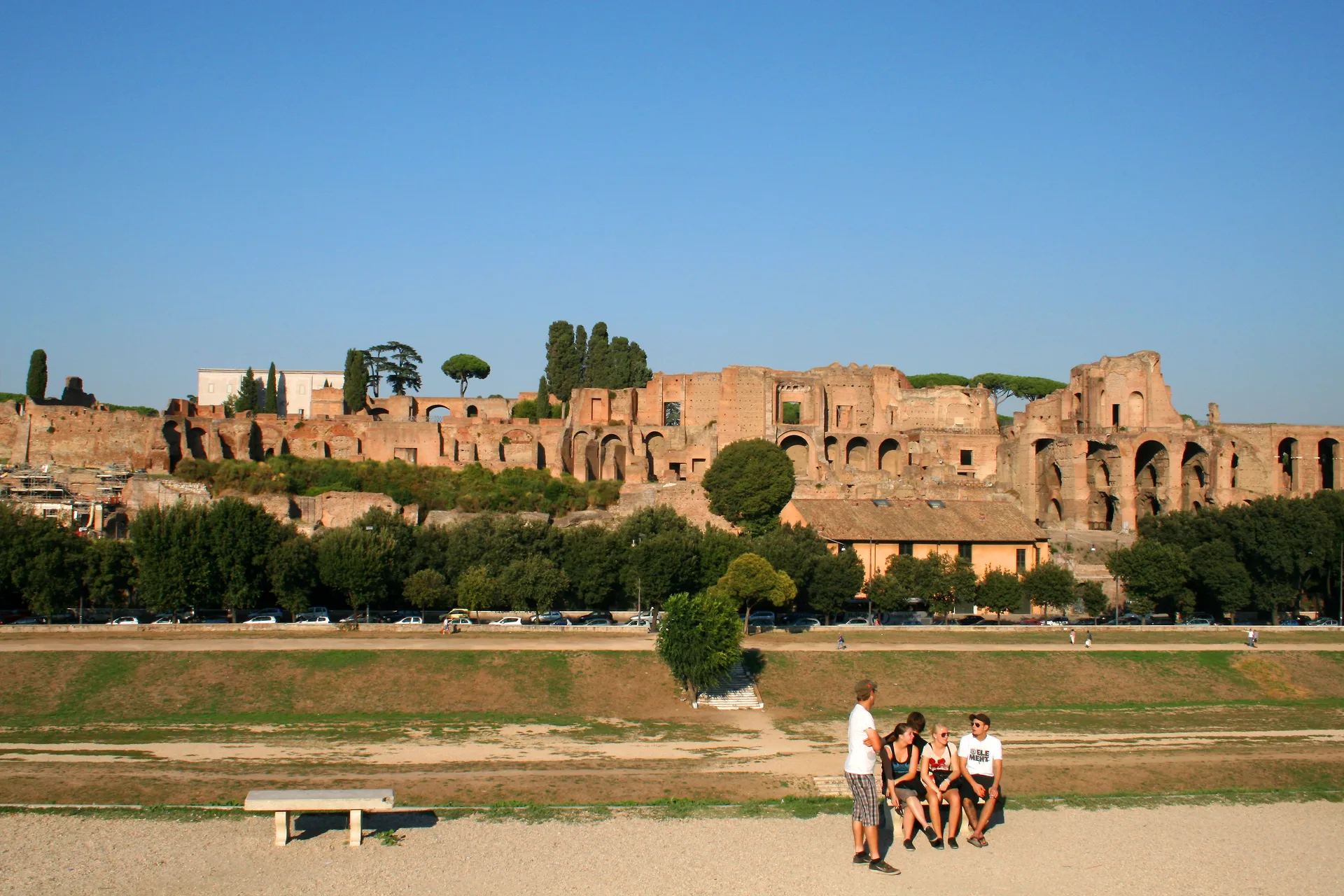
Circus Maximus
Ancient Rome's giant chariot-racing stadium, now a free open grass park in the valley between the Palatine and Aventine Hills — bring imagination, since almost nothing structural survives above ground.
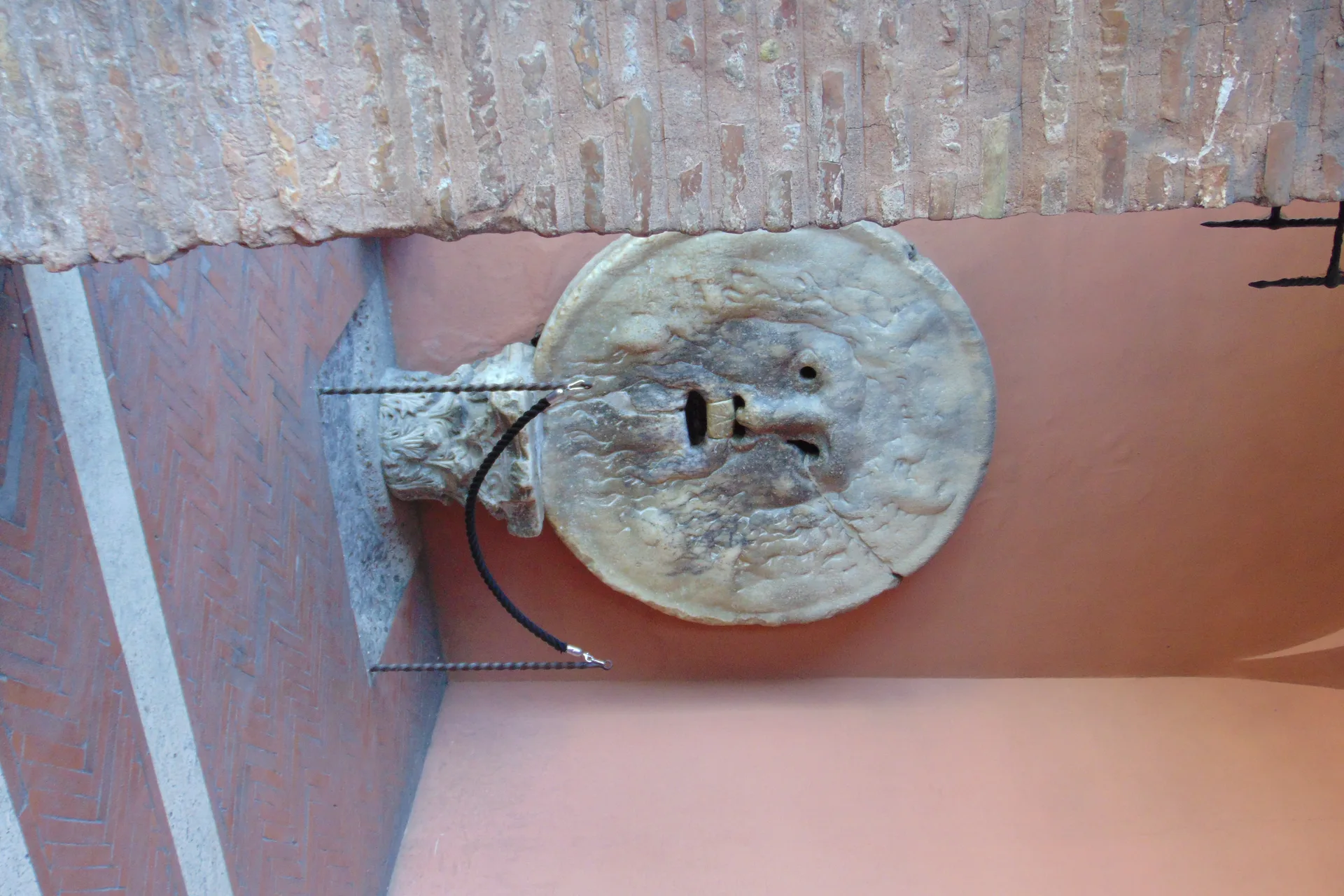
Bocca della Verità (Mouth of Truth)
A 1st-century marble drain cover turned medieval lie-detector legend — stick your hand in its mouth and, tradition says, it bites liars. Free, quick, and a genuine Roman Holiday film location.