
Best for
Ancient Rome enthusiasts wanting a Pompeii-scale experience without leaving the Rome area
Time needed
Half a day, including train travel (4–6 hours total)
Worth it?
Yes — one of the best-value ancient sites near Rome
Skip if
You have less than a full day free or have already visited Pompeii itself
About Ostia Antica
Ostia was founded as Rome's port city at the mouth of the Tiber, traditionally dated to the 4th century BC though archaeology suggests an even earlier military origin, and it grew over subsequent centuries into a major commercial hub handling grain shipments and trade goods for the entire capital — a genuinely essential piece of infrastructure for feeding a city that, at its imperial peak, housed roughly a million people.
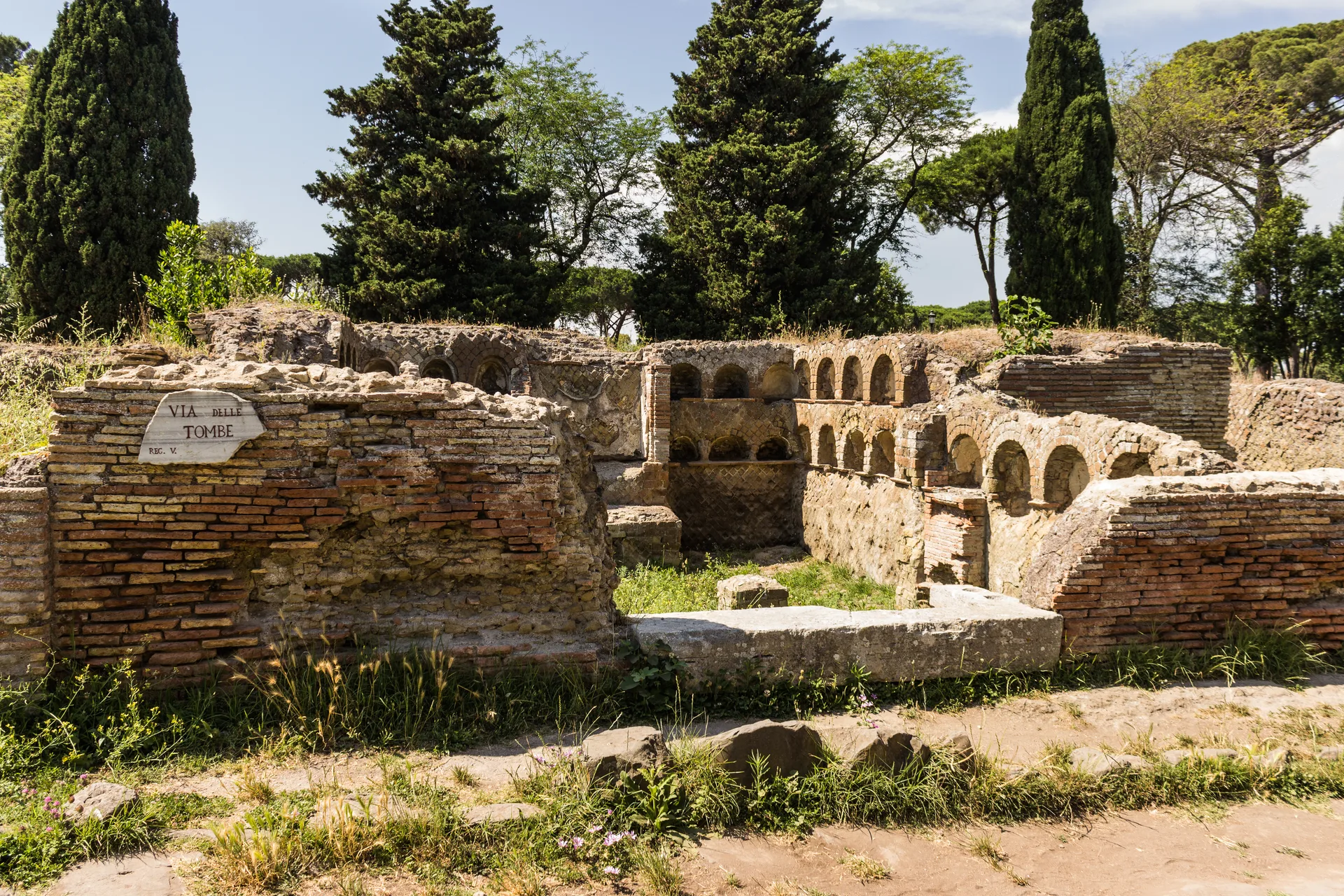
Unlike Pompeii, Ostia wasn't buried in a single catastrophic event; it was gradually abandoned starting in the 4th and 5th centuries AD as silting shifted the coastline and the port lost its practical function, and the slow decline actually helped preserve the site, since it was never fully quarried for building material the way structures inside Rome itself were. The result is an archaeological site of comparable scale and preservation quality to Pompeii, with a fraction of the visitor numbers and none of the volcanic destruction.
Read the full storyShow less
Highlights spread across a genuinely large site include the well-preserved Roman theatre, still used for occasional performances; the Baths of Neptune with a striking mosaic floor depicting the sea god; a row of ancient shopfronts and thermopolia (Roman fast-food counters, complete with visible serving counters and storage jars); and an unusually intact multi-storey apartment block, the Insula, offering a rare direct look at how ordinary Roman city-dwellers actually lived, distinct from villa and palace archaeology.
Ostia is easily reachable independently — a regional train from Rome's Piramide/Porta San Paolo station takes roughly 35 minutes and costs a few euros each way — making a self-guided day trip entirely feasible, though a guided tour adds valuable context to a site that, like the Roman Forum, can feel overwhelming and difficult to read without some background explanation.
What to See: Highlights
- 1A well-preserved ancient Roman theatre, still occasionally used for performances
- 2The Baths of Neptune's mosaic floor
- 3Ancient shopfronts and thermopolia (Roman fast-food counters)
- 4The Insula, a rare intact multi-storey ancient Roman apartment block
- 5Comparable scale and preservation to Pompeii, with far fewer visitors
Skip the Queue — Book Tickets Online
Same admission, instant confirmation. Compare prices across platforms.
Affiliate disclosure — we may earn a commission at no extra cost to you.
Insider Tips
Reachable independently by regional train from Piramide station in about 35 minutes
Wear sun protection and bring water — the site is large and largely uncovered
Budget at least 3 hours to see the site properly; it's genuinely bigger than most visitors expect
A guided tour adds real context, similar to the Roman Forum's need for interpretation
Closed Mondays — plan your day trip around this
Book a Guided Tour
Get the most from your visit with a local expert guide.
Affiliate disclosure — we may earn a commission at no extra cost to you.
Getting There
Viale dei Romagnoli, 717, 00119 Ostia Antica, Roma
Open in Google Maps →- 1Regional train from Piramide/Porta San Paolo station (near Metro B Piramide) to Ostia Antica stop, roughly 35 minutes, then a 10–15 minute walk.
Where to stay
Hotels in Rome
Compare prices across hundreds of hotels near this attraction — from budget hostels to luxury stays. Free cancellation on most rooms.
Affiliate disclosure — we may earn a commission at no extra cost to you. Powered by Booking.com.
Frequently Asked Questions
Everything you need to know before you visit.
Is Ostia Antica worth visiting?+−
How long does a visit to Ostia Antica take?+−
Who is Ostia Antica best for?+−
Do I need to book tickets in advance for Ostia Antica?+−
Is Ostia Antica included with the Rome city pass?+−
Should You Visit?
Visit if...
- You want Pompeii-level preservation without a long-distance trip
- You're staying in Rome multiple days and want a change of pace from the historic centre
- You appreciate understanding everyday ancient Roman life, not just monuments
- You're comfortable with independent train travel or want a guided day-trip option
Skip if...
- You have only 1–2 days in Rome and need to prioritise the historic centre
- You've already visited Pompeii and want variety instead
- You can't dedicate at least half a day to the round trip
Ready to Book Your Visit?
More to See in Rome

Centrale Montemartini
Ancient Roman marble statues displayed among the silent turbines and boilers of Rome's first public power plant — the city's strangest and most striking museum juxtaposition.
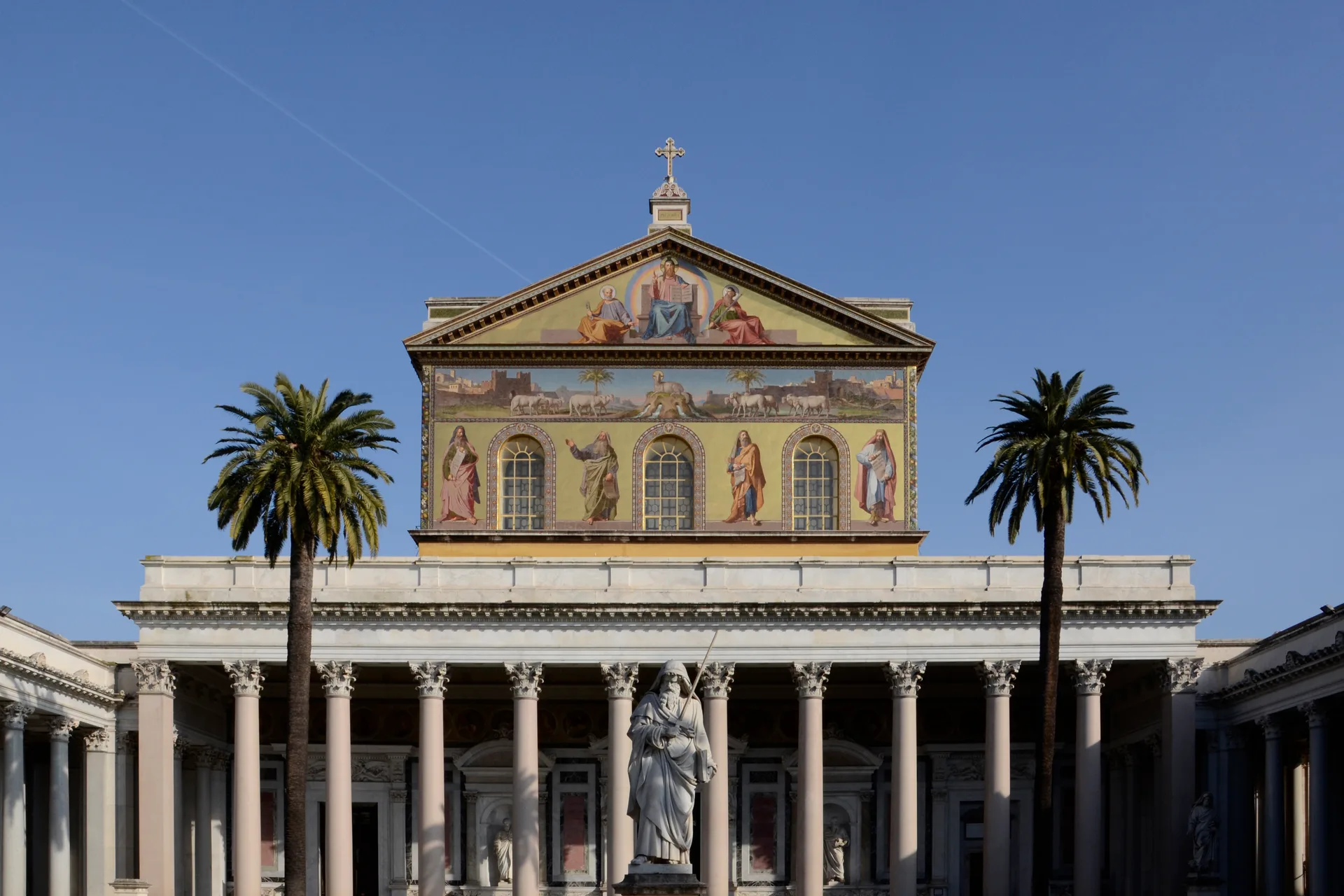
Basilica di San Paolo Fuori le Mura
St. Paul Outside the Walls — the second-largest church in Rome after St. Peter's, rebuilt after a devastating 1823 fire, with mosaic portraits of every pope in history ringing the nave.
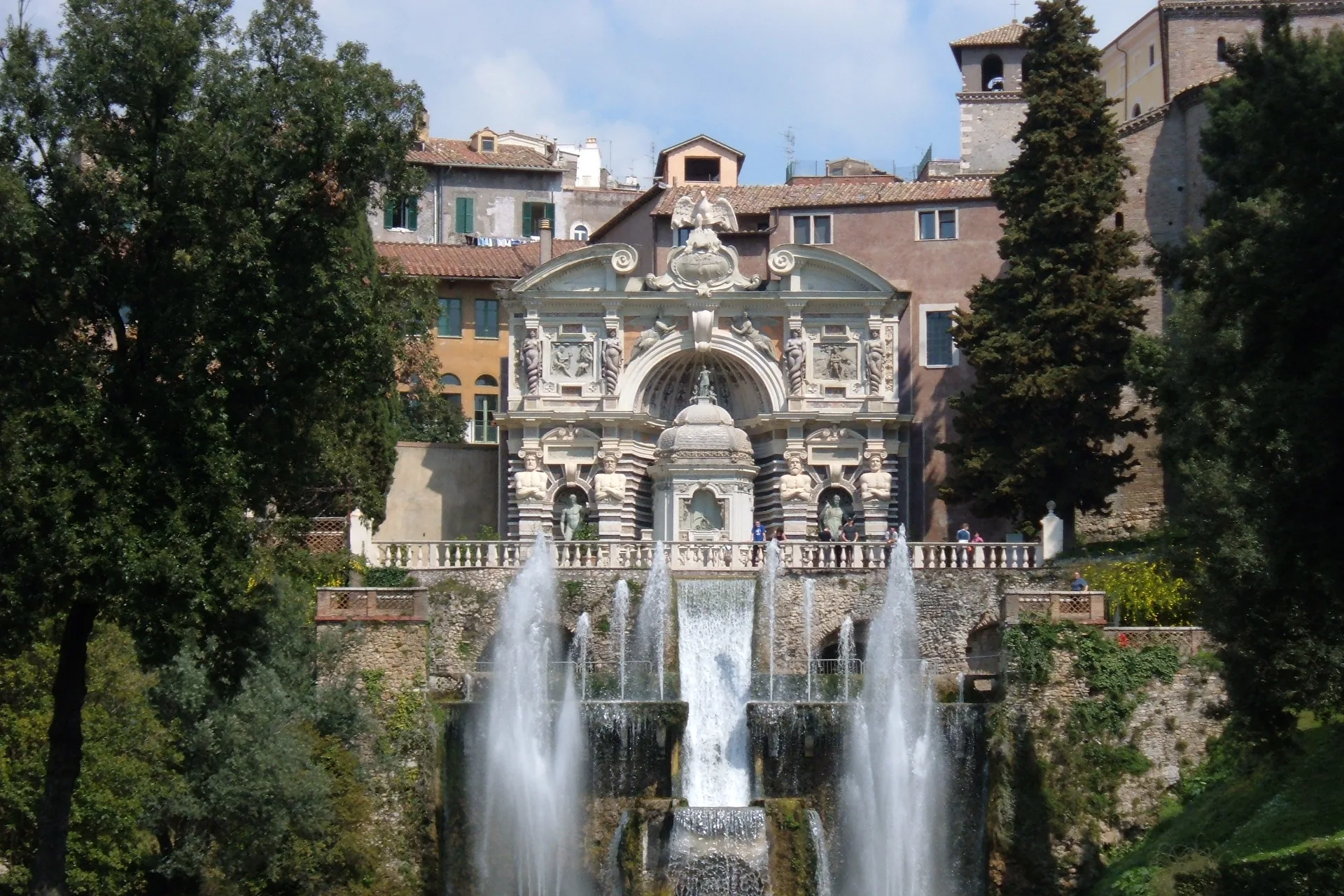
Tivoli Day Trip — Villa d'Este & Hadrian's Villa
Two UNESCO World Heritage sites in one hill town outside Rome — a Renaissance cardinal's fountain-filled pleasure garden and an emperor's sprawling private retreat, best done as a full-day guided trip.