
Best for
Photography fans, anyone who wants an offbeat, uncrowded museum experience
Time needed
1–1.5 hours
Worth it?
Yes — a genuinely unique concept, well executed
Skip if
You're only interested in central, walkable sights and won't make the trip south
About Centrale Montemartini
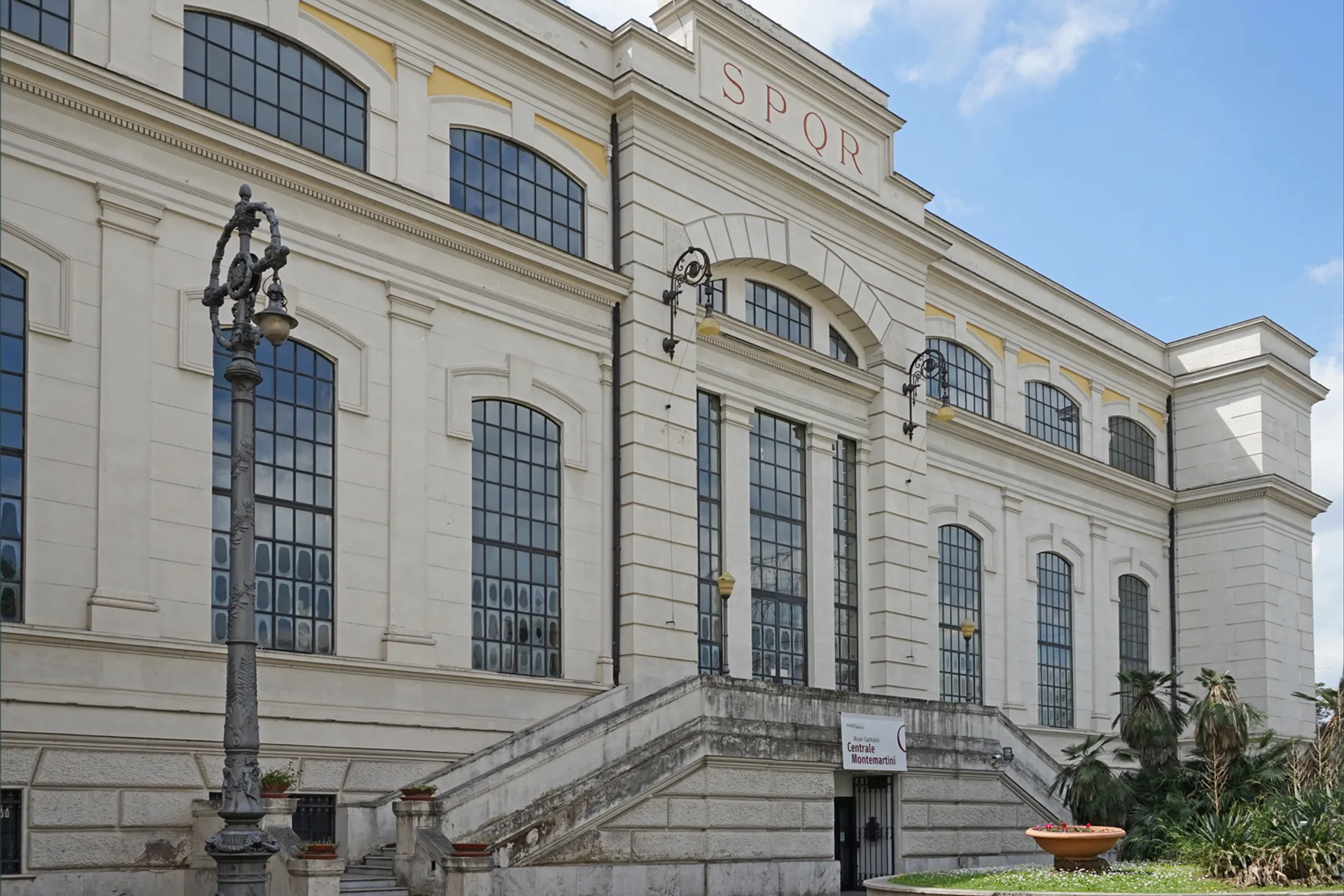
Centrale Montemartini began life in 1912 as Rome's first public electricity plant, generating power for the city's tram network and street lighting until it was decommissioned in the 1960s. In 1997, while the Capitoline Museums underwent renovation, a batch of ancient Roman sculpture was moved here as a supposedly temporary storage-and-display solution — a huge success with visitors, and the arrangement became permanent.
The result is one of the most visually striking small museums in Europe: rows of pristine white marble gods, emperors and mythological figures standing directly among the plant's original industrial machinery — massive black diesel engines, boilers and turbines left exactly as they were when the plant went silent. The contrast between cold, precise ancient marble and rusted early-20th-century industrial ironwork produces a kind of visual dialogue that a conventional white-cube gallery could never manage.
Read the full storyShow less
The sculpture itself is genuinely first-rate, mostly overflow from the Capitoline's core collection: a striking Hellenistic Muse, fragments of the Temple of Apollo Sosianus pediment (a rare survival of ancient architectural sculpture in situ-adjacent context), and a large mosaic floor depicting a hunting scene, laid directly beneath one of the old turbine halls.
Because it sits in Ostiense, south of the historic centre near the Piramide and Garbatella districts, Centrale Montemartini gets only a fraction of the footfall of central Rome's museums — a near-guarantee of a quiet, uncrowded visit even in high season, and reason enough on its own for repeat visitors to seek it out.
What to See: Highlights
- 1Ancient Roman marble sculpture displayed among original industrial power-plant machinery
- 2A striking Hellenistic Muse and pediment fragments from the Temple of Apollo Sosianus
- 3A large ancient Roman hunting-scene mosaic floor
- 4Rome's first public power plant, preserved as industrial heritage
- 5Consistently uncrowded even during peak season
Skip the Queue — Book Tickets Online
Same admission, instant confirmation. Compare prices across platforms.
Affiliate disclosure — we may earn a commission at no extra cost to you.
Insider Tips
One of Rome's most photogenic small museums — bring a camera for the machinery-meets-marble contrast
Combine with a walk through the Ostiense or Garbatella street-art districts
Far less crowded than any central-Rome museum — a good midday escape from the heat and lines
Small enough to see properly in under 90 minutes
Check ahead for occasional evening openings with different lighting
Book a Guided Tour
Get the most from your visit with a local expert guide.
Affiliate disclosure — we may earn a commission at no extra cost to you.
Getting There
Via Ostiense, 106, 00154 Roma RM
Open in Google Maps →- 1Metro B to Garbatella, then a 10-minute walk. Also reachable via tram 3 or bus 23/271 along Via Ostiense.
Where to stay
Hotels in Rome
Compare prices across hundreds of hotels near this attraction — from budget hostels to luxury stays. Free cancellation on most rooms.
Affiliate disclosure — we may earn a commission at no extra cost to you. Powered by Booking.com.
Frequently Asked Questions
Everything you need to know before you visit.
Is Centrale Montemartini worth visiting?+−
How long does a visit to Centrale Montemartini take?+−
Who is Centrale Montemartini best for?+−
Do I need to book tickets in advance for Centrale Montemartini?+−
Is Centrale Montemartini included with the Rome city pass?+−
Should You Visit?
Visit if...
- You want to see something visually different from Rome's standard museum format
- You're staying long enough to venture beyond the historic centre
- You enjoy photography and unusual juxtapositions
- You'd rather avoid the crowds of central Rome's bigger museums
Skip if...
- You're on a very short visit focused purely on the must-see central sights
- You have no interest in industrial heritage alongside the sculpture
- Travel time outside the centre isn't in your itinerary
Ready to Book Your Visit?
More to See in Rome
Capitoline Museums
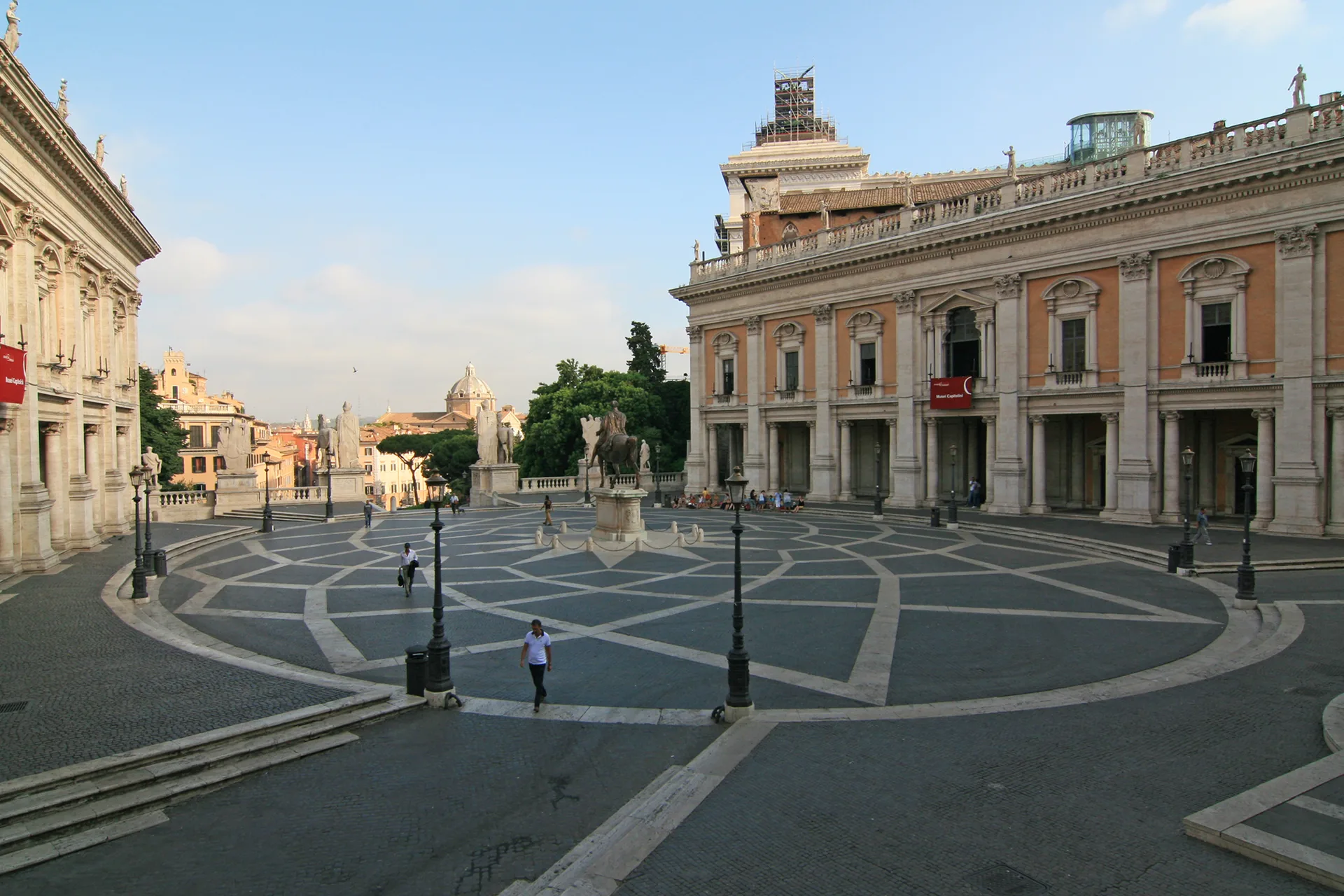
The world's oldest public museum, opened in 1471 on the Capitoline Hill — home to the Capitoline Wolf, Marcus Aurelius's original bronze equestrian statue, and a room overlooking the Roman Forum.
Testaccio Market
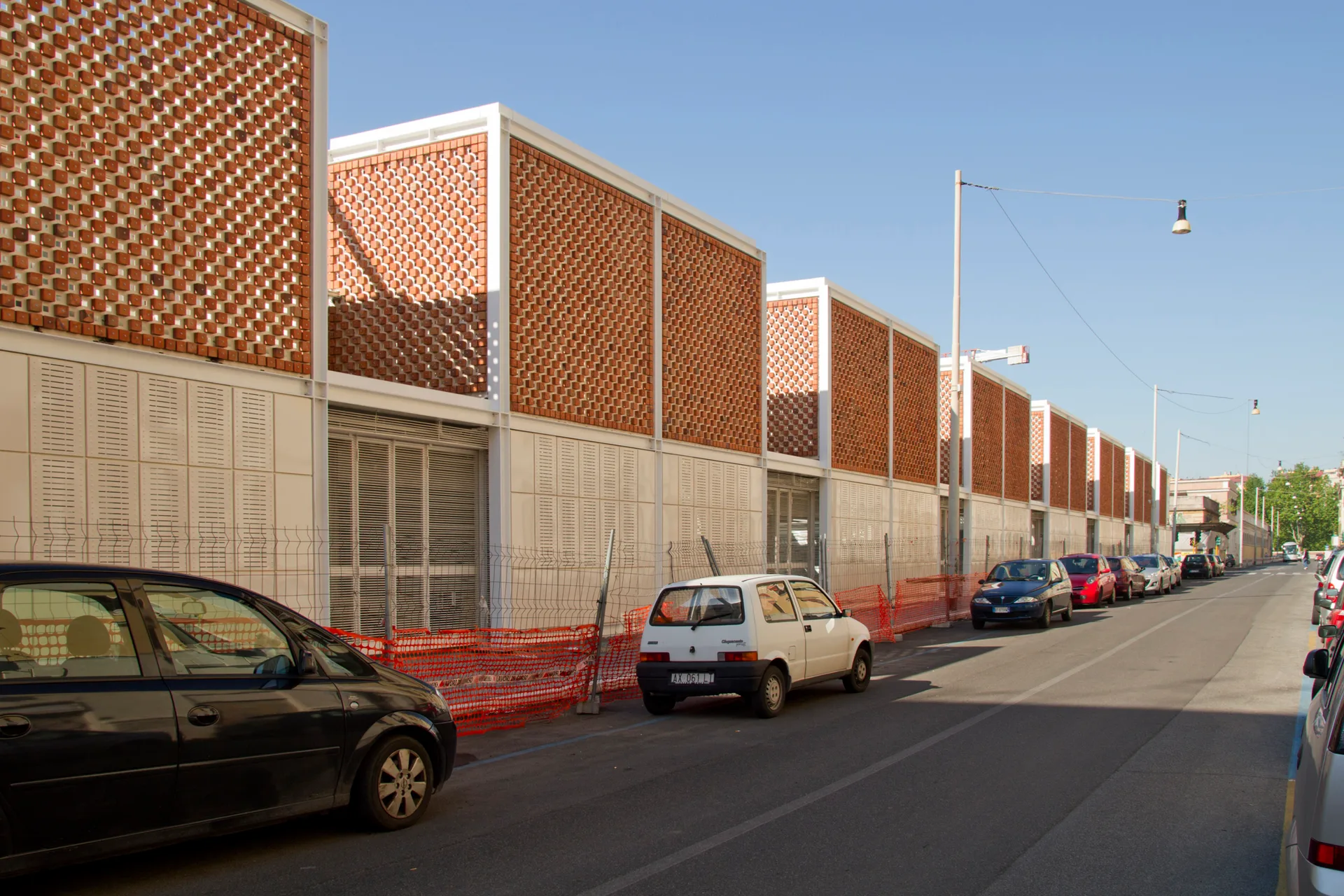
A modern covered market in Rome's historic working-class food and slaughterhouse district — the most reliably authentic, least touristy food market in the city, and the birthplace of Roman offal cuisine.