
Best for
Ancient Roman sculpture fans, architecture-curious visitors, quick stops between sights
Time needed
45–75 minutes
Worth it?
Yes for the relief carving alone — modest but genuinely excellent
Skip if
You're not interested in a single-monument museum and have limited time
About Ara Pacis Museum
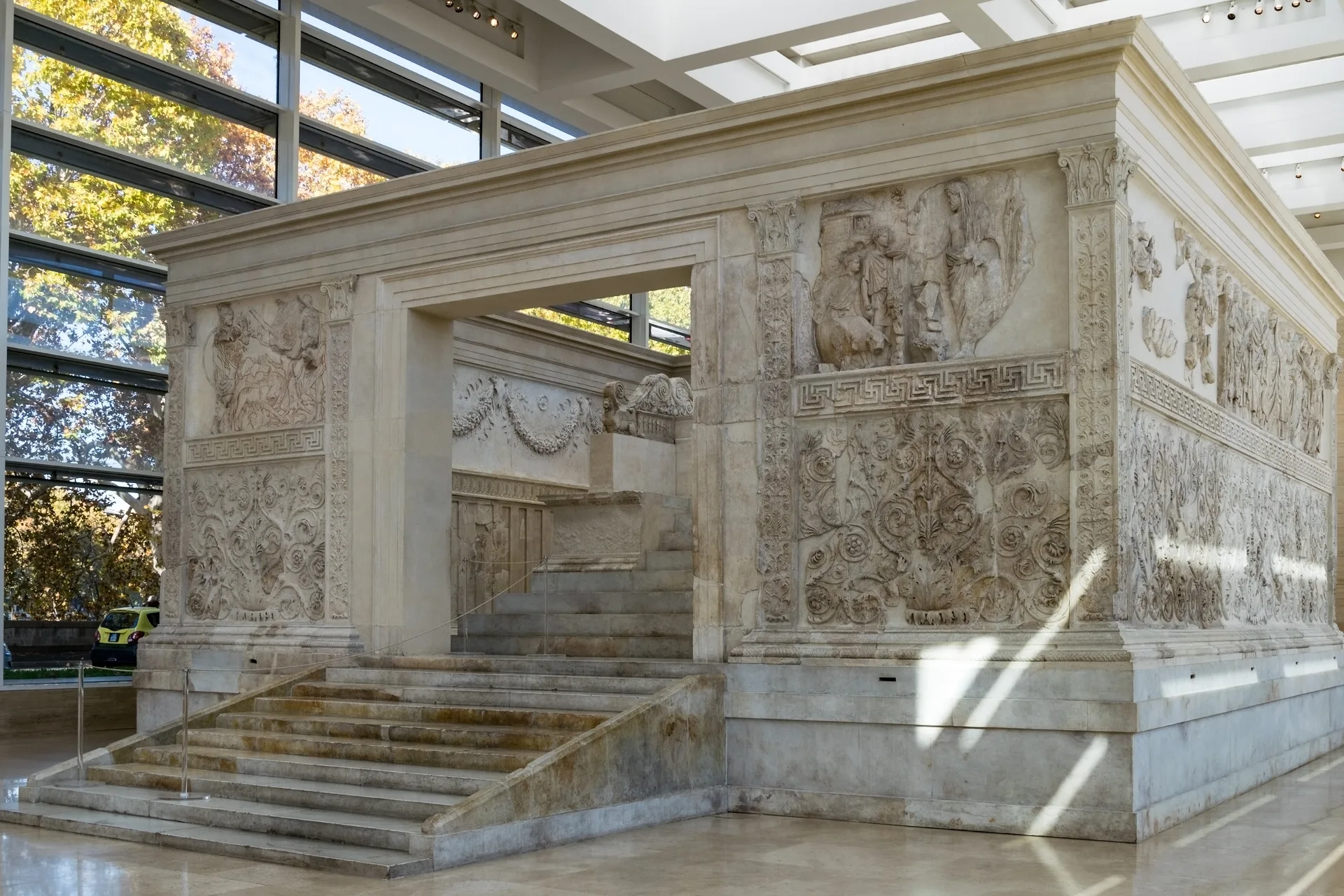
The Ara Pacis Augustae — Altar of Augustan Peace — was commissioned by the Roman Senate in 13 BC to celebrate Augustus's safe return from campaigns in Spain and Gaul, and completed in 9 BC as a monument to the stability of his new imperial regime. Its marble relief panels are considered among the finest surviving examples of Augustan-era sculpture: a long processional frieze depicting the imperial family, senators and priests walking in ceremony, carved with an individualized, almost portrait-like naturalism unusual for state monuments of the period.
The altar didn't survive in one piece or in one place. Buried under silt from Tiber floods for centuries, its fragments were excavated piecemeal starting in the 16th century and scattered across several European collections before Mussolini had it reassembled near its original site in 1938 as part of his campaign to link Fascist Italy to imperial Roman glory — a piece of the altar's modern history that's as politically loaded as its ancient one.
Read the full storyShow less
The building it sits in now, opened in 2006, was Rome's first major new construction in the historic centre since the Fascist era, and architect Richard Meier's stark white modernist glass box provoked years of controversy for its contrast with the surrounding Baroque and Renaissance streetscape — critics called it a jarring intrusion, defenders called it exactly the kind of contemporary architectural statement a living city should be able to make.
Whatever one thinks of the building, natural light was the whole point: for the first time since antiquity, the altar's relief carving can be studied in something close to the daylight conditions it was designed for, which makes the detail — down to individual folds of togas and children tugging at their parents' robes — genuinely easier to appreciate than in a conventional gallery.
What to See: Highlights
- 1The Ara Pacis relief frieze depicting Augustus's imperial family in procession
- 2One of the best-preserved examples of Augustan-era Roman sculpture
- 3Richard Meier's controversial 2006 glass-and-travertine pavilion
- 4Natural daylight display conditions close to the altar's original setting
- 5Compact, focused visit — easy to combine with Piazza del Popolo or the Spanish Steps
Skip the Queue — Book Tickets Online
Same admission, instant confirmation. Compare prices across platforms.
Affiliate disclosure — we may earn a commission at no extra cost to you.
Insider Tips
It's a small, single-monument museum — 45–60 minutes is enough for most visitors
Free entry on the first Sunday of the month
Combine easily with a walk to Piazza del Popolo or along the river
Check for rotating temporary exhibitions, which sometimes carry a supplement
Good rainy-day option given its compact, fully indoor format
Book a Guided Tour
Get the most from your visit with a local expert guide.
Affiliate disclosure — we may earn a commission at no extra cost to you.
Getting There
Lungotevere in Augusta (corner Via Tomacelli), 00186 Roma RM
Open in Google Maps →- 1A 10-minute walk from Piazza del Popolo or the Spanish Steps. Bus lines 81, 117, 628 stop nearby along the river.
Where to stay
Hotels in Rome
Compare prices across hundreds of hotels near this attraction — from budget hostels to luxury stays. Free cancellation on most rooms.
Affiliate disclosure — we may earn a commission at no extra cost to you. Powered by Booking.com.
Frequently Asked Questions
Everything you need to know before you visit.
Is Ara Pacis Museum worth visiting?+−
How long does a visit to Ara Pacis Museum take?+−
Who is Ara Pacis Museum best for?+−
Do I need to book tickets in advance for Ara Pacis Museum?+−
Is Ara Pacis Museum included with the Rome city pass?+−
Should You Visit?
Visit if...
- You want to see one of the finest surviving works of Augustan Roman sculpture
- You're curious about Richard Meier's controversial modern pavilion
- You're already near Piazza del Popolo or the river and have an hour spare
- You appreciate focused, single-subject museums over sprawling ones
Skip if...
- You've already seen enough ancient Roman relief sculpture at other sites
- You're extremely pressed for time and prioritising the Colosseum or Vatican
- Modern architecture inserted into a historic streetscape bothers you
Ready to Book Your Visit?
More to See in Rome
Castel Sant'Angelo
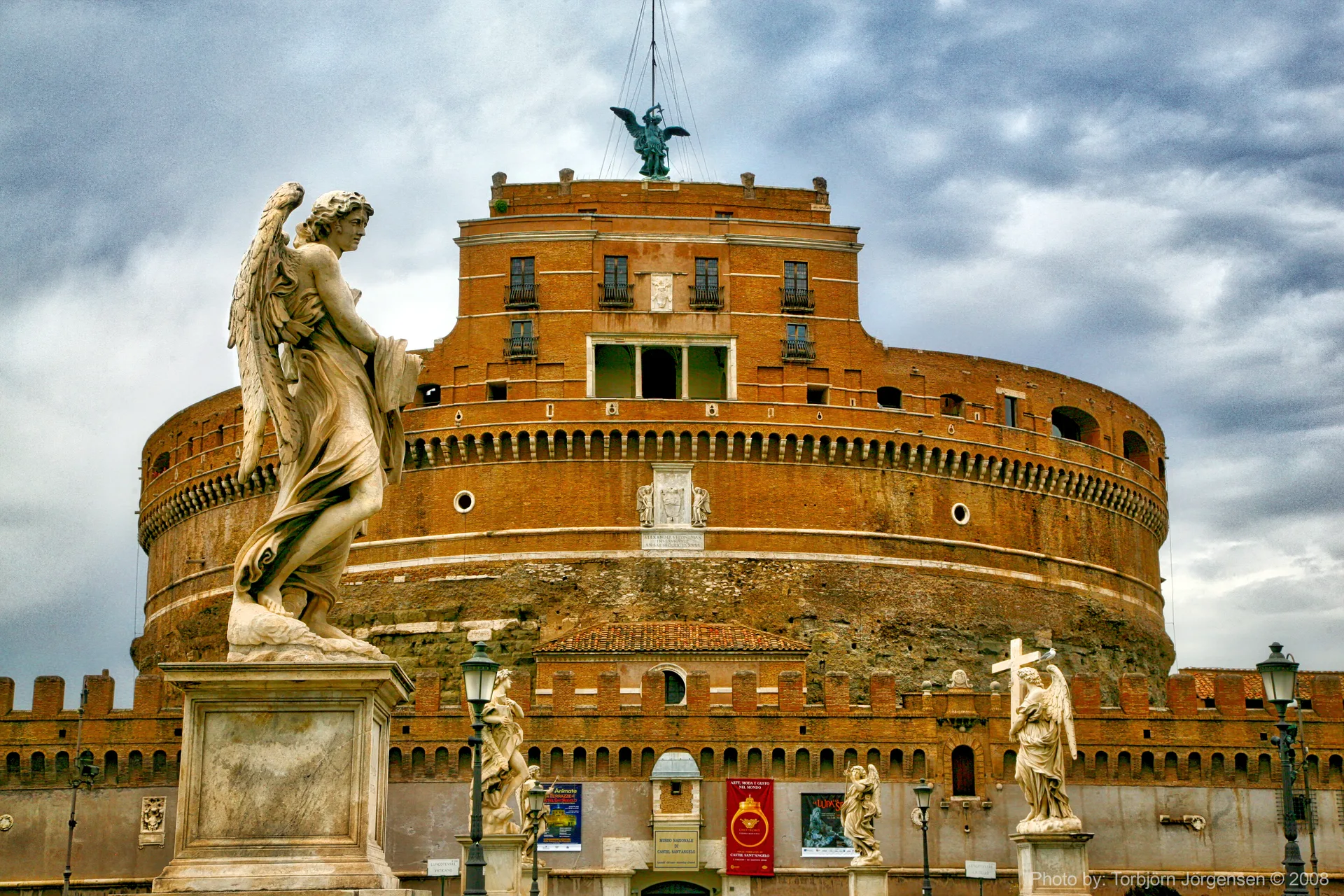
A cylindrical Roman mausoleum turned papal fortress and prison, connected to the Vatican by a secret elevated passage — climb to the rooftop for one of the best panoramic views in Rome.
Spanish Steps
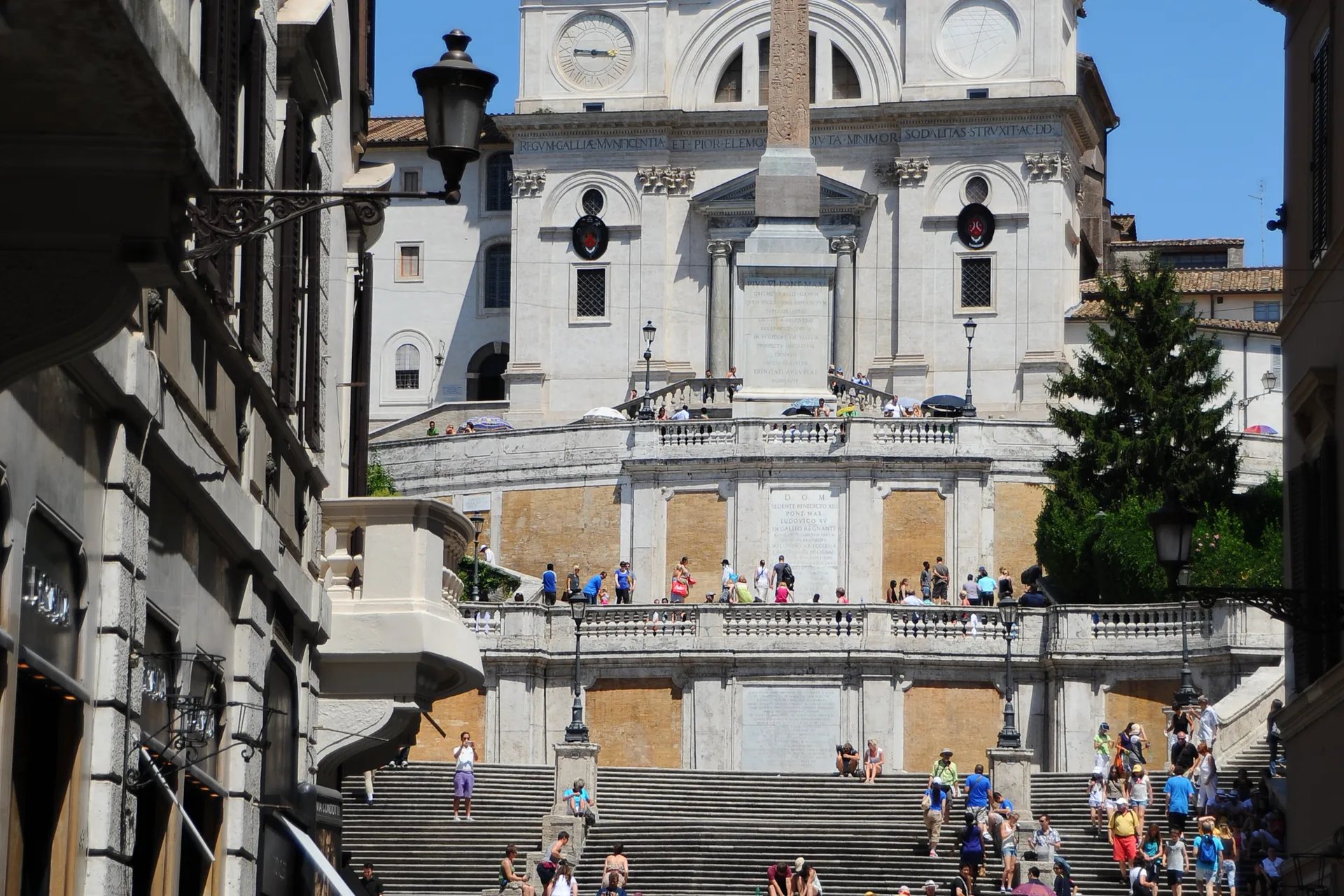
Europe's longest and widest outdoor staircase, connecting a French-funded piazza to a French church, named for a Spanish embassy — 135 steps of pure 18th-century Roman theatre.
Piazza del Popolo
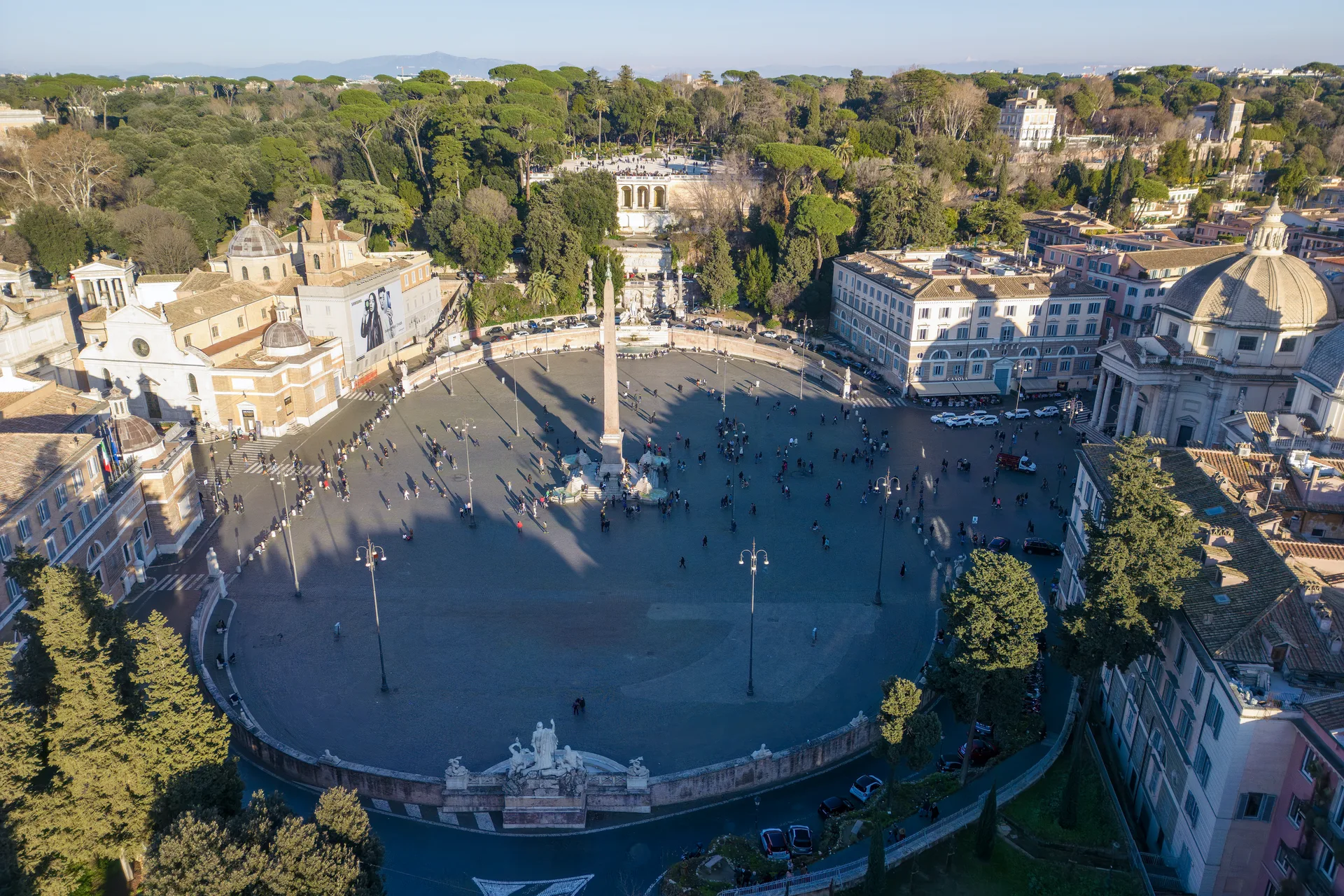
A vast neoclassical piazza at Rome's northern gate, marking the start of the ancient Via Flaminia — an Egyptian obelisk, twin Baroque churches, and one of the best free sunset viewpoints in the city just above it.