
Best for
Every visitor to Rome — a quick, free, essential stop
Time needed
20–40 minutes
Worth it?
Yes — free and genuinely iconic
Skip if
Never skip it — just don't expect to sit down and rest here
About Spanish Steps
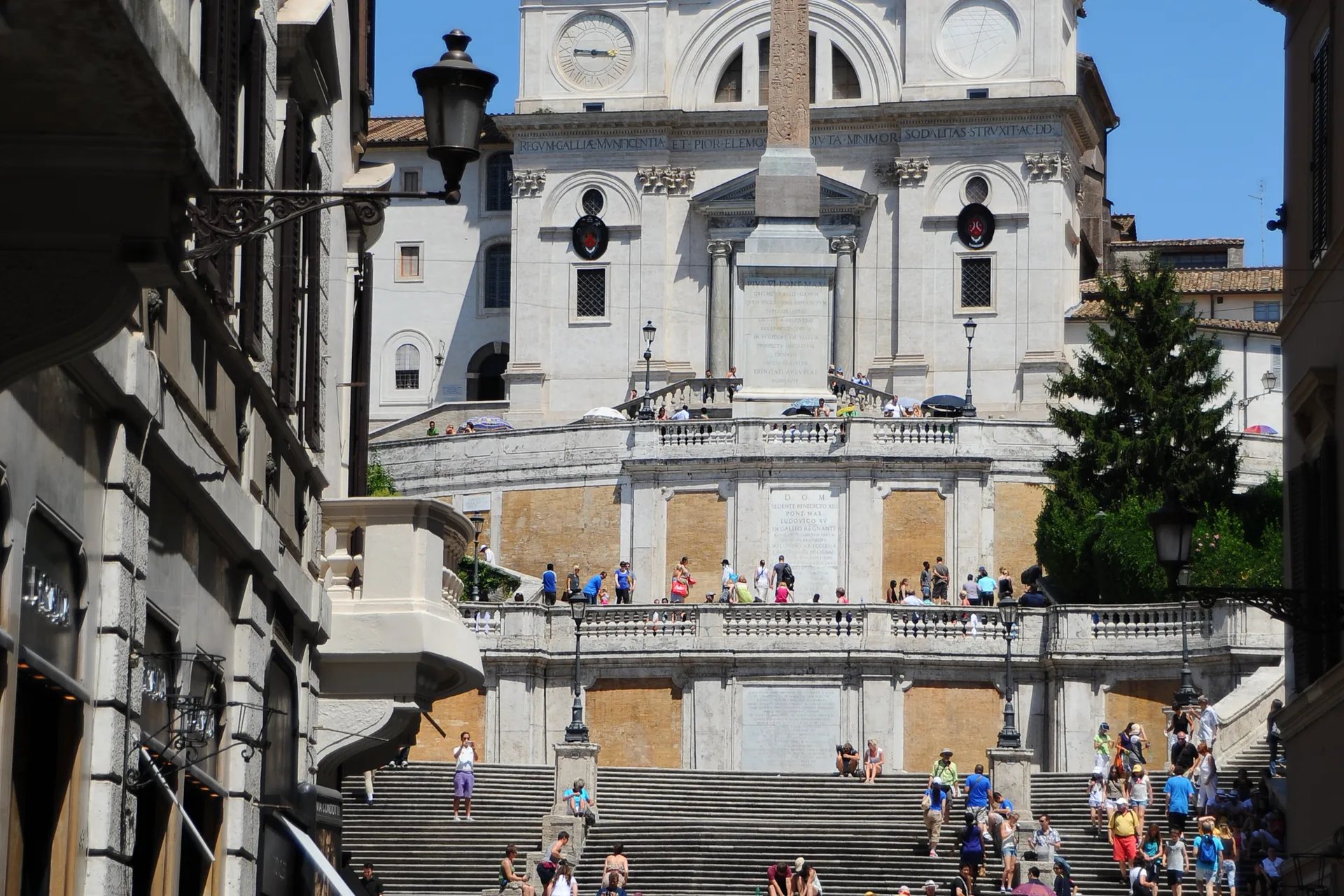
The Spanish Steps take their English name from the Spanish Embassy to the Holy See, which has stood in the piazza at the foot of the staircase since the 17th century — but the steps themselves were designed by Francesco de Sanctis and built between 1723 and 1725 using funds bequeathed by a French diplomat, to connect the piazza with the French-owned church of Trinità dei Monti at the top of the hill. The naming is a small, permanent joke about whose money actually built what.
All 135 steps unfold in a deliberately theatrical sequence of terraces, curves and landings rather than a single straight run, designed explicitly for the kind of leisurely, see-and-be-seen promenading that defined 18th-century Roman social life — and that function hasn't really changed, even if sitting on the steps themselves has been banned since 2019 to curb overcrowding and littering.
Read the full storyShow less
At the base, the Fontana della Barcaccia (Fountain of the Ugly Boat), attributed to Pietro Bernini working with his more famous son Gian Lorenzo, takes the unusual form of a half-sunken boat rather than a conventional fountain basin — reportedly inspired by a boat that washed up in the piazza during a catastrophic 1598 Tiber flood.
The surrounding Piazza di Spagna neighbourhood became, in the 18th and 19th centuries, the address of choice for foreign artists, writers and aristocrats on the Grand Tour — John Keats died in a room directly beside the steps in 1821, now preserved as the Keats-Shelley House museum, and the area remains lined with Rome's most expensive designer shopping streets (Via Condotti chief among them) leading away from the piazza's base.
What to See: Highlights
- 1135 steps in a theatrical terraced design by Francesco de Sanctis
- 2The Fontana della Barcaccia (Boat Fountain) by Bernini father and son
- 3Trinità dei Monti church at the top of the staircase
- 4Views down Via Condotti's luxury shopping street
- 5Keats-Shelley House, right beside the base of the steps
Skip the Queue — Book Tickets Online
Same admission, instant confirmation. Compare prices across platforms.
Affiliate disclosure — we may earn a commission at no extra cost to you.
Insider Tips
Sitting on the steps has been banned since 2019 and is enforced with fines
Visit early morning for photos without the dense midday crowds
Climb to the top for a free view over the rooftops toward the Villa Borghese direction
Combine with a visit to the Keats-Shelley House at the base
Via Condotti, leading off the piazza, is Rome's main luxury shopping street if that interests you
Book a Guided Tour
Get the most from your visit with a local expert guide.
Affiliate disclosure — we may earn a commission at no extra cost to you.
Getting There
Piazza di Spagna, 00187 Roma RM
Open in Google Maps →- 1Metro A to Spagna, exiting directly at the base of the steps.
Where to stay
Hotels in Rome
Compare prices across hundreds of hotels near this attraction — from budget hostels to luxury stays. Free cancellation on most rooms.
Affiliate disclosure — we may earn a commission at no extra cost to you. Powered by Booking.com.
Frequently Asked Questions
Everything you need to know before you visit.
Is Spanish Steps worth visiting?+−
How long does a visit to Spanish Steps take?+−
Who is Spanish Steps best for?+−
Do I need to book anything in advance to visit Spanish Steps?+−
Is Spanish Steps included with the Rome city pass?+−
Should You Visit?
Visit if...
- You want the classic Rome piazza-and-staircase photo
- You're interested in Grand Tour-era history and the Keats-Shelley House
- You want to window-shop along Via Condotti
- You have 20 minutes free near Piazza di Spagna
Skip if...
- You were hoping to sit and rest on the steps — that's no longer permitted
- You've already seen it from a distance and have no interest in a closer look
Ready to Book Your Visit?
More to See in Rome
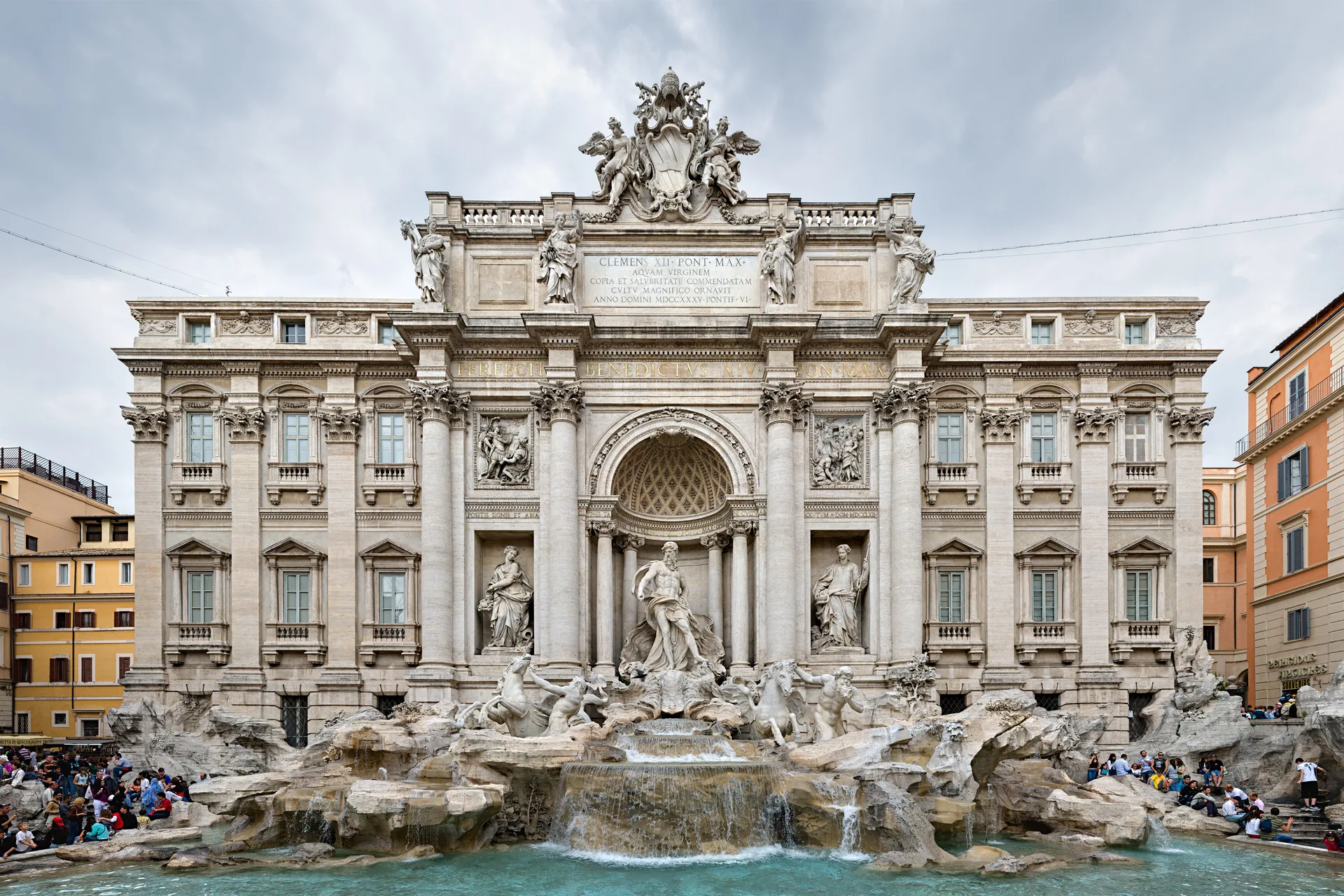
Trevi Fountain
Rome's largest and most theatrical Baroque fountain, where the tradition of throwing a coin over your shoulder to guarantee a return trip began — free to view, small fee to reach the closest railing.
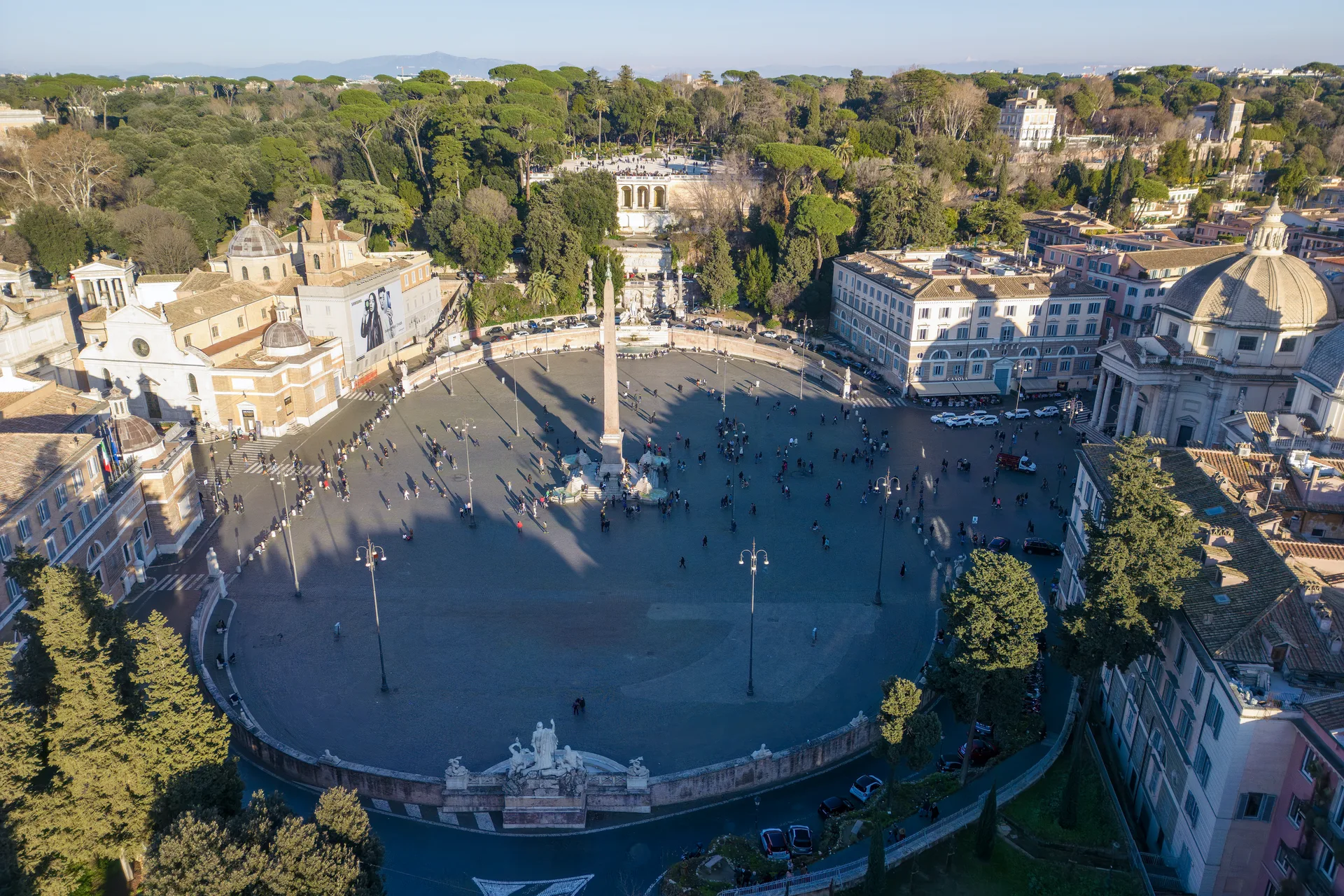
Piazza del Popolo
A vast neoclassical piazza at Rome's northern gate, marking the start of the ancient Via Flaminia — an Egyptian obelisk, twin Baroque churches, and one of the best free sunset viewpoints in the city just above it.
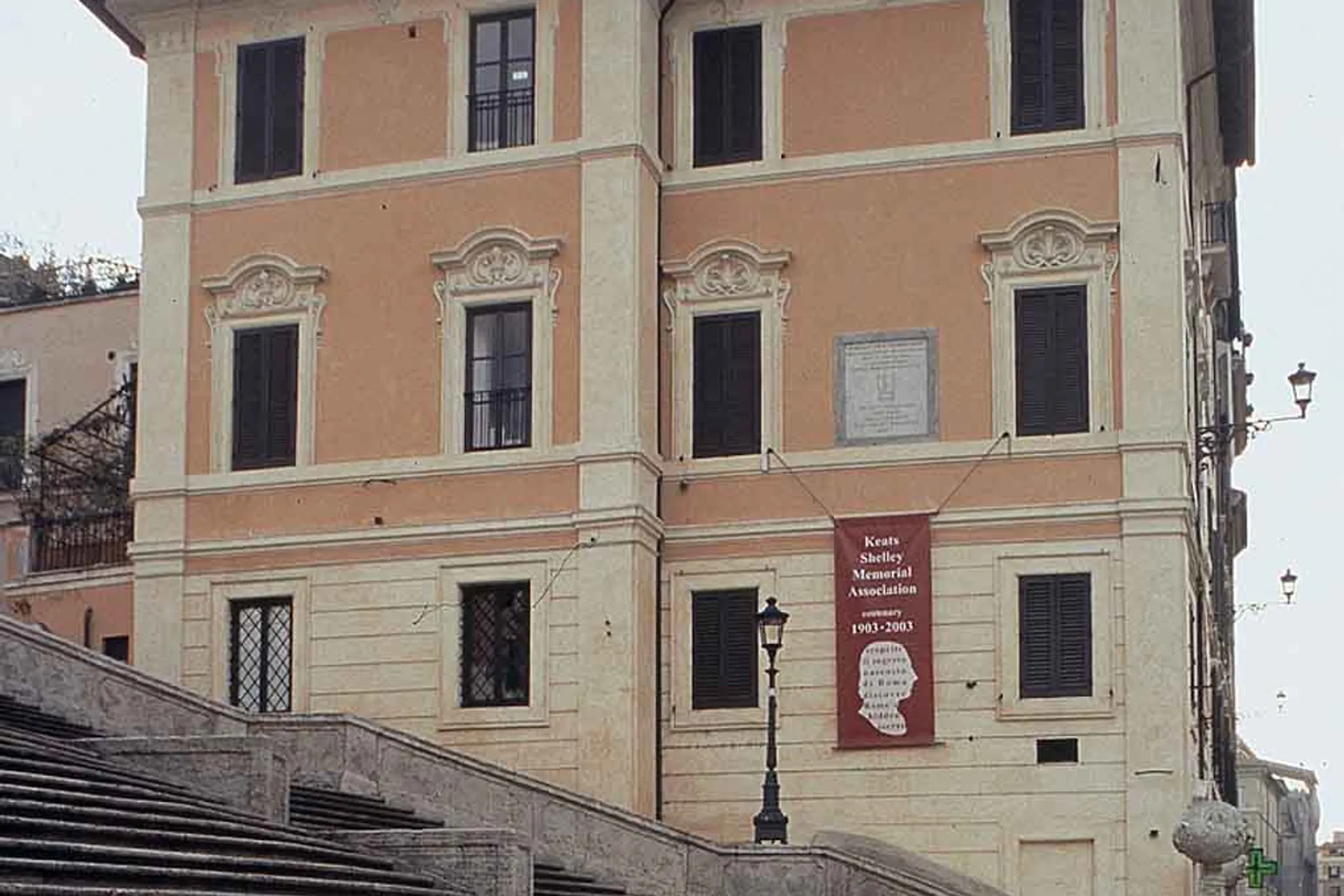
Keats-Shelley House
The small room beside the Spanish Steps where poet John Keats died in 1821, aged 25 — now a compact literary museum honouring the English Romantic poets' deep, complicated relationship with Rome.