
Best for
Book and library history enthusiasts, architecture fans, a quiet break near Piazza Navona
Time needed
30–60 minutes
Worth it?
Yes for the specific audience it appeals to — a niche but rewarding stop
Skip if
You have no particular interest in library history or historic reading rooms
About Biblioteca Angelica
Bishop Angelo Rocca, a scholar and director of the Vatican Printing House under Pope Sixtus V, founded this library in 1604 and donated his own substantial personal collection to establish it, but the truly radical part of his gesture was the condition attached: the library was to be genuinely open to the public, free of charge, regardless of a visitor's social class or standing — a startlingly egalitarian idea for early 17th-century Rome, where access to serious book collections had almost always been restricted to clergy, nobility or scholars with personal connections.
That founding principle makes the Biblioteca Angelica a serious contender, alongside Milan's Biblioteca Ambrosiana and Oxford's Bodleian, for the title of Europe's oldest public library still in continuous operation — a claim genuinely debated among librarians and historians depending on exactly how 'public' and 'library' are defined, but rarely contested for Rome specifically.
Read the full storyShow less
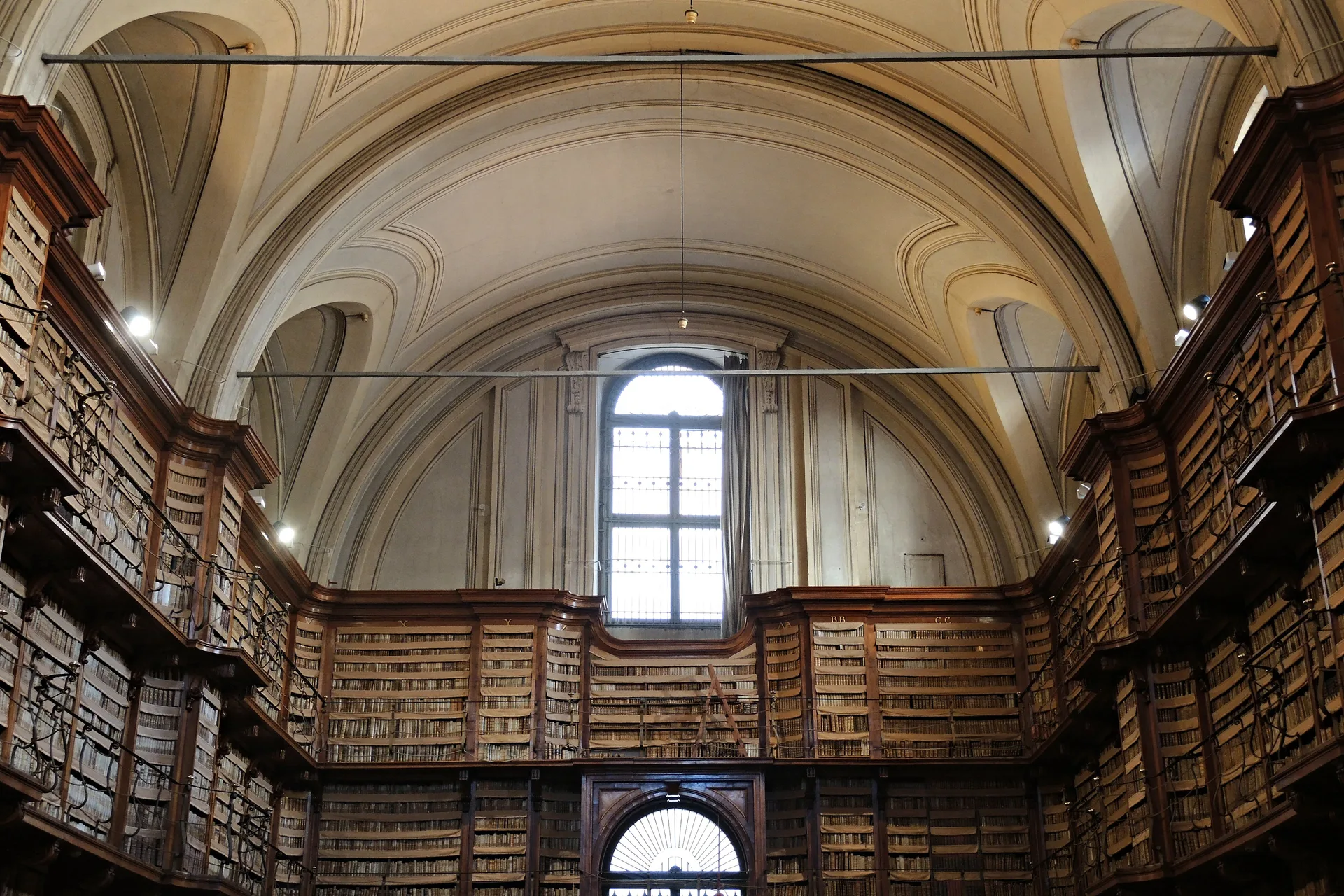
The collection has grown to over 200,000 volumes, roughly half of which make up the fondo antico — editions from the 15th through 18th centuries — alongside some 2,700 manuscripts in Latin, Greek and various Oriental languages, and around 1,100 incunabula (books printed before 1501), a genuinely serious research collection housed in a building whose principal reading room, the grand vaulted 'Vaso' hall designed under the 18th-century architect Luigi Vanvitelli, is itself a striking piece of Baroque library architecture.
Unlike a conventional tourist sight, the Angelica remains first and foremost a working scholarly institution — researchers use it daily — but it welcomes visitors during specific hours, and offers guided tours on Tuesday afternoons by advance reservation, giving a rare chance to see a still-functioning historic reading room rather than a preserved, roped-off museum piece.
What to See: Highlights
- 1A serious contender for Europe's oldest continuously operating public library, founded 1604
- 2The 'Vaso' reading hall, designed under 18th-century architect Luigi Vanvitelli
- 3Over 200,000 volumes, including 1,100 incunabula and 2,700 manuscripts
- 4A still-functioning working library, not a preserved museum piece
- 5A founding principle of free public access regardless of social class, radical for its time
Insider Tips
Book the Tuesday afternoon guided tour ahead for the fullest visitor experience
General visiting hours are more limited than a typical museum — check the current schedule before going
As a working library, keep noise to a minimum and expect researchers actively using the space
Combine easily with Piazza Navona, a 5-minute walk away
A quiet, low-key stop that rewards visitors specifically interested in library history and architecture
Getting There
Piazza di Sant'Agostino, 8, 00186 Roma RM
Open in Google Maps →- 1A 5-minute walk from Piazza Navona, near the church of Sant'Agostino.
Where to stay
Hotels in Rome
Compare prices across hundreds of hotels near this attraction — from budget hostels to luxury stays. Free cancellation on most rooms.
Affiliate disclosure — we may earn a commission at no extra cost to you. Powered by Booking.com.
Frequently Asked Questions
Everything you need to know before you visit.
Is Biblioteca Angelica worth visiting?+−
How long does a visit to Biblioteca Angelica take?+−
Who is Biblioteca Angelica best for?+−
Do I need to book anything in advance to visit Biblioteca Angelica?+−
Is Biblioteca Angelica included with the Rome city pass?+−
Should You Visit?
Visit if...
- You're interested in the history of public libraries and access to knowledge
- You appreciate quiet, atmospheric historic interiors away from crowds
- You've booked the Tuesday guided tour or are visiting during general access hours
- You're near Piazza Navona and want an offbeat stop
Skip if...
- Library history and architecture aren't a specific interest
- You haven't checked the current limited opening hours before visiting
- You're not near the Piazza Navona area
More to See in Rome
Palazzo Altemps
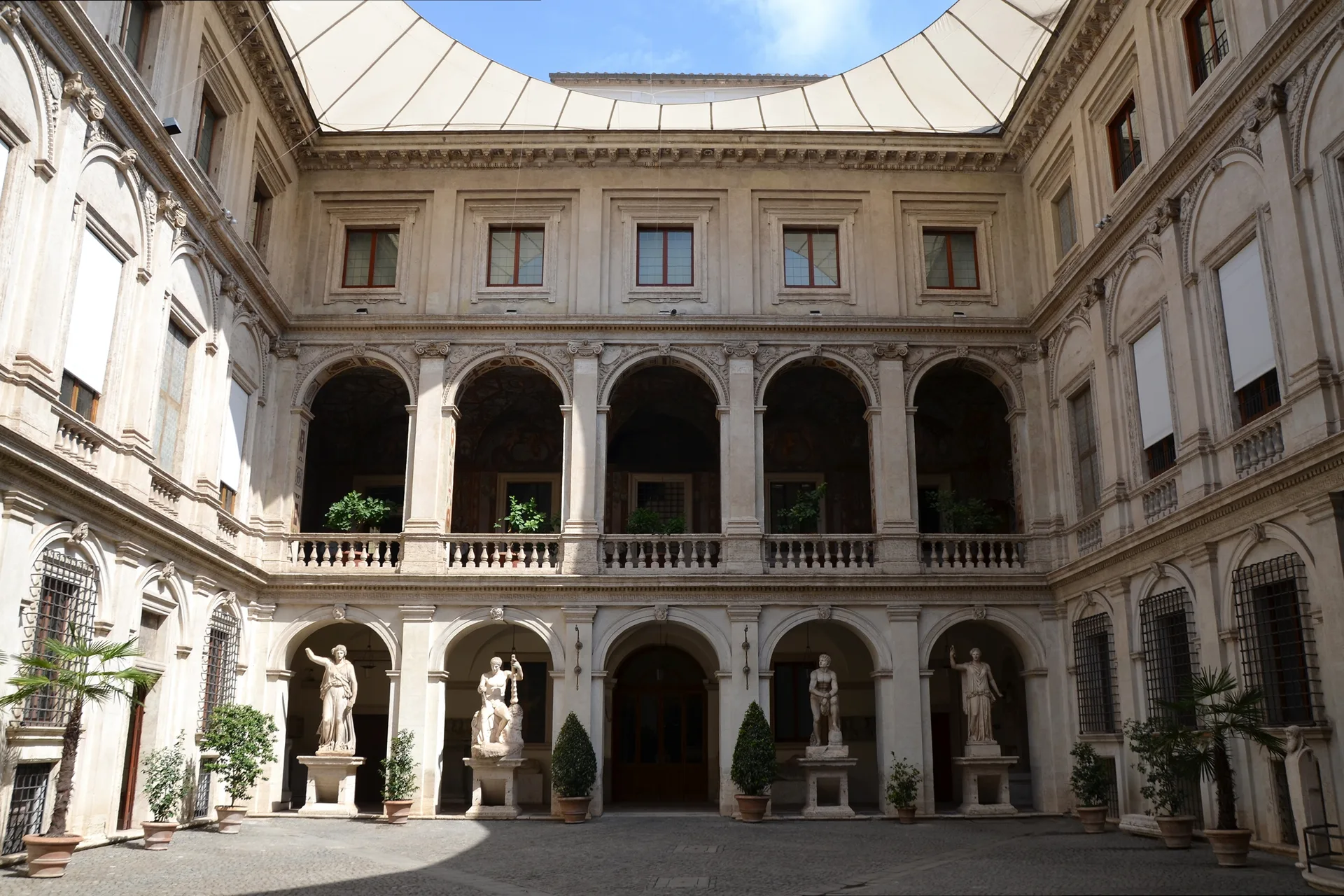
A quiet Renaissance palace near Piazza Navona holding some of the finest classical sculpture in the Museo Nazionale Romano collection, including the dramatically restored Ludovisi Throne and Galata Suicide.
Piazza Navona
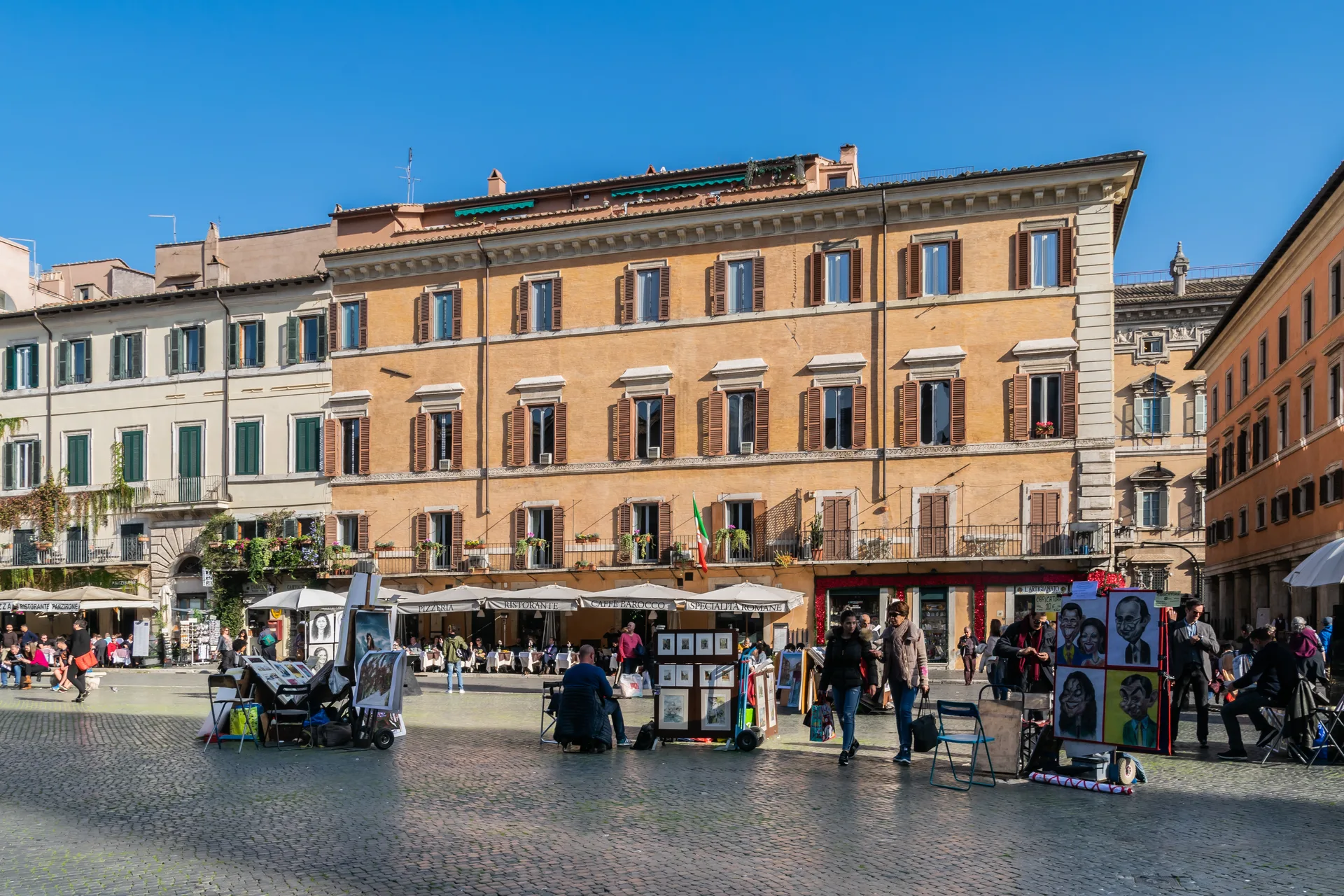
Rome's grandest Baroque piazza, shaped like the ancient stadium it was built over, anchored by Bernini's Fountain of the Four Rivers — free, open all hours, and one of the liveliest squares in the city after dark.
Biblioteca Vallicelliana
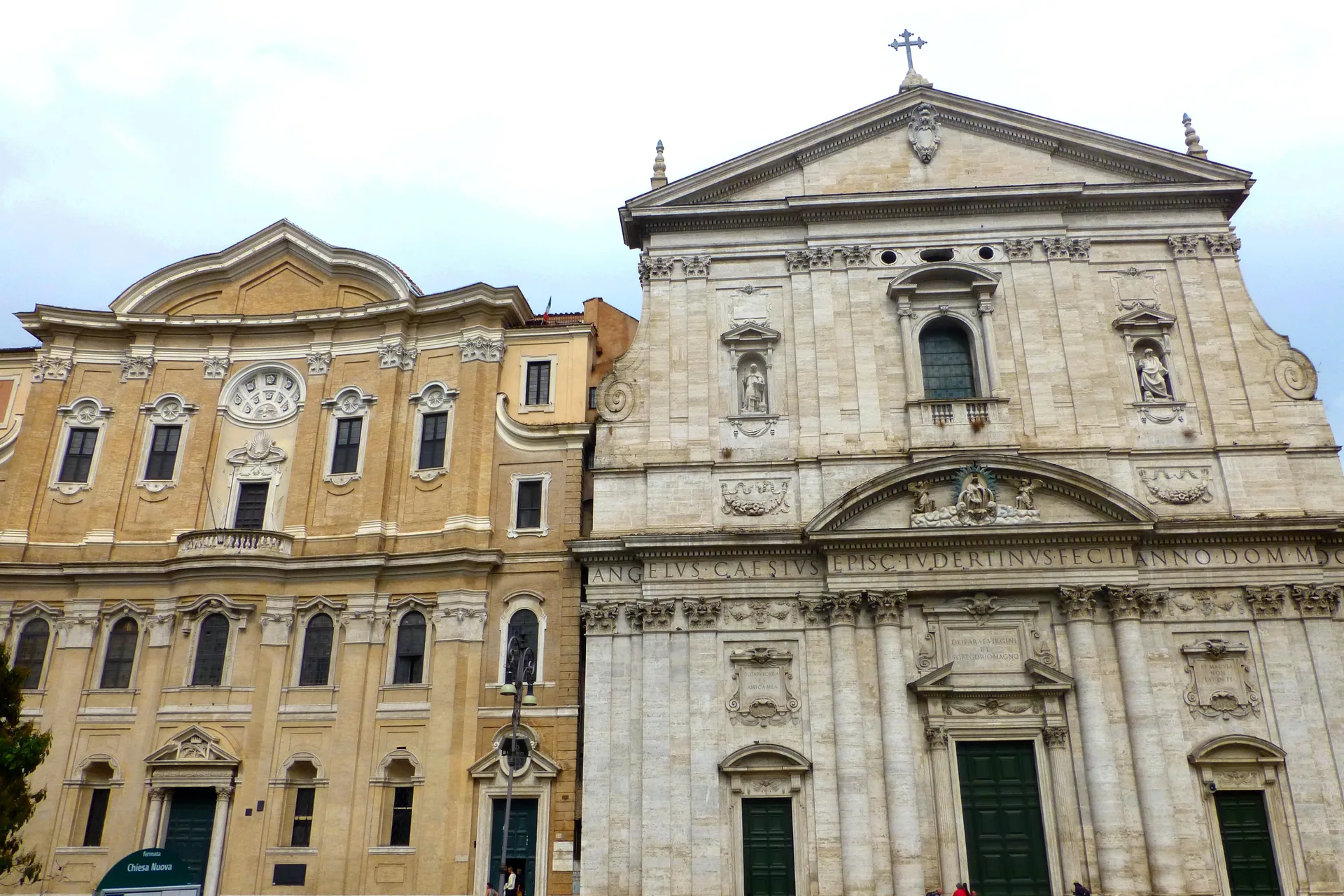
A Borromini-designed hall of manuscripts and rare books founded by a saint, tucked inside the Oratorio dei Filippini beside Chiesa Nuova — one of Rome's least-visited great library interiors.