
Best for
Borromini and Baroque architecture enthusiasts, library history fans
Time needed
20–40 minutes
Worth it?
Yes for the specific audience — genuinely under-visited relative to its quality
Skip if
You have no particular interest in Borromini's work or historic libraries
About Biblioteca Vallicelliana
Saint Filippo Neri, the influential Counter-Reformation priest who founded the Congregation of the Oratory, established this library in 1565 from his own personal collection, and left it to his congregation on his death in 1595 — a foundational bequest that grew, over subsequent centuries, into one of Rome's most significant historic collections of theology, church history and patristic scholarship, now numbering roughly 140,000 items.
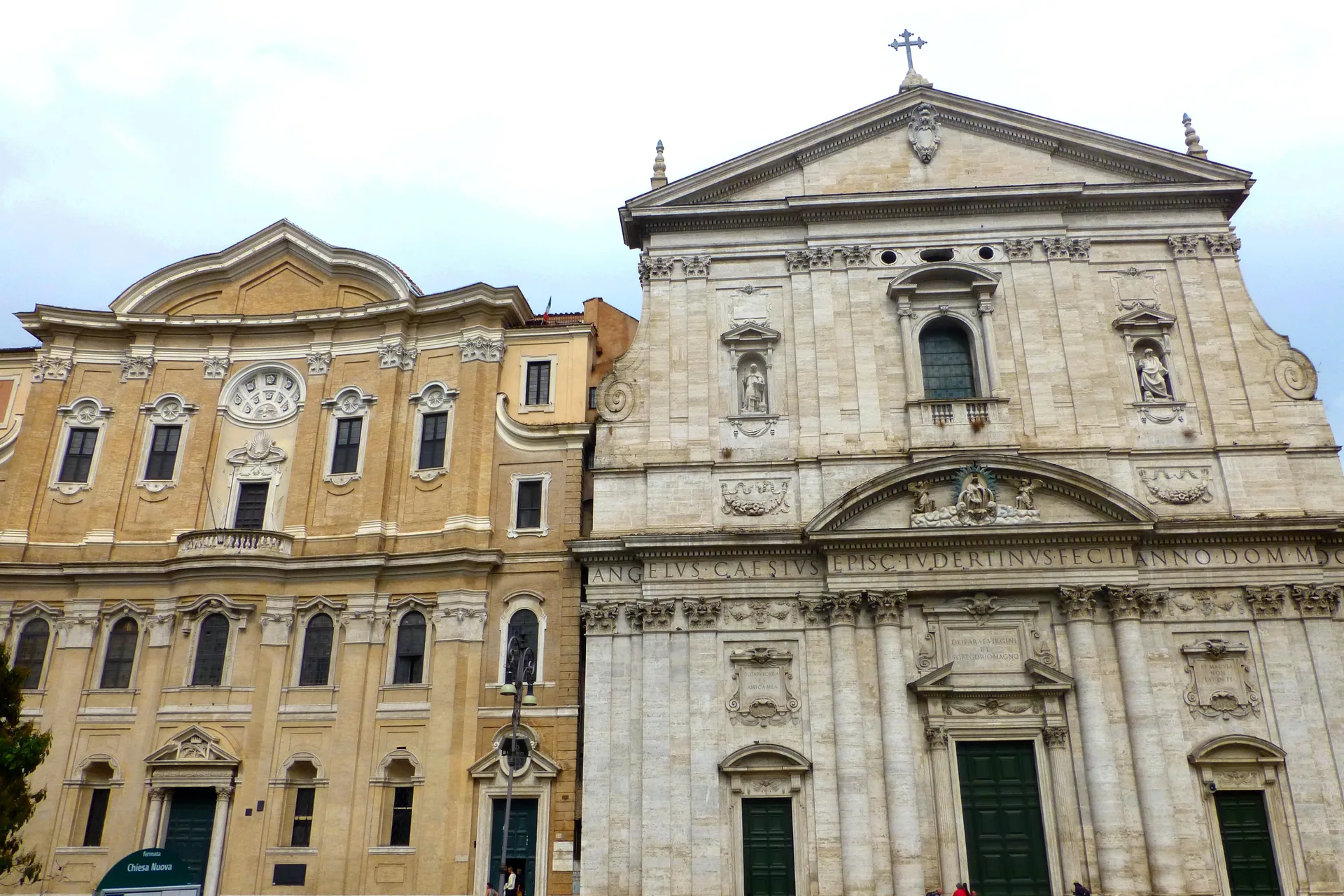
The library is physically housed within the Oratorio dei Filippini, the Oratory Fathers' headquarters complex adjoining the church of Santa Maria in Vallicella (better known simply as Chiesa Nuova, 'the new church'), a building substantially designed by Francesco Borromini in the 1630s and 1640s — meaning the library's own architectural setting is the work of one of the two greatest architects of Roman Baroque, a fact that many visitors to the church next door never realise extends to the library within the same complex.
Read the full storyShow less
The collection's genuine treasures include roughly 3,000 manuscripts in Latin and Greek, among them a Bible believed to have belonged to Alcuin of York, the influential Carolingian scholar, dating to the 9th century, and a 12th-century lectionary — material of real significance to medieval and Church history scholars, even if the building's Baroque grandeur is what draws most casual visitors who happen to find it.
Inaugurated formally by Borromini himself in 1644, the main reading hall — sometimes called the Borromini Hall — is a rectangular, coolly majestic space that gets only a fraction of the foot traffic of the church next door, making it one of Rome's genuinely under-visited architectural interiors for anyone willing to seek it out specifically.
What to See: Highlights
- 1The Borromini Hall, designed by Francesco Borromini and inaugurated in 1644
- 2Roughly 140,000 items including 3,000 Latin and Greek manuscripts
- 3A 9th-century Bible believed to have belonged to Alcuin of York
- 4Housed within the Oratorio dei Filippini beside Chiesa Nuova
- 5One of Rome's least-visited major library interiors despite its architectural pedigree
Insider Tips
Free entry — no ticket required, though it operates on library hours rather than tourist-site hours
Closed Sundays and has variable weekday hours — check the current schedule before visiting
Combine with the adjacent Chiesa Nuova and a Piazza Navona or Campo de' Fiori walk
As a working library, keep visits brief and respectful of researchers present
A genuine hidden-gem stop for Borromini fans who've already seen his more famous Sant'Ivo and Piazza Navona work
Getting There
Piazza della Chiesa Nuova, 18 (Oratorio dei Filippini), 00186 Roma RM
Open in Google Maps →- 1A 5-minute walk from Piazza Navona or Campo de' Fiori, beside the church of Chiesa Nuova.
Where to stay
Hotels in Rome
Compare prices across hundreds of hotels near this attraction — from budget hostels to luxury stays. Free cancellation on most rooms.
Affiliate disclosure — we may earn a commission at no extra cost to you. Powered by Booking.com.
Frequently Asked Questions
Everything you need to know before you visit.
Is Biblioteca Vallicelliana worth visiting?+−
How long does a visit to Biblioteca Vallicelliana take?+−
Who is Biblioteca Vallicelliana best for?+−
Do I need to book anything in advance to visit Biblioteca Vallicelliana?+−
Is Biblioteca Vallicelliana included with the Rome city pass?+−
Should You Visit?
Visit if...
- You're a fan of Borromini's architecture and want to see a lesser-known work
- You're near Piazza Navona or Campo de' Fiori with 20–30 minutes free
- You appreciate quiet, under-visited historic interiors
- You've checked the current opening hours before visiting
Skip if...
- You're not specifically interested in library or architectural history
- You're visiting on a Sunday, when it's closed
- You haven't verified the variable weekday opening hours
More to See in Rome
Piazza Navona
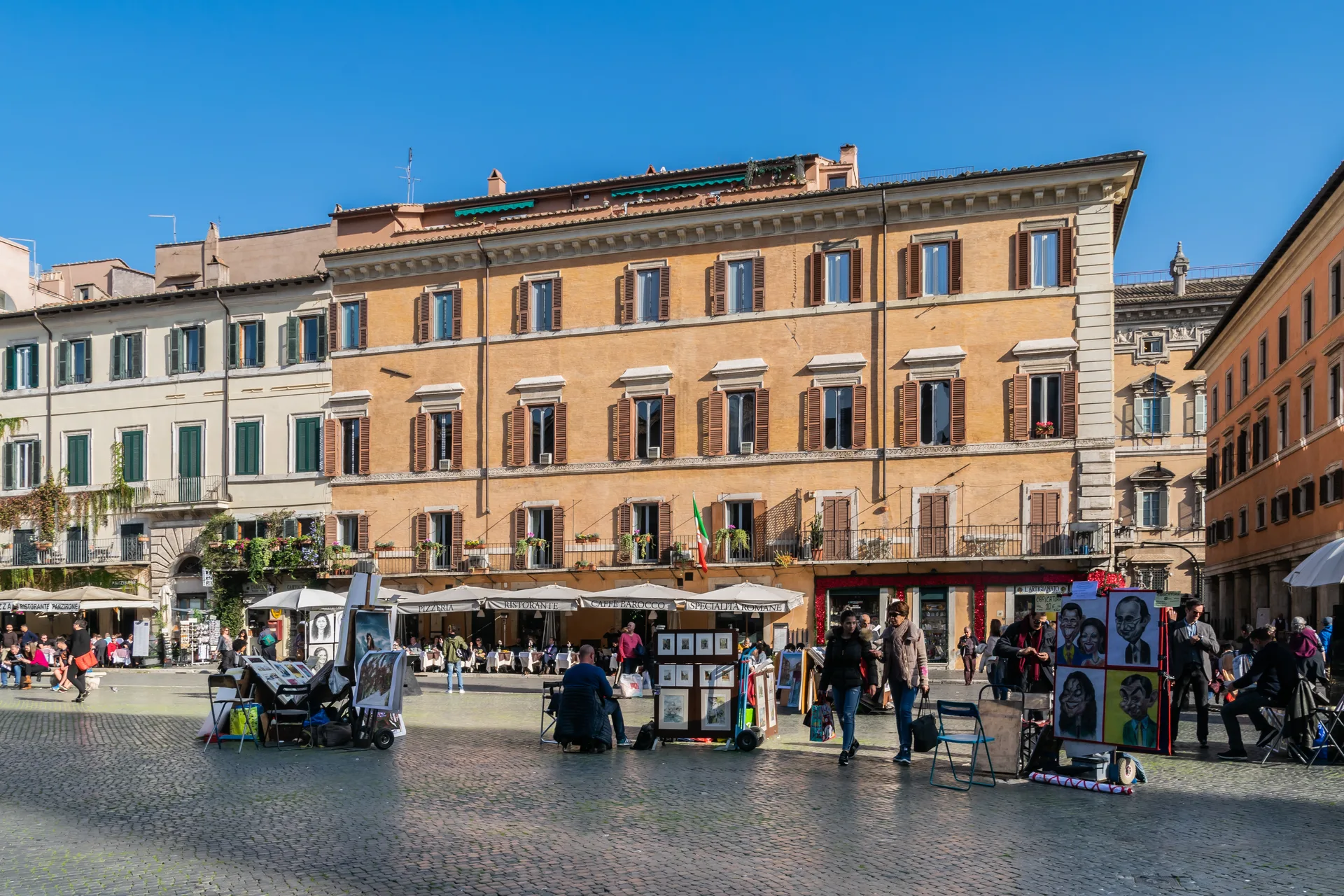
Rome's grandest Baroque piazza, shaped like the ancient stadium it was built over, anchored by Bernini's Fountain of the Four Rivers — free, open all hours, and one of the liveliest squares in the city after dark.
Campo de' Fiori Market
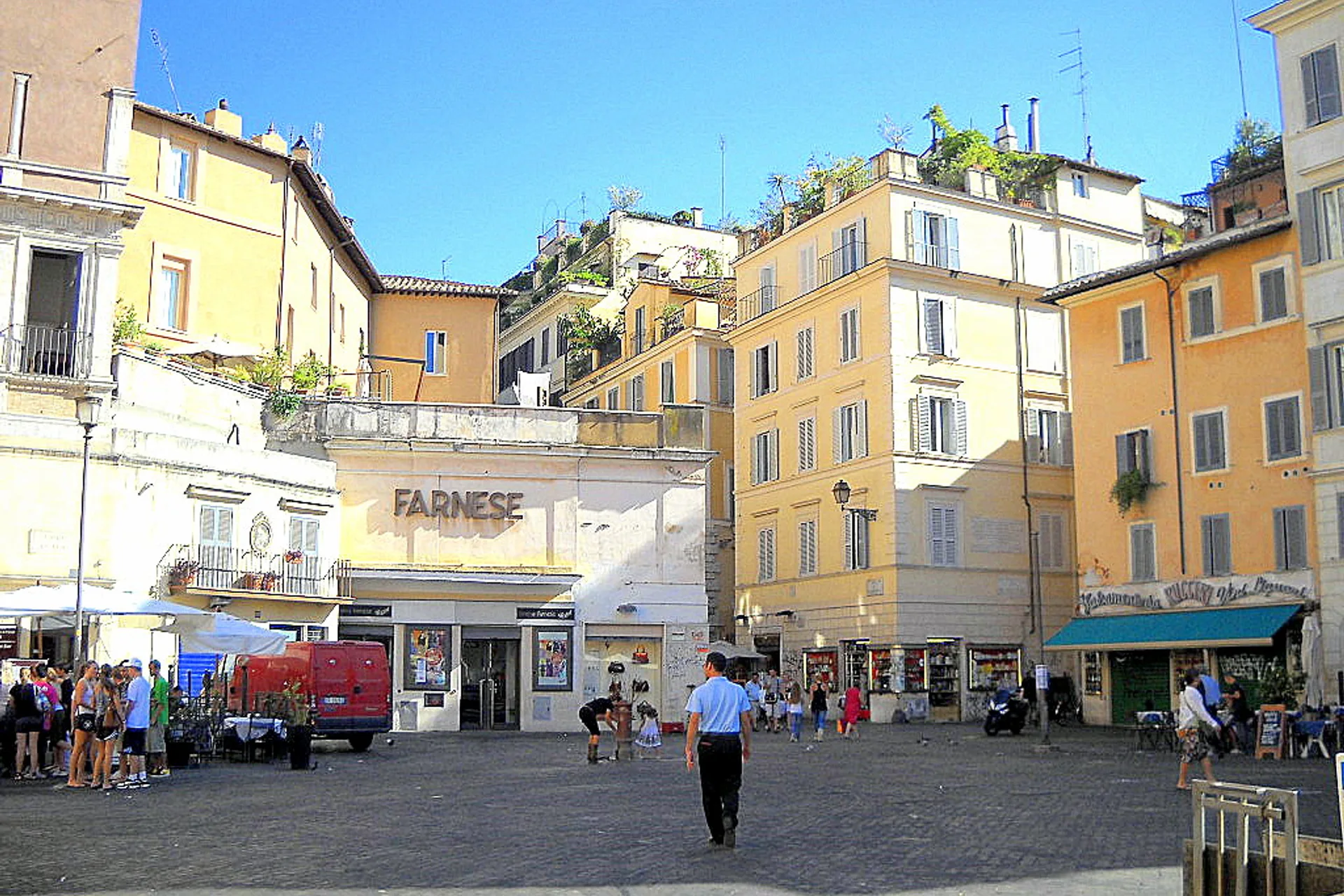
Rome's oldest and liveliest morning market, in a square that doubled as a public execution site — fruit, flowers and street food by day, one of the centre's busiest bar squares by night.
Biblioteca Angelica
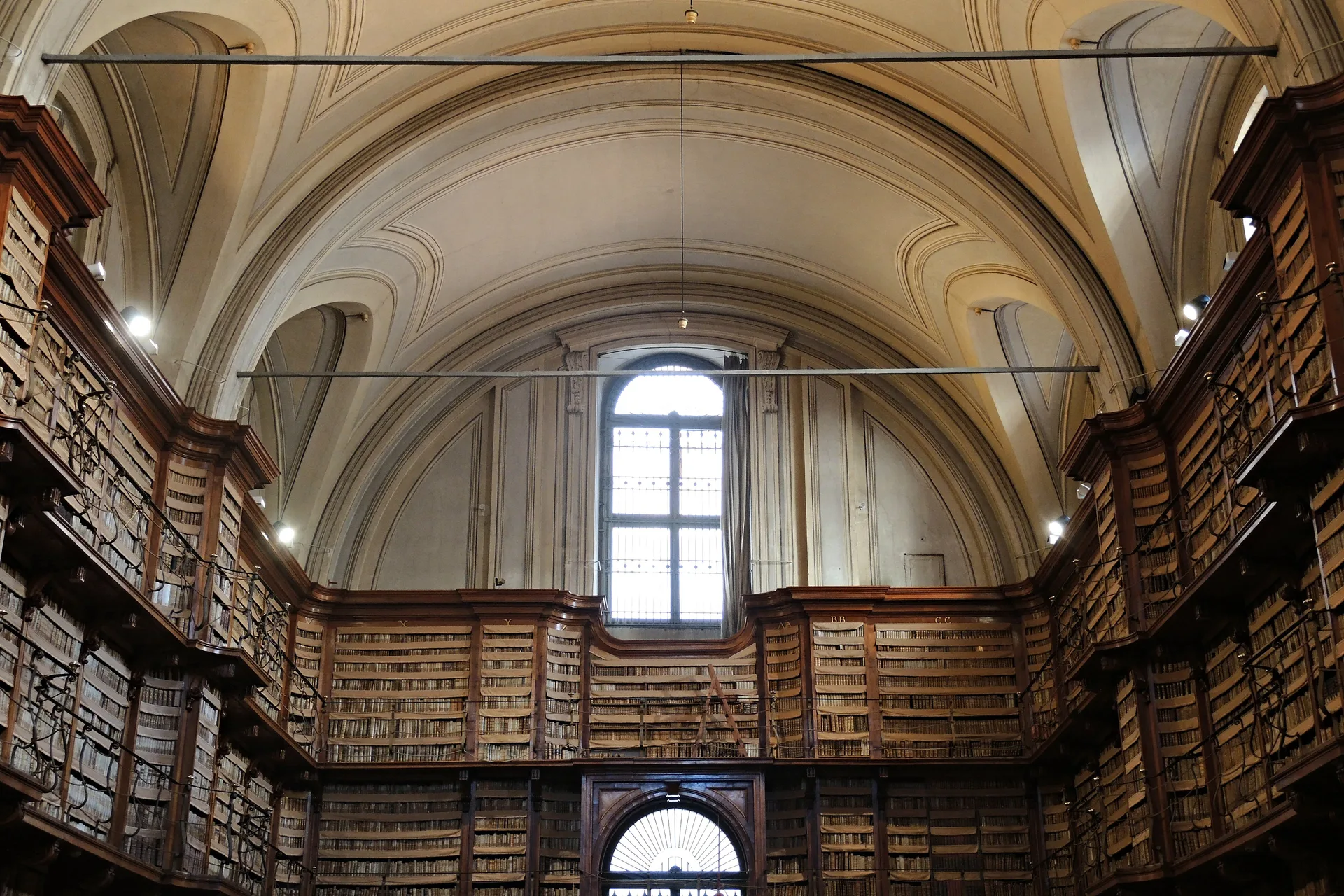
Europe's oldest public library, founded in 1604 with a genuinely radical idea for its time — free access to books for anyone, regardless of class — still a working reading room today, near Piazza Navona.