
Best for
Food lovers wanting an authentic, non-touristy Roman market experience
Time needed
45–90 minutes, longer over lunch
Worth it?
Yes — one of the best food experiences in the city for the effort involved
Skip if
You're visiting on a Sunday, when the market is closed
About Testaccio Market
Testaccio developed in the late 19th century as Rome's industrial and working-class quarter, built around the Emporium river port where goods were unloaded and, from 1891, around the city's main public slaughterhouse (Mattatoio). That history left a permanent culinary legacy: because slaughterhouse workers were traditionally paid partly in the less prized cuts of meat that butchers couldn't sell, Testaccio became the birthplace of Rome's quinto quarto ('fifth quarter') offal tradition — dishes like coda alla vaccinara (oxtail stew) and pajata (veal intestines) that remain core to authentic Roman cuisine today, even as they've become more of a niche specialty than a necessity.
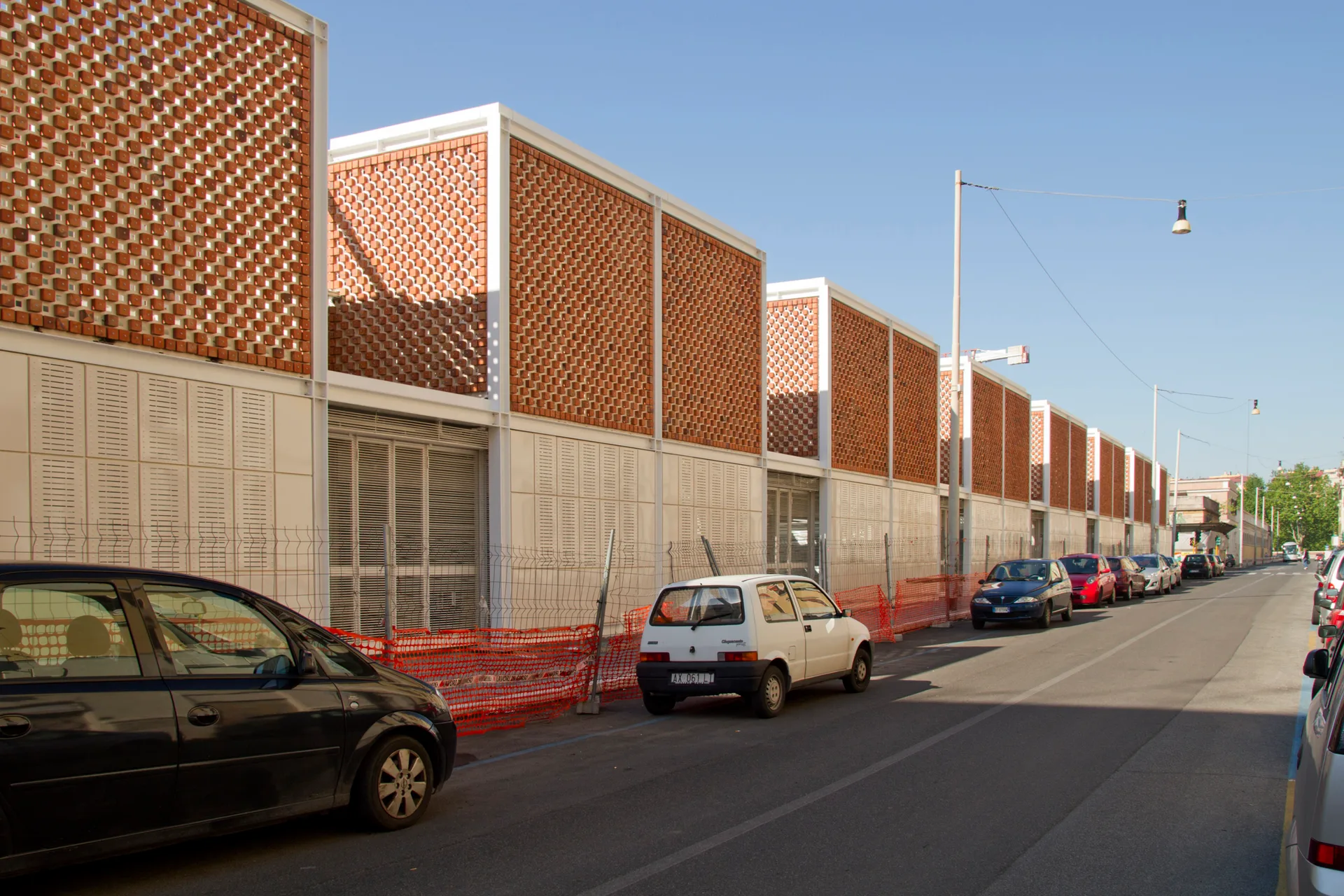
The market itself moved in 2012 from its original open-air home in Piazza Testaccio to a purpose-built covered structure nearby, a modern, airy pavilion that locals initially resisted but has since become one of Rome's most genuinely trusted food markets — the kind of place where the vendors know regular customers by name and tourists are a distinctly secondary consideration, unlike the more performative market scenes at Campo de' Fiori.
Read the full storyShow less
Beyond the traditional greengrocers, butchers and fishmongers, the market has developed a strong food-stall culture of its own: excellent pizza al taglio, inventive sandwich counters, and a genuine cross-section of Roman street food that draws food writers and serious eaters specifically for lunch, often cited as some of the best casual eating in the entire city.
The surrounding Testaccio neighbourhood carries its own quiet appeal beyond the market itself — a former industrial district with a strong sense of local identity, home to Centrale Montemartini, the ancient shard-mound of Monte Testaccio (built entirely from broken Roman amphorae), and a genuinely unpretentious residential feel that contrasts sharply with the historic centre a short walk away.
What to See: Highlights
- 1Rome's most authentic, least touristy food market
- 2The historic birthplace of quinto quarto offal cuisine
- 3A modern covered pavilion with excellent pizza al taglio and street food stalls
- 4Proximity to Centrale Montemartini and Monte Testaccio
- 5A genuine cross-section of how Romans actually eat and shop
Skip the Queue — Book Tickets Online
Same admission, instant confirmation. Compare prices across platforms.
Affiliate disclosure — we may earn a commission at no extra cost to you.
Insider Tips
Go for lunch specifically — the food stalls are the highlight, not just the produce
Closed Sundays, and stalls thin out noticeably after early afternoon
Combine with a visit to Centrale Montemartini, a short walk away
Far less touristy than Campo de' Fiori — a good contrast if you want an authentic local scene
Bring cash — some smaller stalls don't take cards
Book a Guided Tour
Get the most from your visit with a local expert guide.
Affiliate disclosure — we may earn a commission at no extra cost to you.
Getting There
Nuovo Mercato di Testaccio, Via Beniamino Franklin, 12, 00153 Roma RM
Open in Google Maps →- 1Metro B to Piramide, then a 15-minute walk, or tram 3 to Via Marmorata.
Where to stay
Hotels in Rome
Compare prices across hundreds of hotels near this attraction — from budget hostels to luxury stays. Free cancellation on most rooms.
Affiliate disclosure — we may earn a commission at no extra cost to you. Powered by Booking.com.
Frequently Asked Questions
Everything you need to know before you visit.
Is Testaccio Market worth visiting?+−
How long does a visit to Testaccio Market take?+−
Who is Testaccio Market best for?+−
Do I need to book anything in advance to visit Testaccio Market?+−
Is Testaccio Market included with the Rome city pass?+−
Should You Visit?
Visit if...
- You want to eat and shop the way Romans actually do
- You're interested in quinto quarto and traditional Roman cuisine's origins
- You're combining a visit with Centrale Montemartini or the Testaccio neighbourhood
- You want a lunch stop off the main tourist track
Skip if...
- You're visiting on a Sunday, when the market is closed
- You're not planning to venture outside the historic centre and Trastevere
Ready to Book Your Visit?
More to See in Rome
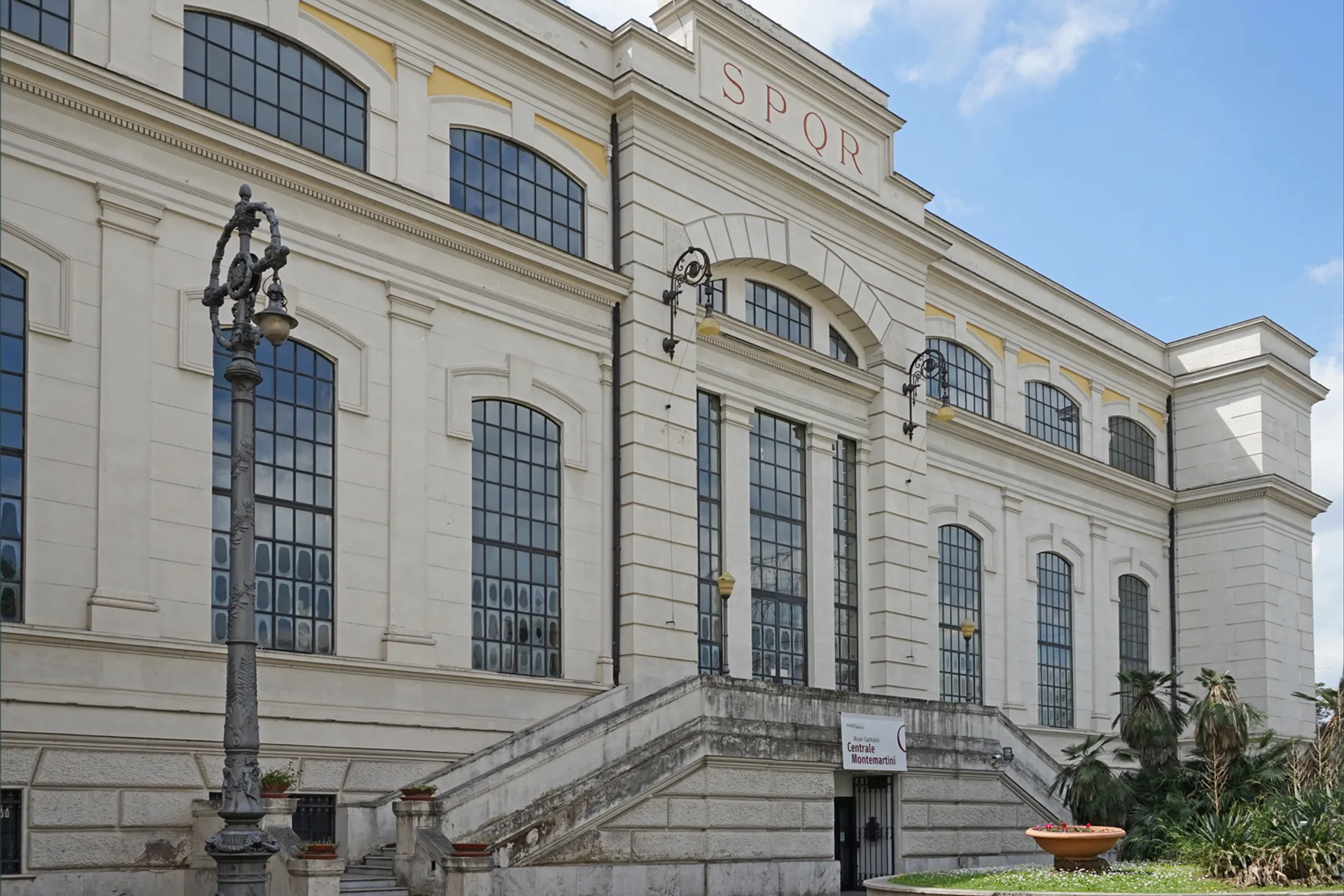
Centrale Montemartini
Ancient Roman marble statues displayed among the silent turbines and boilers of Rome's first public power plant — the city's strangest and most striking museum juxtaposition.
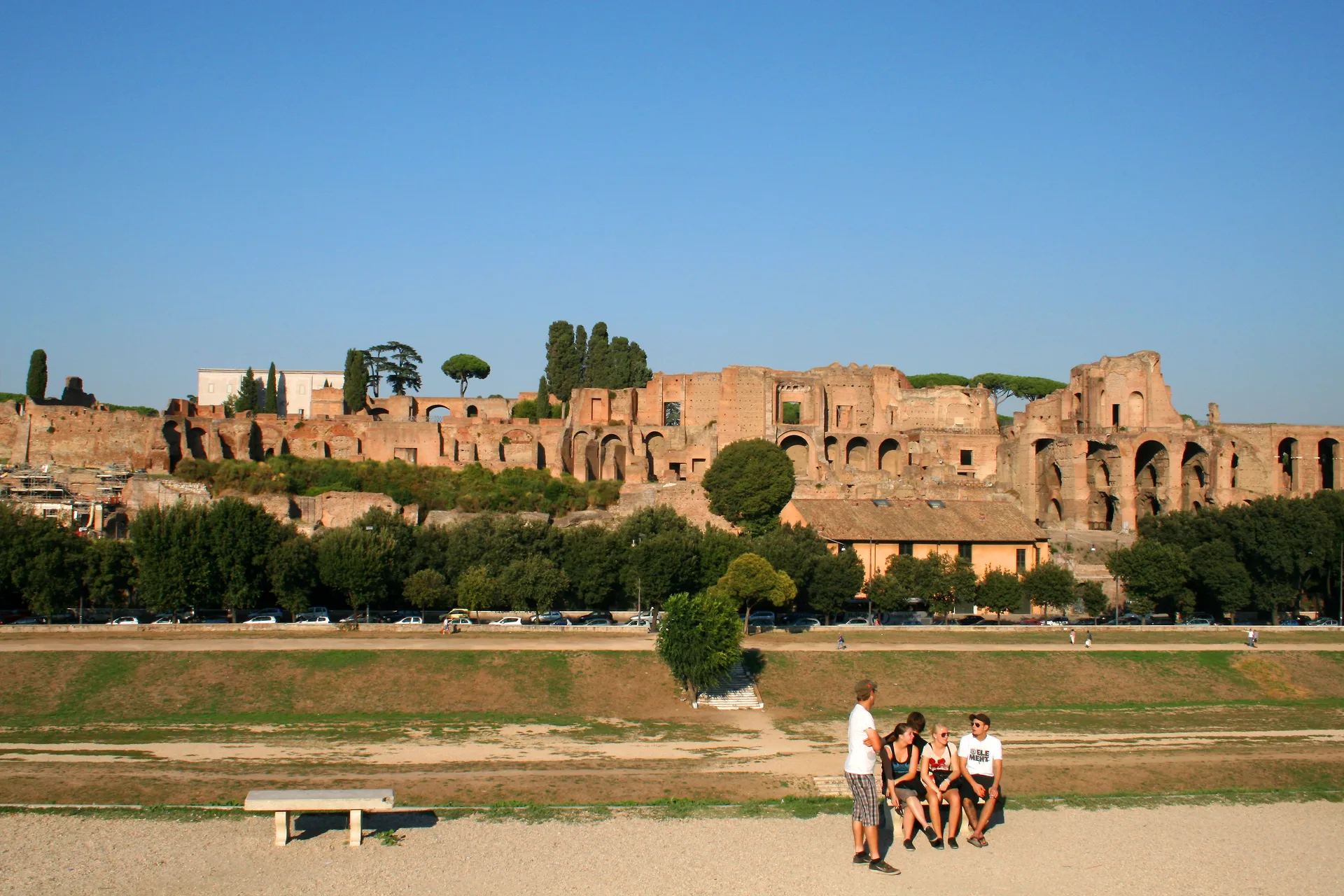
Circus Maximus
Ancient Rome's giant chariot-racing stadium, now a free open grass park in the valley between the Palatine and Aventine Hills — bring imagination, since almost nothing structural survives above ground.
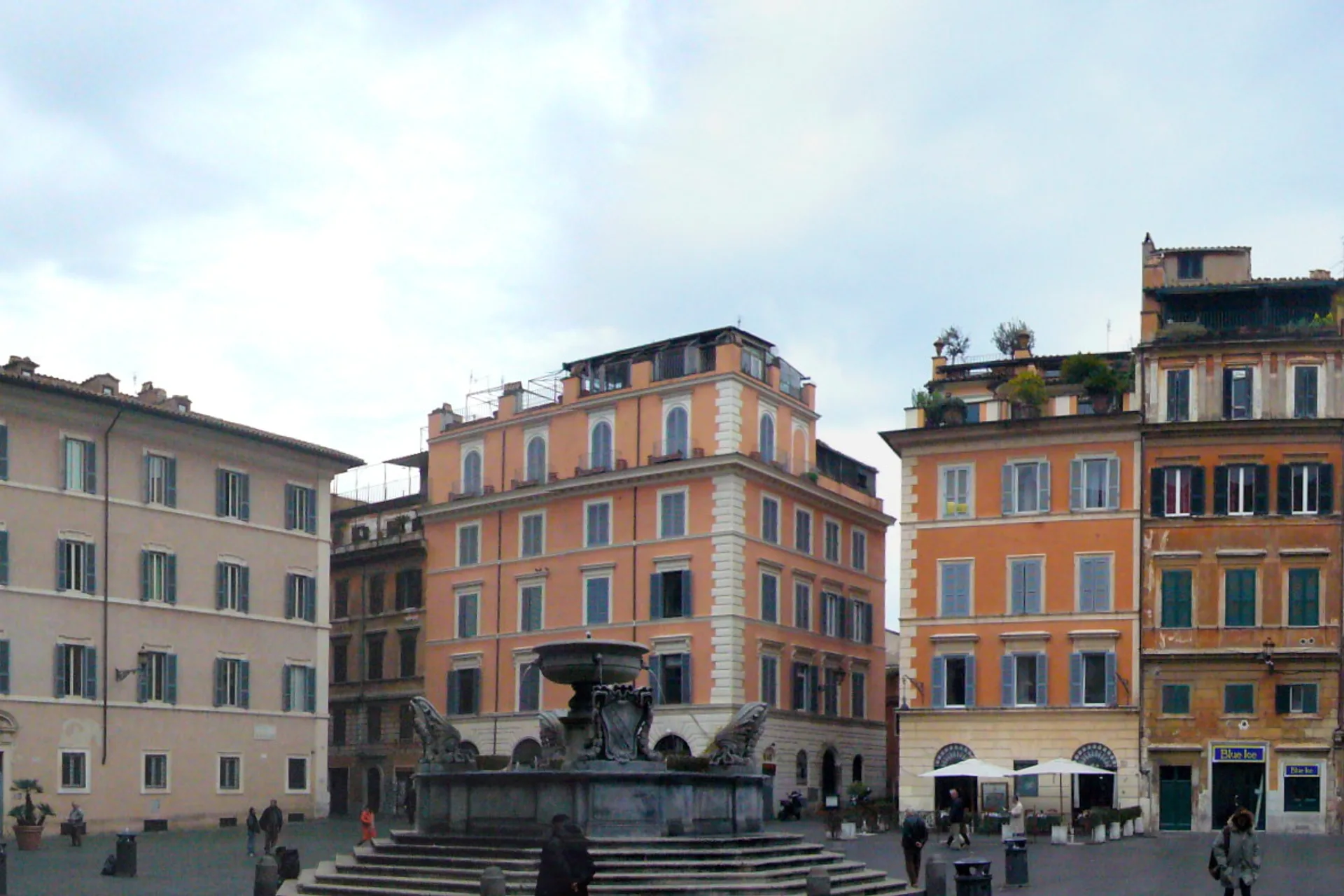
Trastevere Food & Wine Walking Tour
A small-group evening tasting walk through Trastevere's back streets — cheese, pizza, pasta and wine at local-favourite spots, guided by someone who knows which unmarked doors actually matter.