
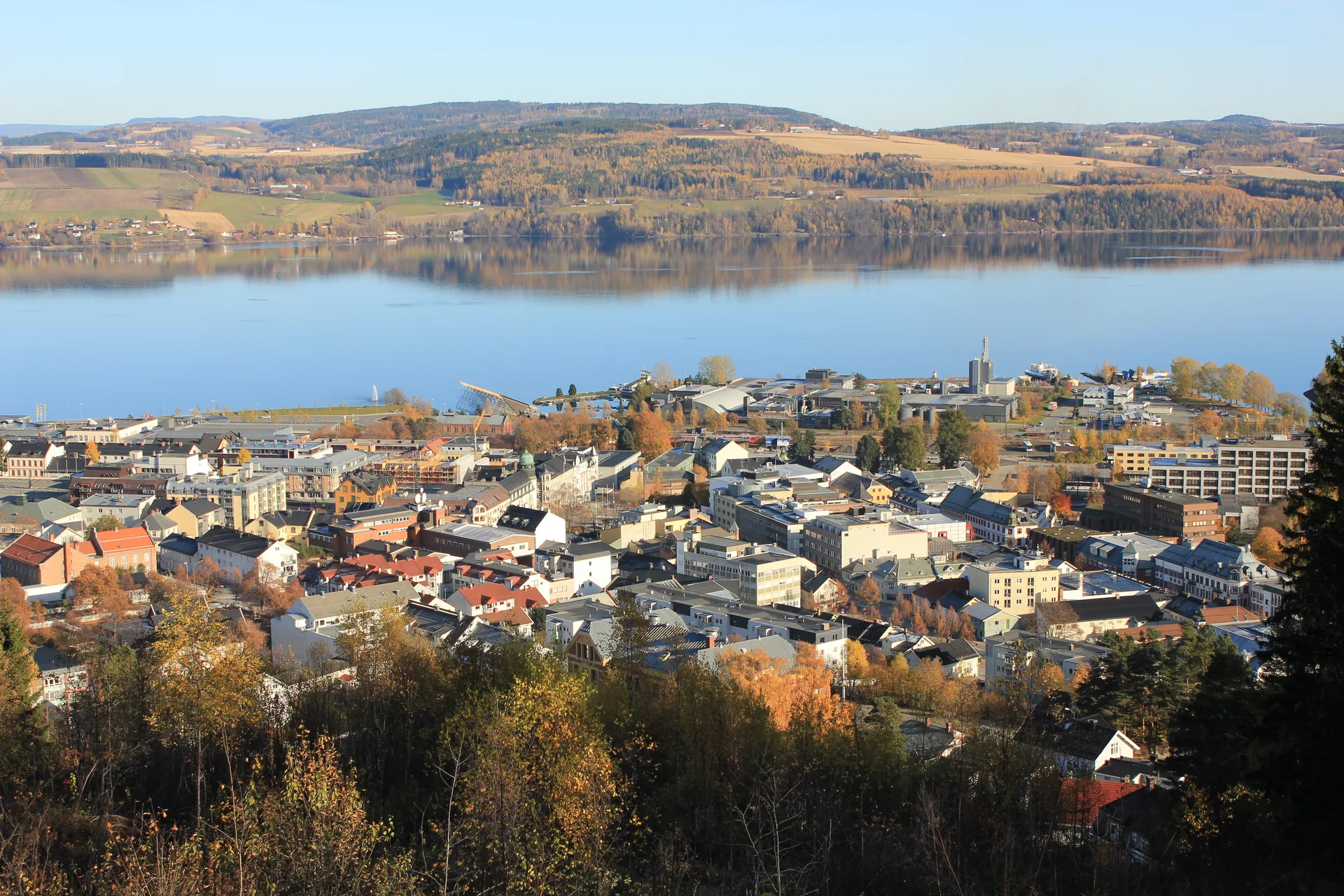
Hovdetoppen
The free viewpoint hill directly above Gjøvik's town centre — a short, well-marked walk to ruins of a burnt-down restaurant and the best panoramic view over the town and Lake Mjøsa.
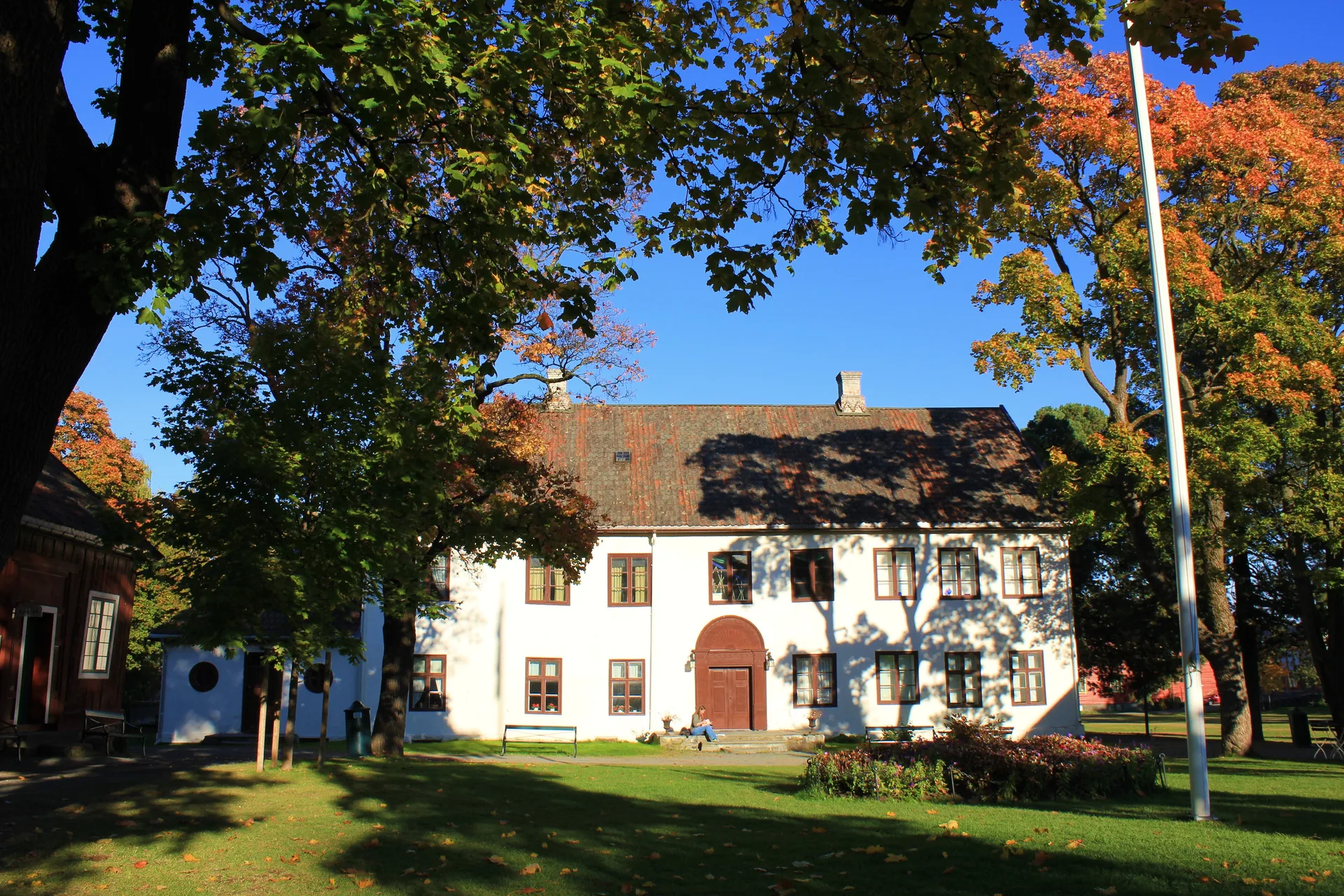
Gjøvik Gård (Mjøsmuseet)
The manor house that founded Gjøvik — a preserved early-1800s estate with period interiors, parkland gardens and one of the world's oldest working electric cars, run as a summer museum by Mjøsmuseet.
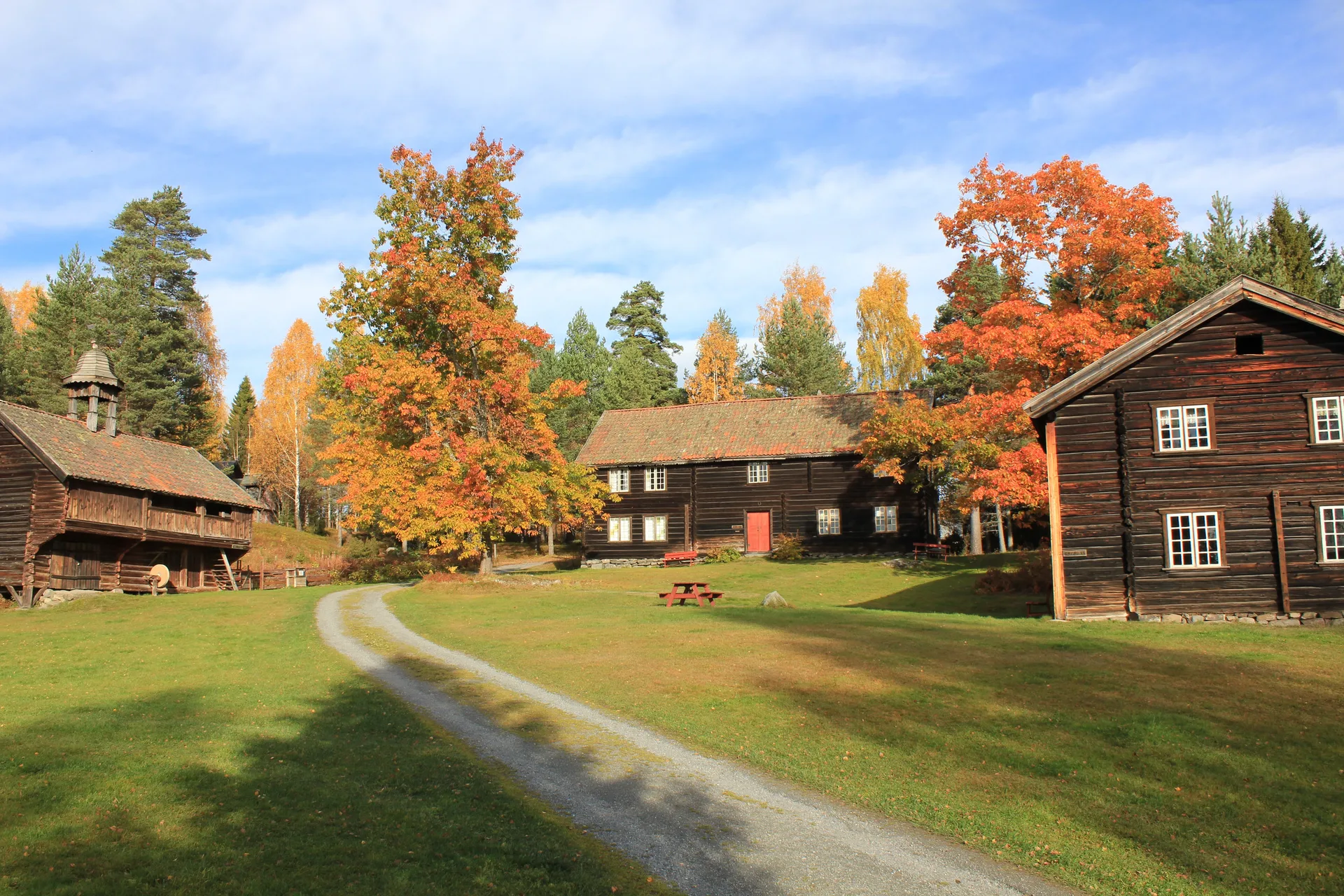
Eiktunet Open-Air Museum
A hillside village of 33 relocated 18th- and 19th-century farm buildings above Gjøvik, with sweeping views over Lake Mjøsa — grounds are open around the clock, interiors only during scheduled events.
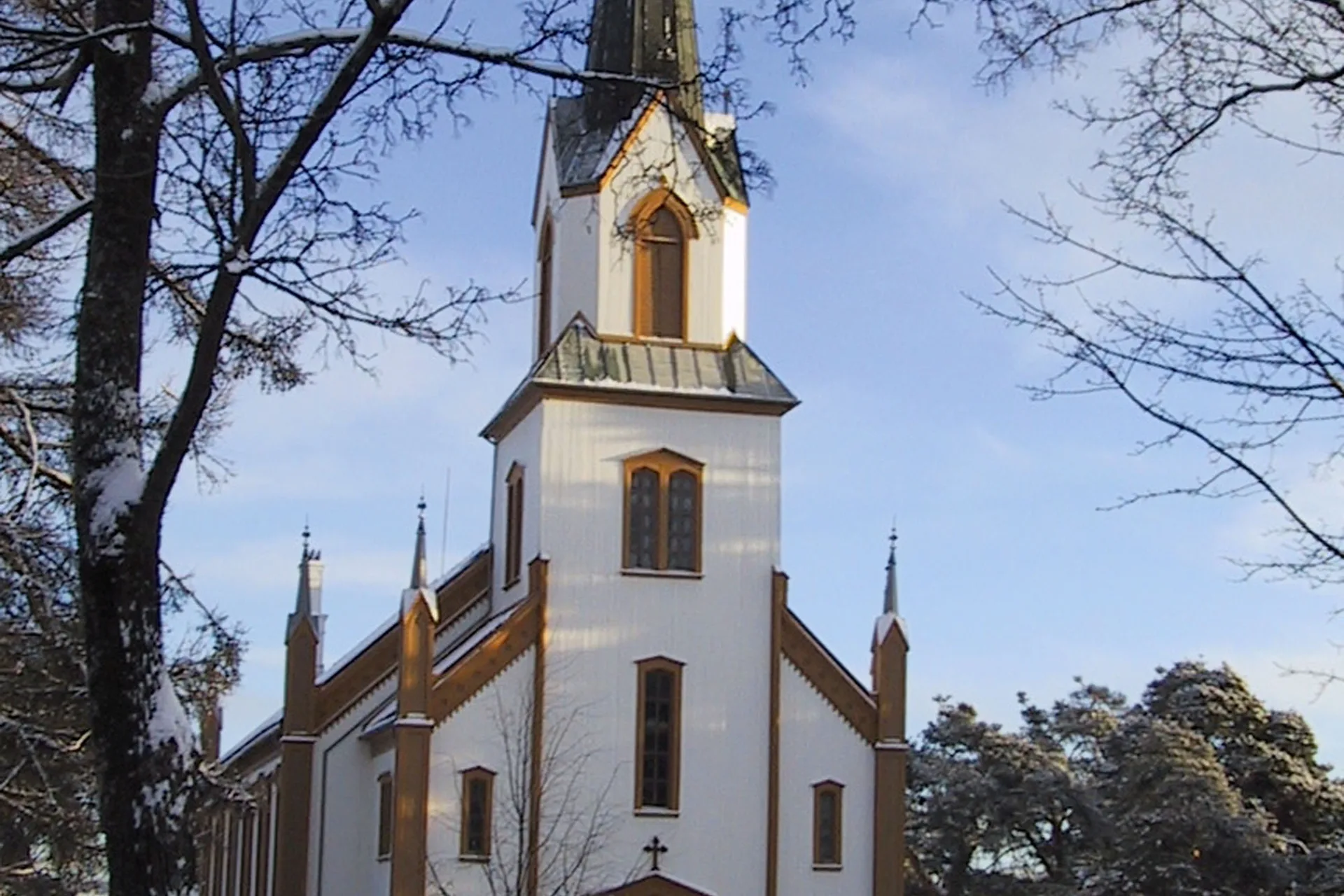
Gjøvik Church (Gjøvik kirke)
Gjøvik's white wooden neo-Gothic parish church from 1882 — one of Norway's few timber churches built in the style, with an altarpiece by the country's first professionally commissioned female painter.
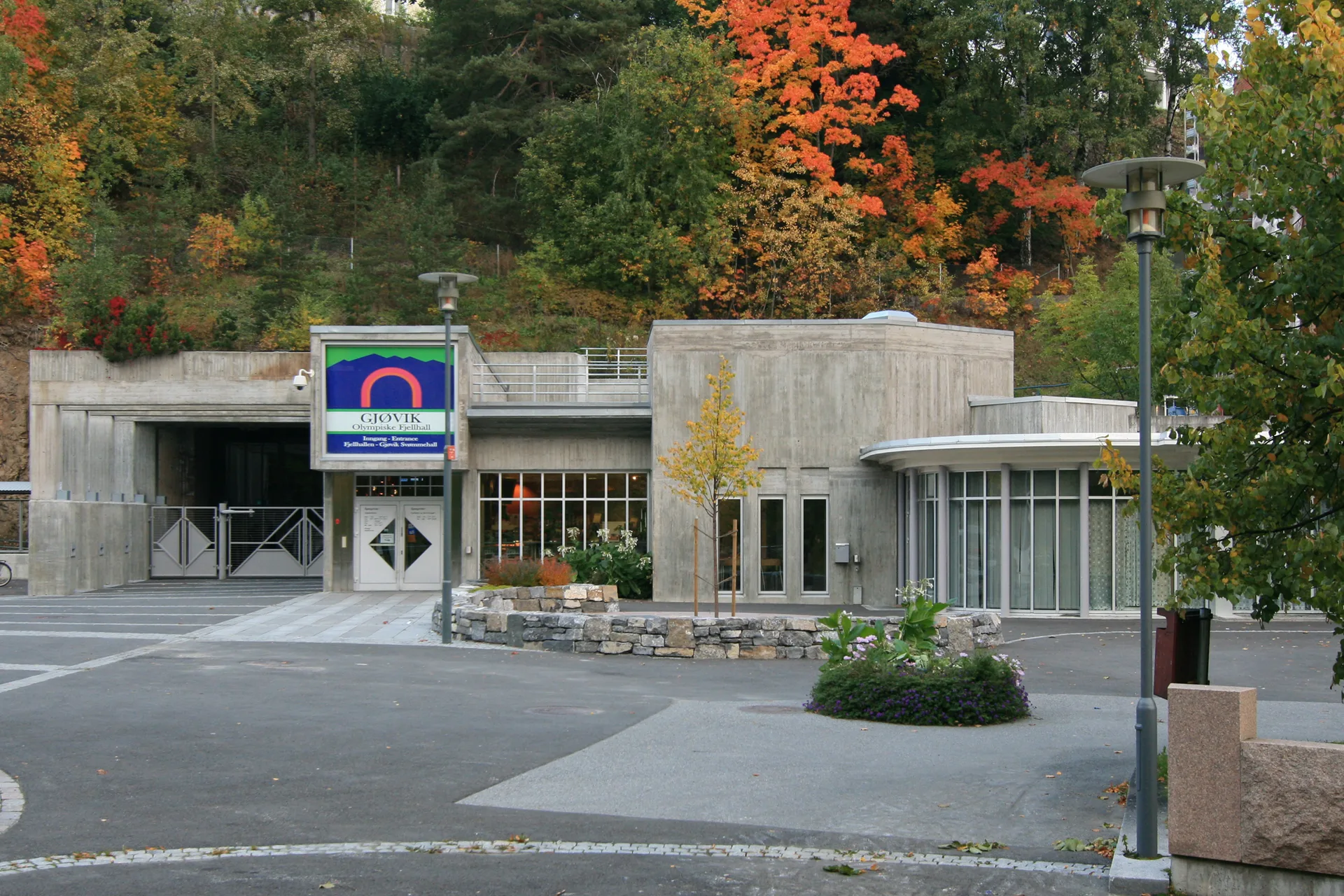
Gjøvik Olympic Cavern Hall (Gjøvik Olympiske Fjellhall)
The world's largest public hall carved into solid rock — an ice hockey arena and swimming pool built 120 metres inside a mountain for the 1994 Winter Olympics.
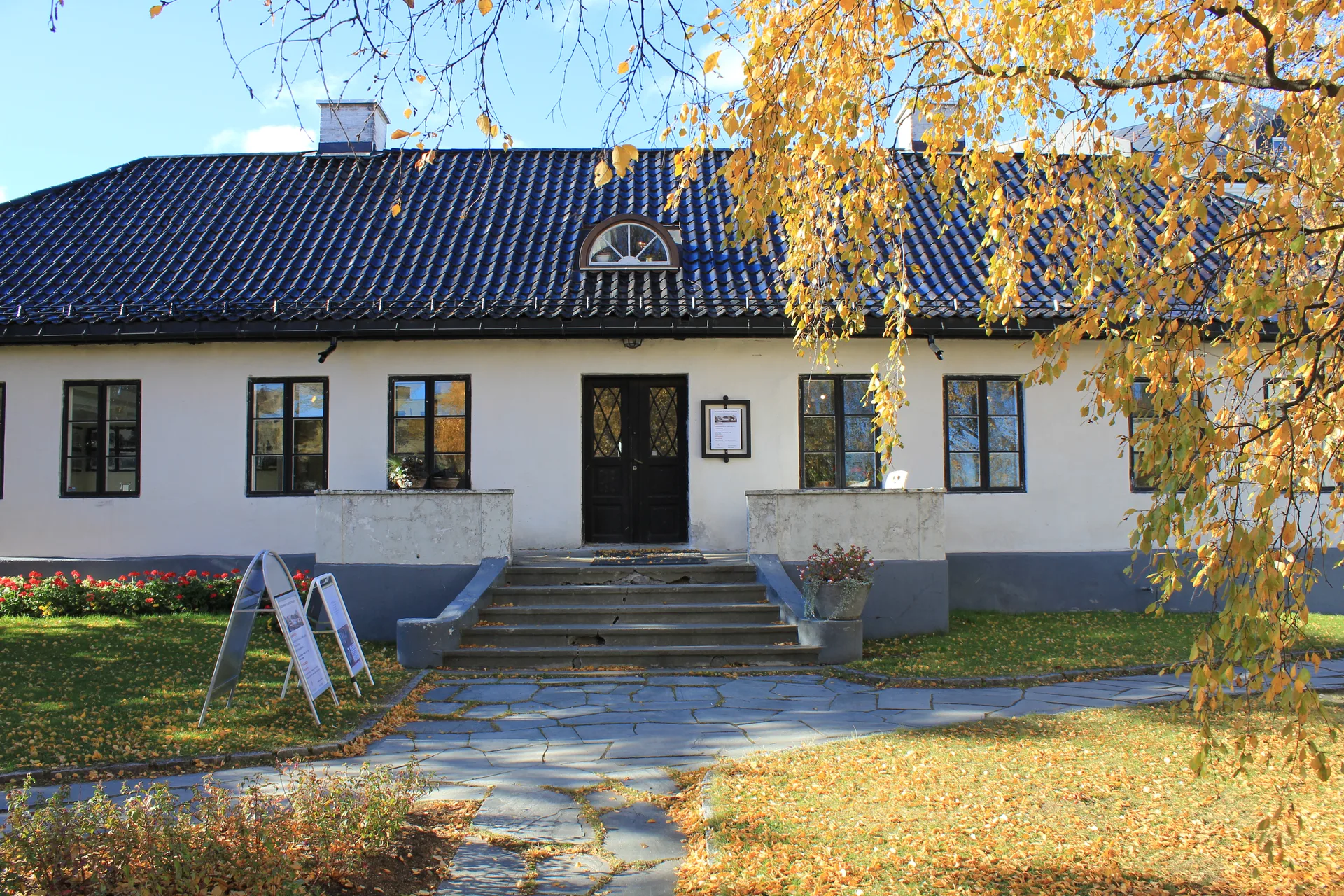
Kauffeldtgården
A protected early-1800s townhouse in central Gjøvik, built by the town's founding glassworks family and now a compact gallery space run by the local history and art societies.