
Best for
Beach lovers, families, anyone visiting Oslo in summer
Time needed
3–6 hours (half or full day)
Worth it?
Yes — Oslo's best summer day out, Oslo Pass covers the ferry
Skip if
Visiting October–March (very limited ferries) or looking for cultural attractions
About Oslo Fjord Islands
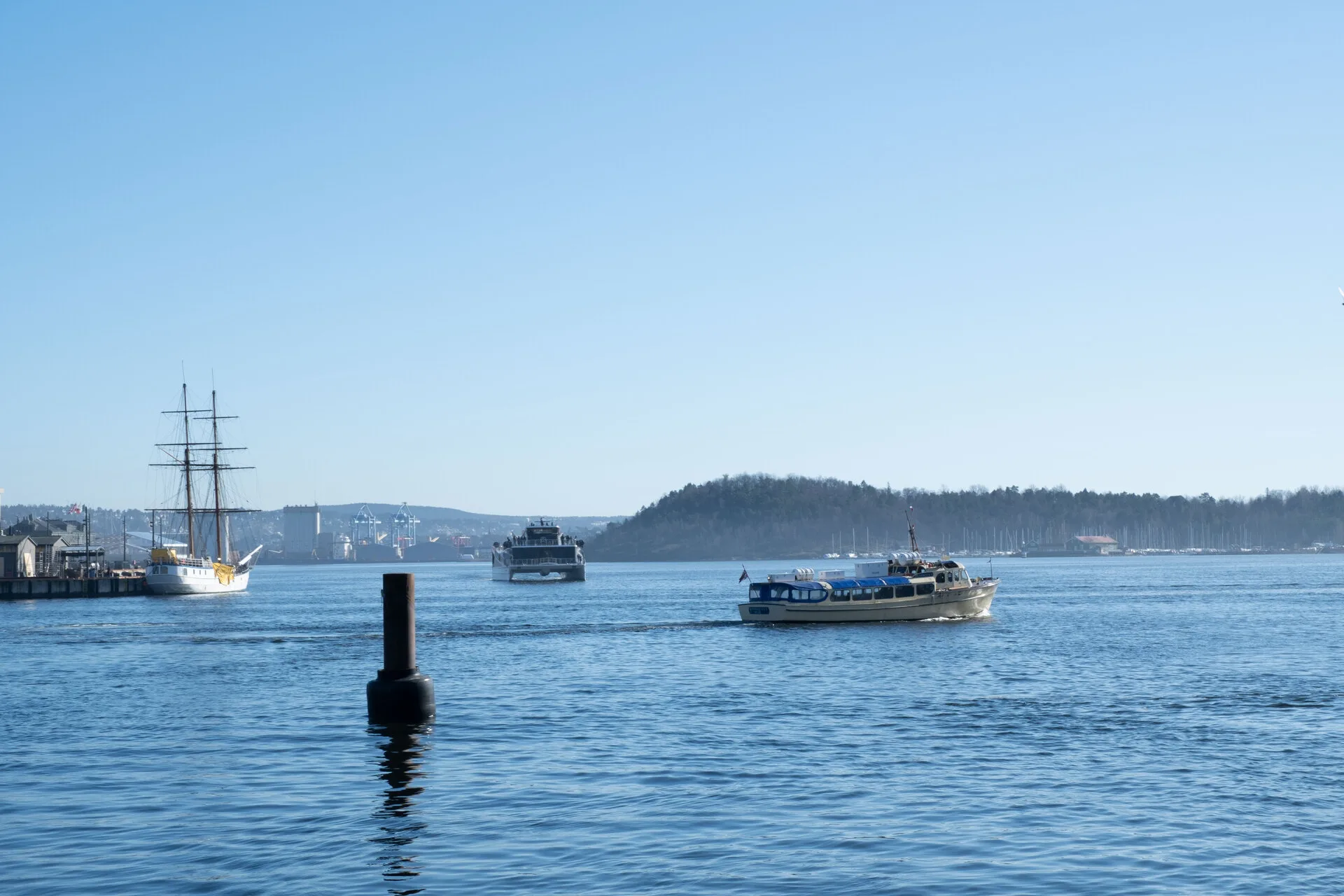
The Oslo Fjord islands are one of the city's most distinctive features and one of its greatest pleasures — a cluster of small islands in the inner Oslofjord, reachable by public ferry in 15 minutes from the city centre, offering beaches, forests, medieval ruins, bird reserves, and swimming from rocks and sandy shores. In summer, the islands are essential Oslo; in spring and autumn, they offer a remarkable escape from the city within its own boundaries.
The main islands reachable from the city are Langøyene, Hovedøya, Gressholmen, Bleikøya, Lindøya, and Nakholmen. Each has a distinct character. Langøyene is the largest and most beach-oriented — its south-facing shore provides the best sandy beach in the greater Oslo area, with sections where swimming and sunbathing feel genuinely Mediterranean on warm summer days, despite the northern latitude. The island is car-free and camping is permitted in designated areas.
Read the full storyShow less
Hovedøya is the most historically significant. A 12th-century Cistercian monastery was established here by English monks, and the ruins of the abbey church and cloister are remarkably well-preserved — the only Cistercian monastery ruins in Norway. The surrounding forest is a nature reserve with marked walking trails, wildflowers in spring, and a café that operates through summer. The island's military history is also visible: a German ammunition dump from the occupation period and 19th-century fortifications dot the island's perimeter.
Gressholmen and Bleikøya are quieter and wilder, with rocky shores and forest paths. Gressholmen served as Norway's first international airport in the 1920s, and a small memorial marks the original seaplane base. Lindøya and Nakholmen are largely occupied by summer cottages — the tradition of Oslo families maintaining small wooden summer houses on the fjord islands is deeply rooted, and the cottages create a picturesque human landscape unlike anything on the mainland.
The ferry service (Route 91 and B-boats) runs from Aker Brygge and Rådhusbrygge from April through September. Tickets are standard Ruter public transport fare, covered by the Oslo Pass. Ferries run frequently in summer (every 20-30 minutes to the most popular islands) and less frequently in spring and autumn.
Bring swimming gear, picnic food, and sun protection. Facilities on the islands are minimal — a café on Hovedøya, basic toilets on the main islands — but that is precisely the point.
What to See: Highlights
- 1Langøyene — Oslo's best beach island with free camping
- 2Hovedøya — ruined Cistercian monastery (1147) and beaches
- 3Gressholmen — tranquil bird reserve with vintage café
- 4Nakholmen — quieter island popular with kayakers
- 5Swimming from rocky shores on all islands in summer
- 6Stunning views of the Oslo skyline from the water
Skip the Queue — Book Tickets Online
Same admission, instant confirmation. Compare prices across platforms.
Affiliate disclosure — we may earn a commission at no extra cost to you.
Included with the Oslo Pass
Oslo Fjord Islands is included with the Oslo Pass — a city card that covers entry to 30+ attractions, unlimited public transport, and discounts across Oslo. It can represent serious savings if you plan to visit multiple museums.
Insider Tips
Oslo Pass covers the ferry as public transport — major summer perk
Langøyene is the best beach island — bring a picnic and swimming gear
Morning departures are less crowded; evening return ferries can be busy
You can hop between islands on the same ferry service
Book a Guided Tour
Get the most from your visit with a local expert guide.
Affiliate disclosure — we may earn a commission at no extra cost to you.
Getting There
Oslofjord (ferries from Aker Brygge/Rådhusbrygge)
Open in Google Maps →- 1Ferry from Aker Brygge Pier 3 or Rådhusbrygge (runs May–September, Oslo Pass valid)
- 2Ferry journey: 15–20 minutes to nearest islands, 35 minutes to furthest
- 3Ferries run approximately every 30 minutes in summer
- 4Last return ferries typically depart islands in the early evening — check Ruter app
- 5Public transport ferry — standard Oslo Pass and transit tickets are valid
Where to stay
Hotels in Oslo
Compare prices across hundreds of hotels near this attraction — from budget hostels to luxury stays. Free cancellation on most rooms.
Affiliate disclosure — we may earn a commission at no extra cost to you. Powered by Booking.com.
Frequently Asked Questions
Everything you need to know before you visit.
Is Oslo Fjord Islands worth visiting?+−
How long does a visit to Oslo Fjord Islands take?+−
Who is Oslo Fjord Islands best for?+−
Do I need to book tickets in advance for Oslo Fjord Islands?+−
Is Oslo Fjord Islands included with the Oslo city pass?+−
Should You Visit?
Visit if...
- You're visiting Oslo in summer (May–September)
- You want a beach day within 15 minutes of the city centre
- You have the Oslo Pass (ferry is covered as public transport)
- You want to see Oslo from the water
Skip if...
- Visiting outside summer — limited ferry service
- Looking for cultural or museum experiences
Ready to Book Your Visit?
More to See in Oslo
Norwegian Folk Museum
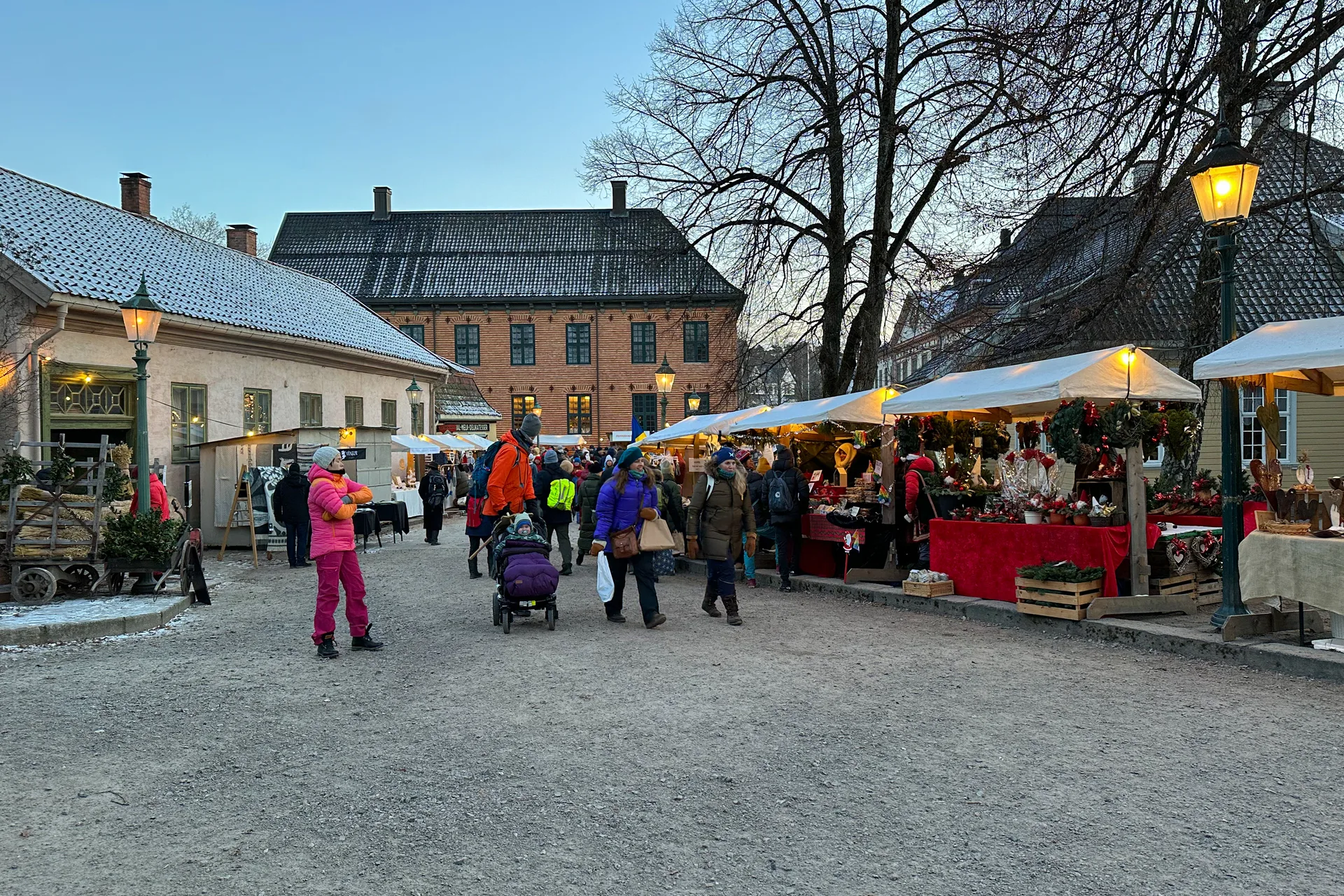
Scandinavia's largest open-air museum with 160 historic buildings, a medieval stave church, and costumed staff bringing history to life.
Oslo Botanical Garden
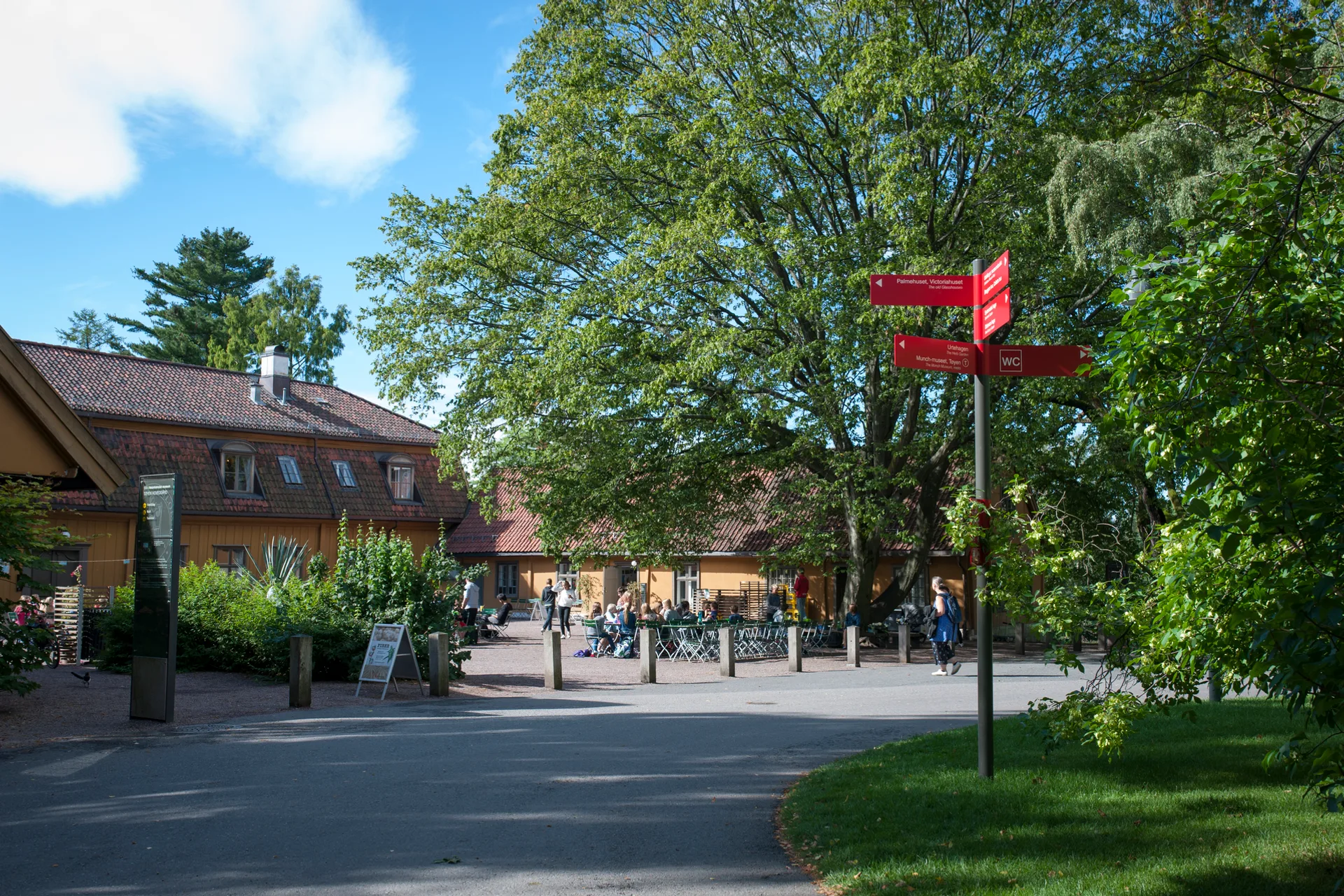
Free outdoor garden with 7,500 plant species, a rose garden, and Norway's oldest botanical collection — peaceful and beautiful in summer.
Aker Brygge
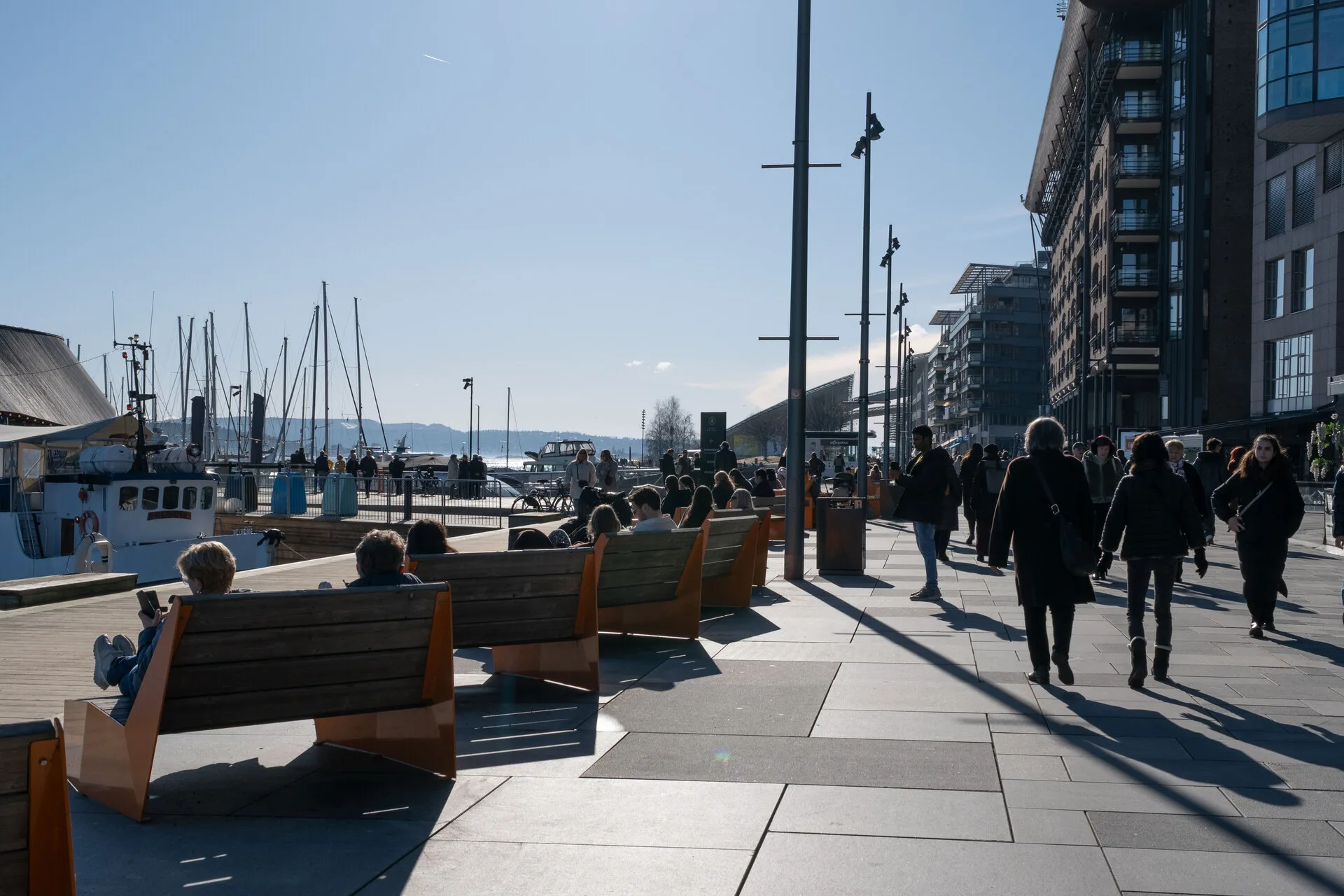
Oslo's most popular waterfront promenade — 40+ restaurants and bars on the Oslofjord, with ferries to Bygdøy and the city's best sunset views.