
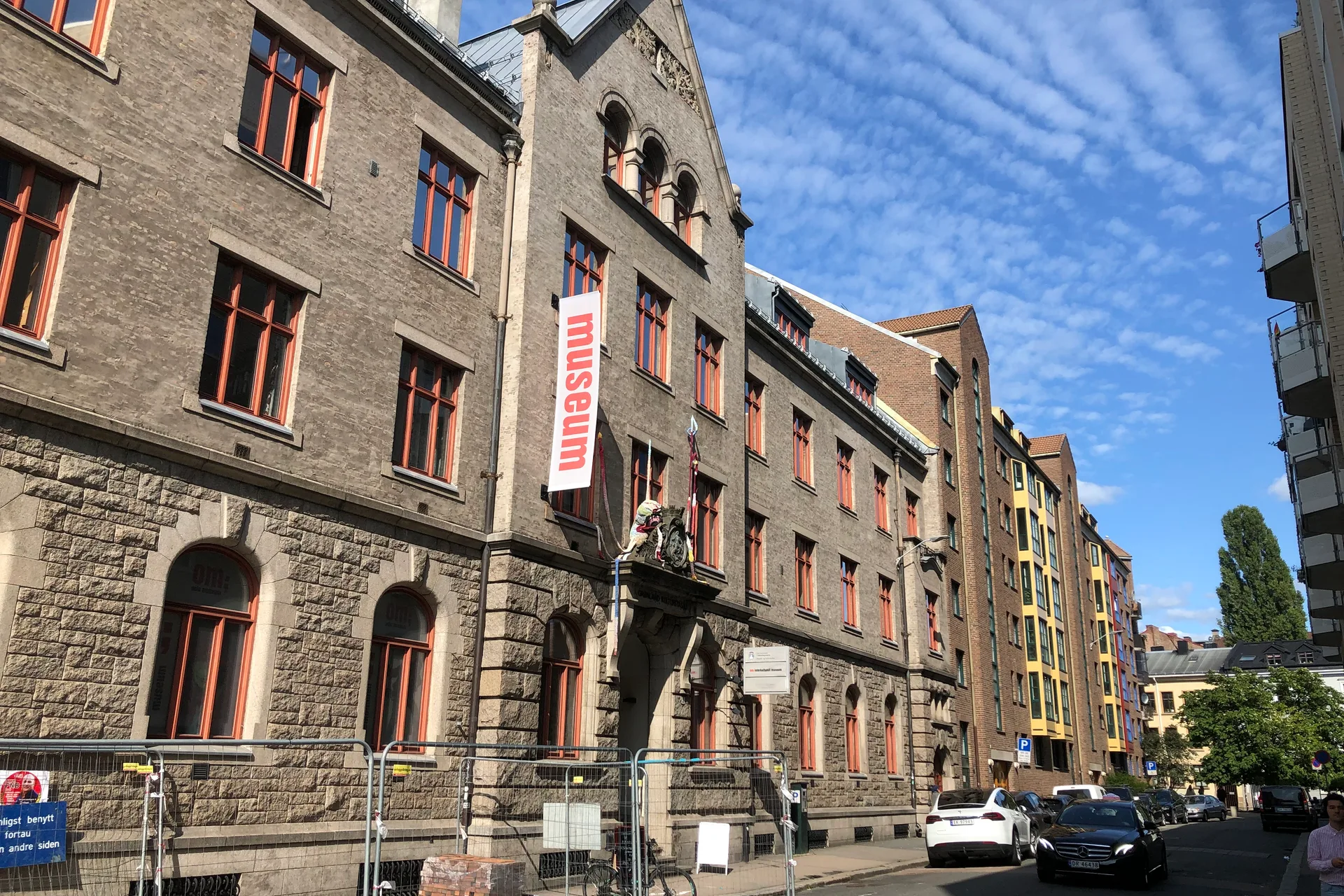
Best for
Those interested in Norway's multicultural history and contemporary society
Time needed
45 minutes–1.5 hours
Worth it?
Free and informative — good if already in the Grønland area
Skip if
Short on time — the larger museums offer more impact per hour
About Intercultural Museum
The Intercultural Museum (Kulturelt Mangfold) sits in Grønland — Oslo's most ethnically diverse neighbourhood and the part of the city that most visibly reflects Norway's transformation from a relatively homogeneous society into one of the most diverse countries in western Europe. The museum's location is itself a statement: Grønland has been the first home of successive waves of migrants to Oslo since the 19th century, and it remains the neighbourhood where the experience of being new to Norway is most immediately present.
Norway received relatively little immigration before the 1960s and 1970s, when labour migrants from Pakistan, Turkey, and Morocco began arriving in significant numbers. Subsequent waves brought refugees and their families from Vietnam, Chile, Somalia, and the former Yugoslavia. Today, approximately one in three Oslo residents was born outside Norway, and in some neighbourhoods that proportion is considerably higher.
Read the full storyShow less
The museum's permanent exhibition traces the history of these migrations — the push factors in origin countries, the journey, the experience of arrival, and the process of building a life in a country with a different language, climate, religion, and social system. Personal stories, photographs, and objects donated by immigrant families give the exhibition a human scale that statistics alone cannot achieve.
The temporary exhibition programme is deliberately contemporary — addressing current questions of integration, discrimination, identity, and belonging with a directness that more established cultural institutions sometimes avoid. The museum is a genuine participant in Norwegian debates about immigration and national identity rather than a neutral observer.
The neighbourhood surrounding the museum repays exploration. The Grønland Basar (market) is Oslo's most atmospheric food market — Pakistani spice merchants, Ethiopian grocery stores, Middle Eastern bakeries, and Vietnamese restaurants crowd into a dense street grid that feels unlike anywhere else in the city. The mosque at Tøyen is the largest in Norway; the Orthodox churches reflect the Serbian and Ethiopian communities; the kebab shops and tea houses are open late.
Grønland is a 5-minute walk from Oslo Central Station and 10 minutes from the city hall. The museum is free and open Tuesday through Sunday. Even without entering the museum, the neighbourhood itself is one of Oslo's most interesting and most honest places.
What to See: Highlights
- 1Norway's multicultural heritage and immigrant community history
- 2Changing exhibitions on world cultures and global connections
- 3Norway's relationship with its diaspora communities
- 4Free admission in Oslo's most multicultural neighbourhood
- 5Community-focused events and cultural programmes
Insider Tips
Free admission — worth a visit if in the Grønland area
Located in Grønland, Oslo's most multicultural neighbourhood
Combine with a walk through Grønland Bazaar and local market
Small museum — about 45 minutes is enough
Getting There
Tøyengata 65, 0578 Oslo
Open in Google Maps →- 1T-bane to Grønland station, then 5-minute walk east on Tøyengata
- 2T-bane to Tøyen station, then 5-minute walk west
- 3Bus 37 to Tøyen, then walk
- 4Walk from Oslo Central Station: 15 minutes east
- 5Grønland Bazaar and local food markets are a short walk from the museum
Where to stay
Hotels in Oslo
Compare prices across hundreds of hotels near this attraction — from budget hostels to luxury stays. Free cancellation on most rooms.
Affiliate disclosure — we may earn a commission at no extra cost to you. Powered by Booking.com.
Frequently Asked Questions
Everything you need to know before you visit.
Is Intercultural Museum worth visiting?+−
How long does a visit to Intercultural Museum take?+−
Who is Intercultural Museum best for?+−
Do I need to book anything in advance to visit Intercultural Museum?+−
Is Intercultural Museum included with the Oslo city pass?+−
Should You Visit?
Visit if...
- You're in the Grønland neighbourhood
- You're interested in migration and multicultural history
- Free entry makes it an easy visit
- You want to explore a non-touristy Oslo neighbourhood
Skip if...
- Short on time — prioritise the larger museums first
Ready to Book Your Visit?
More to See in Oslo
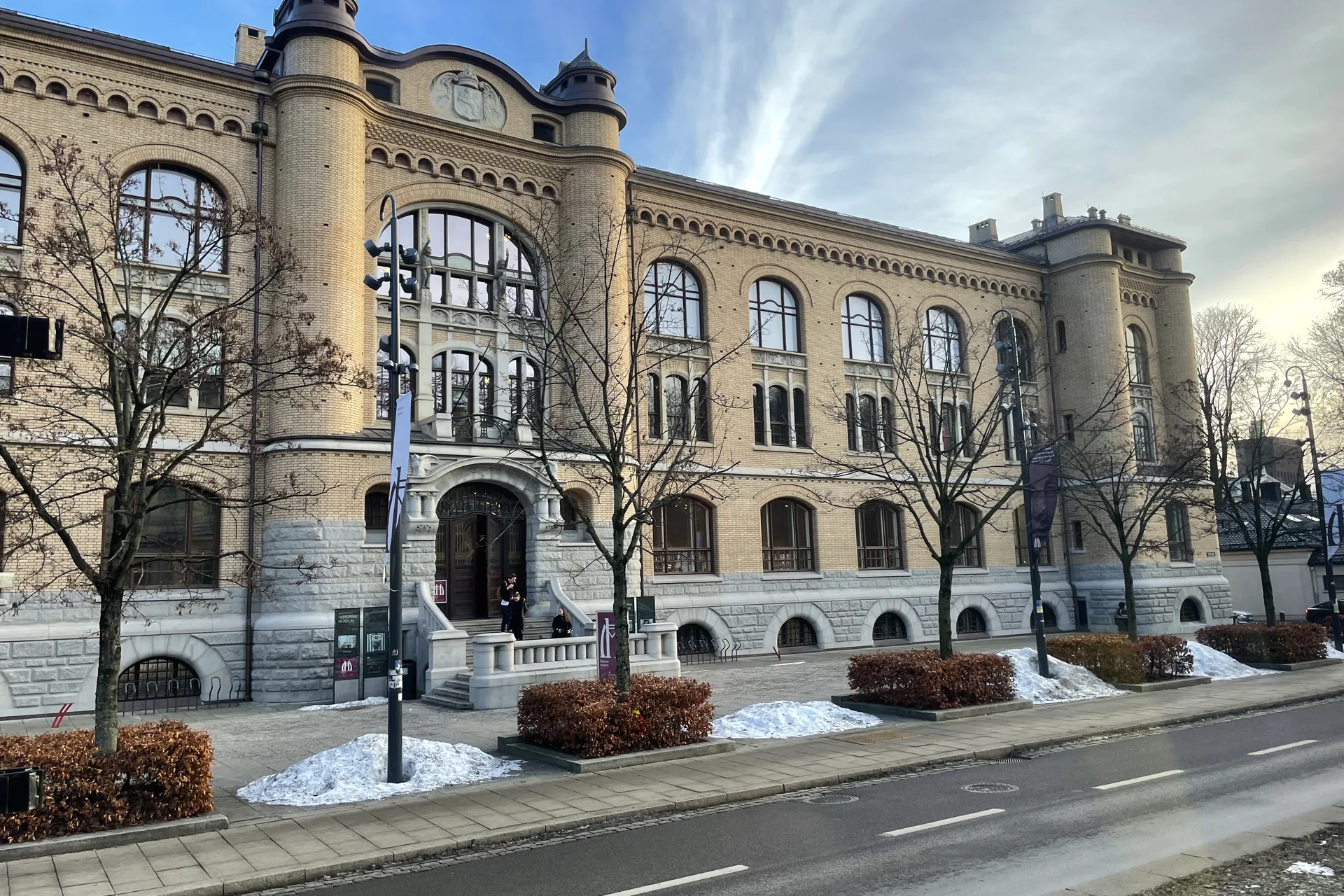
Cultural History Museum
Oslo's Historical Museum at the University — Norway's finest Viking-age gold and jewellery alongside Egyptian mummies, medieval church art and Norse antiquities.
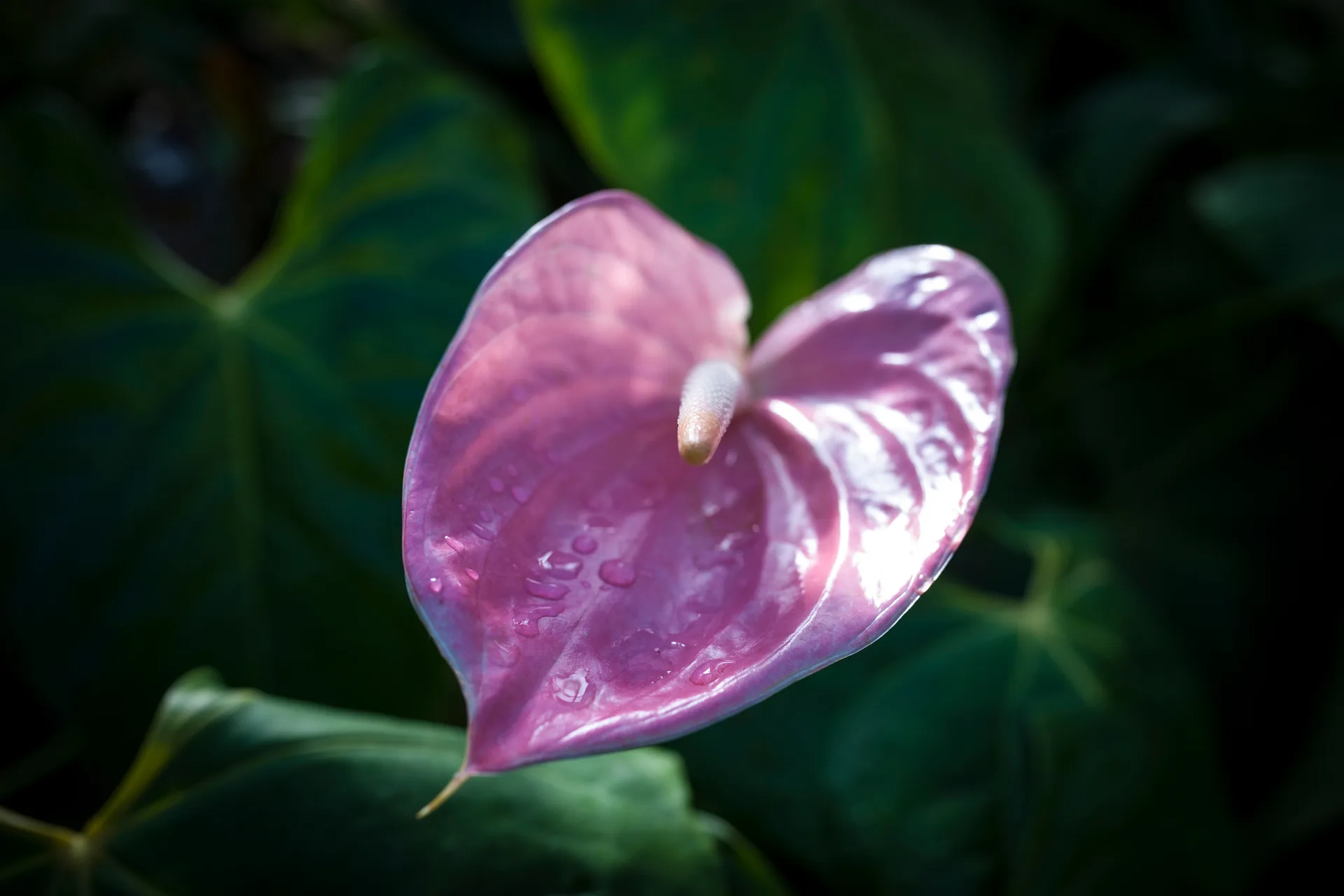
Natural History Museum
Oslo's Natural History Museum at Tøyen: dinosaur skeletons, Arctic wildlife, Norwegian geology and whale bones — plus the free Botanical Garden on the same campus.
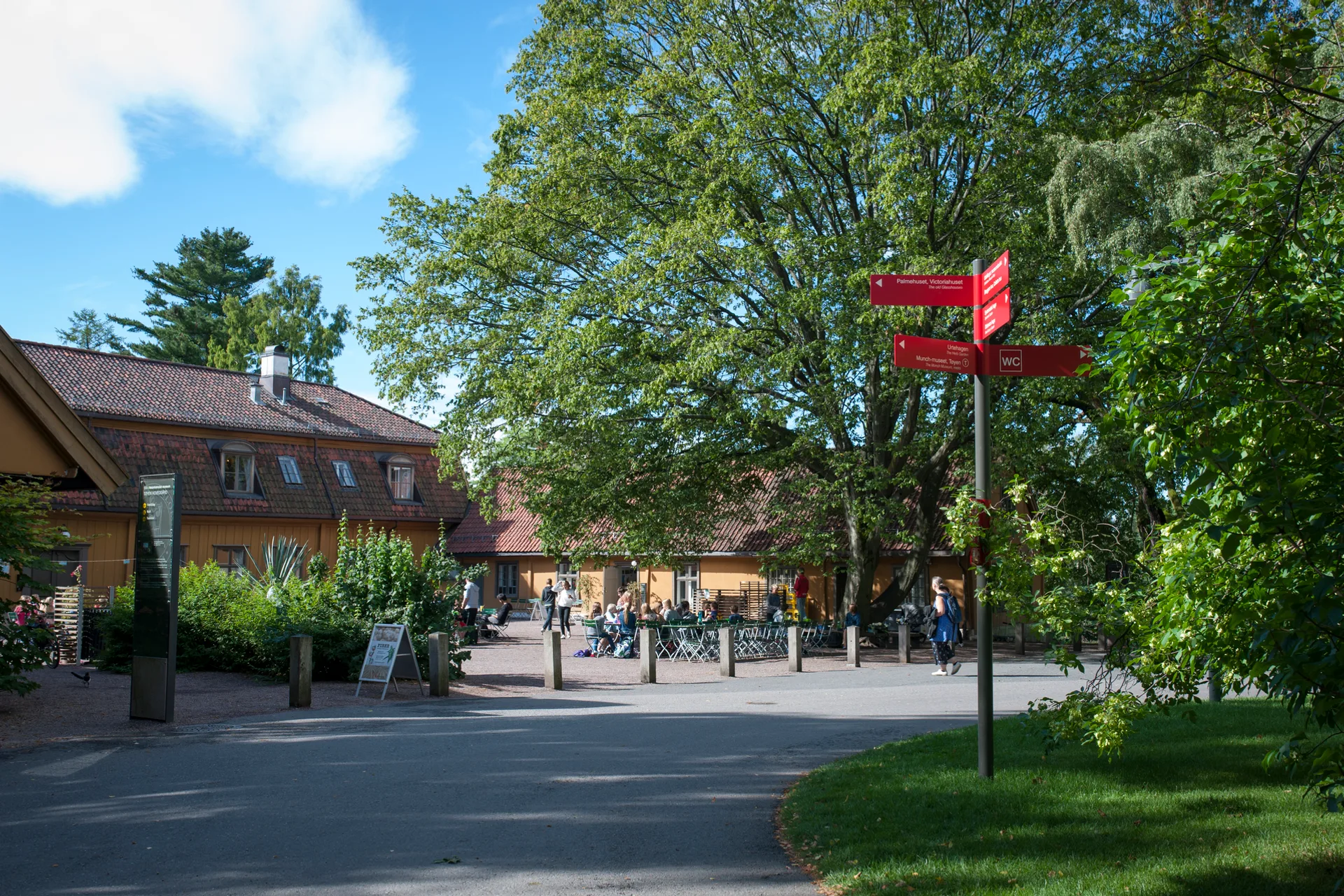
Oslo Botanical Garden
Free outdoor garden with 7,500 plant species, a rose garden, and Norway's oldest botanical collection — peaceful and beautiful in summer.