
Best for
Dickens readers, literary history fans, Bloomsbury walkers
Time needed
45–75 minutes
Worth it?
Yes for fans of his work — less compelling if you haven't read him
Skip if
You've never read Dickens and literary house museums don't interest you
About Charles Dickens Museum
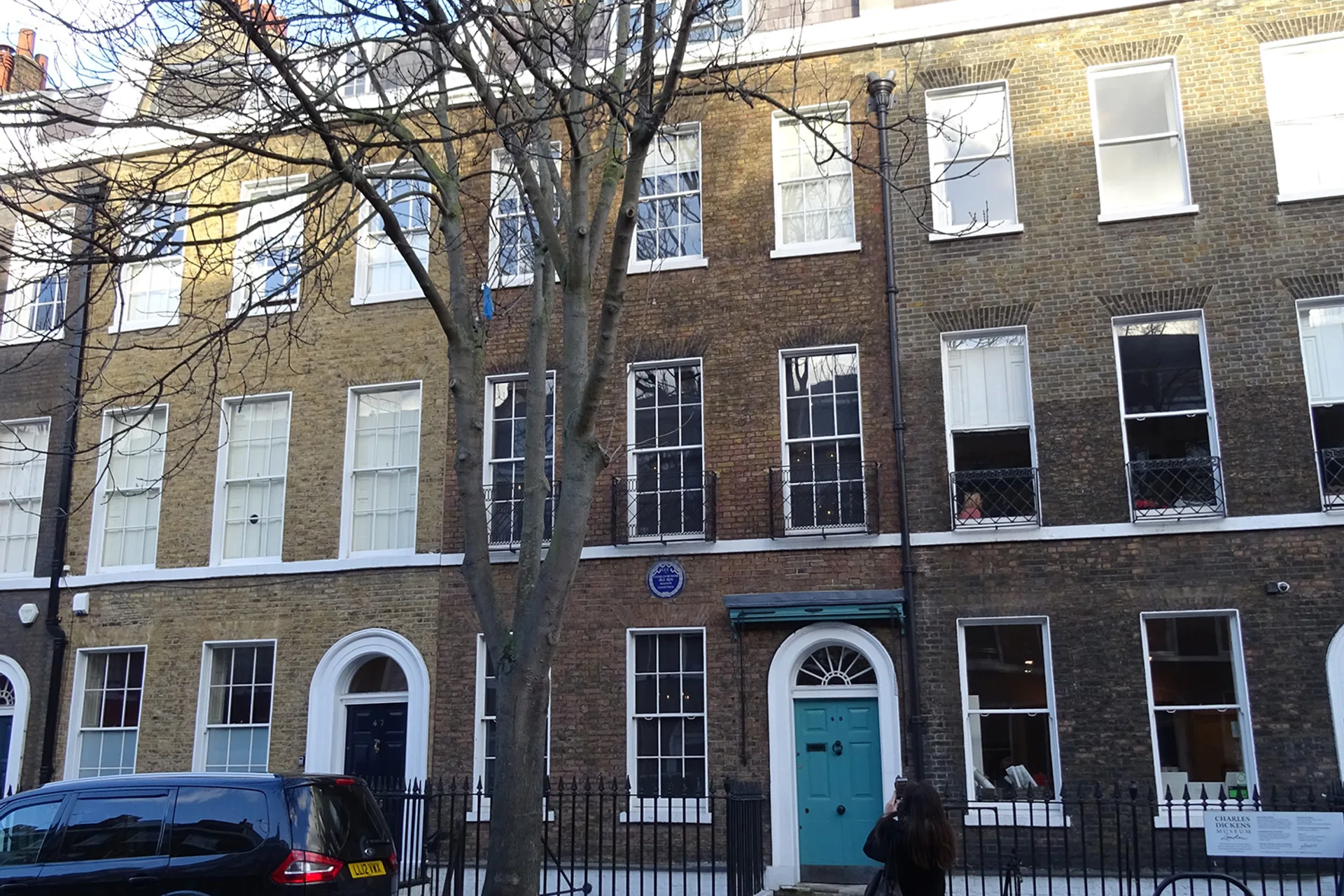
Dickens lived at 48 Doughty Street for just over two years, from 1837 to 1839, but they were among the most productive of his career — he finished The Pickwick Papers, wrote the whole of Oliver Twist, and began Nicholas Nickleby at the desk still displayed here. It's the only one of Dickens's many London homes to survive, and was threatened with demolition in 1923 before the Dickens Fellowship raised the funds to buy and preserve it, opening it as a museum in 1925.
The Georgian terraced house is arranged across four floors of period rooms, furnished with genuine Dickens possessions — his writing desk and chair, the reading copy he used for his famous public performances, and personal items belonging to his family, alongside letters and rare first editions from the world's most comprehensive collection of Dickens-related material.
Read the full storyShow less
The house also captures the more difficult side of Dickens's life during this period, including the death of his sister-in-law Mary Hogarth in the house in 1837, an event that affected him deeply and echoes through several of his novels.
It's a compact, single-purpose museum best suited to genuine fans of Dickens's work rather than a casual passing visit, but for those readers it offers a level of intimacy few literary house museums match.
What to See: Highlights
- 1Dickens's own writing desk and chair
- 2The room where he wrote Oliver Twist and Nicholas Nickleby
- 3The world's most comprehensive collection of Dickens manuscripts and letters
- 4Period-furnished Georgian rooms across four floors
- 5Rare first editions of Dickens's novels
- 6The only surviving London residence of Charles Dickens
Skip the Queue — Book Tickets Online
Same admission, instant confirmation. Compare prices across platforms.
Affiliate disclosure — we may earn a commission at no extra cost to you.
Insider Tips
Best appreciated if you already know some of Dickens's novels or biography
The museum is compact — 45–60 minutes is enough for most visitors
Combine with the nearby British Library or Foundling Museum for a Bloomsbury literary day
Some rooms have narrow stairs, so check accessibility if needed
A small garden café offers a break between floors
Book a Guided Tour
Get the most from your visit with a local expert guide.
Affiliate disclosure — we may earn a commission at no extra cost to you.
Getting There
48–49 Doughty Street, London WC1N 2LX
Open in Google Maps →- 1Russell Square (Piccadilly line) or Chancery Lane (Central line) — both roughly a 10-minute walk.
Where to stay
Hotels in London
Compare prices across hundreds of hotels near this attraction — from budget hostels to luxury stays. Free cancellation on most rooms.
Affiliate disclosure — we may earn a commission at no extra cost to you. Powered by Booking.com.
Frequently Asked Questions
Everything you need to know before you visit.
Is Charles Dickens Museum worth visiting?+−
How long does a visit to Charles Dickens Museum take?+−
Who is Charles Dickens Museum best for?+−
Do I need to book tickets in advance for Charles Dickens Museum?+−
Is Charles Dickens Museum included with the London city pass?+−
Should You Visit?
Visit if...
- You've read Dickens's novels and want to see where some were written
- You enjoy intimate literary house museums over large national collections
- You're exploring Bloomsbury's literary history more broadly
- You want a quieter, off-the-main-trail cultural stop
Skip if...
- You're unfamiliar with Dickens's work and it holds little interest
- You're short on time with bigger Bloomsbury sights (British Museum, British Library) still ahead
Ready to Book Your Visit?
More to See in London
British Library
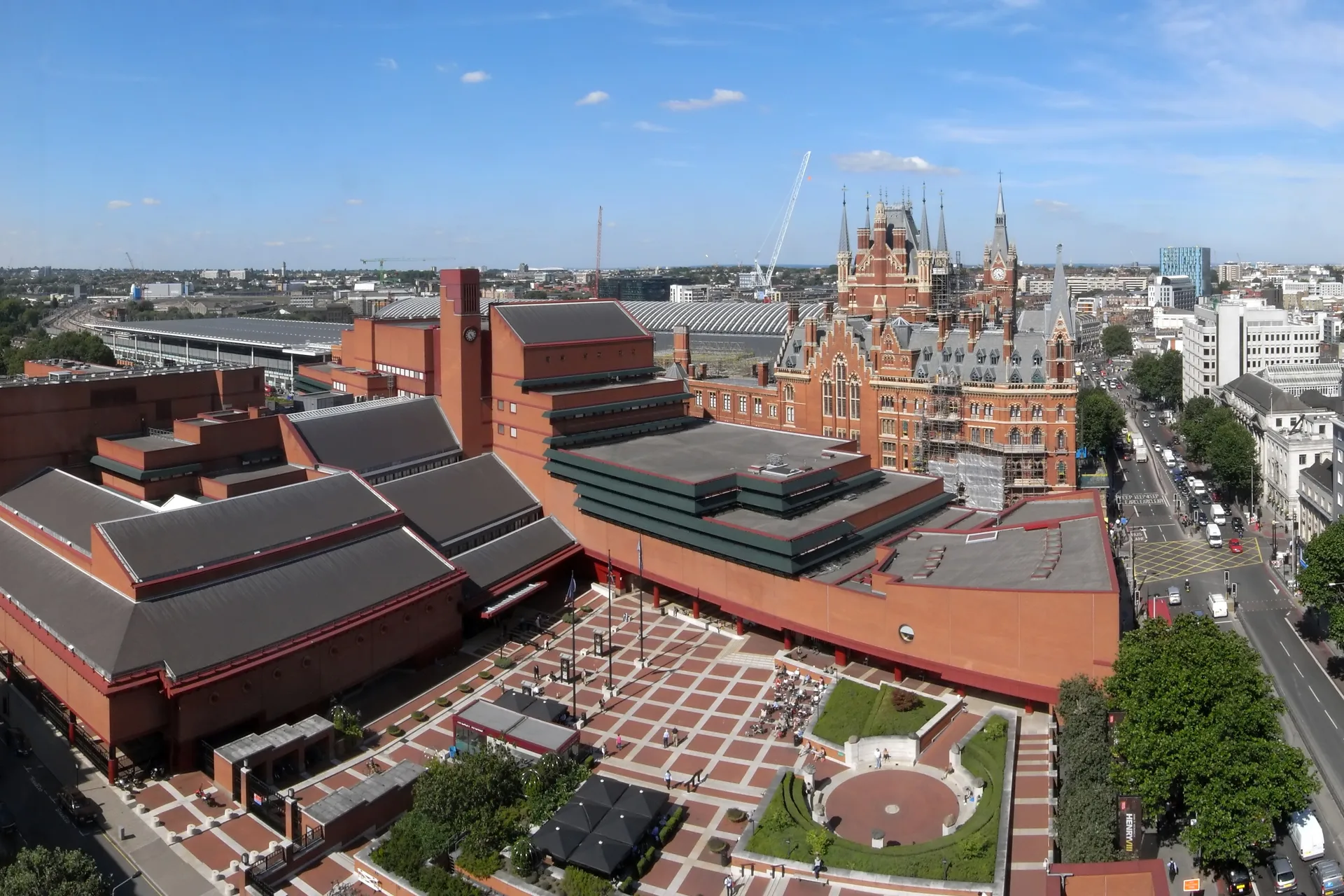
The UK's national library and one of the world's great research collections, with a free Treasures Gallery holding a Magna Carta, Beatles lyrics and Leonardo da Vinci's notebooks.
Foundling Museum
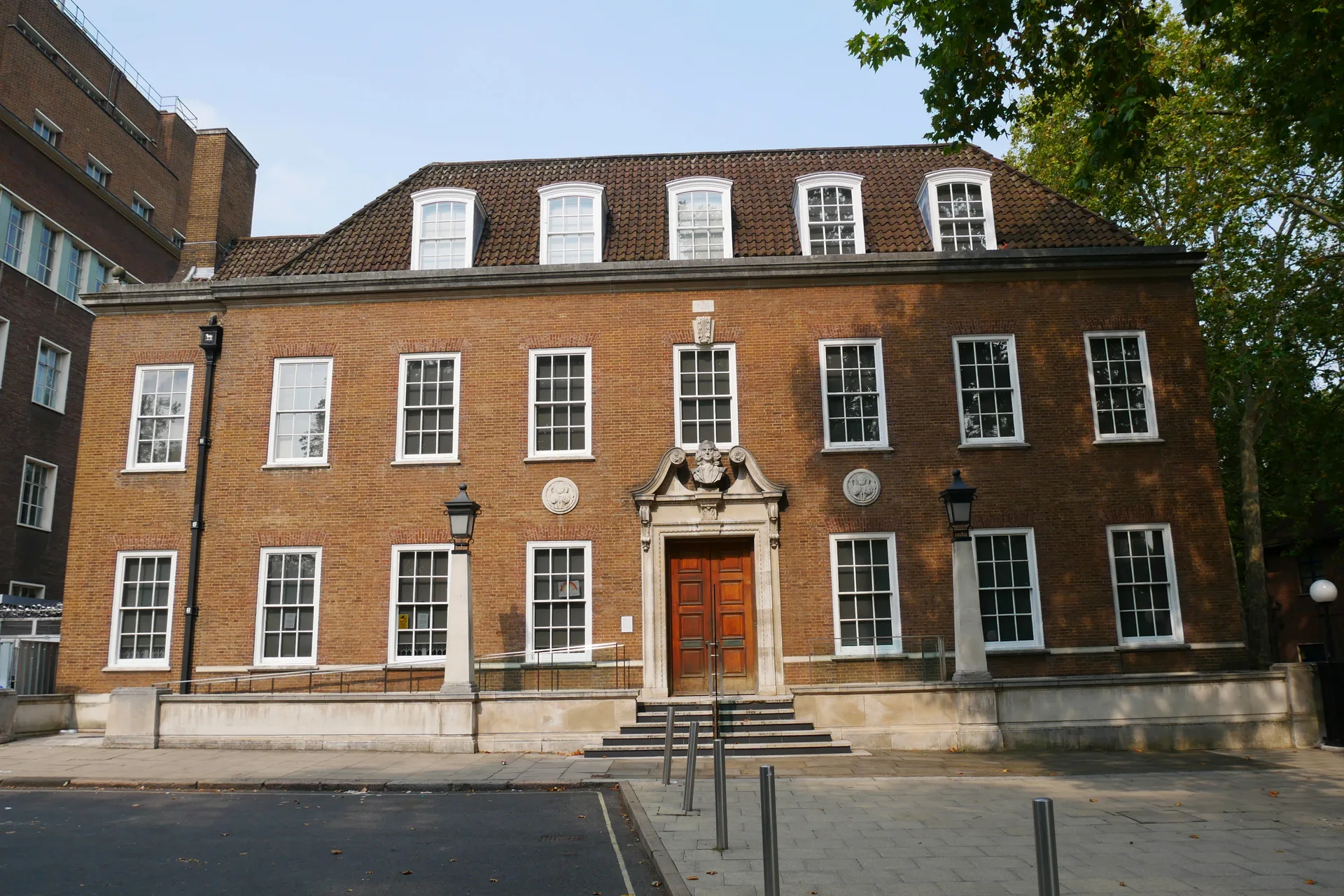
The story of Britain's first children's charity and the UK's first public art gallery, told through the tokens desperate mothers left with the babies they surrendered.