
Best for
History enthusiasts, art lovers, anyone interested in social history
Time needed
1–1.5 hours
Worth it?
Yes — a small museum with real emotional and historical depth
Skip if
You want only headline blockbuster sights and are very short on time
About Foundling Museum
The Foundling Hospital was established in 1739 by philanthropist Thomas Coram to care for babies at risk of abandonment on London's streets, and over nearly two centuries it took in around 25,000 children. Mothers surrendering a child left a small token — a button, a coin, a scrap of fabric — kept as an identifying record in case they were ever able to reclaim their child; most never could, and the museum's collection of these tokens is one of the most quietly devastating displays in any London museum.
The Hospital was also, improbably, the birthplace of British public art patronage: William Hogarth and George Frideric Handel were both governors and major donors, Hogarth persuading fellow artists to donate works to decorate the hospital and draw in wealthy visitors (and their charitable donations), effectively creating the UK's first public art gallery. Handel conducted annual charity performances of Messiah here and left the hospital a copy of the score in his will.
Read the full storyShow less
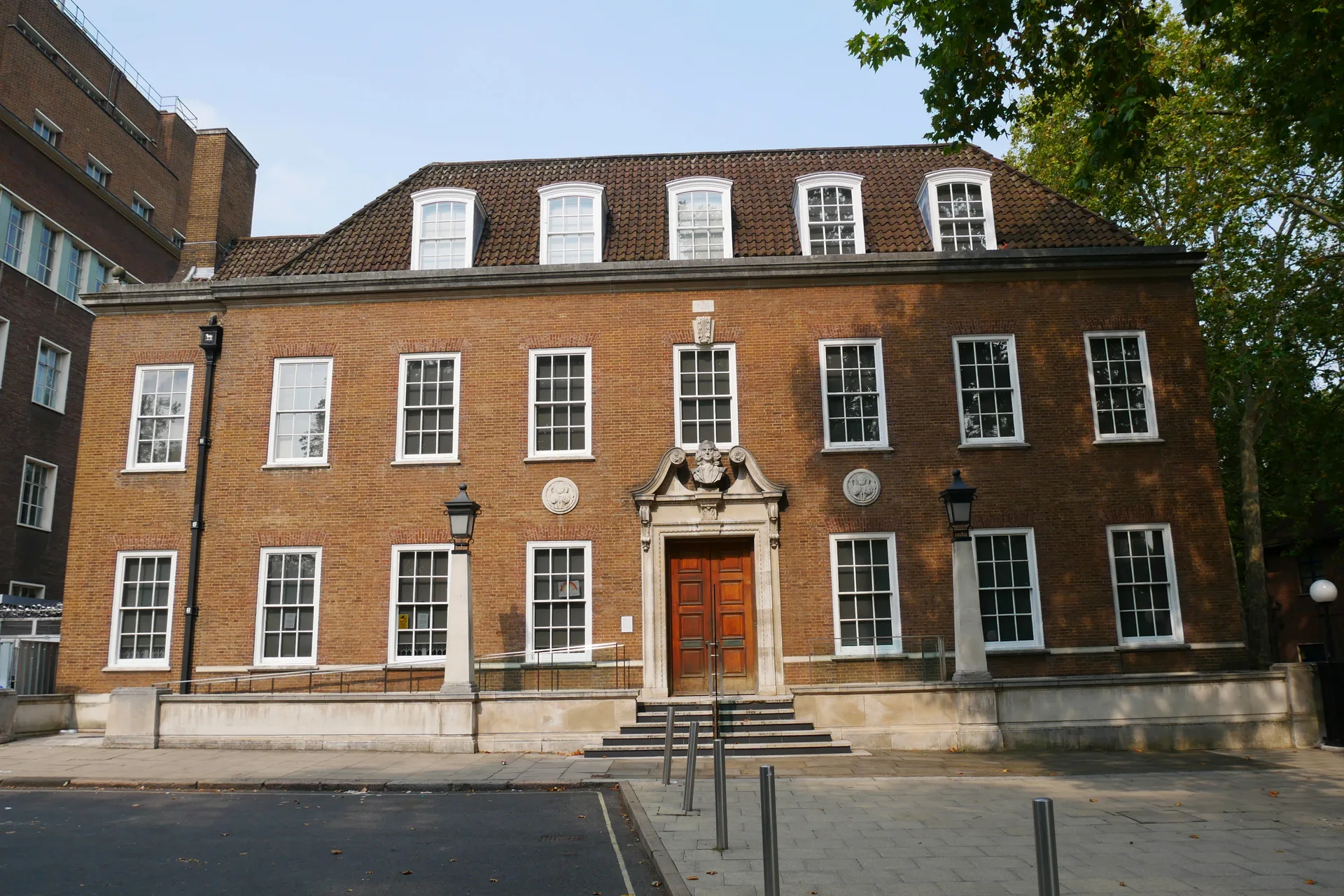
Today's museum occupies a rebuilt Georgian-style building (the original was demolished in the 1920s) and combines the social history of the Foundling Hospital's children with its surprisingly significant art collection, including major Hogarth works and Handel memorabilia.
It's a small museum but an emotionally resonant one, well suited to a quieter, more reflective hour than London's larger, busier sights.
What to See: Highlights
- 1The tokens mothers left with surrendered children, kept as identifying records
- 2Original Hogarth paintings donated to found the UK's first public art gallery
- 3Handel's own copy of the Messiah score and other memorabilia
- 4The social history of Britain's first children's charity, 1739–1954
- 5A rebuilt Georgian-style interior evoking the original Hospital's rooms
- 6A quiet, reflective museum experience away from the main tourist crowds
Skip the Queue — Book Tickets Online
Same admission, instant confirmation. Compare prices across platforms.
Affiliate disclosure — we may earn a commission at no extra cost to you.
Insider Tips
Give yourself time to read the token displays properly — they're the emotional core of the visit
The museum is compact; 60–90 minutes covers it well
Combine with the Charles Dickens Museum, a short walk away in Bloomsbury
Family activities and trails are available for children
The on-site café overlooks Coram's Fields, a children's park next door
Book a Guided Tour
Get the most from your visit with a local expert guide.
Affiliate disclosure — we may earn a commission at no extra cost to you.
Getting There
40 Brunswick Square, London WC1N 1AZ
Open in Google Maps →- 1Russell Square (Piccadilly line) — a 5-minute walk.
Where to stay
Hotels in London
Compare prices across hundreds of hotels near this attraction — from budget hostels to luxury stays. Free cancellation on most rooms.
Affiliate disclosure — we may earn a commission at no extra cost to you. Powered by Booking.com.
Frequently Asked Questions
Everything you need to know before you visit.
Is Foundling Museum worth visiting?+−
How long does a visit to Foundling Museum take?+−
Who is Foundling Museum best for?+−
Do I need to book tickets in advance for Foundling Museum?+−
Is Foundling Museum included with the London city pass?+−
Should You Visit?
Visit if...
- You're interested in 18th-century social history and philanthropy
- You want to see genuine Hogarth works with real historical context
- You appreciate quieter, more reflective museum experiences
- You're exploring Bloomsbury's cluster of literary and historic museums
Skip if...
- You're only interested in major headline sights and have very limited time
- Emotionally heavy social history themes aren't what you're looking for today
Ready to Book Your Visit?
More to See in London
British Library
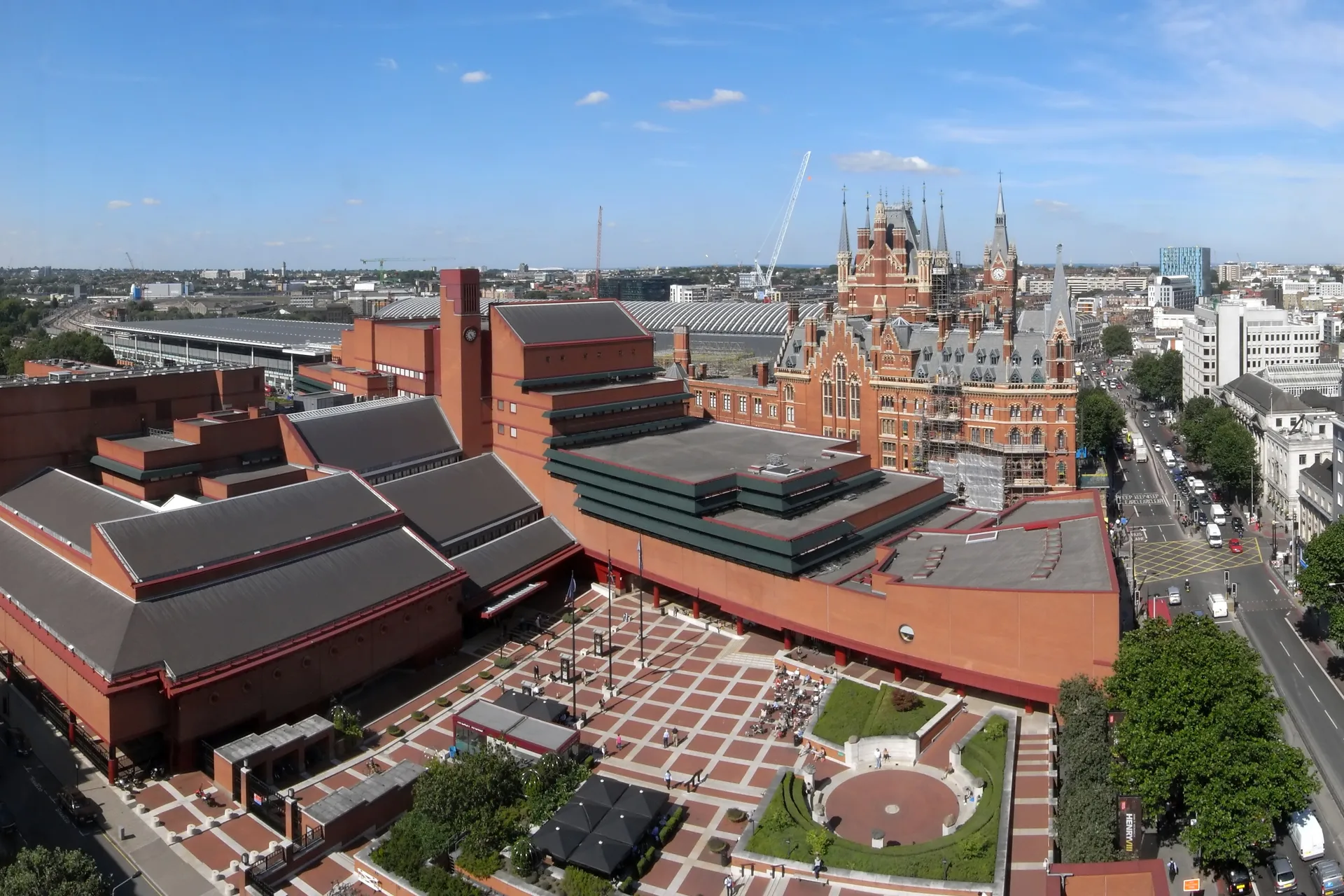
The UK's national library and one of the world's great research collections, with a free Treasures Gallery holding a Magna Carta, Beatles lyrics and Leonardo da Vinci's notebooks.
Charles Dickens Museum
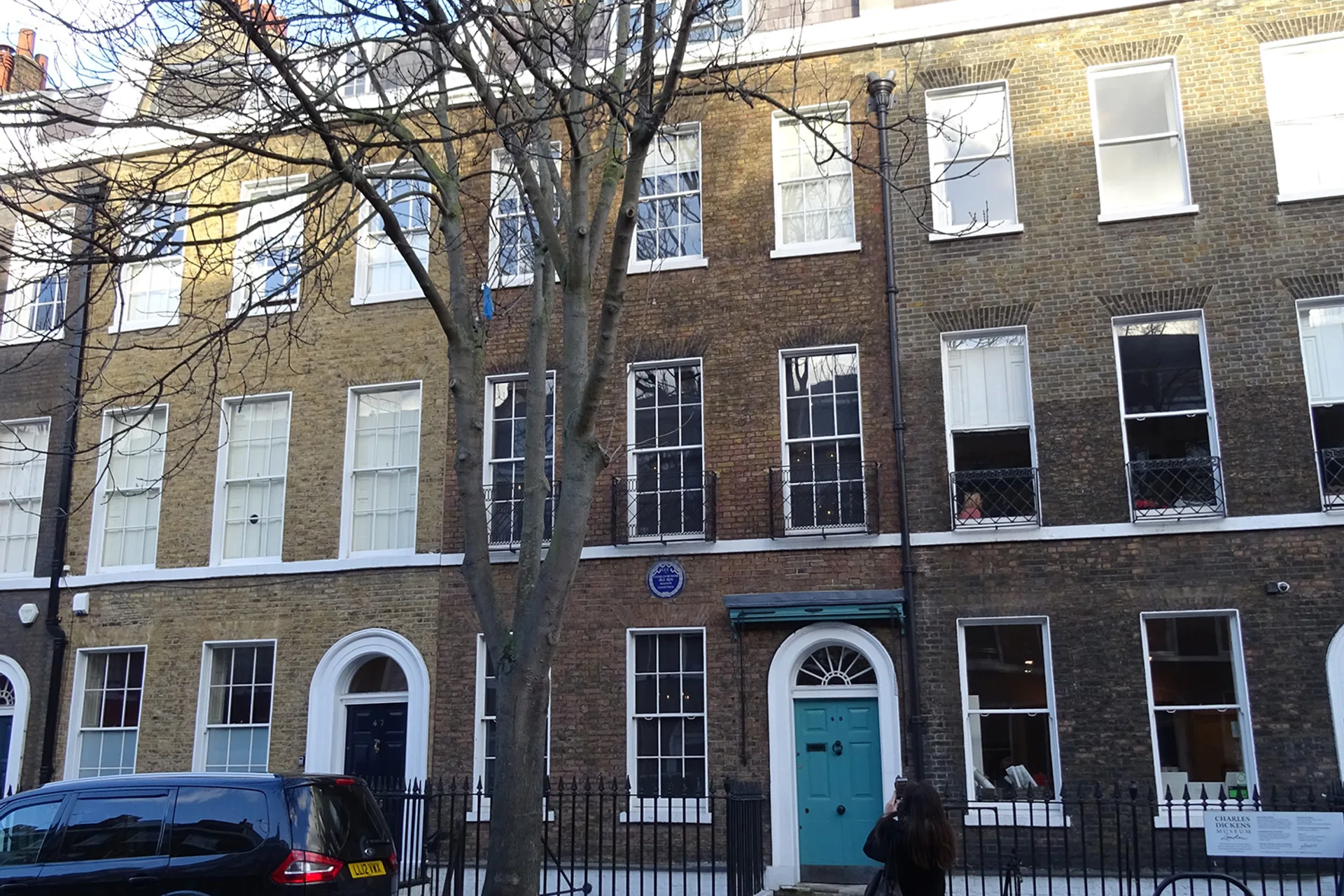
The only surviving London home of Charles Dickens, where he wrote Oliver Twist and Nicholas Nickleby, furnished with the world's largest collection of Dickens memorabilia.