
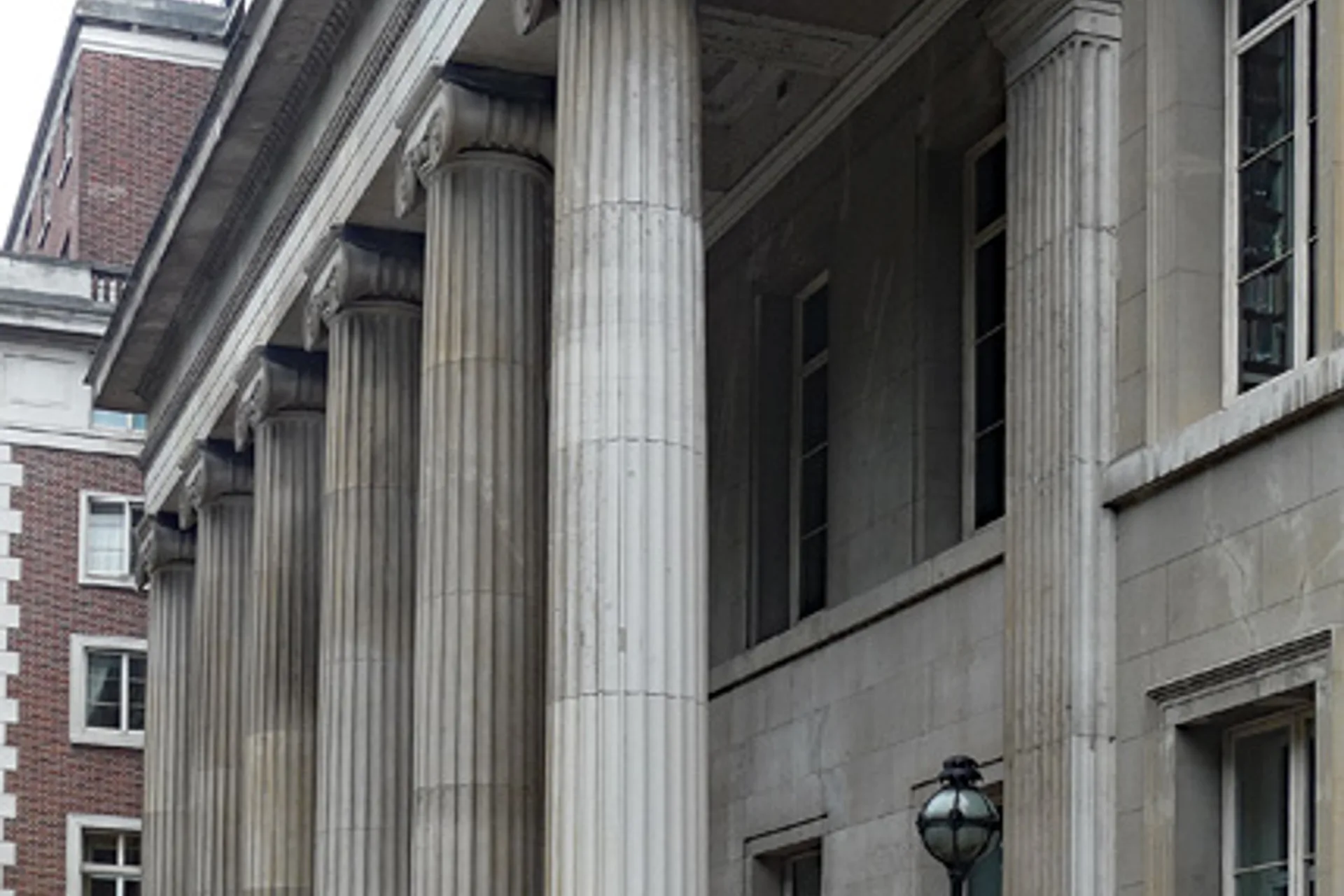
Best for
Medical history enthusiasts, science students, curious adults
Time needed
45–75 minutes
Worth it?
Yes for those interested in medical history — genuinely unlike any other London museum
Skip if
You're squeamish about anatomical specimens or travelling with young children
About Hunterian Museum
John Hunter, the pioneering 18th-century Scottish surgeon and anatomist often called the father of scientific surgery, spent decades dissecting and preserving thousands of anatomical specimens to understand how bodies — human and animal — actually worked, rather than relying on inherited medical dogma. His personal collection, bought by the government after his death and given to the Company (later Royal College) of Surgeons, forms the core of the Hunterian Museum at Lincoln's Inn Fields.
The museum reopened in 2023 after a major redevelopment following years of closure, and now displays around 2,000 of Hunter's roughly 15,000 original specimens — preserved organs, skeletons, comparative anatomy specimens and surgical instruments — presented with far more historical and ethical context than earlier iterations of the display, including honest acknowledgement of how some specimens (including human remains) were obtained.
Read the full storyShow less
Beyond Hunter's own collection, the museum covers the broader history of surgery from the pre-anaesthetic era through to modern practice, including instruments, case histories and the college's ongoing role training surgeons today.
Some of the content — preserved human and animal specimens in particular — is not for the squeamish, but for anyone interested in the history of medicine it's one of London's most remarkable and unusual free museums.
What to See: Highlights
- 1John Hunter's original 18th-century anatomical specimen collection
- 2A history of surgery from the pre-anaesthetic era to today
- 3Comparative anatomy specimens spanning human and animal biology
- 4Historic surgical instruments and case histories
- 5Honest contextual displays on the ethics of historic specimen collection
- 6Free entry to a genuinely one-of-a-kind museum
Skip the Queue — Book Tickets Online
Same admission, instant confirmation. Compare prices across platforms.
Affiliate disclosure — we may earn a commission at no extra cost to you.
Insider Tips
Free weekly Curator Highlights Tours run on Wednesday afternoons, no booking needed
Some displayed specimens are graphic — not recommended for very young children
Pre-booking your visit online is recommended to avoid queues at busy times
Combine with Sir John Soane's Museum, a 3-minute walk away
Budget about an hour for a thorough visit
Book a Guided Tour
Get the most from your visit with a local expert guide.
Affiliate disclosure — we may earn a commission at no extra cost to you.
Getting There
38–43 Lincoln's Inn Fields, London WC2A 3PE
Open in Google Maps →- 1Holborn (Central, Piccadilly lines) or Temple (Circle, District) — both roughly a 5-minute walk.
Where to stay
Hotels in London
Compare prices across hundreds of hotels near this attraction — from budget hostels to luxury stays. Free cancellation on most rooms.
Affiliate disclosure — we may earn a commission at no extra cost to you. Powered by Booking.com.
Frequently Asked Questions
Everything you need to know before you visit.
Is Hunterian Museum worth visiting?+−
How long does a visit to Hunterian Museum take?+−
Who is Hunterian Museum best for?+−
Do I need to book anything in advance to visit Hunterian Museum?+−
Is Hunterian Museum included with the London city pass?+−
Should You Visit?
Visit if...
- You're interested in the history of medicine and surgery
- You appreciate museums built around one collector's singular obsession
- You want a free, unusual stop near Lincoln's Inn Fields
- You're combining it with Sir John Soane's Museum nearby
Skip if...
- You or your group are squeamish about preserved anatomical specimens
- You're travelling with young children — the content is adult-oriented
Ready to Book Your Visit?
More to See in London
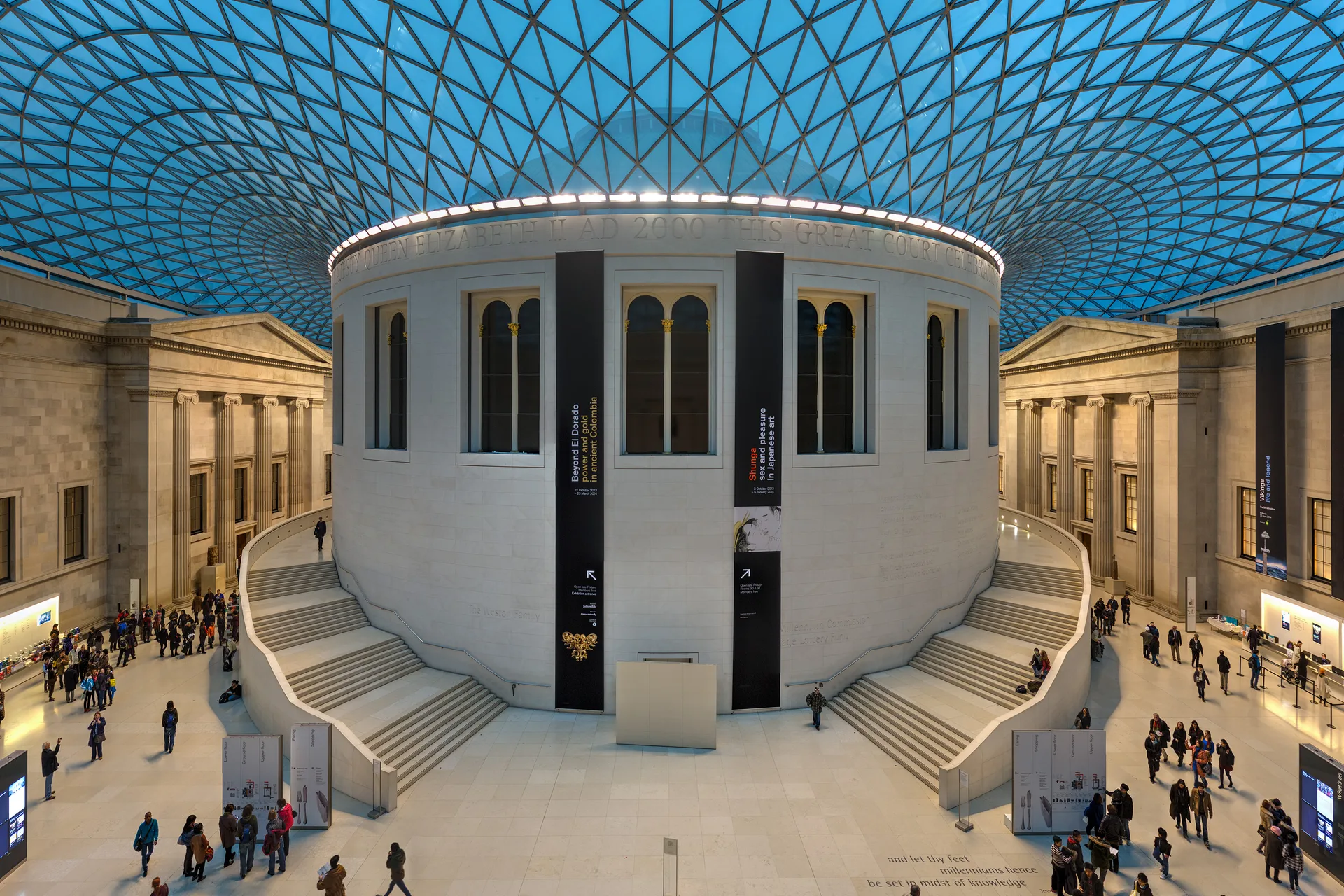
British Museum
The world's oldest national public museum — eight million objects spanning two million years of human history, free to enter, from the Rosetta Stone to the Parthenon Marbles.
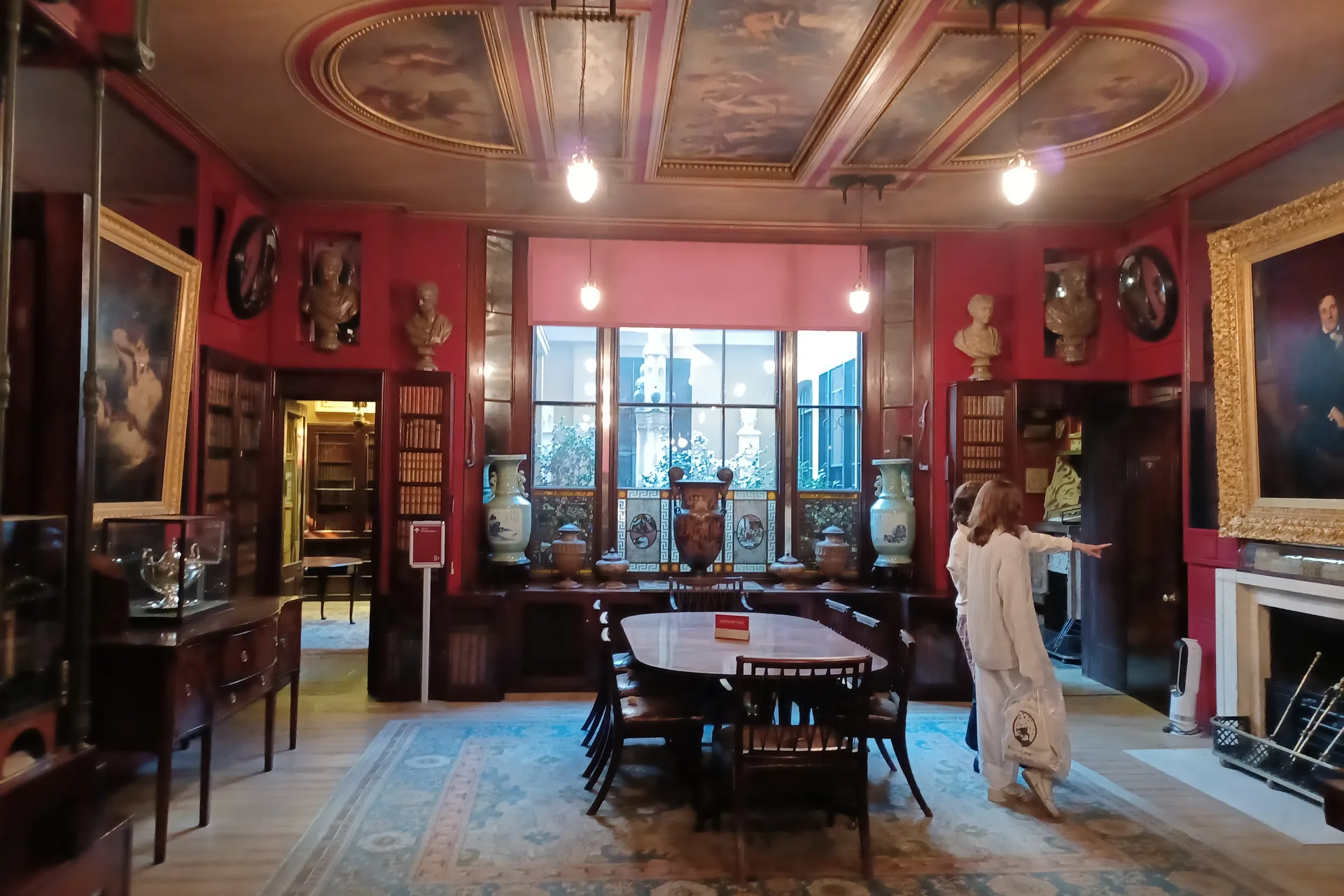
Sir John Soane's Museum
A Regency architect's own eccentric house, left to the nation exactly as he arranged it, crammed with antiquities, a sarcophagus and mirrored, skylit rooms designed to trick the eye.