
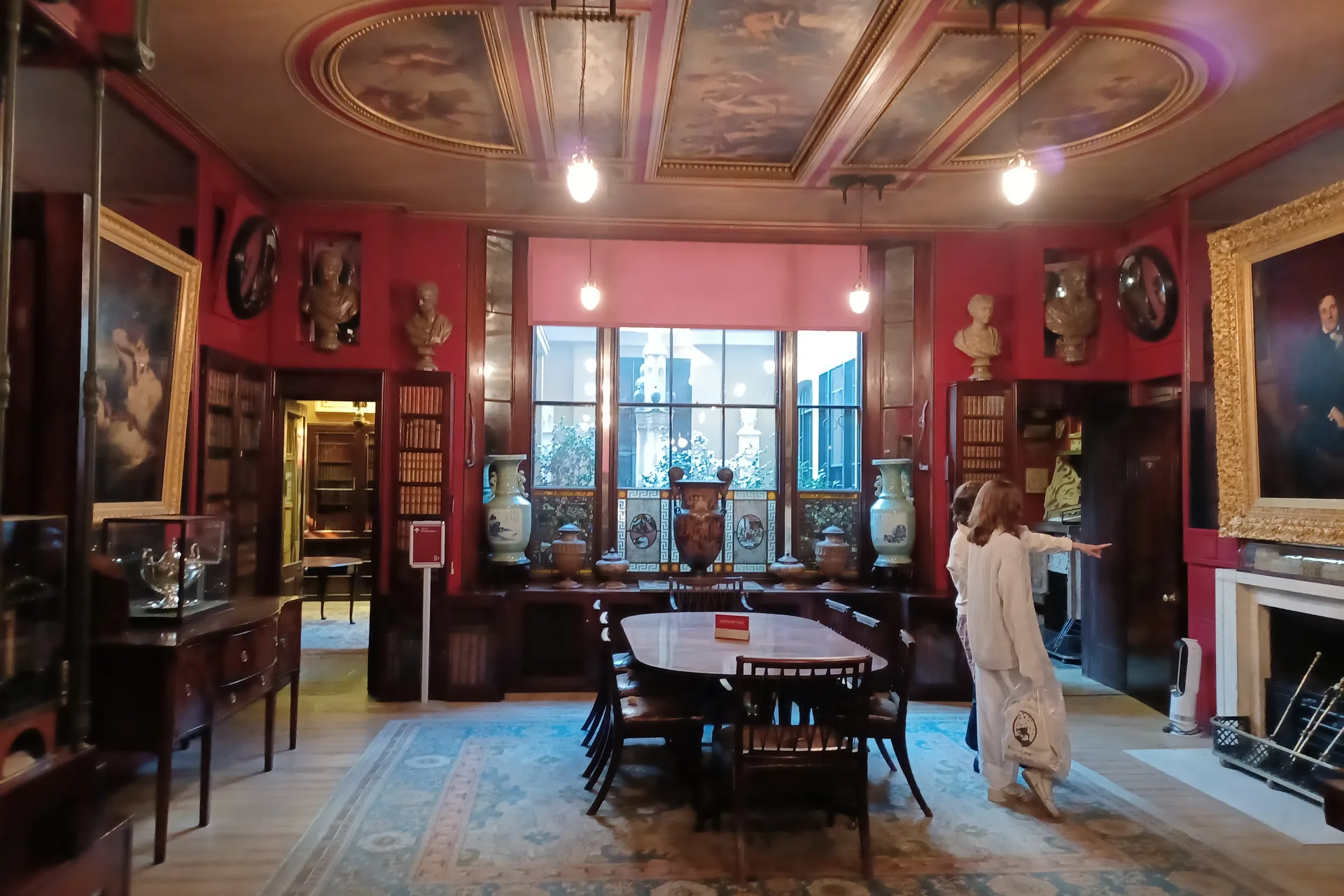
Best for
Architecture lovers, fans of quirky house museums, art enthusiasts
Time needed
1–1.5 hours
Worth it?
Yes — a genuinely unique museum unlike anything else in London
Skip if
You dislike small, crowded spaces or are pressed for time
About Sir John Soane's Museum
Sir John Soane, one of Britain's leading architects and designer of the original Bank of England, spent decades converting three Lincoln's Inn Fields townhouses into his own home, office and personal museum, using his own act of Parliament in 1833 to ensure the house and collection would be preserved exactly as he left it after his death — no rearranging, no removing, no adding.
The result is one of London's strangest and most delightful house museums: rooms lit from hidden skylights, walls of paintings on hinged panels that fold out to reveal more paintings behind, and a basement crypt housing the alabaster sarcophagus of Egyptian pharaoh Seti I, bought in 1824 after the British Museum declined to pay the asking price. Soane held a three-day party lit by candles when the sarcophagus arrived.
Read the full storyShow less
The Picture Room alone holds Hogarth's "A Rake's Progress" series and "An Election," displayed via Soane's ingenious folding wall system that triples the display space of a normal-sized room. Throughout the house, statuary, architectural fragments and curiosities are arranged with a density that rewards slow, repeated looking rather than a single pass.
Entry is free, though the museum's small rooms and one-way visitor routes mean it can feel crowded quickly — an evening candlelit opening on the first Tuesday of the month is a particularly atmospheric way to see it.
What to See: Highlights
- 1The alabaster sarcophagus of Pharaoh Seti I in the basement crypt
- 2Hogarth's "A Rake's Progress" on Soane's folding picture-wall system
- 3Skylit rooms designed with hidden, indirect natural lighting
- 4Soane's own architectural drawings and models collection
- 5The candlelit evening opening on the first Tuesday of each month
- 6Free entry to one of London's most eccentric house museums
Skip the Queue — Book Tickets Online
Same admission, instant confirmation. Compare prices across platforms.
Affiliate disclosure — we may earn a commission at no extra cost to you.
Insider Tips
Arrive early or late in the day — the small rooms fill up fast at midday
Try to visit on a first-Tuesday candlelit evening opening for the best atmosphere
No large bags or backpacks allowed inside — small lockers are provided
Free highlight tours run on some days but require advance booking
Give it at least an hour — details are easy to miss if you rush
Book a Guided Tour
Get the most from your visit with a local expert guide.
Affiliate disclosure — we may earn a commission at no extra cost to you.
Getting There
13 Lincoln's Inn Fields, London WC2A 3BP
Open in Google Maps →- 1Holborn (Central, Piccadilly lines) — a 5-minute walk.
Where to stay
Hotels in London
Compare prices across hundreds of hotels near this attraction — from budget hostels to luxury stays. Free cancellation on most rooms.
Affiliate disclosure — we may earn a commission at no extra cost to you. Powered by Booking.com.
Frequently Asked Questions
Everything you need to know before you visit.
Is Sir John Soane's Museum worth visiting?+−
How long does a visit to Sir John Soane's Museum take?+−
Who is Sir John Soane's Museum best for?+−
Do I need to book anything in advance to visit Sir John Soane's Museum?+−
Is Sir John Soane's Museum included with the London city pass?+−
Should You Visit?
Visit if...
- You enjoy eccentric, densely packed house museums with real character
- You're interested in Regency architecture or Soane's design tricks
- You want to see Hogarth's "A Rake's Progress" in an unusual setting
- You're already near Holborn or the British Museum
Skip if...
- You dislike small, low-ceilinged, crowded museum spaces
- You're claustrophobic — some rooms and the crypt are tight and dim
Ready to Book Your Visit?
More to See in London
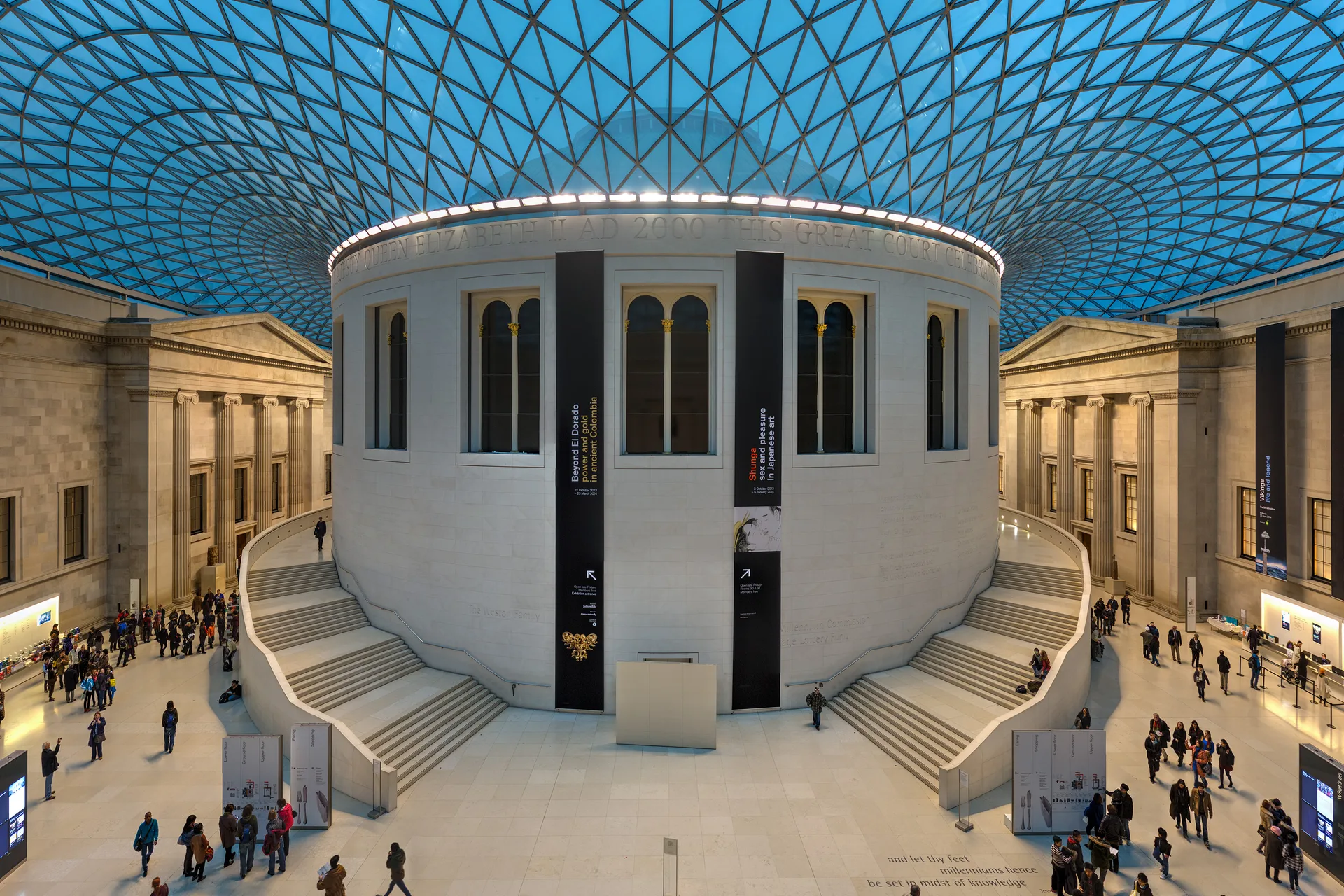
British Museum
The world's oldest national public museum — eight million objects spanning two million years of human history, free to enter, from the Rosetta Stone to the Parthenon Marbles.
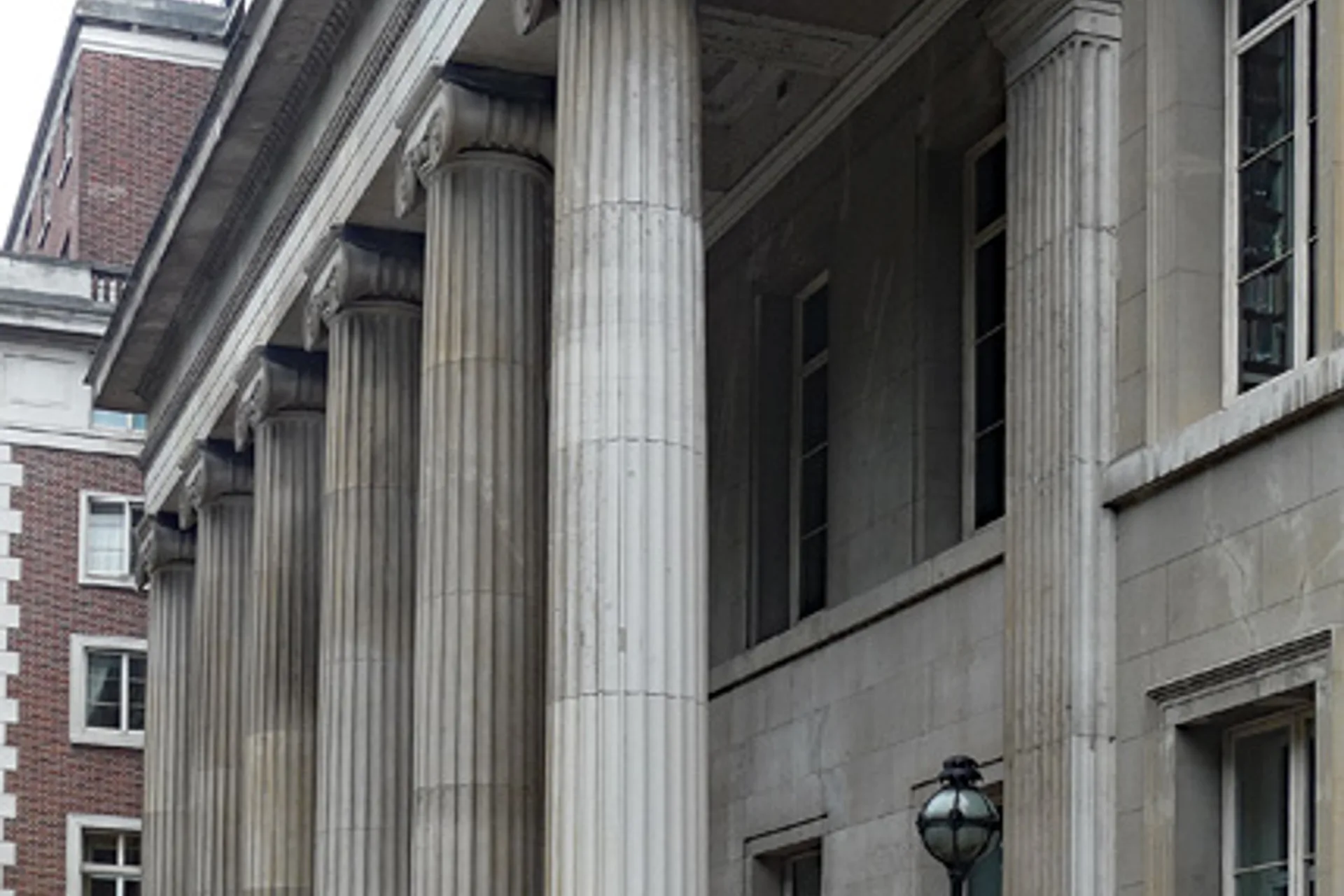
Hunterian Museum
The Royal College of Surgeons' free museum of anatomy and surgical history, built around 18th-century surgeon John Hunter's astonishing anatomical collection.