
Best for
Curious minds, medical history fans, anyone wanting a free under-the-radar museum
Time needed
1–2 hours
Worth it?
Yes — free, genuinely thought-provoking and rarely crowded
Skip if
You're squeamish about medical history themes or in a rush between trains
About Wellcome Collection
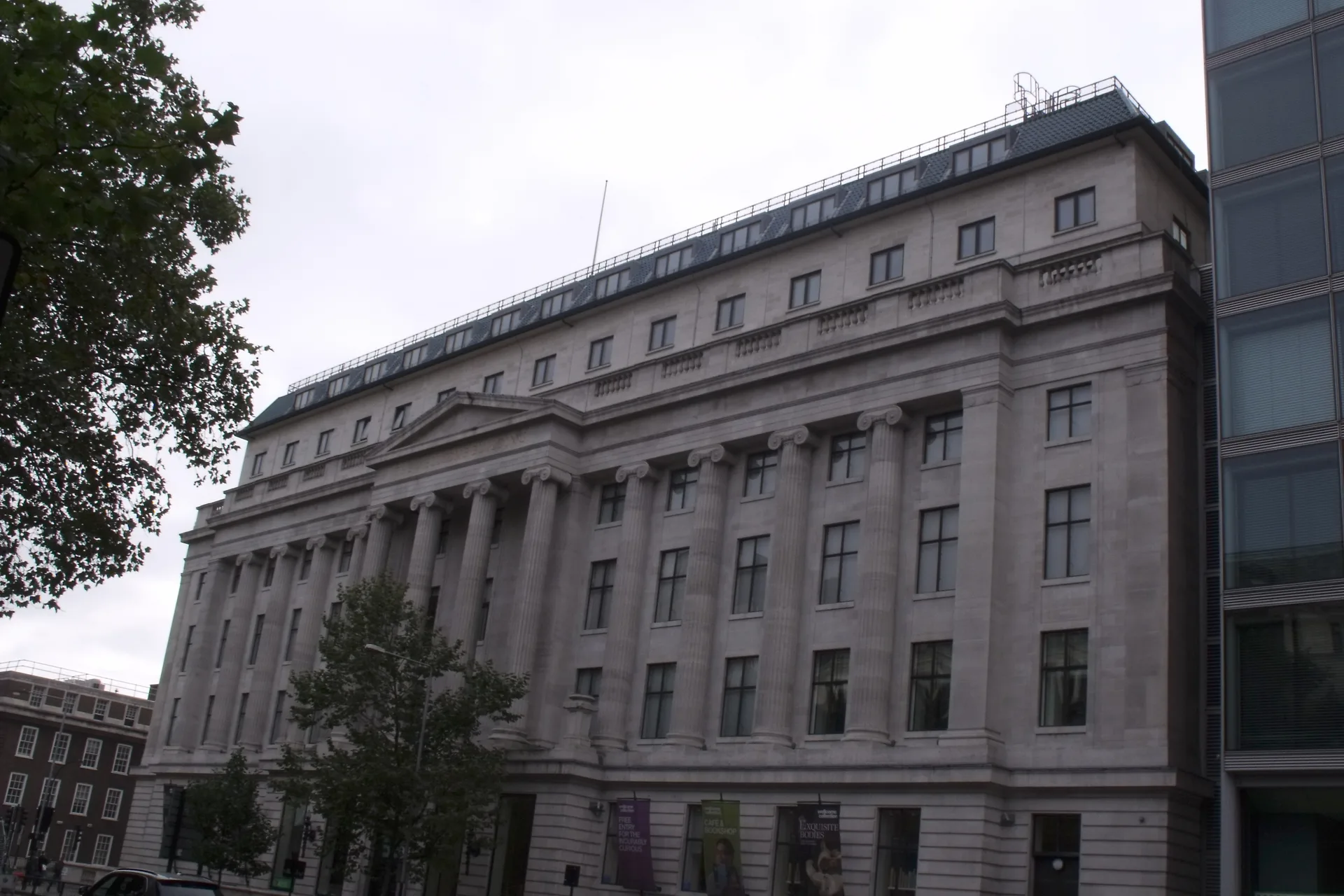
Henry Wellcome, the American-born pharmaceutical entrepreneur behind Burroughs Wellcome & Co., spent decades amassing one of history's largest and strangest personal collections related to medicine and the human body — over a million objects at his death in 1936, from Napoleon's toothbrush to Peruvian mummies to early anaesthesia equipment. The Wellcome Collection, opened in its current Euston Road building in 2007, draws on that collection alongside contemporary art and science to explore what it calls "the connections between medicine, life and art."
The free permanent galleries include "Medicine Man," displaying highlights from Wellcome's own collection in a deliberately eclectic, cabinet-of-curiosities style, and a changing programme of free contemporary exhibitions tackling themes from mental health to the history of eugenics with unusual candour.
Read the full storyShow less
The building's Reading Room, a genuine hybrid of library and gallery space open to all visitors over 18, and its research library holding over a million items exploring health and human culture, mean the Wellcome Collection functions as a notable public library as much as a museum — a rare combination in central London.
Entry to all galleries, exhibitions and the library is free, making it one of the better under-the-radar free things to do near Euston and King's Cross.
What to See: Highlights
- 1"Medicine Man," highlights from Henry Wellcome's vast personal collection
- 2Napoleon's toothbrush and other genuinely strange curiosities
- 3A changing programme of free, candid contemporary exhibitions
- 4The Reading Room, a hybrid library and gallery space open to all over-18s
- 5A public research library of over a million items on health and culture
- 6Entirely free entry to galleries, exhibitions and the library
Insider Tips
The Reading Room is open to browse without a library card — just bring ID for access
Free general admission means no advance booking is usually needed
Content in some exhibitions deals with mental health and difficult medical history candidly
Combine with the British Library, a 10-minute walk away
The café is a good quiet stop between Euston and King's Cross stations
Getting There
183 Euston Road, London NW1 2BE
Open in Google Maps →- 1Euston Square (Circle, Hammersmith & City, Metropolitan), Euston (mainline, Northern, Victoria) or Warren Street (Northern, Victoria) — all within an 8-minute walk.
Where to stay
Hotels in London
Compare prices across hundreds of hotels near this attraction — from budget hostels to luxury stays. Free cancellation on most rooms.
Affiliate disclosure — we may earn a commission at no extra cost to you. Powered by Booking.com.
Frequently Asked Questions
Everything you need to know before you visit.
Is Wellcome Collection worth visiting?+−
How long does a visit to Wellcome Collection take?+−
Who is Wellcome Collection best for?+−
Do I need to book anything in advance to visit Wellcome Collection?+−
Is Wellcome Collection included with the London city pass?+−
Should You Visit?
Visit if...
- You're curious about the history of medicine, the body and science
- You want a free, quiet, under-the-radar museum near King's Cross/Euston
- You enjoy contemporary exhibitions that tackle difficult subjects directly
- You want to browse a genuinely public library open to all
Skip if...
- You're squeamish about medical and anatomical subject matter
- You're only passing through Euston station briefly with no time to spare
More to See in London
British Library
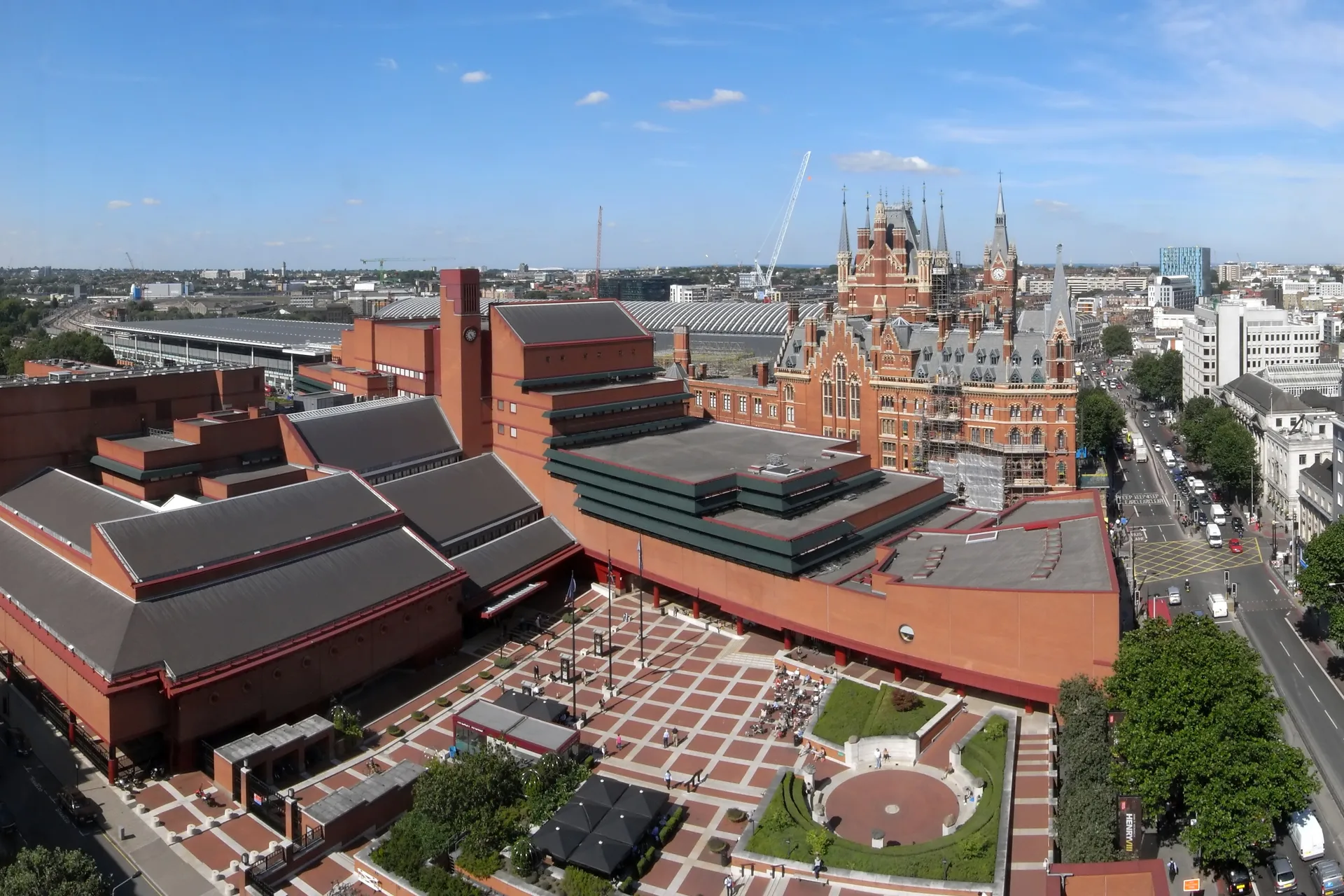
The UK's national library and one of the world's great research collections, with a free Treasures Gallery holding a Magna Carta, Beatles lyrics and Leonardo da Vinci's notebooks.
Hunterian Museum
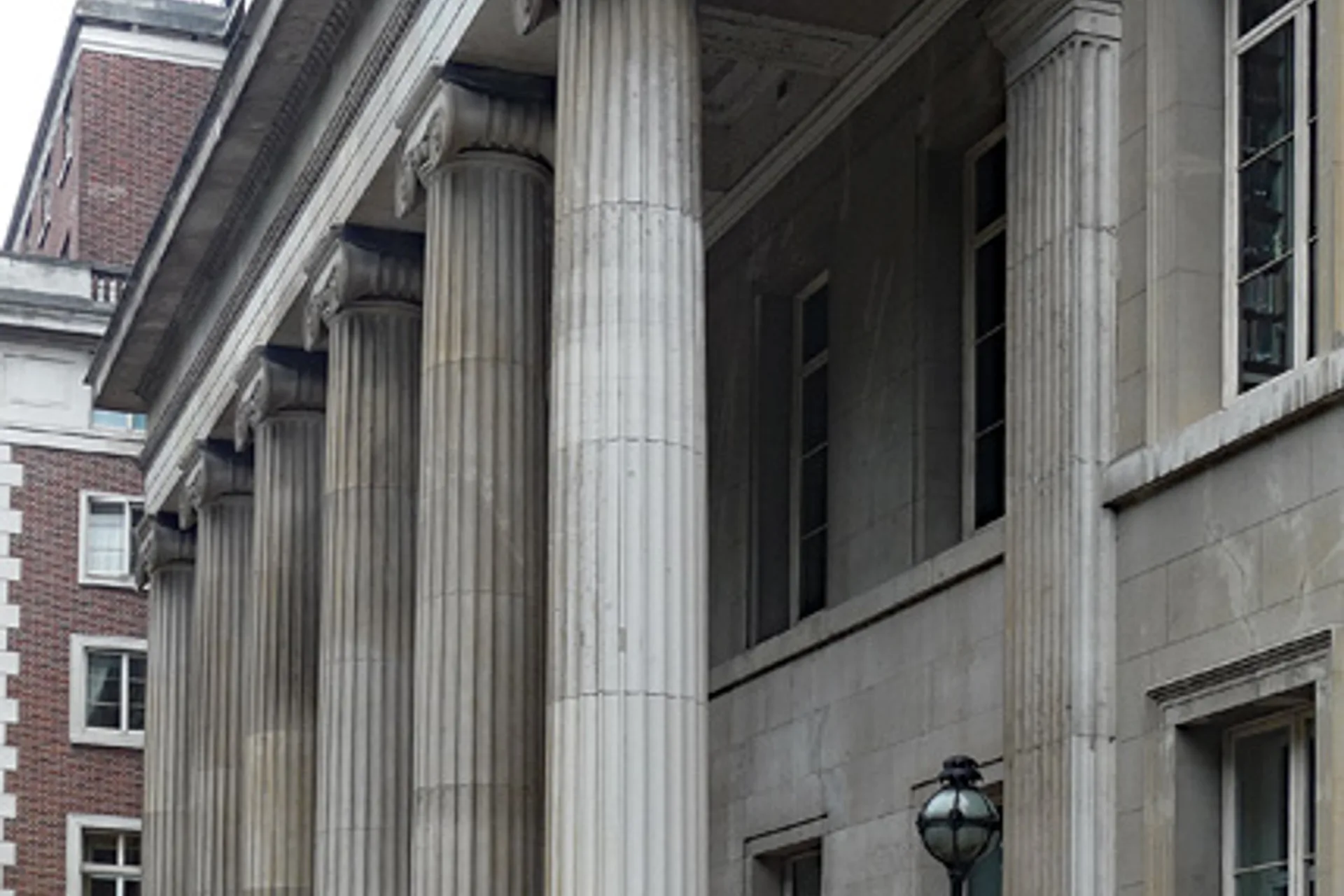
The Royal College of Surgeons' free museum of anatomy and surgical history, built around 18th-century surgeon John Hunter's astonishing anatomical collection.