
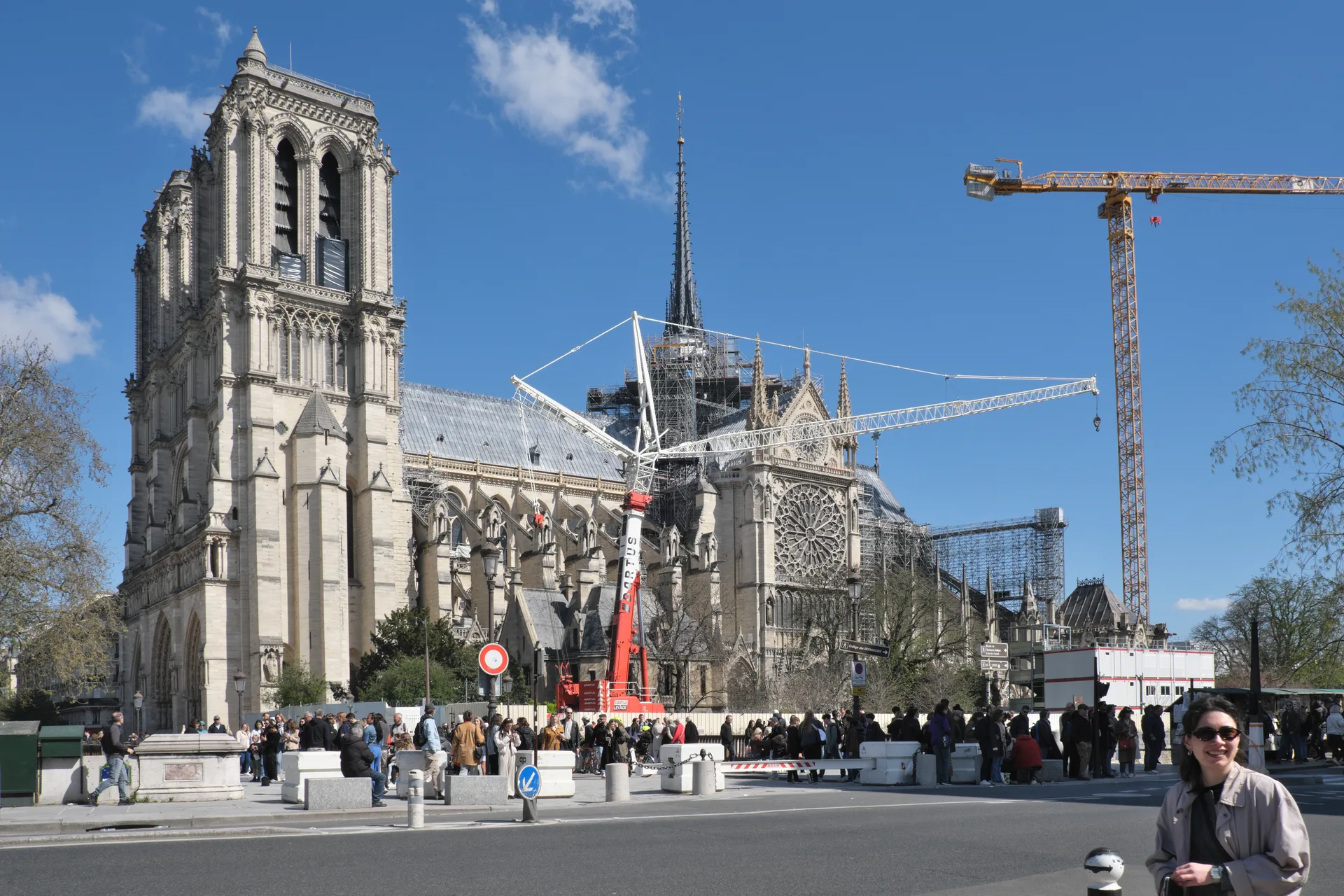
Notre-Dame Cathedral
The Gothic cathedral at the heart of Paris, fully reopened in December 2024 after the devastating 2019 fire and a five-year restoration — free to enter, with the bell towers reopened in September 2025.
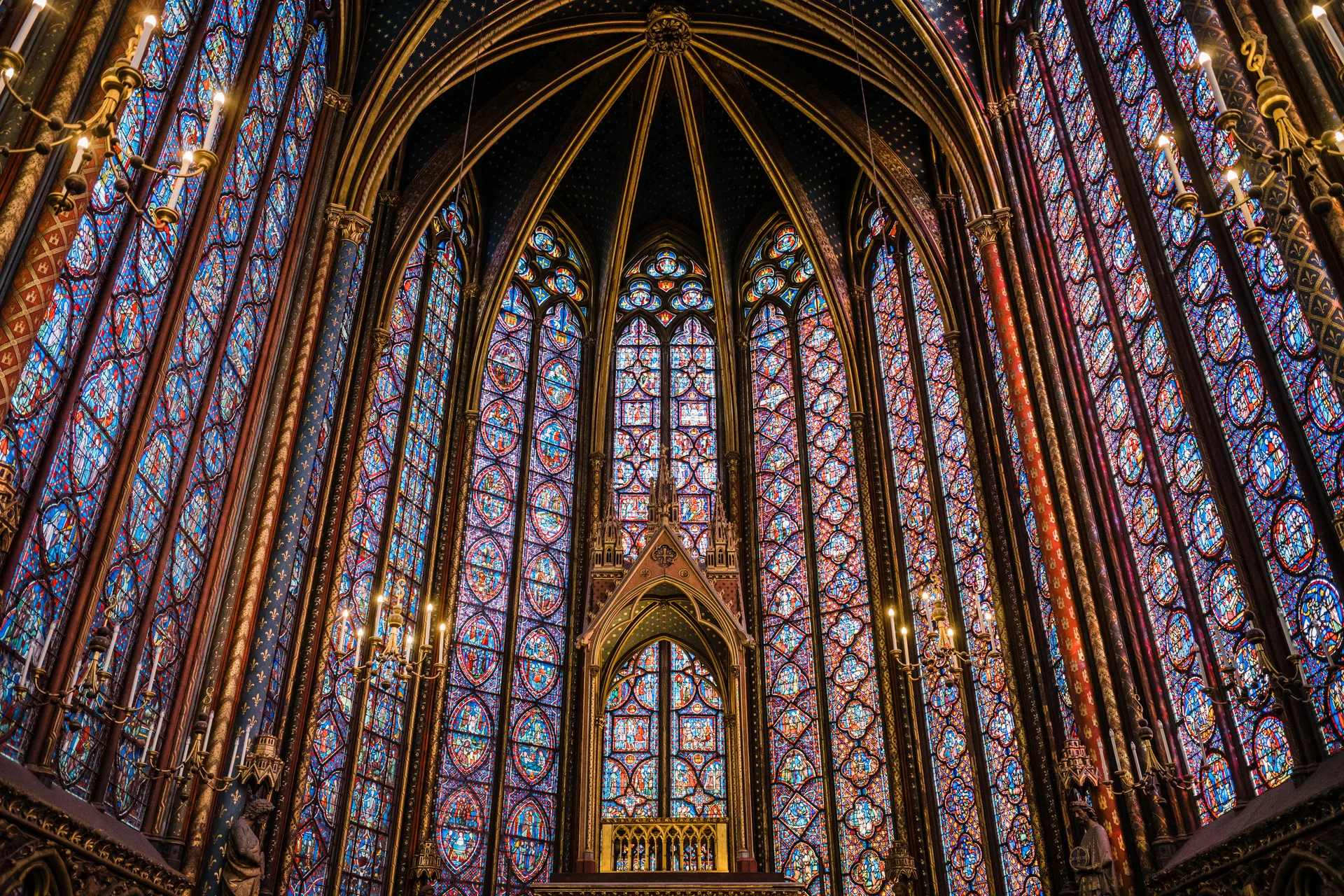
Sainte-Chapelle
A jewel-box Gothic chapel on Île de la Cité holding one of the finest surviving sets of 13th-century stained glass anywhere, built by Louis IX to house Christ's Crown of Thorns.
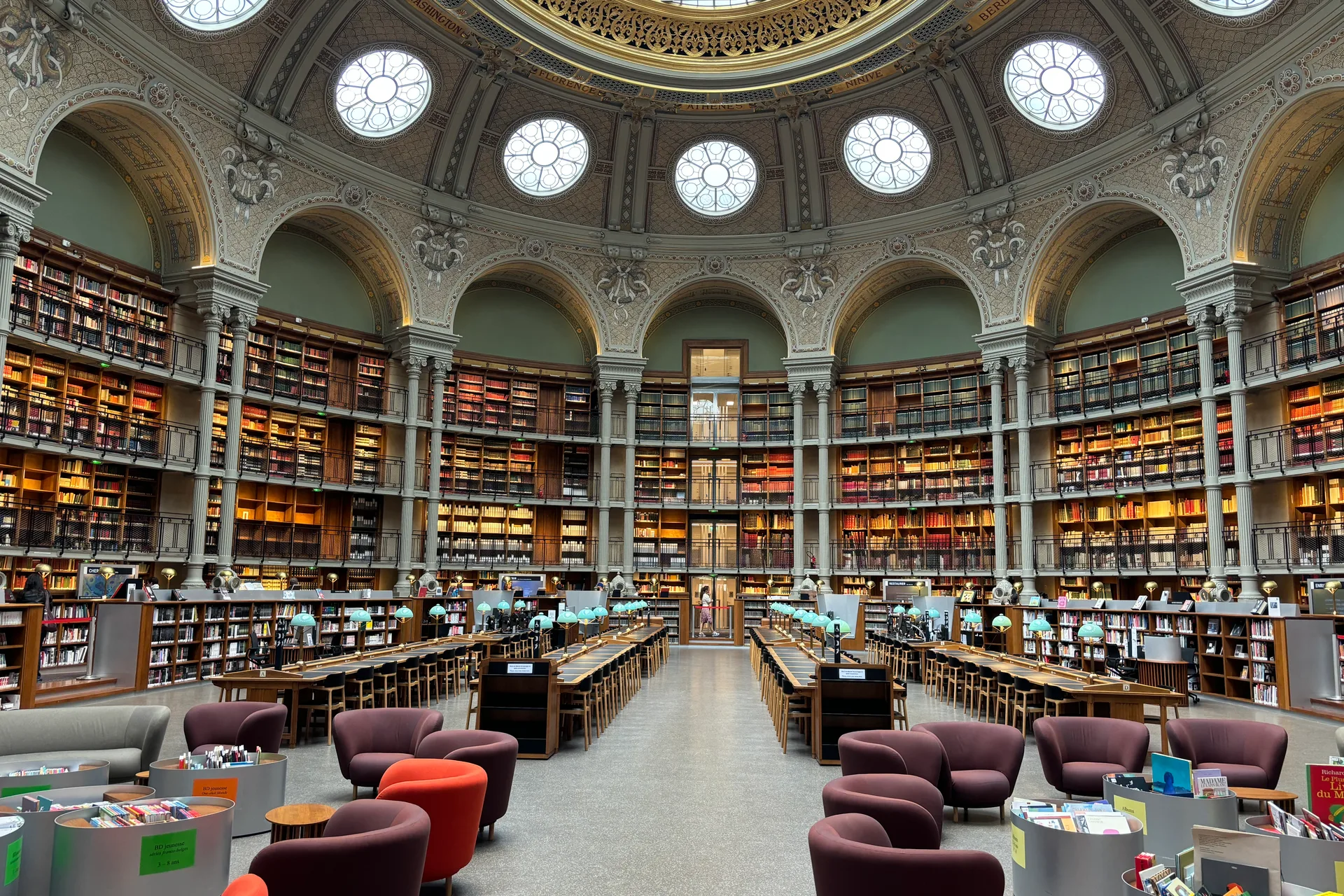
Bibliothèque nationale de France — Richelieu (Salle Ovale)
A magnificent oval reading room inside France's historic national library building, free to enter and browse — one of the most beautiful public interiors in Paris that most visitors never see.
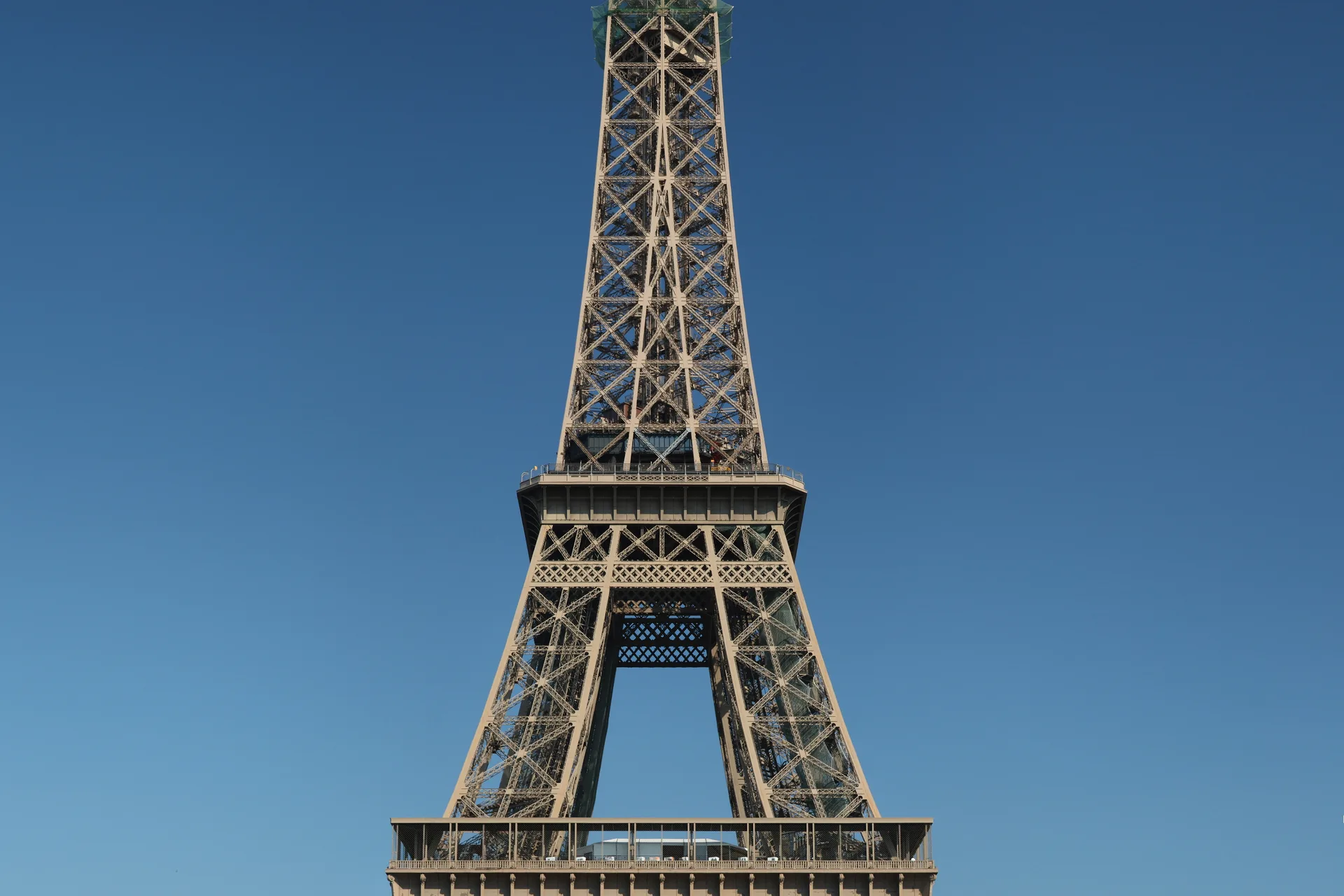
Eiffel Tower
Gustave Eiffel's 1889 iron tower — still the tallest structure in Paris and the single most recognisable landmark in the world — with three visitable levels and a summit view stretching up to 60 kilometres on a clear day.
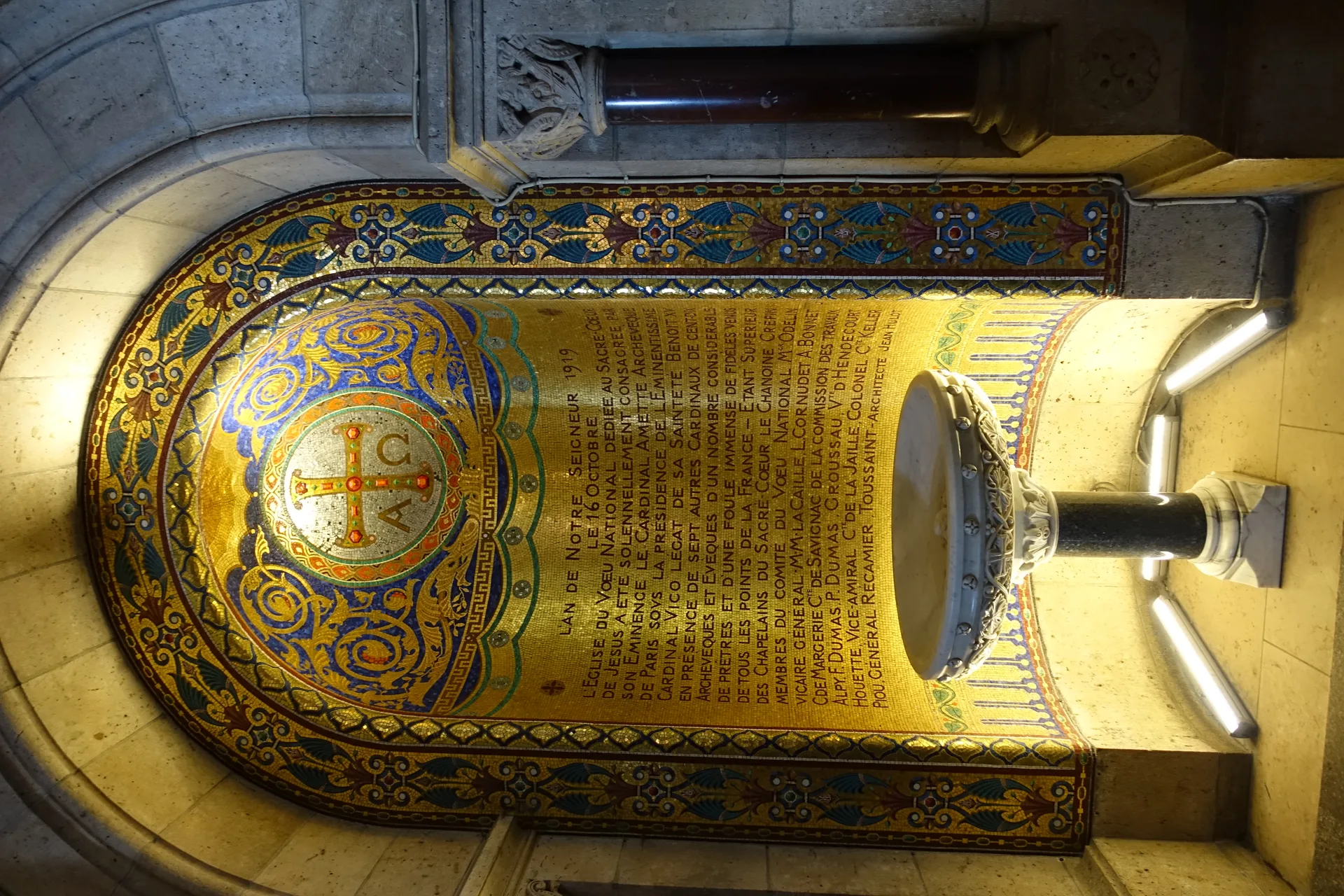
Sacré-Cœur Basilica
The gleaming white Romano-Byzantine basilica crowning Montmartre's highest hill, free to enter, with a paid dome climb offering one of the widest views over Paris.
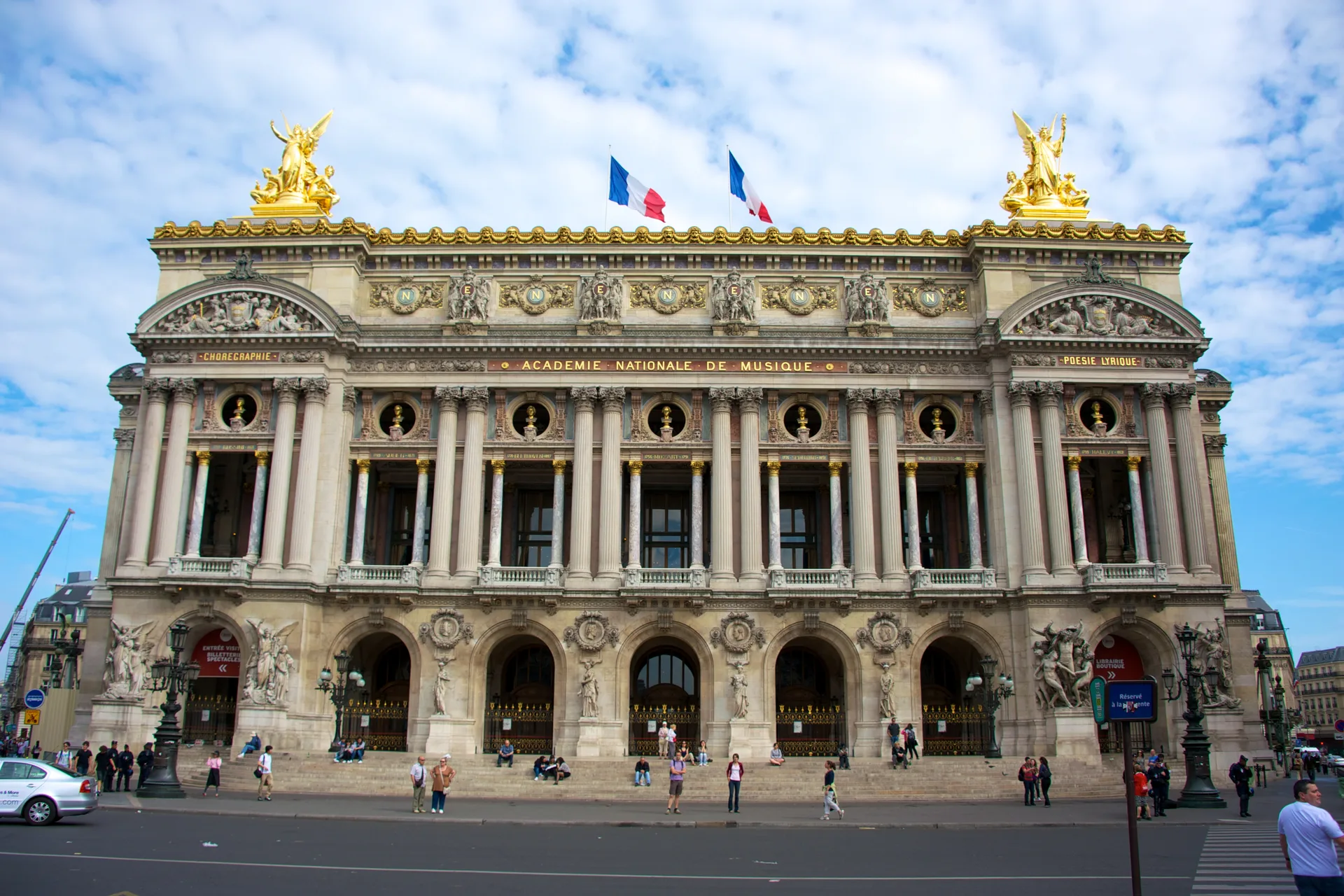
Palais Garnier
Charles Garnier's opulent 1875 opera house, its Grand Staircase and gilded foyer as much a reason to visit as an actual performance — plus a Chagall-painted auditorium ceiling.
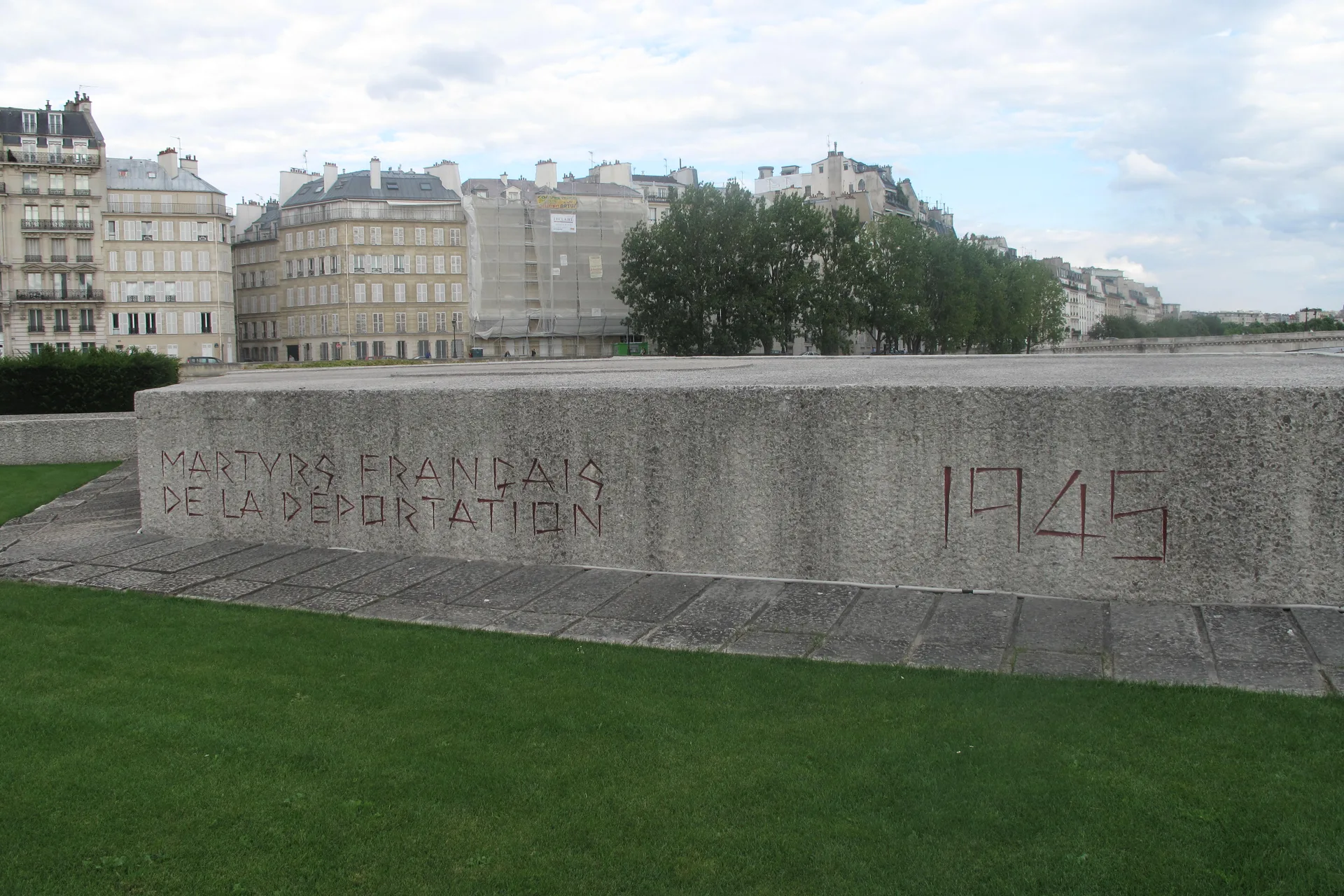
Mémorial des Martyrs de la Déportation
A stark, deliberately claustrophobic Brutalist memorial on the eastern tip of Île de la Cité, honouring the roughly 200,000 people deported from France to Nazi concentration camps.
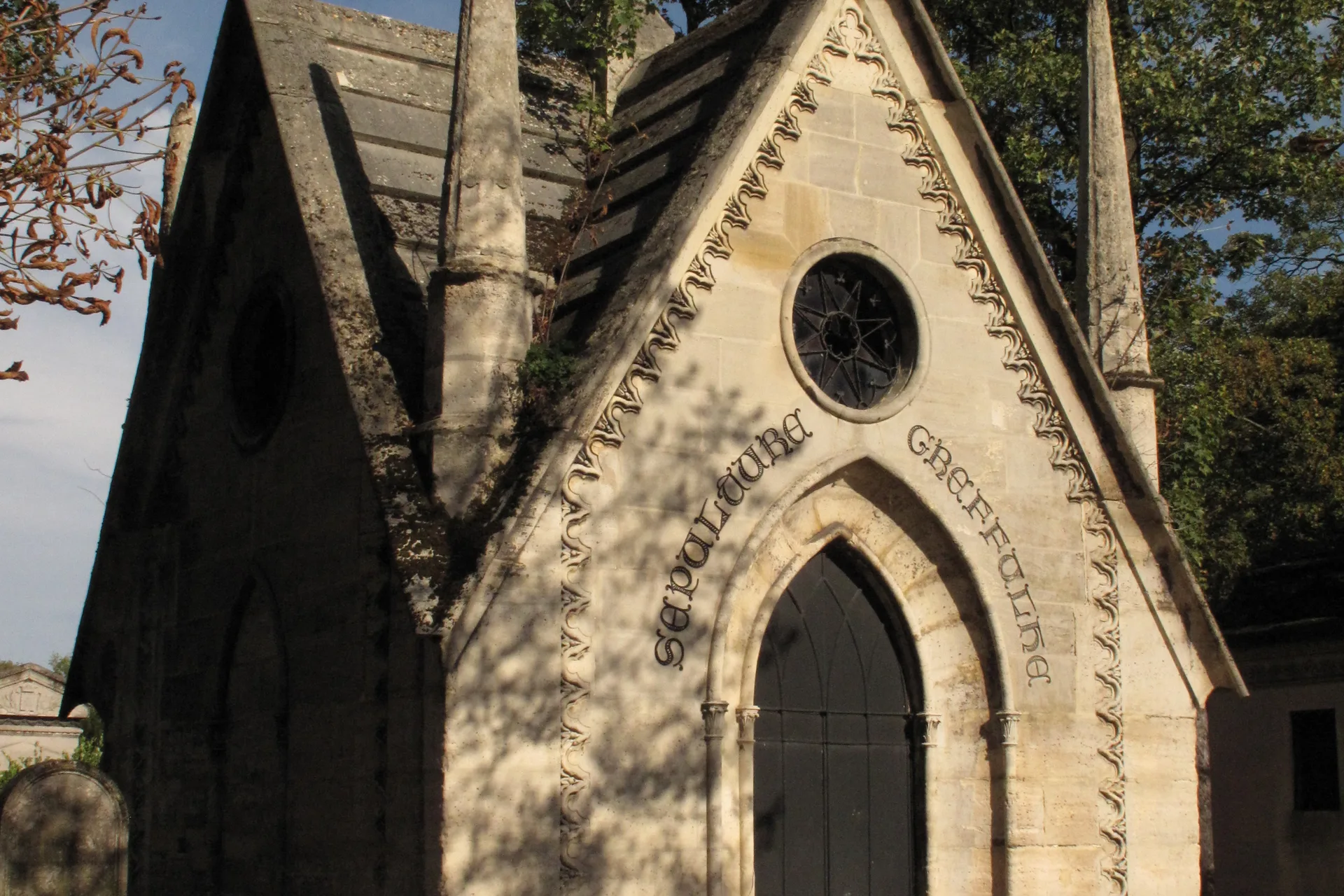
Père Lachaise Cemetery
The world's most-visited cemetery — a hilly, tree-lined necropolis in eastern Paris where Jim Morrison, Oscar Wilde, Chopin, Édith Piaf and Molière all lie among elaborate 19th-century tombs.
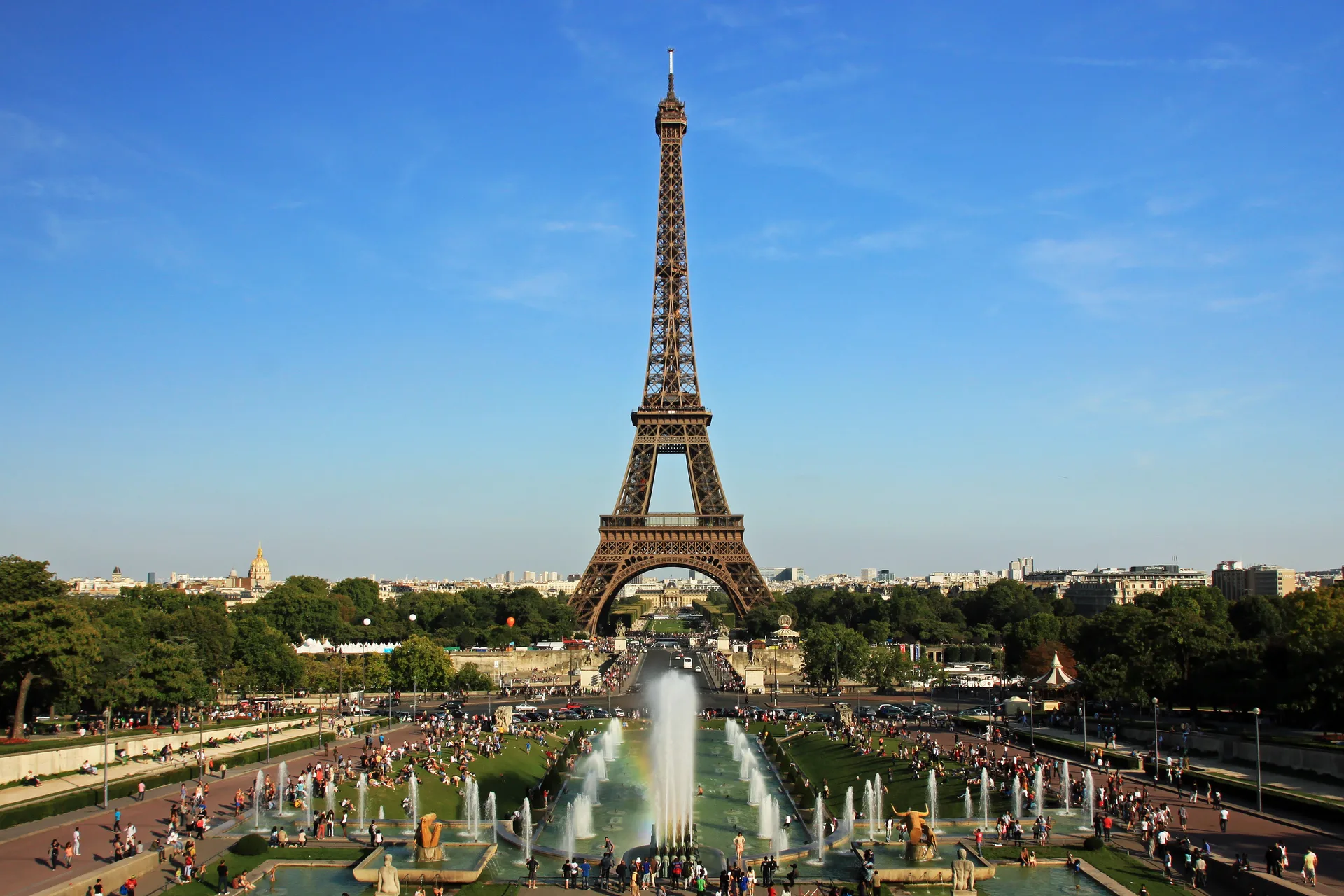
Trocadéro Esplanade
The Palais de Chaillot's grand esplanade across the Seine from the Eiffel Tower — the single best free viewpoint for photographing the tower in full.
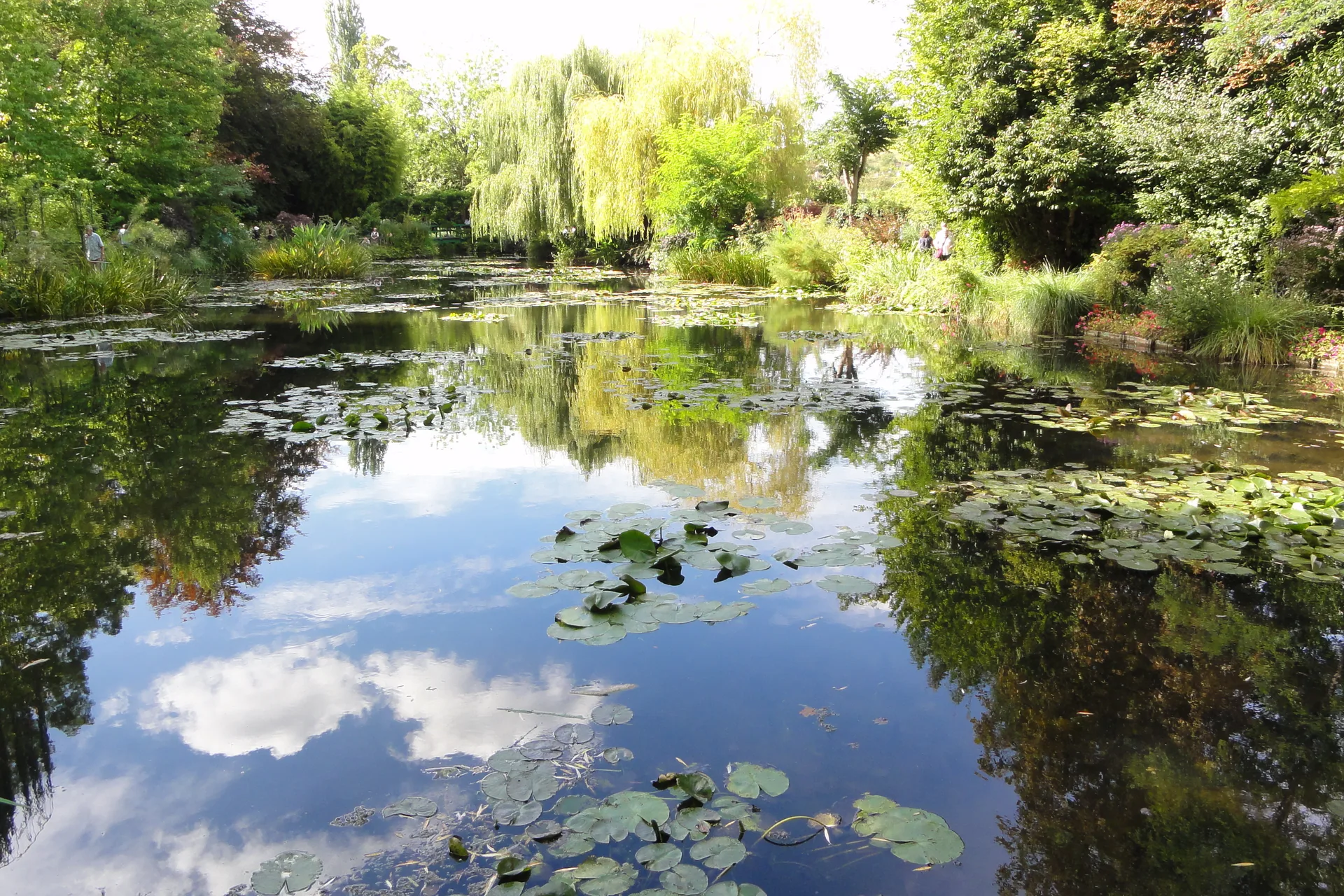
Giverny — Monet's House and Gardens Day Trip
Claude Monet's home and garden in Normandy, an hour from Paris, where the water-lily pond and Japanese bridge that inspired his most famous paintings still bloom exactly as he left them.
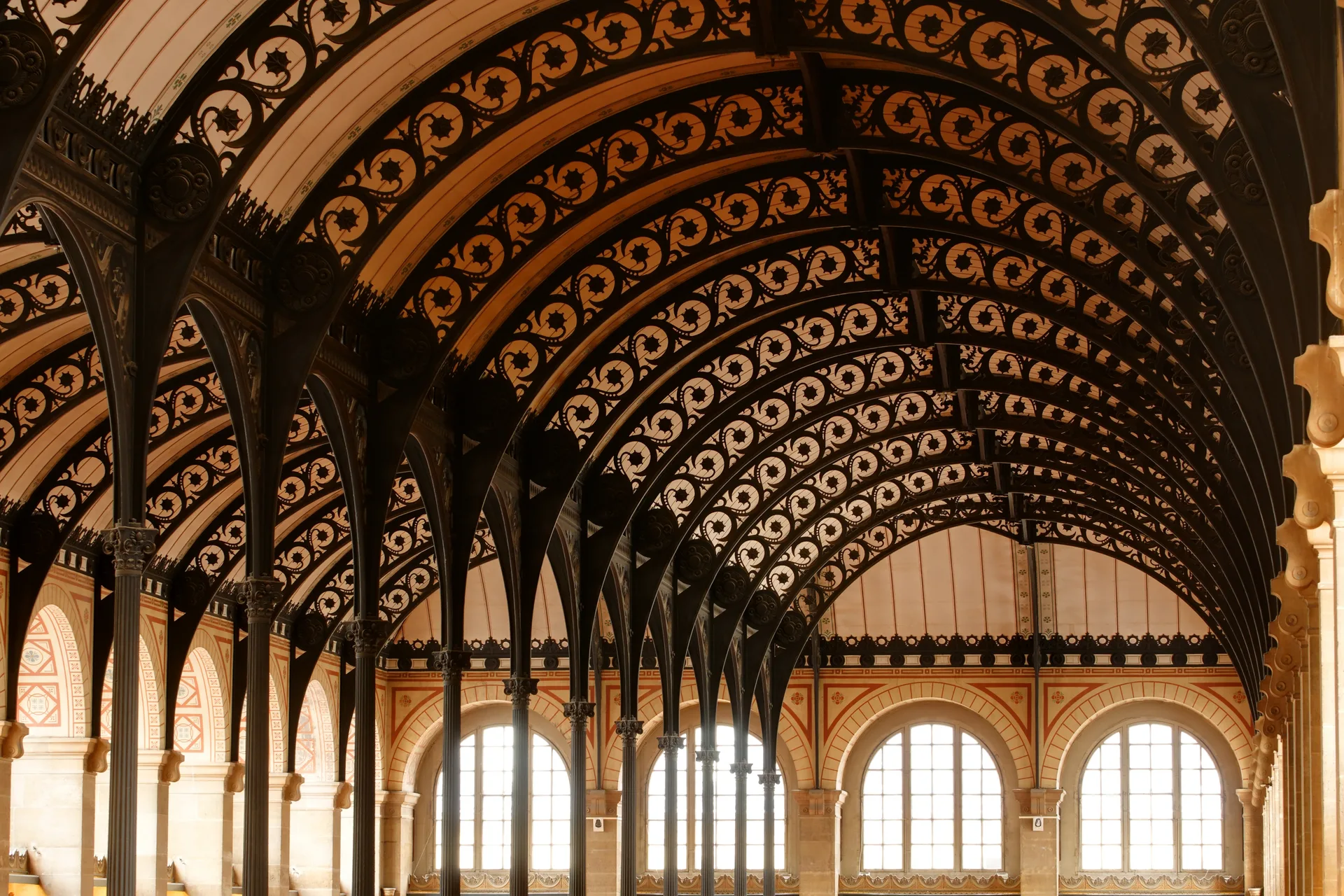
Bibliothèque Sainte-Geneviève
A 19th-century reading room opposite the Panthéon, its cast-iron structure and rows of green library lamps making it one of the most atmospheric library interiors in Europe.
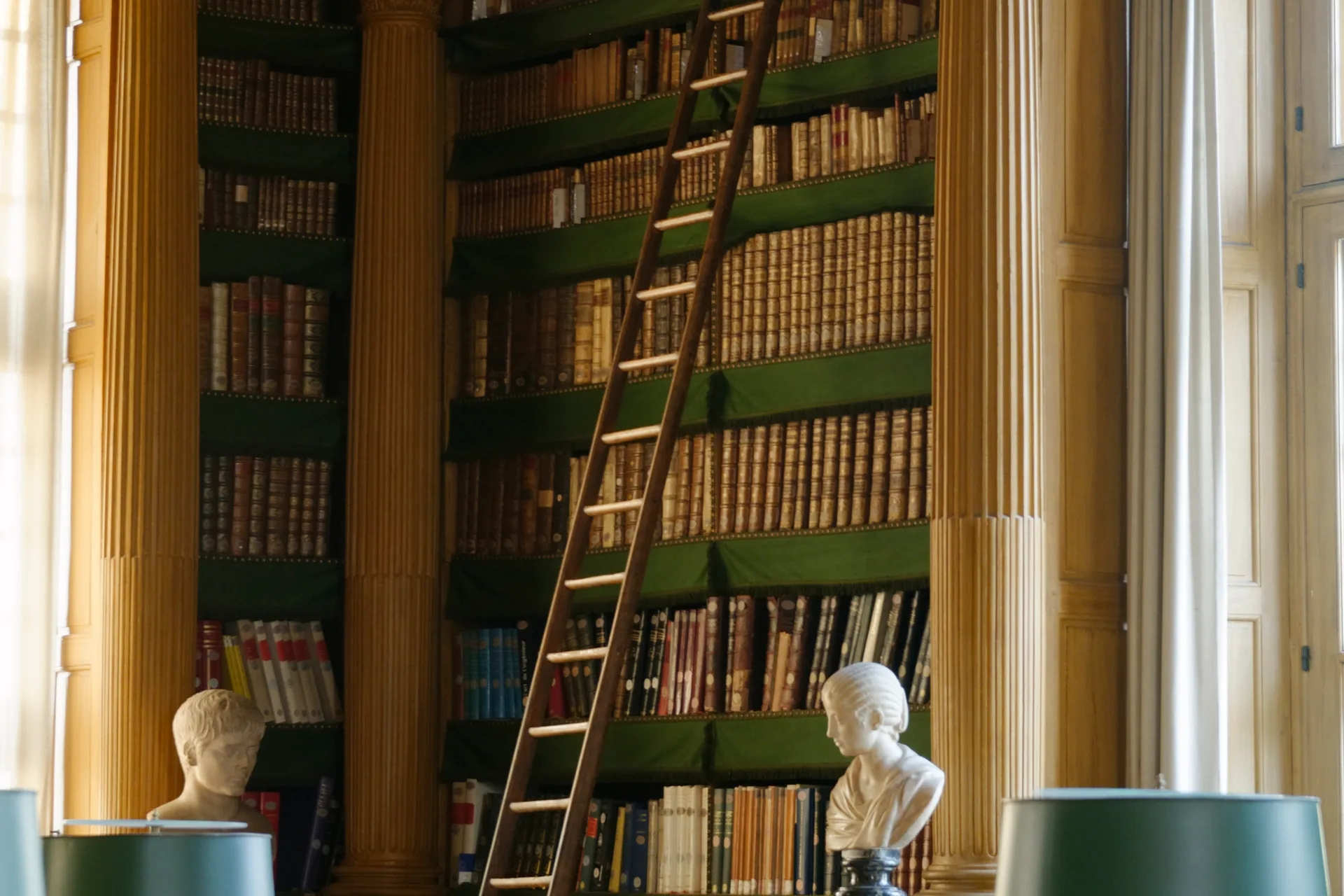
Bibliothèque Mazarine
France's oldest public library, tucked inside the Institut de France on the Left Bank, with a wood-panelled reading room founded on Cardinal Mazarin's own 17th-century private collection.
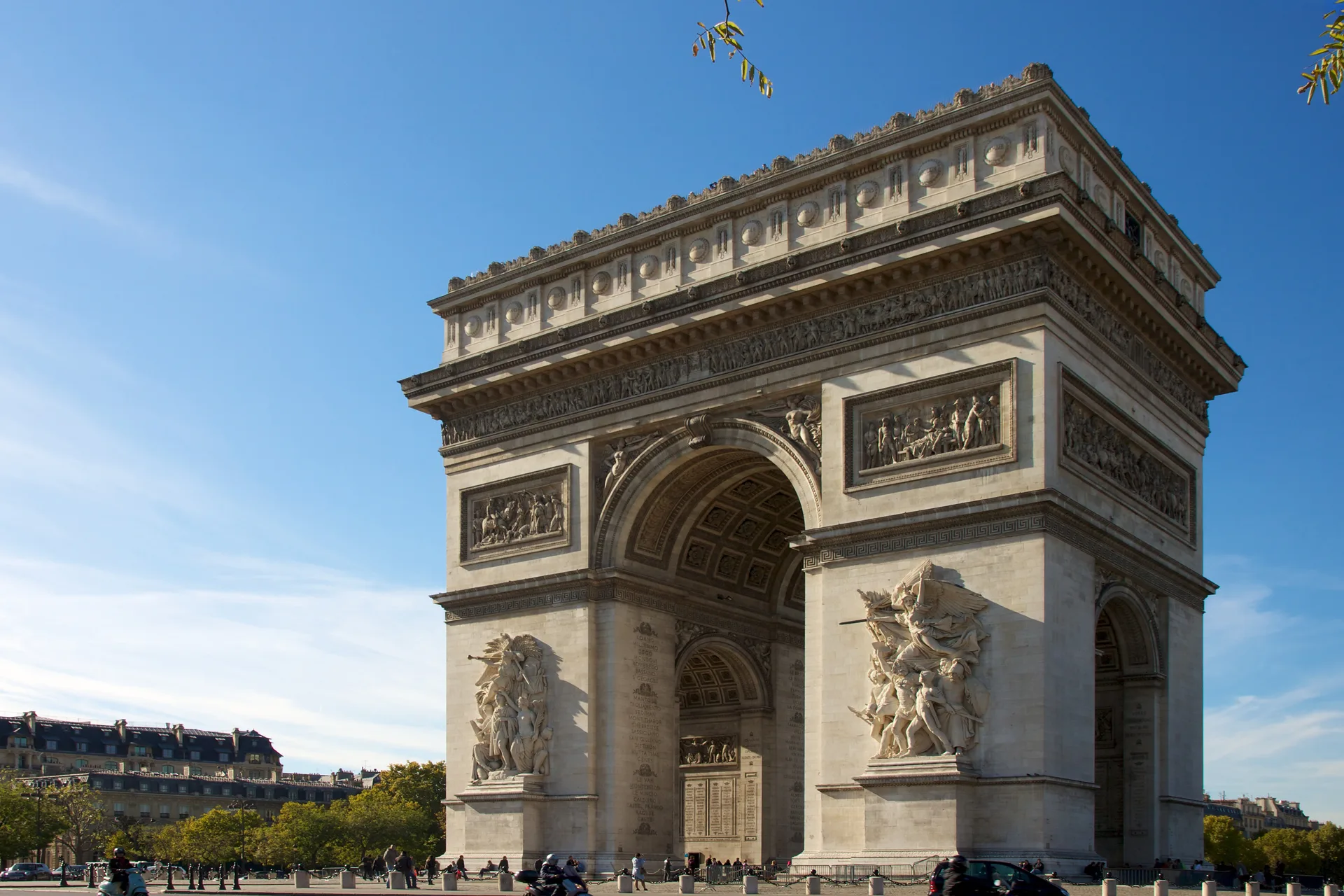
Arc de Triomphe
Napoleon's monumental triumphal arch anchoring the Champs-Élysées, with an observation terrace atop 284 steps offering one of the best panoramic views in Paris.
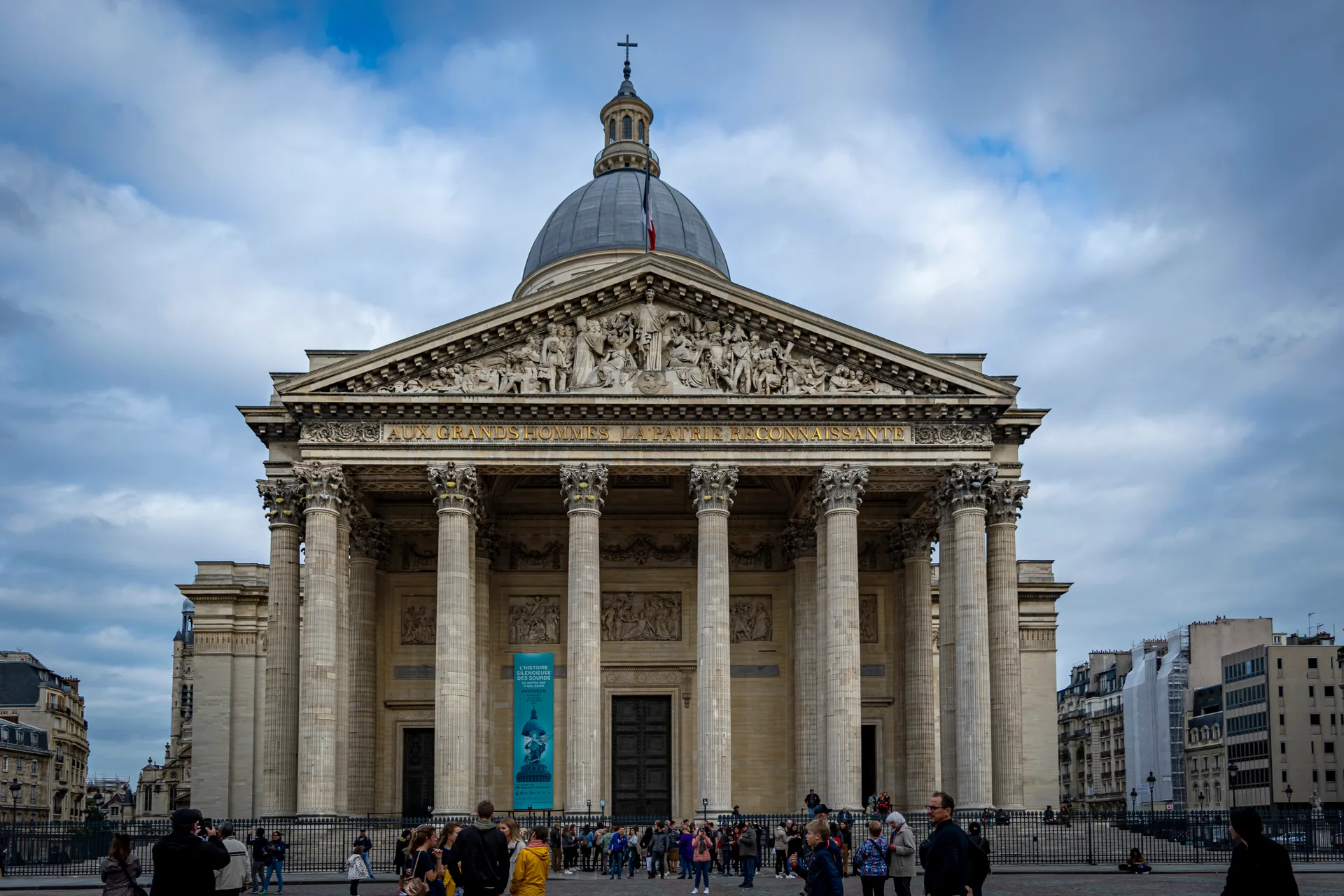
Panthéon
A neoclassical domed monument on the Left Bank's highest point, built as a church and repurposed as France's secular mausoleum for its most celebrated citizens — Voltaire, Rousseau, Marie Curie and Victor Hugo among them.
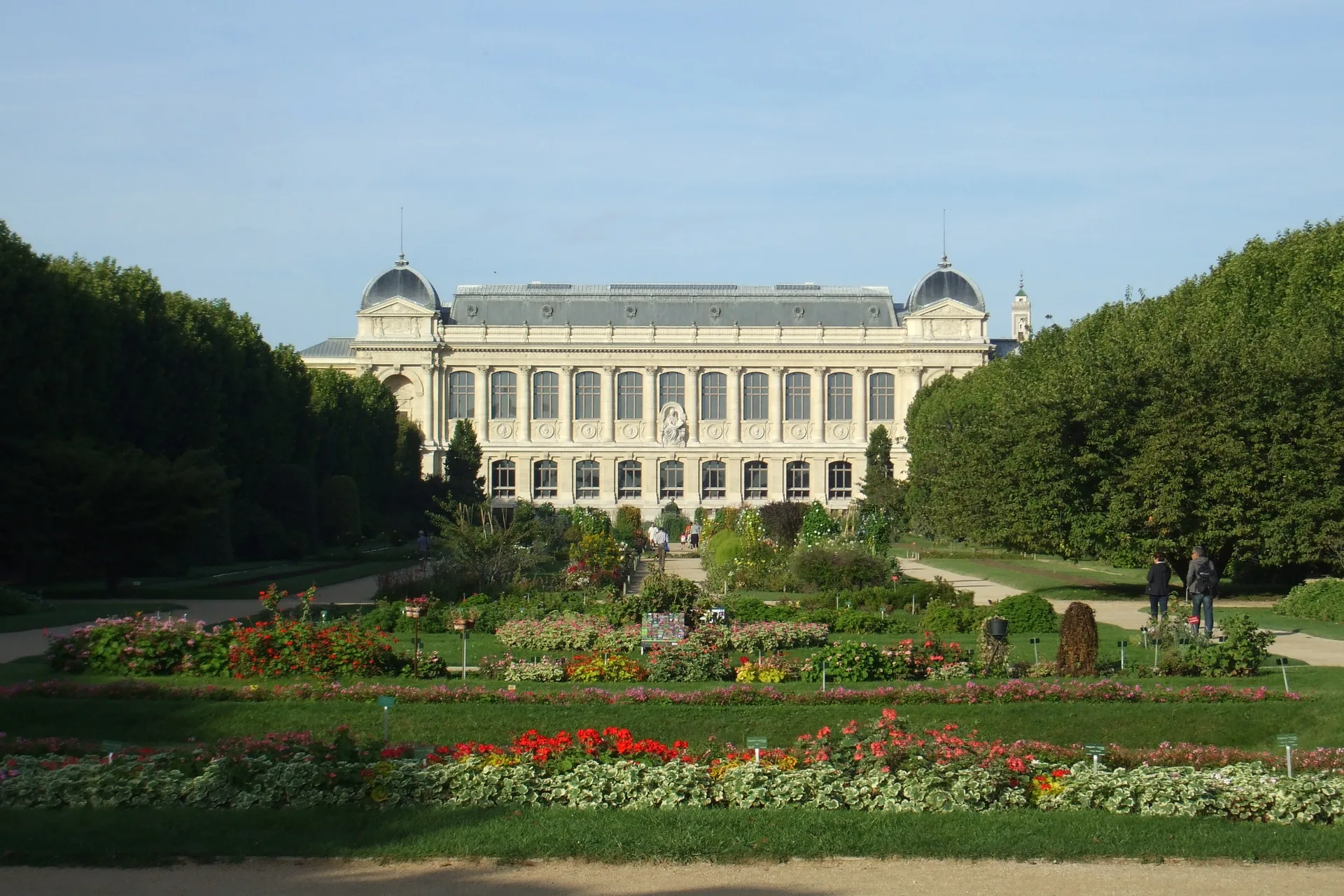
Jardin des Plantes & Ménagerie
Paris's oldest botanical garden and one of the world's oldest zoos, home to the Muséum national d'Histoire naturelle's landmark Grande Galerie de l'Évolution.
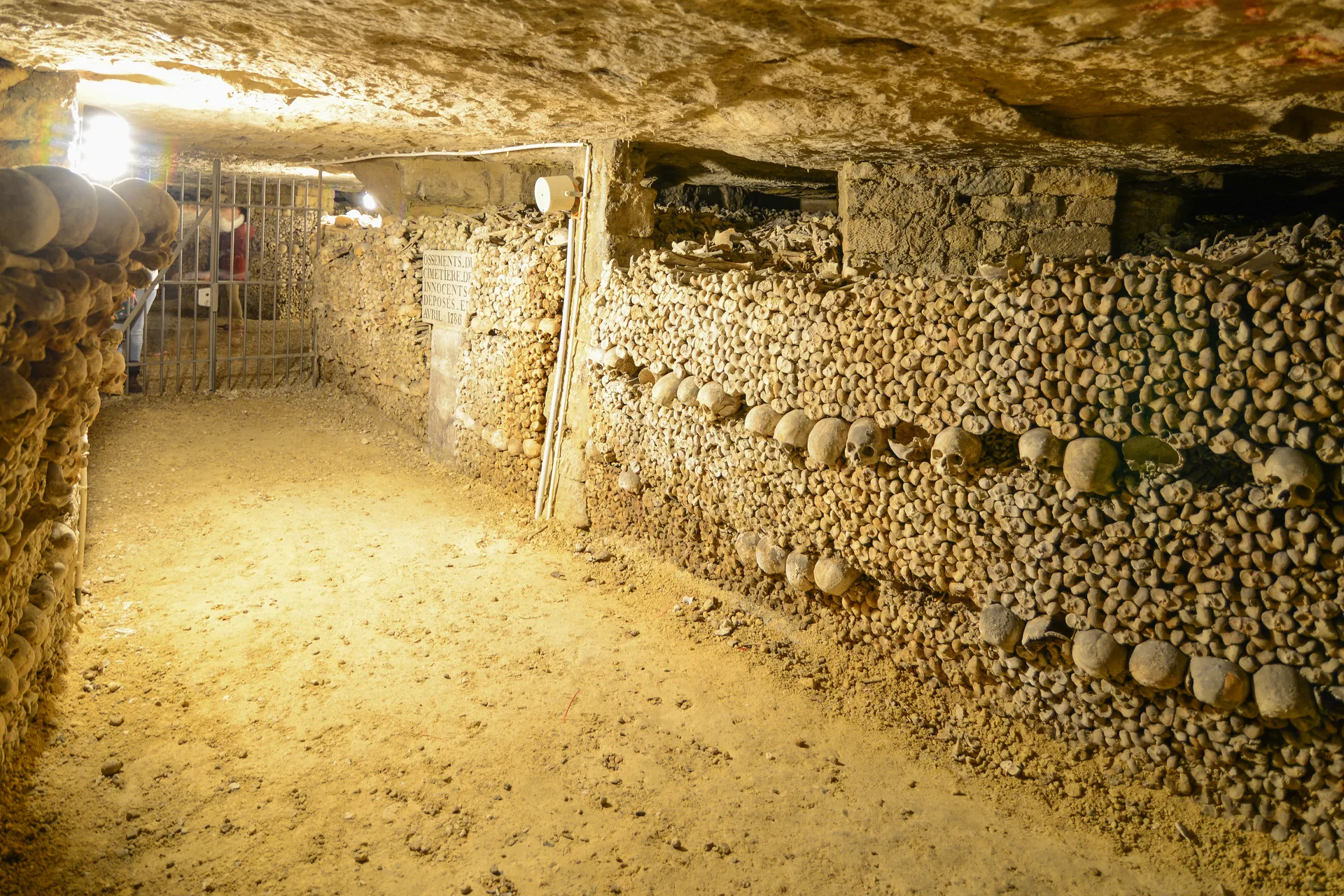
Catacombs of Paris
An underground ossuary holding the bones of roughly six million Parisians, stacked in deliberate patterns along 1.5 kilometres of former limestone quarry tunnels 20 metres below the street.
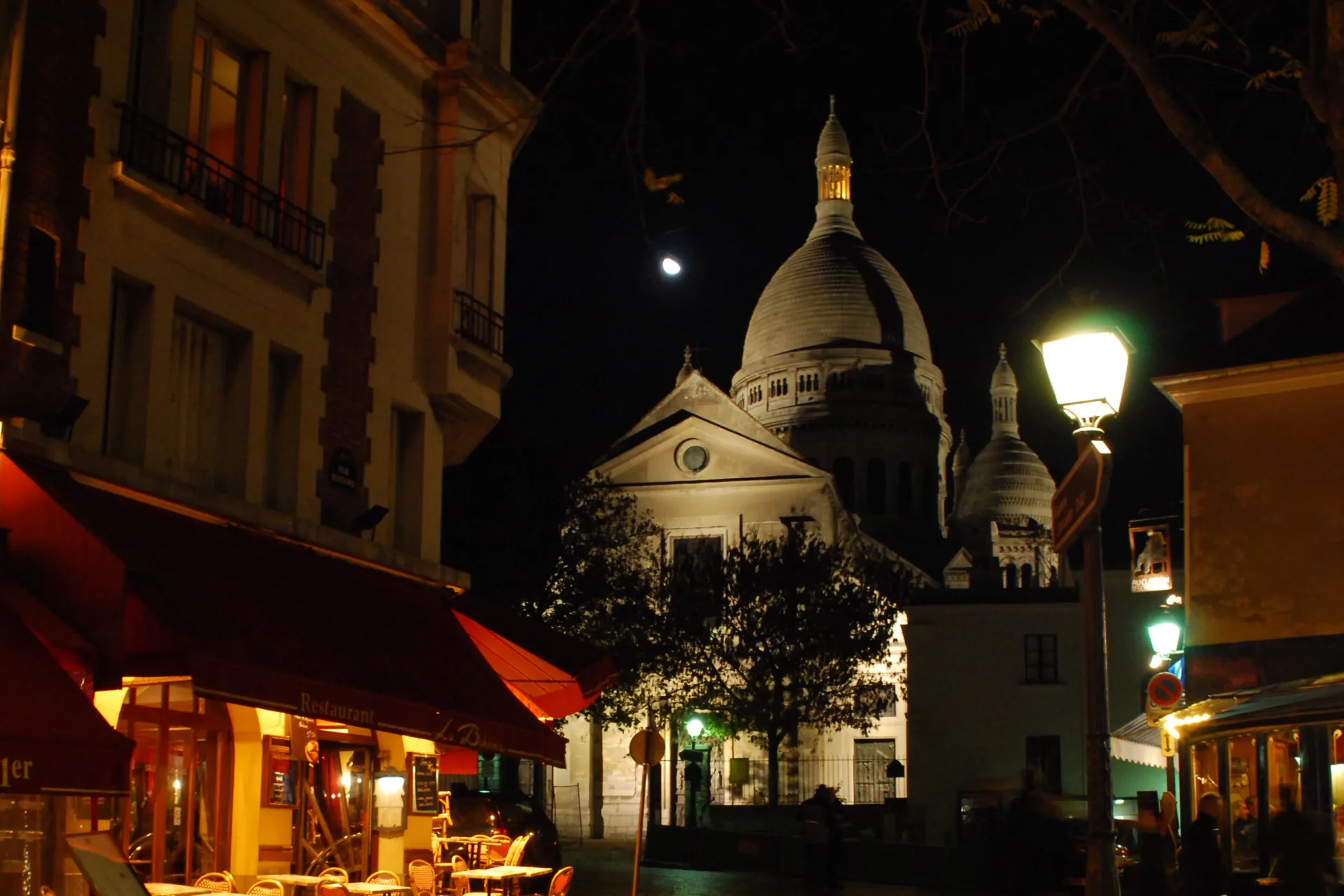
Montmartre & Place du Tertre
Paris's hilltop 'village,' with cobbled lanes, the last working vineyard in the city, and Place du Tertre's square of portrait artists just steps from Sacré-Cœur.
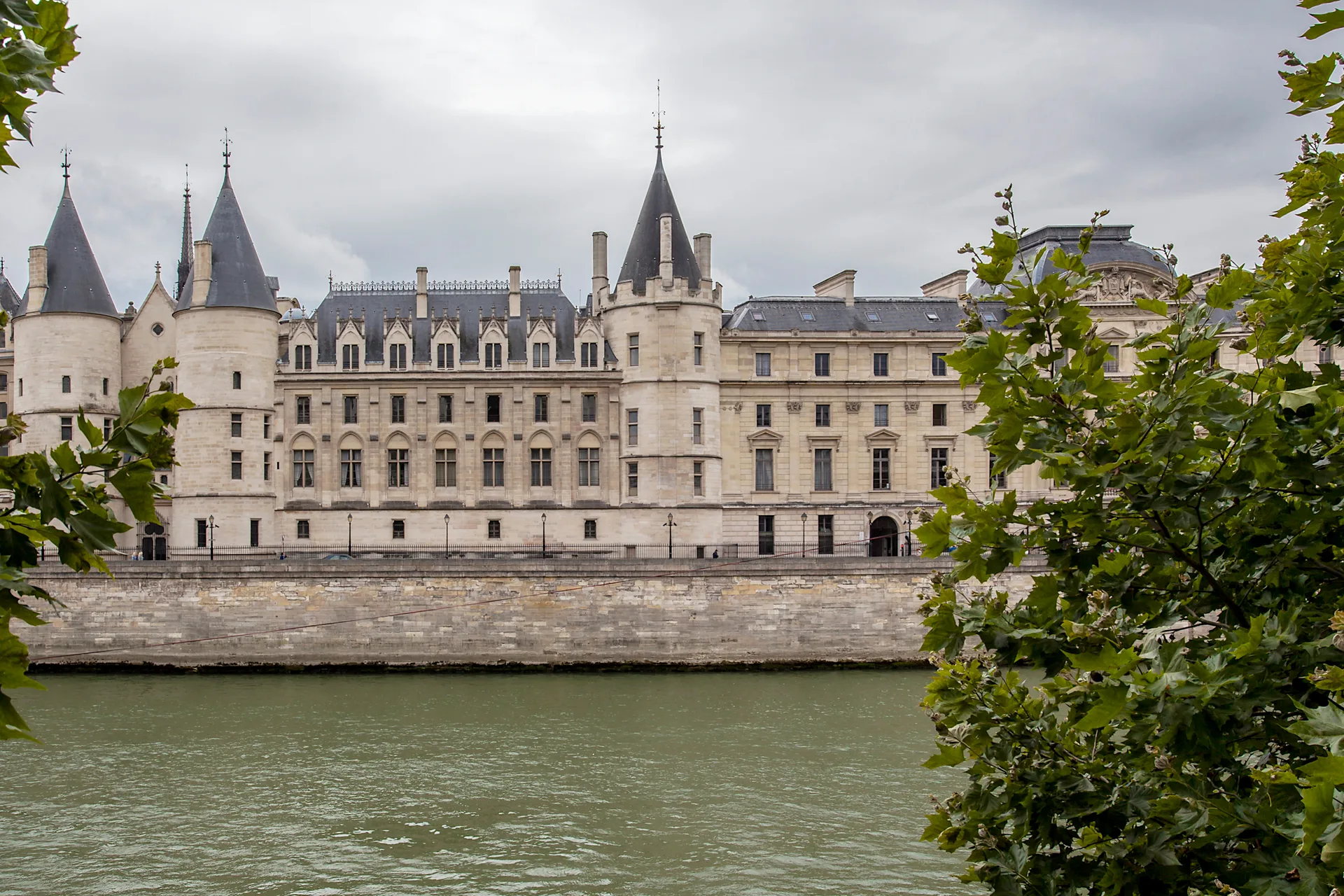
Conciergerie
A former medieval royal palace turned Revolutionary-era prison on Île de la Cité, best known as the last stop for Marie Antoinette and thousands of others before the guillotine.
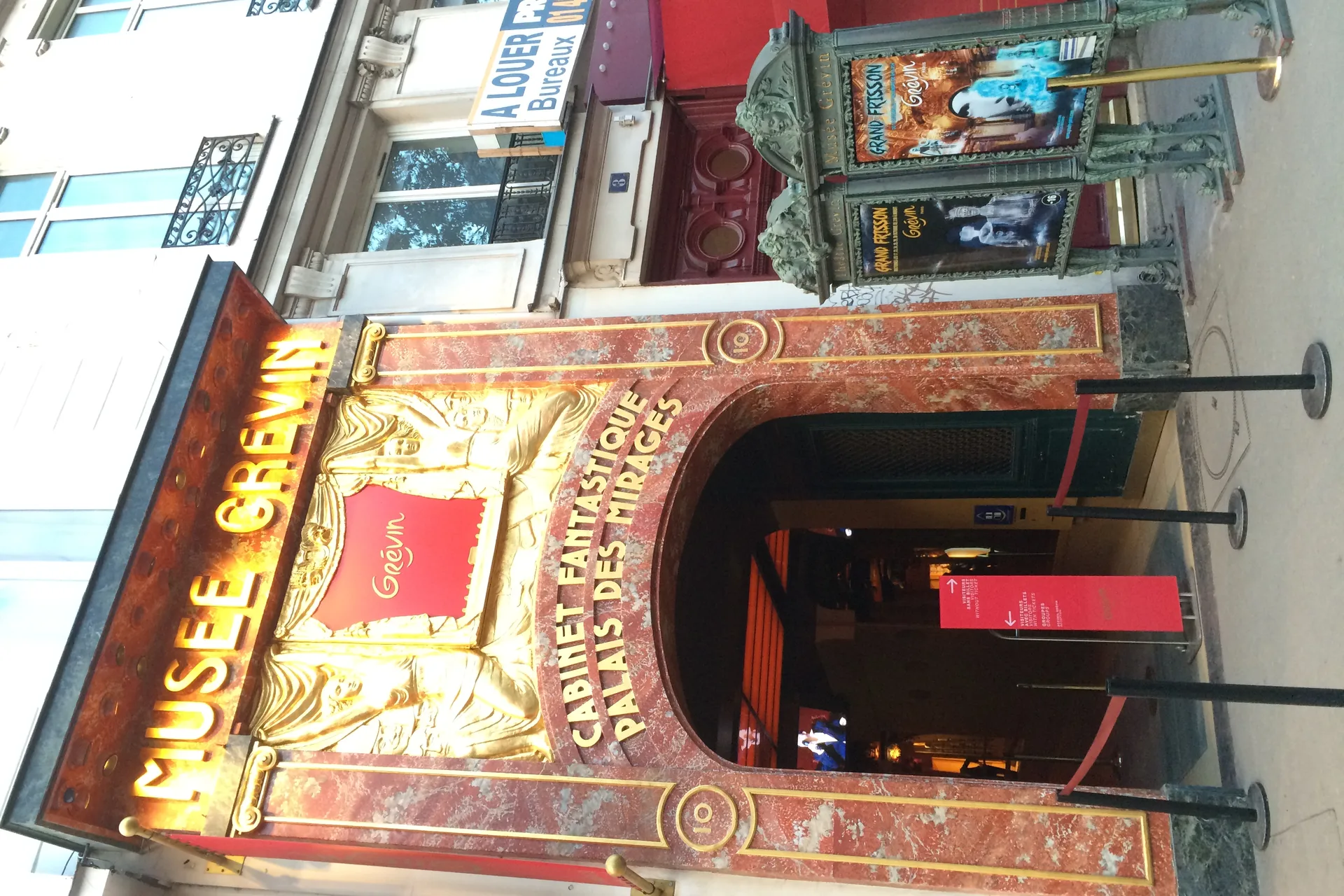
Musée Grévin
Paris's Belle Époque wax museum on the Grands Boulevards, where visitors pose alongside more than 200 wax figures of celebrities, historical figures and French icons.
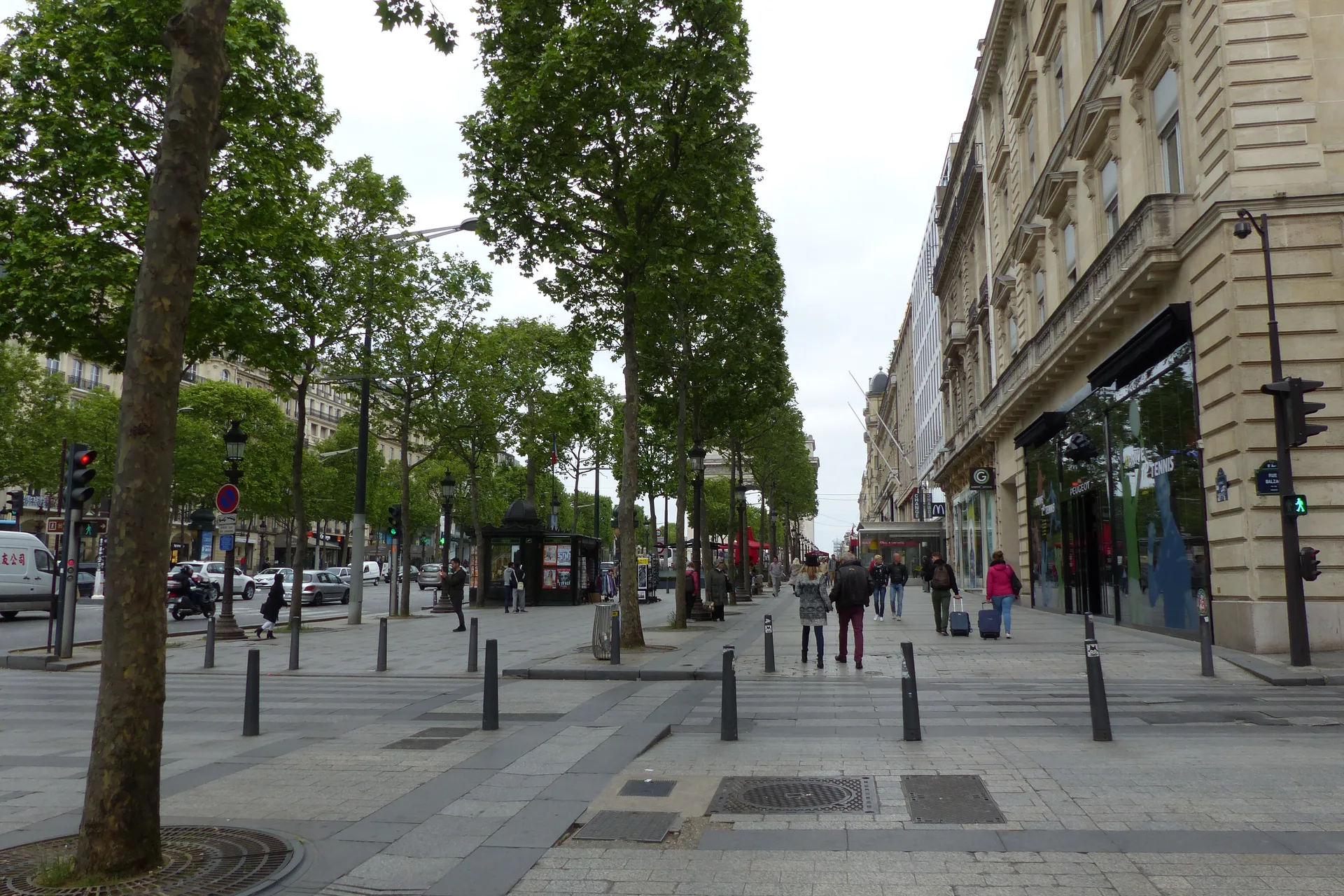
Champs-Élysées
The 1.9-kilometre avenue linking the Arc de Triomphe to Place de la Concorde — Paris's grandest shopping street and one of the world's most famous boulevards.