
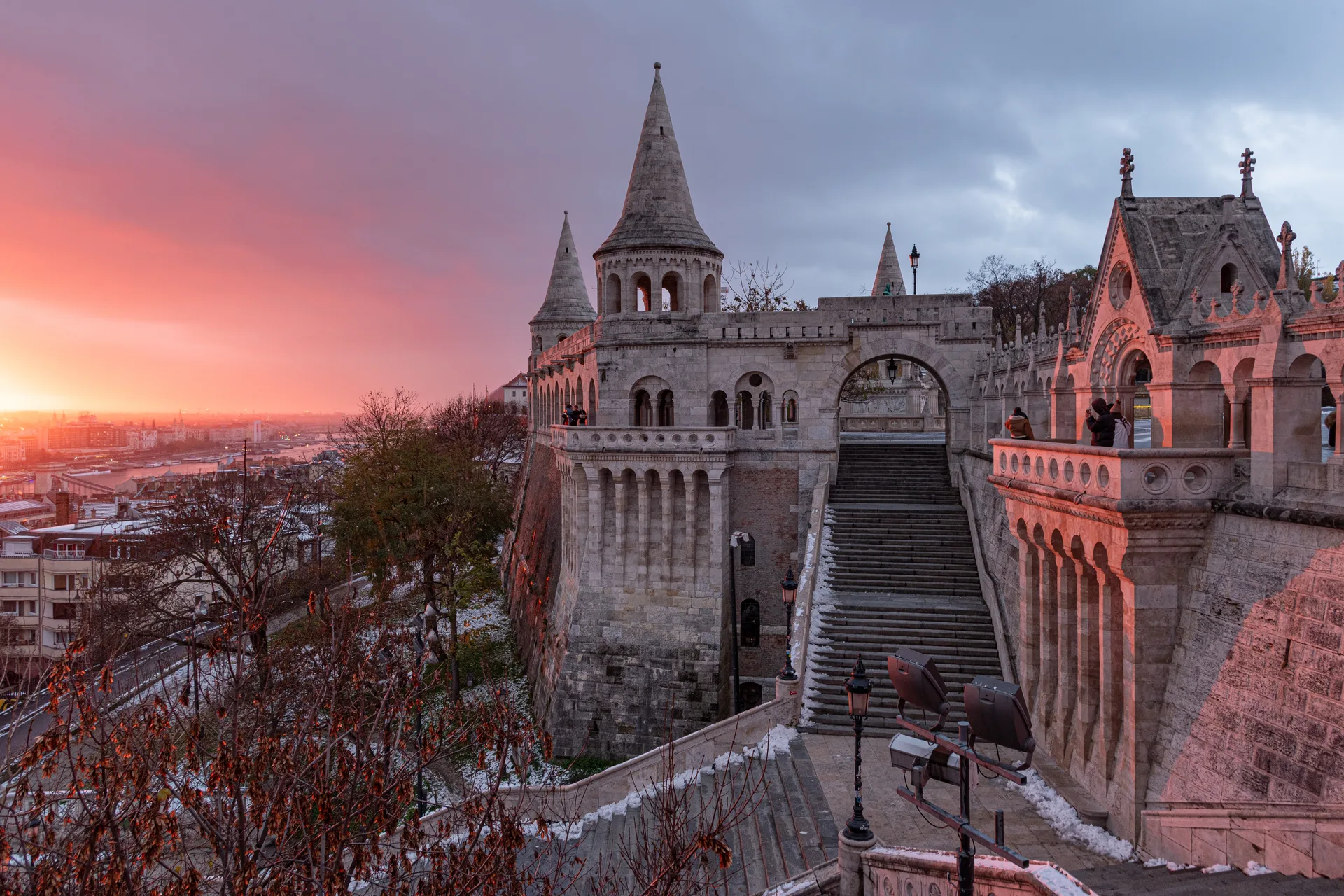
Fisherman's Bastion
A fairy-tale terrace of white turrets and arcades on Castle Hill, built purely for the view — not a real fortification, but the single most photographed spot in Budapest.
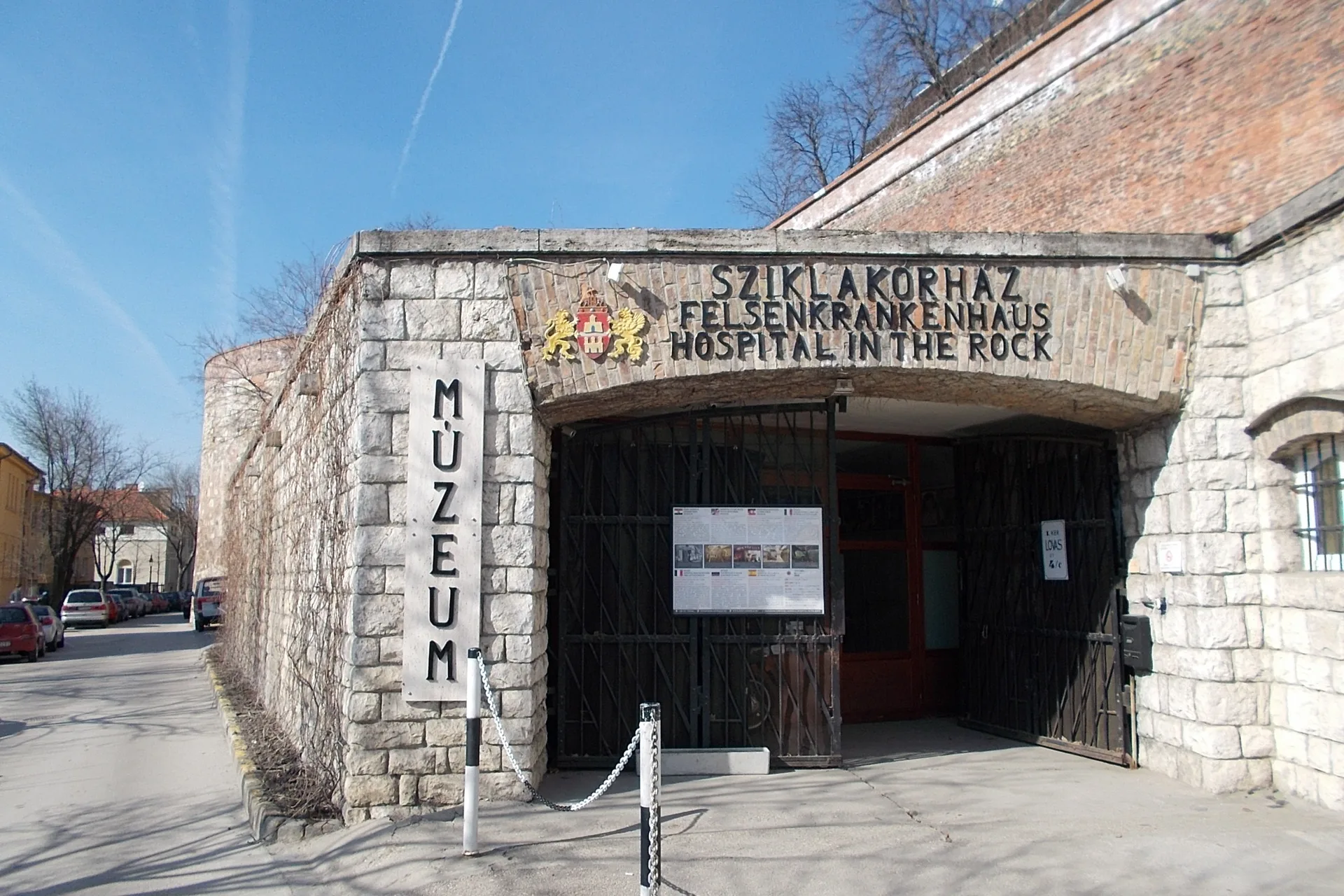
Hospital in the Rock Nuclear Bunker Museum
A real WWII emergency hospital and later Cold War nuclear bunker, carved into the natural cave network beneath Castle Hill — visited only by guided tour through wax-figure-populated wards.
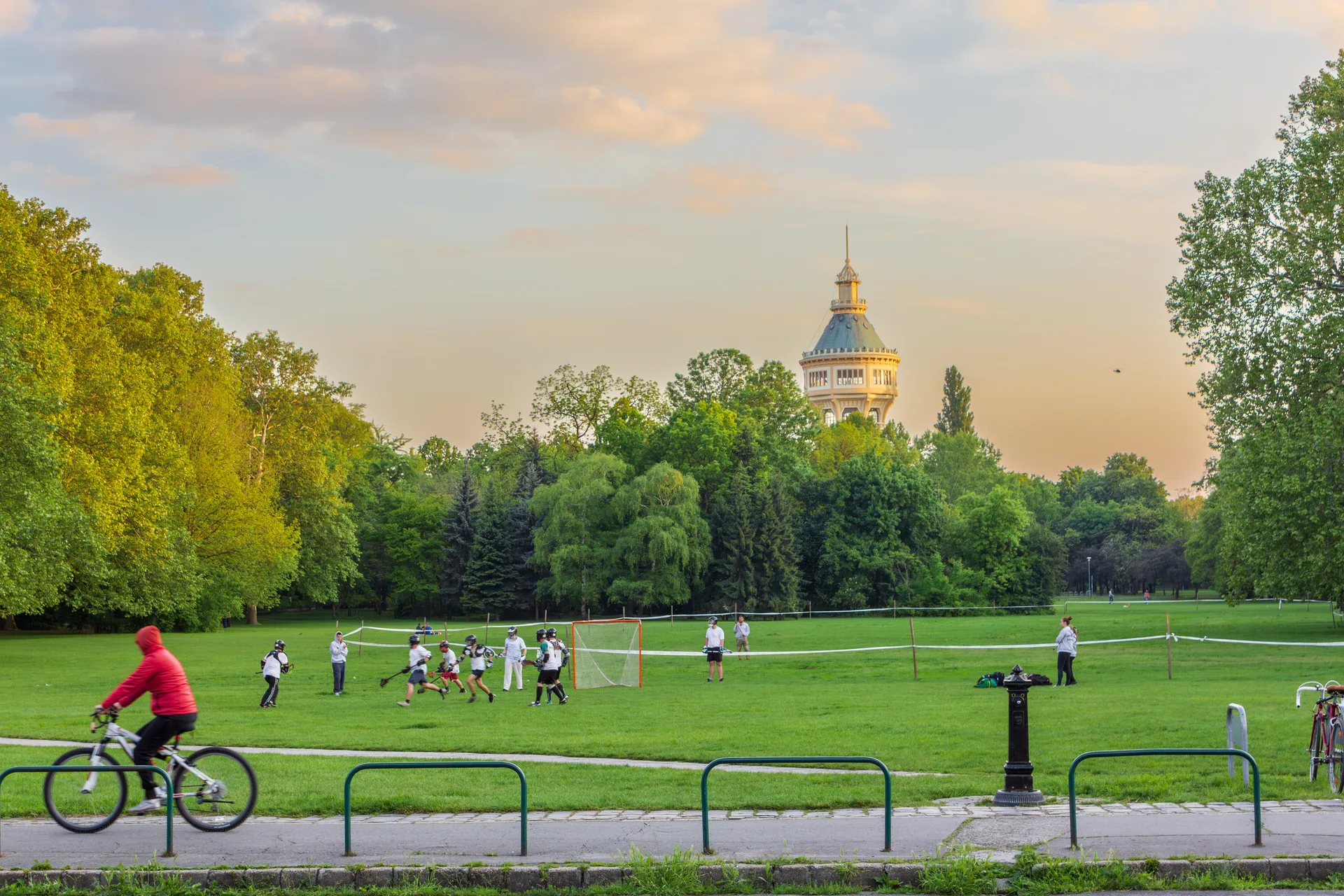
Margaret Island
A car-free 2.5km island park in the middle of the Danube — thermal pools, rose gardens, a musical fountain, medieval ruins and a running track, all reachable on foot from either bank.
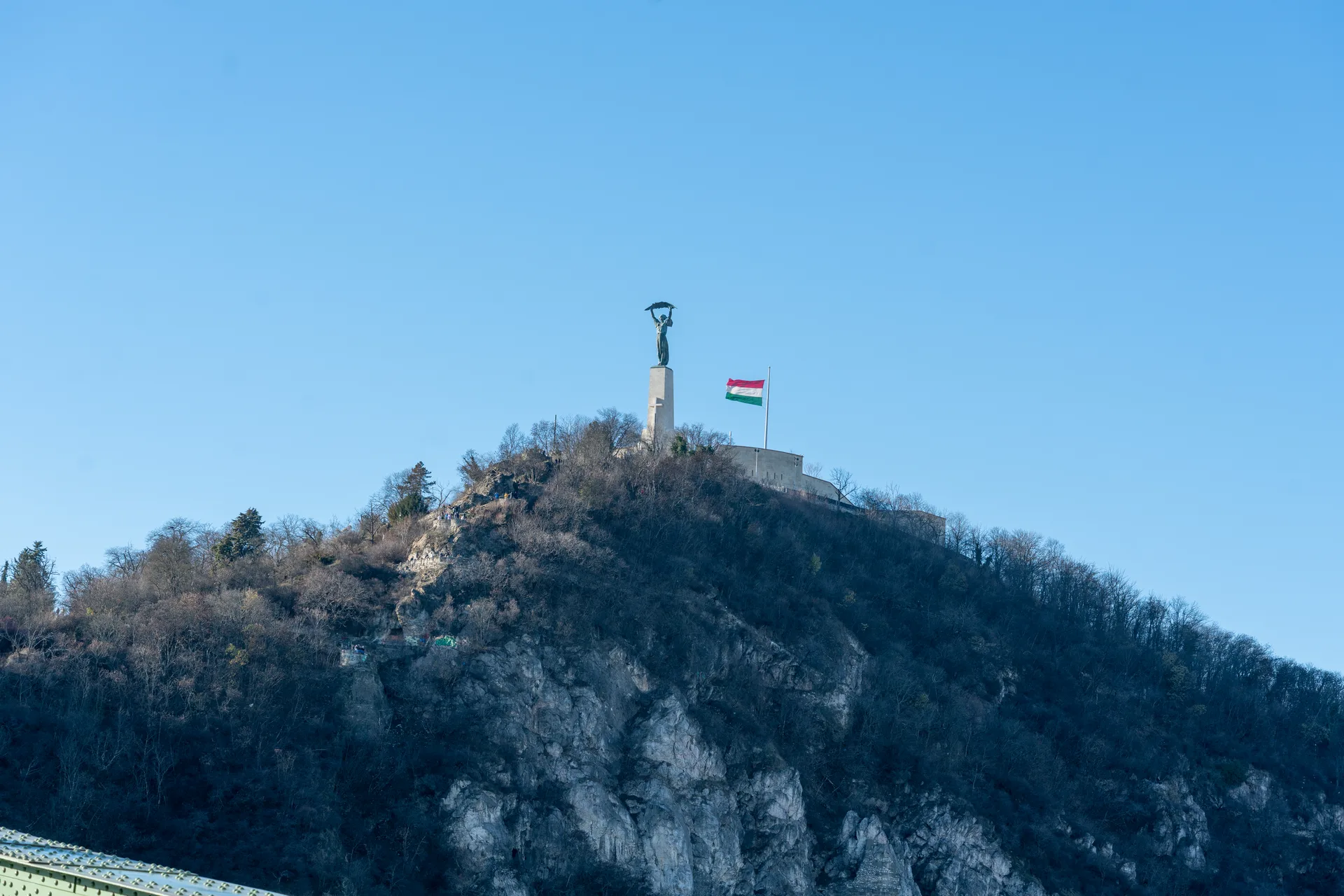
Gellért Hill & Citadella
A 235-metre hill on the Buda side crowned by a Habsburg-era fortress and the Liberty Statue — free public parkland with arguably the single best panoramic view over both Buda and Pest.
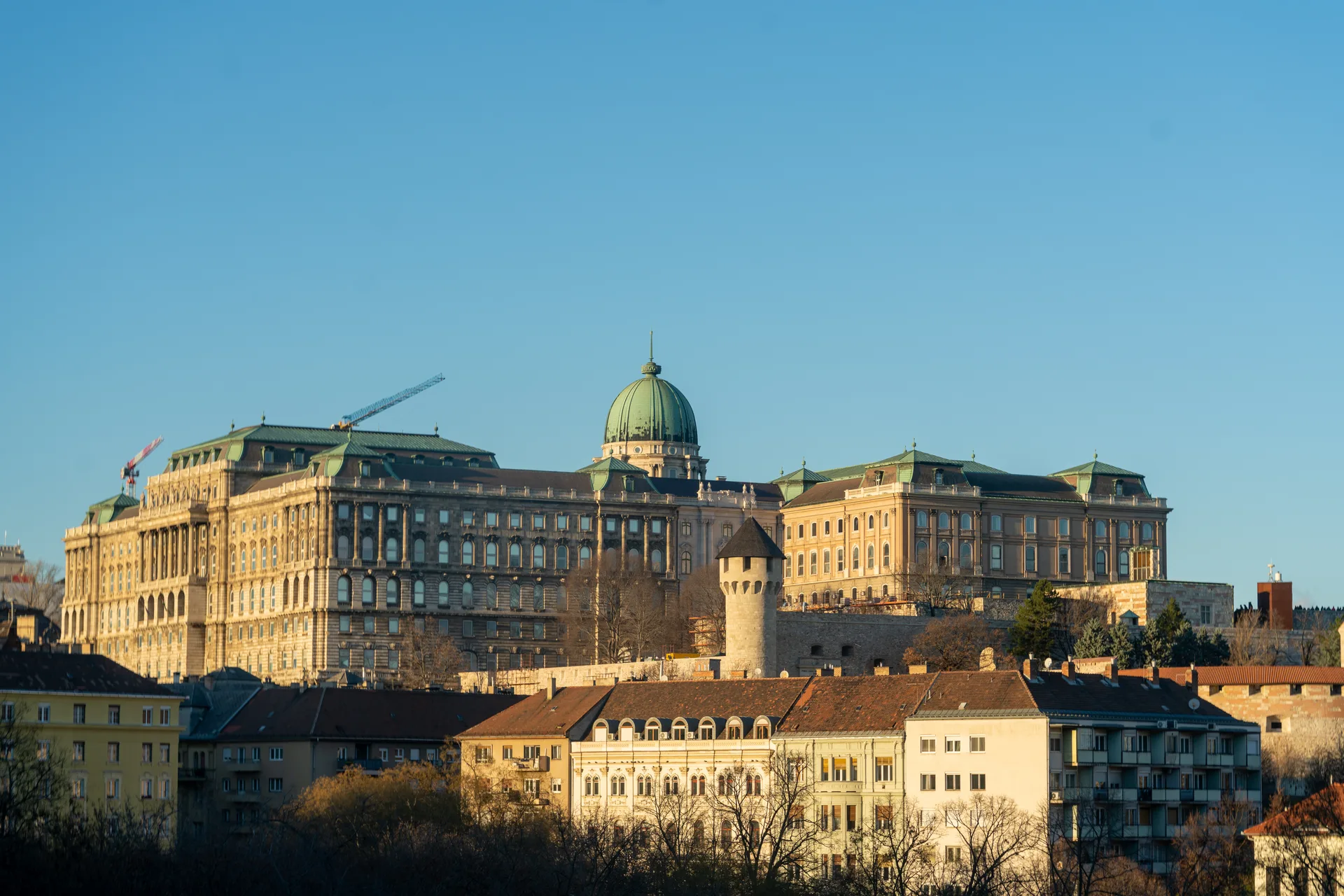
Buda Castle (Royal Palace)
The sprawling former royal palace on Castle Hill — today home to the Hungarian National Gallery and the Budapest History Museum, with free-to-wander courtyards and some of the best views over the Danube.
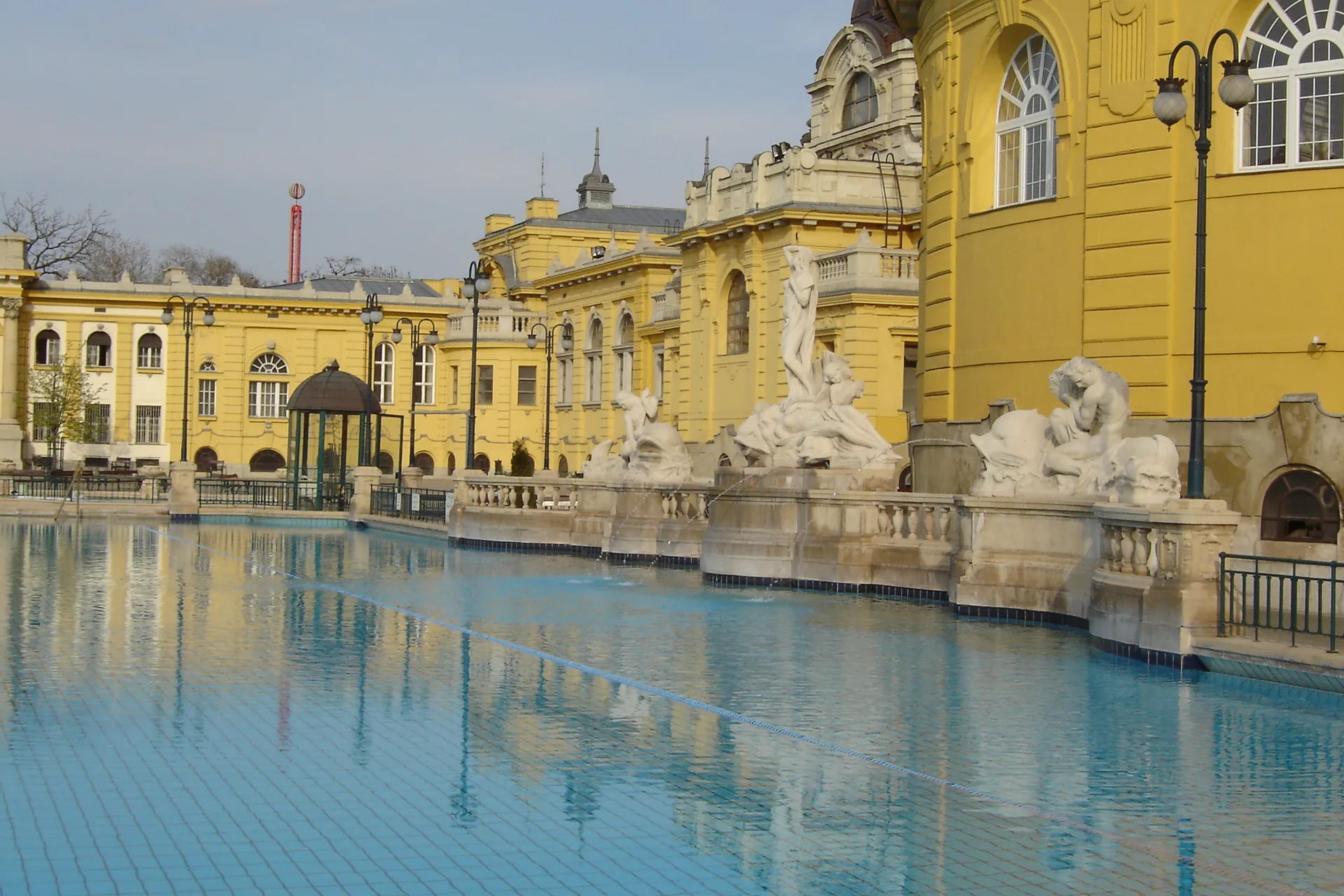
Széchenyi Thermal Bath
Europe's largest thermal bath complex — a Neo-Baroque palace of steaming outdoor pools in City Park, fed by two thermal springs and open until 10pm every night.
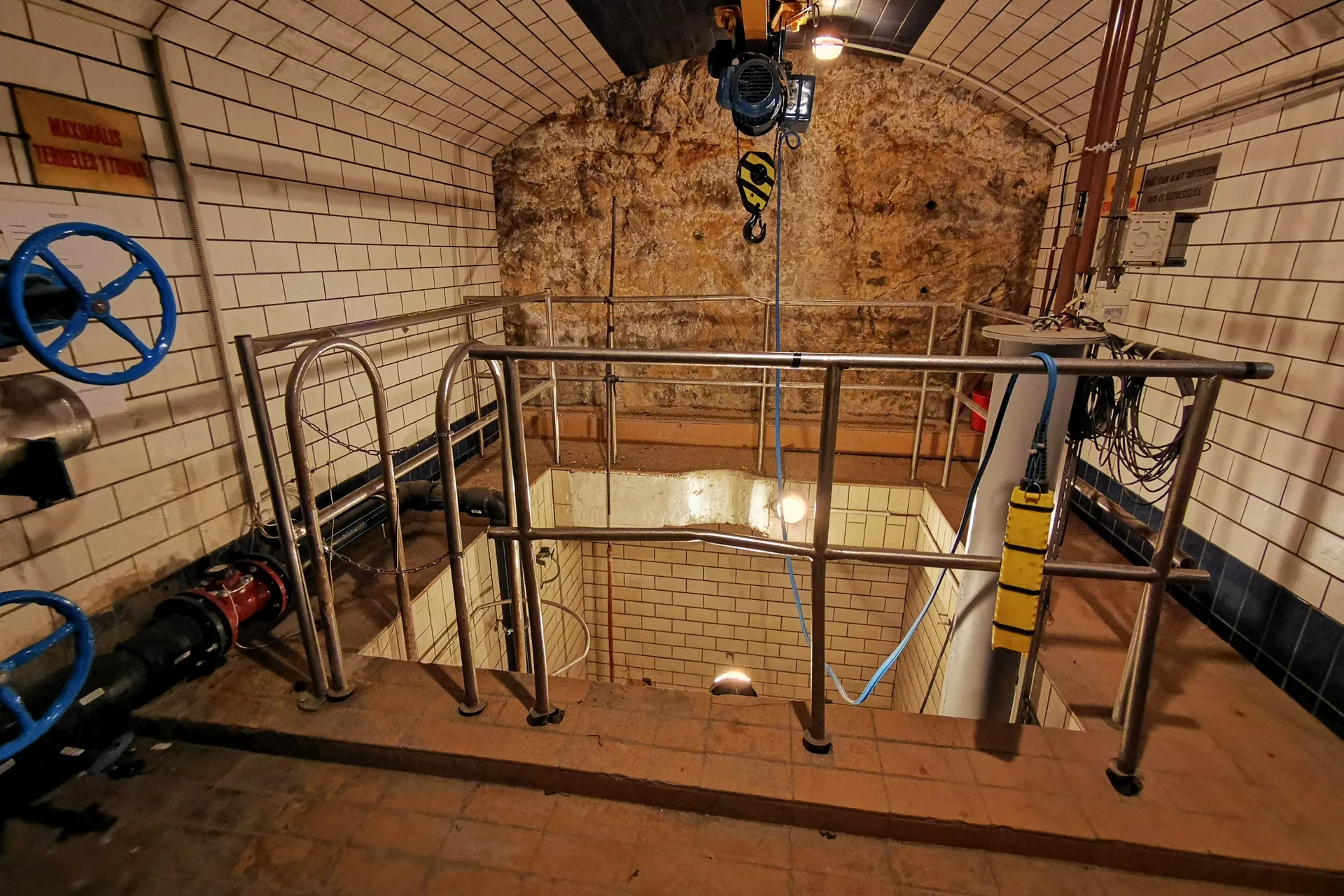
Gellért Thermal Bath
Budapest's most famous Art Nouveau bathhouse, attached to the grand Gellért Hotel — currently closed for a major restoration expected to run until 2028.
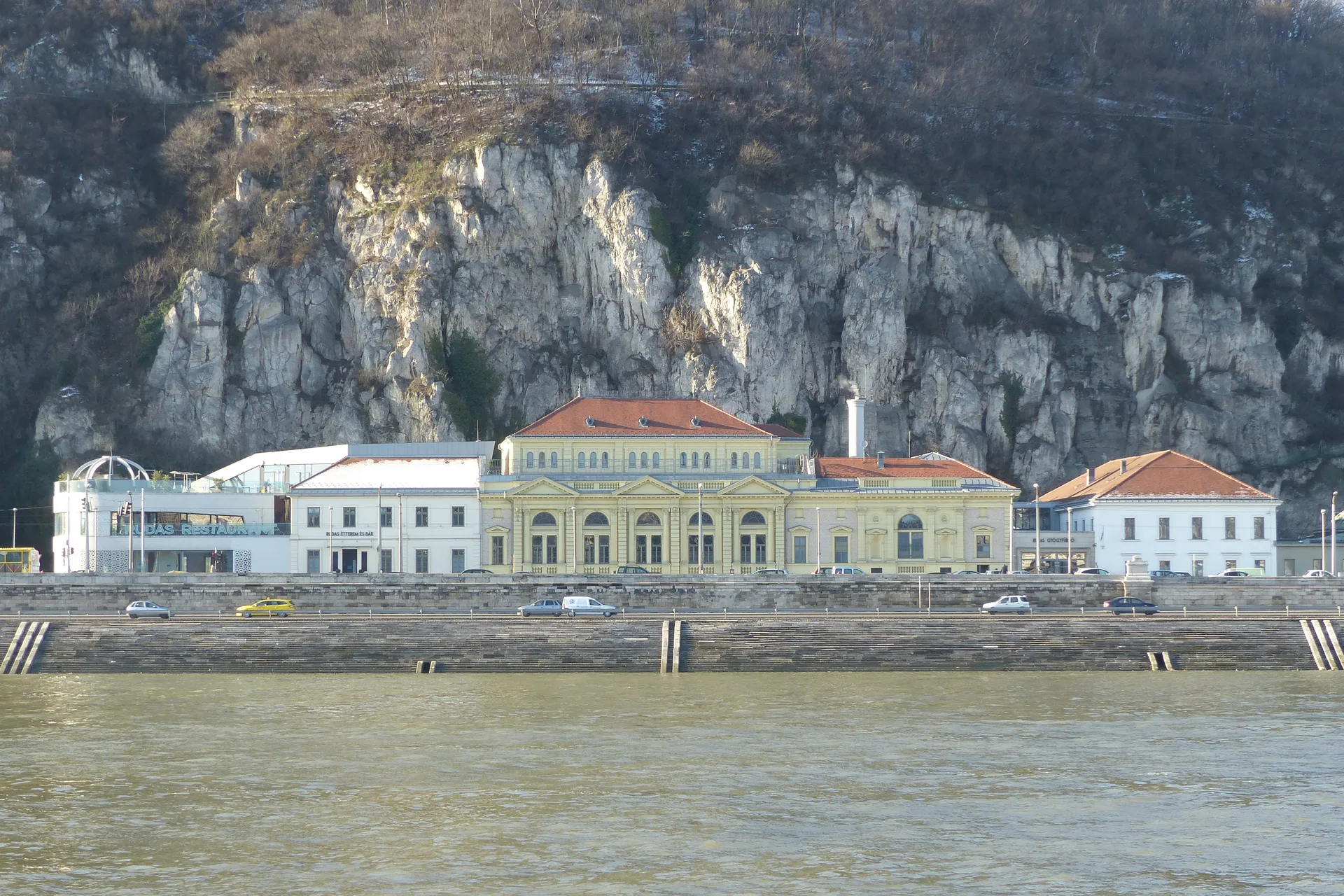
Rudas Baths
A 16th-century Ottoman-era bathhouse under a genuine octagonal Turkish dome — plus a modern rooftop pool with panoramic Danube views, popular for Friday and Saturday night bathing.
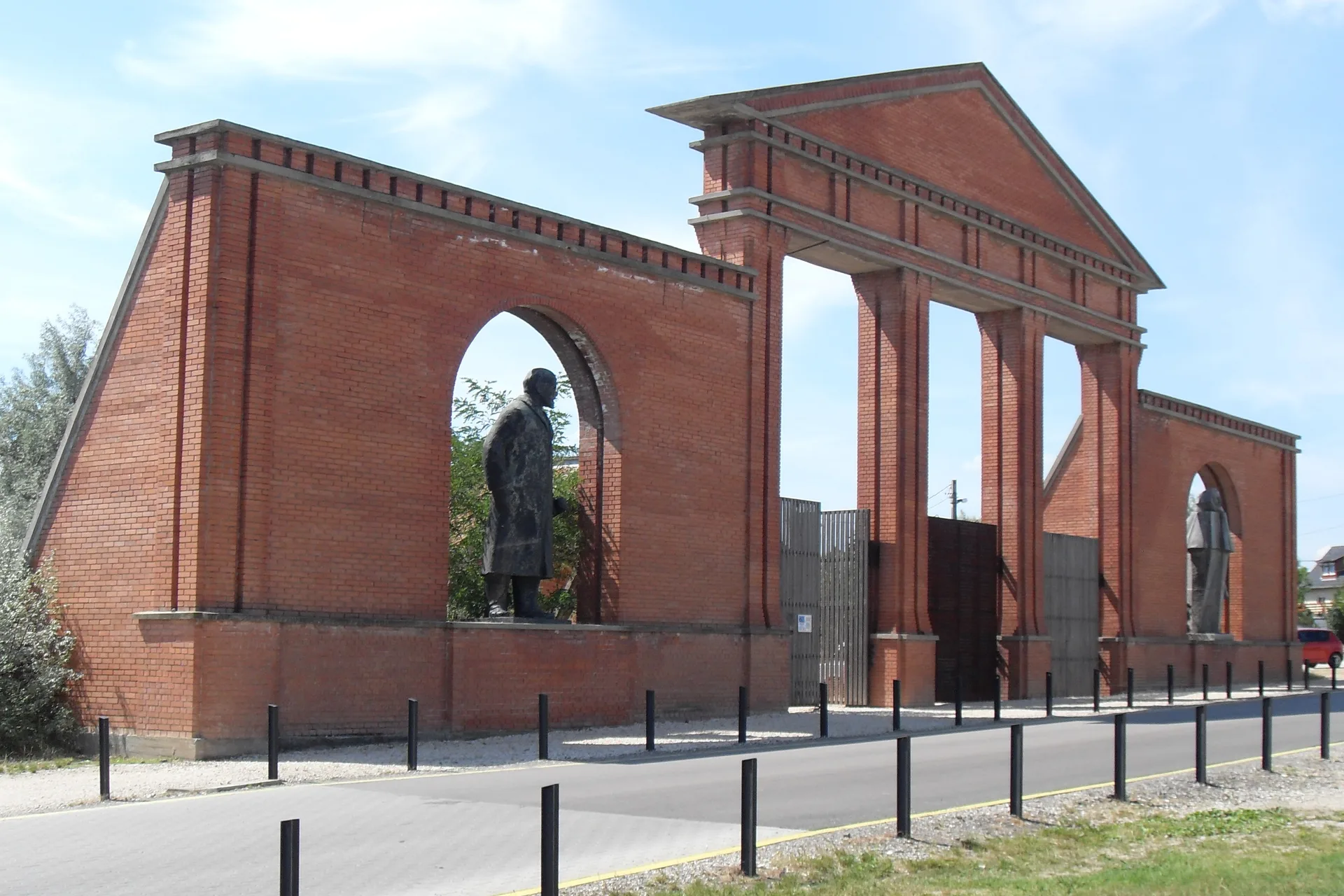
Memento Park
A field on Budapest's outskirts where the city's toppled communist-era statues — Lenin, Marx, giant Soviet soldiers — were relocated after 1989, rather than melted down.
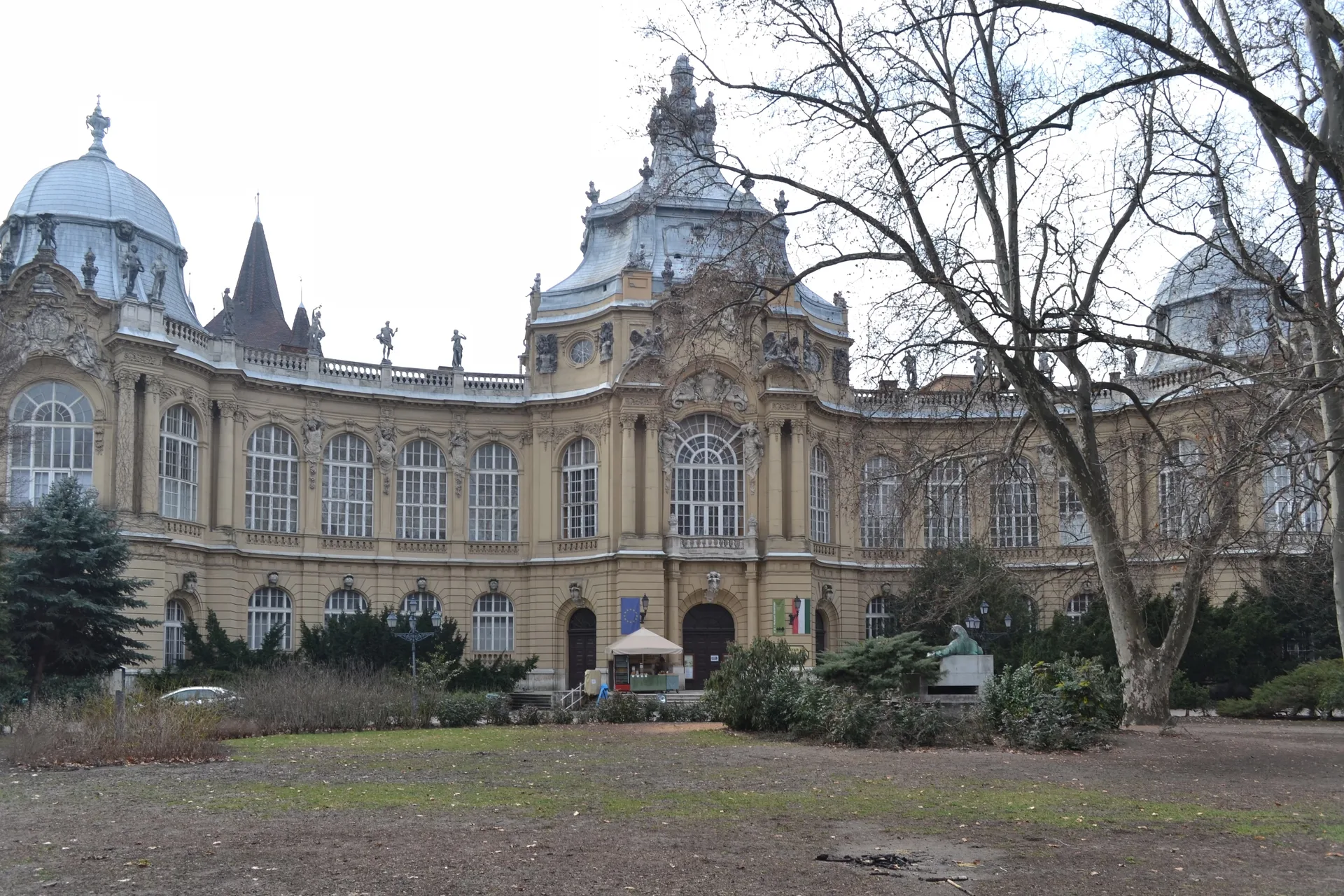
Vajdahunyad Castle
A fantasy castle in City Park stitching together Gothic, Romanesque, Renaissance and Baroque architecture from across historic Hungary — built as a temporary 1896 exhibit, kept because everyone loved it.
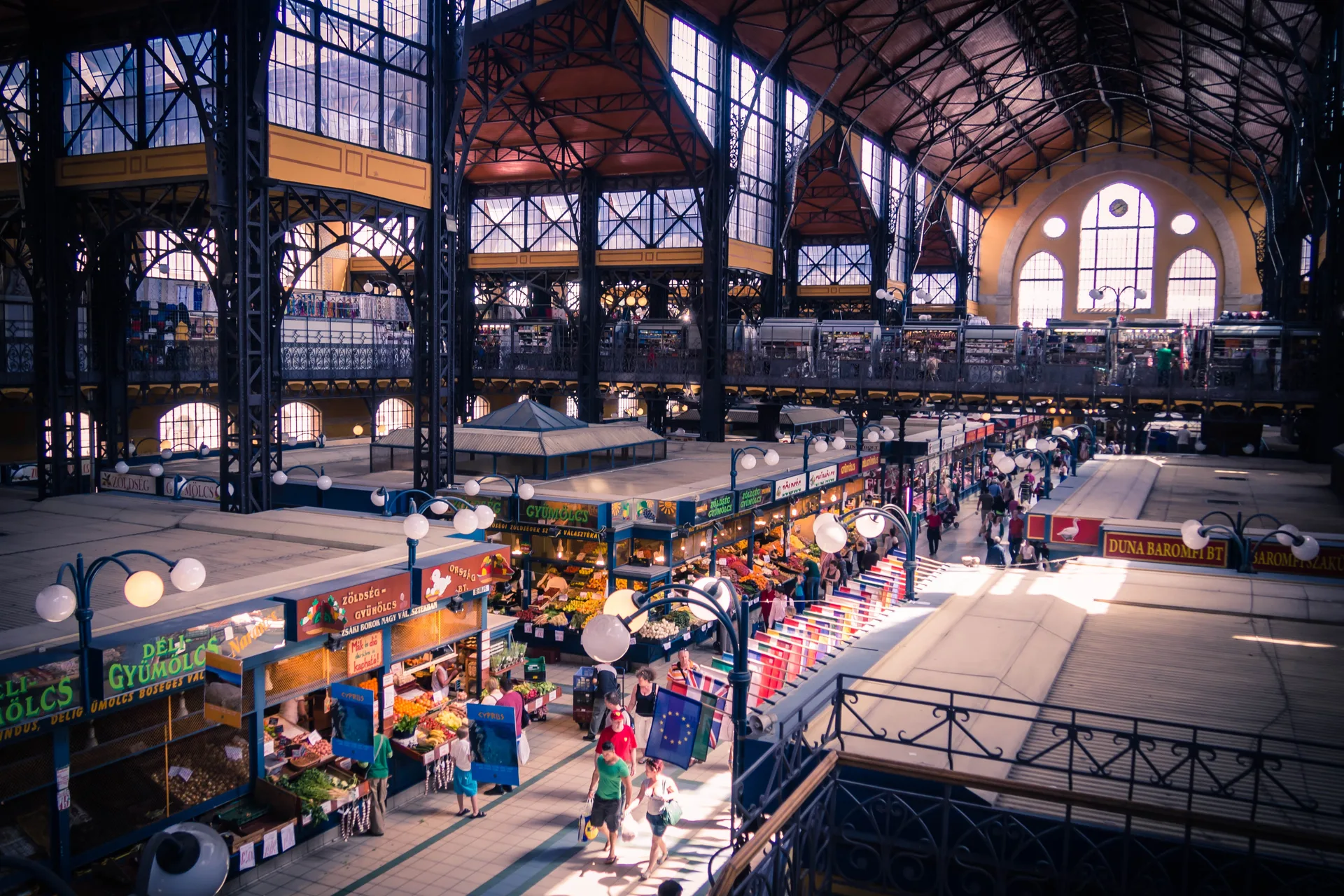
Central Market Hall
Budapest's largest and oldest indoor market — a soaring 1897 iron-and-glass hall of paprika stalls, butchers, produce and a food court, right at the foot of Liberty Bridge.
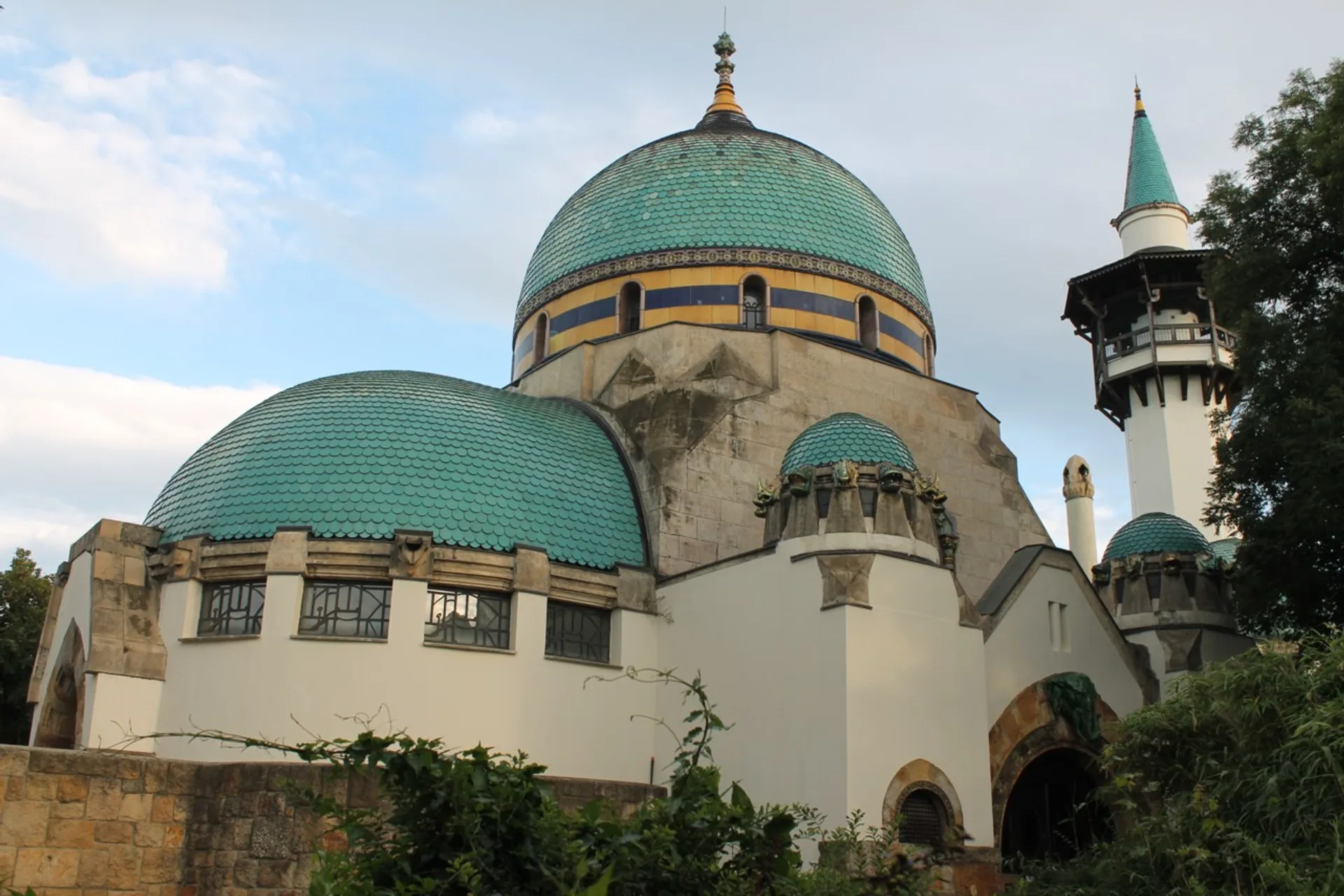
Budapest Zoo & Botanical Garden
One of the world's oldest zoos, opened in 1866, with a striking collection of Art Nouveau animal houses — including an elephant house covered in Zsolnay ceramic tiles — inside City Park.
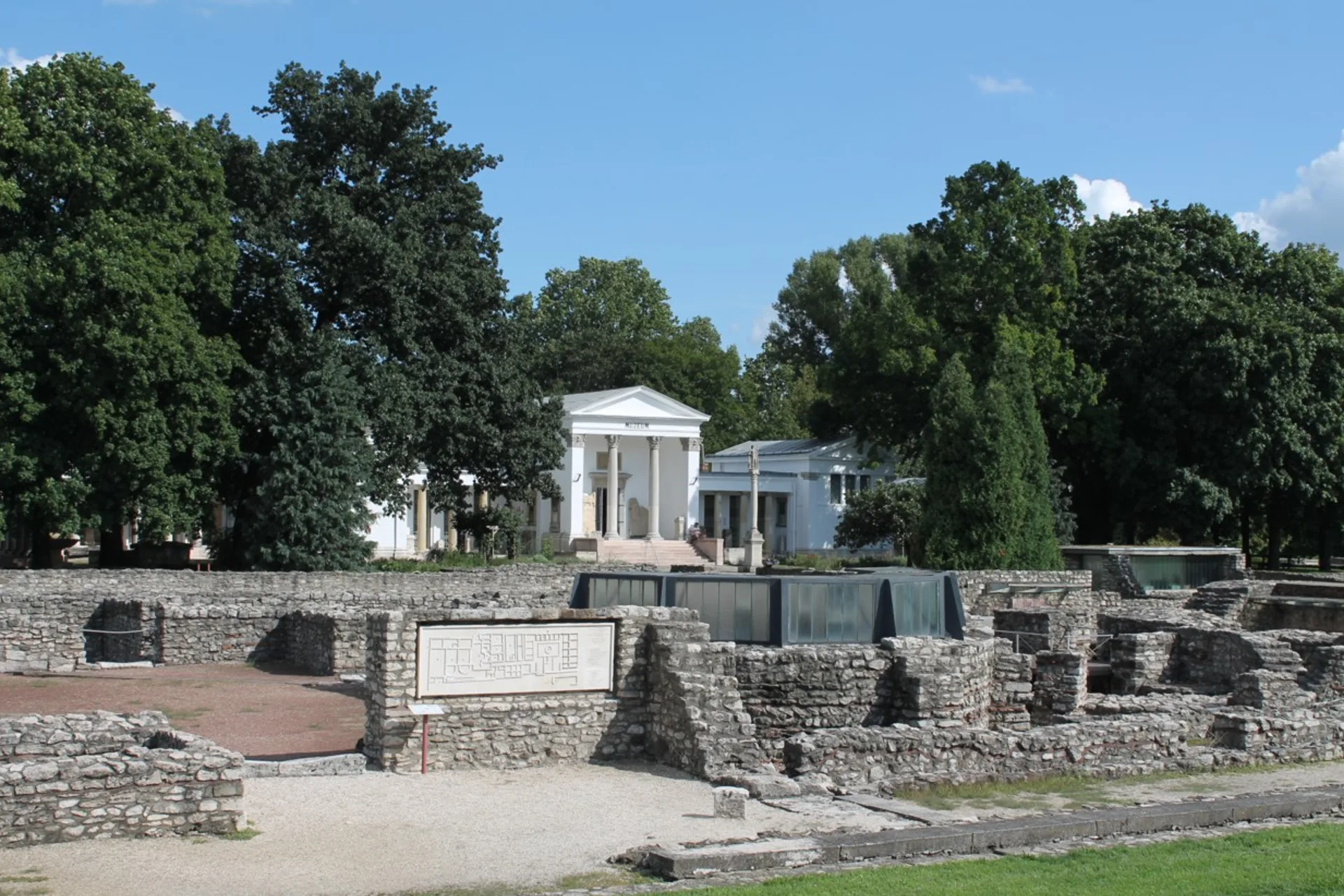
Aquincum Museum
The excavated ruins of Aquincum, capital of Roman Pannonia — mosaic floors, a reconstructed Roman organ, and street layouts you can walk through, in the northern Óbuda district.
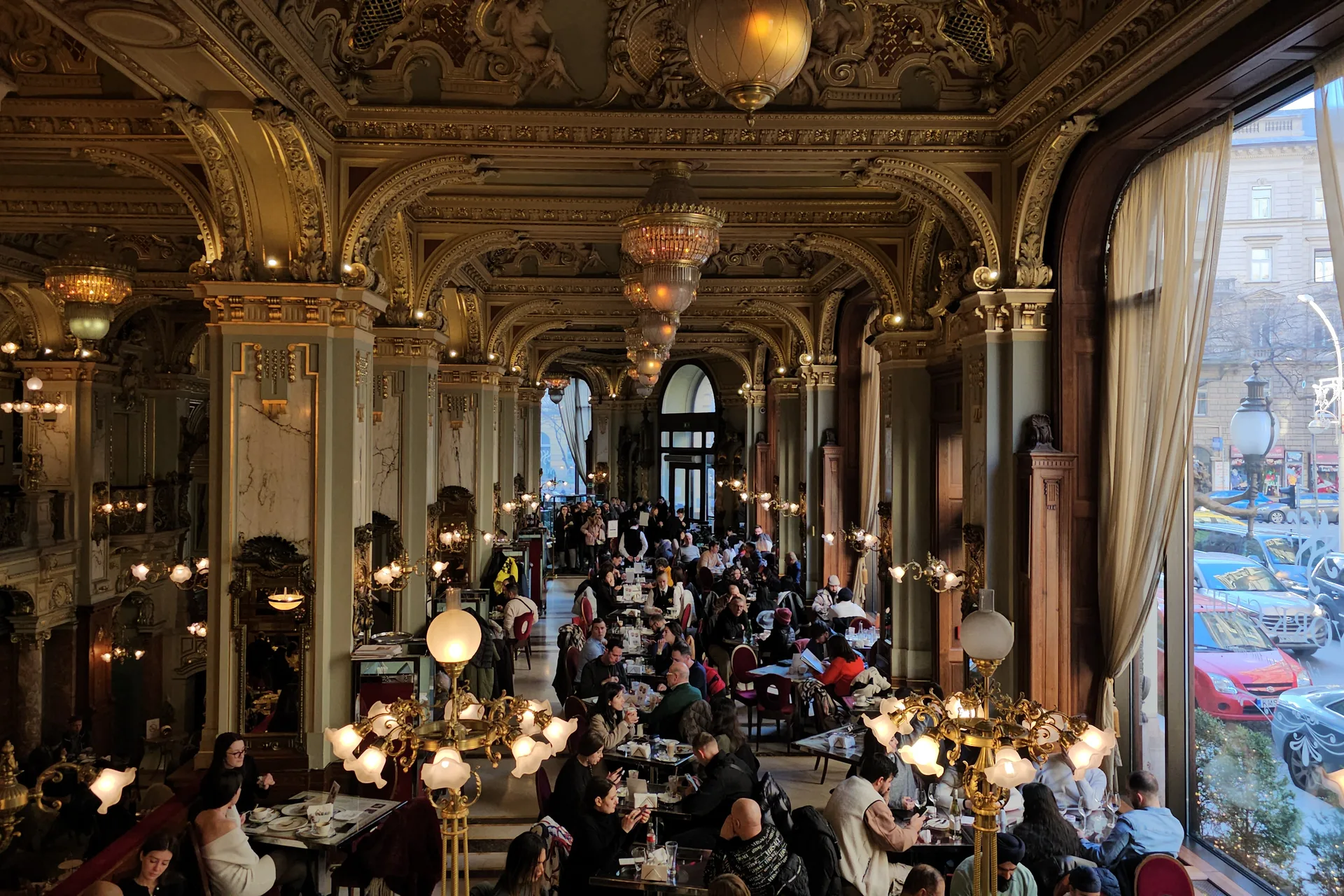
New York Café
Once dubbed 'the most beautiful café in the world' — an 1894 Italian Renaissance fantasy of gold leaf, marble and chandeliers, historically the favourite haunt of Budapest's literary elite.
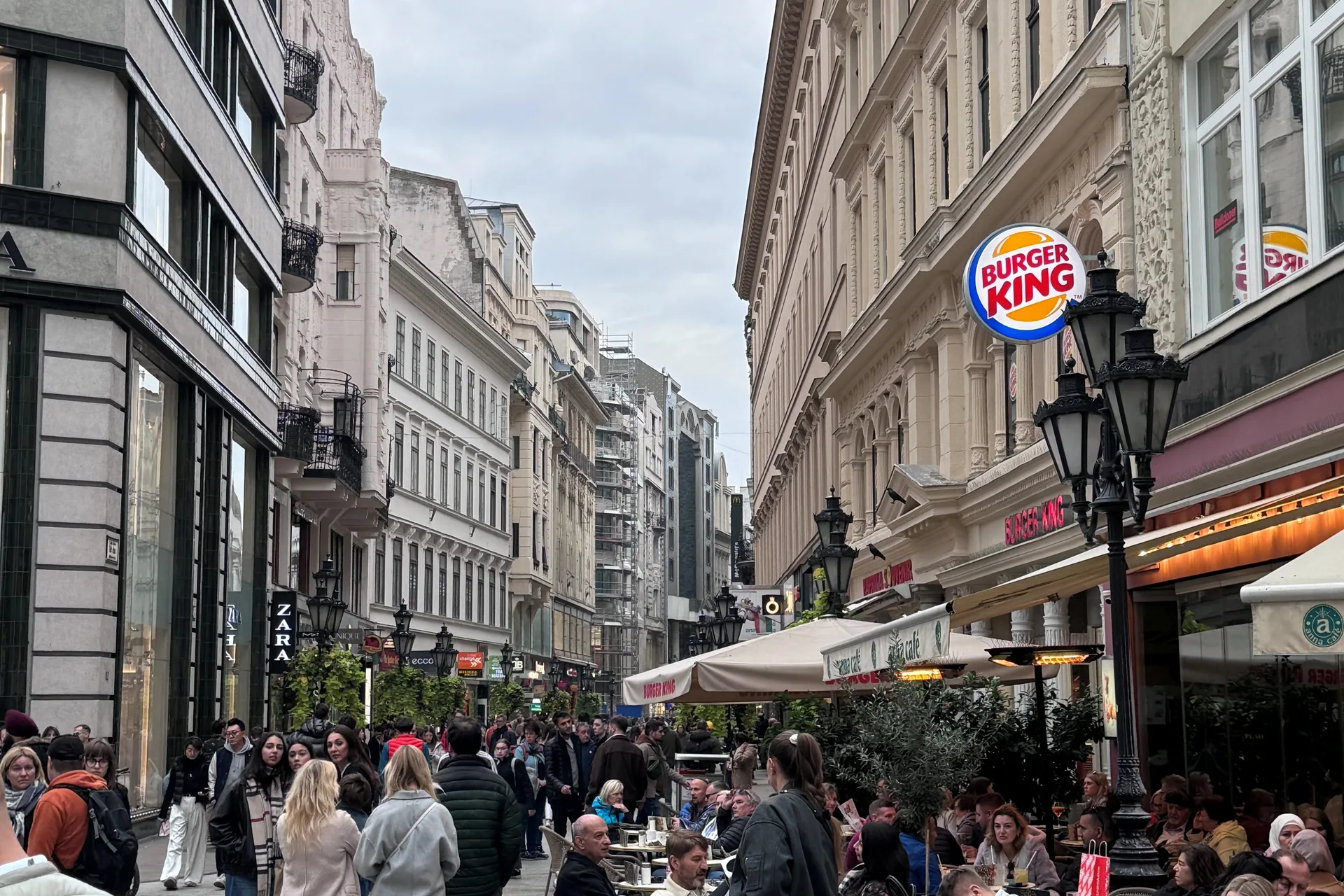
Váci Street
Budapest's main pedestrian shopping street, running 1.2km from Vörösmarty Square to the Great Market Hall — international brands, souvenir shops and cafés inside 19th-century facades.
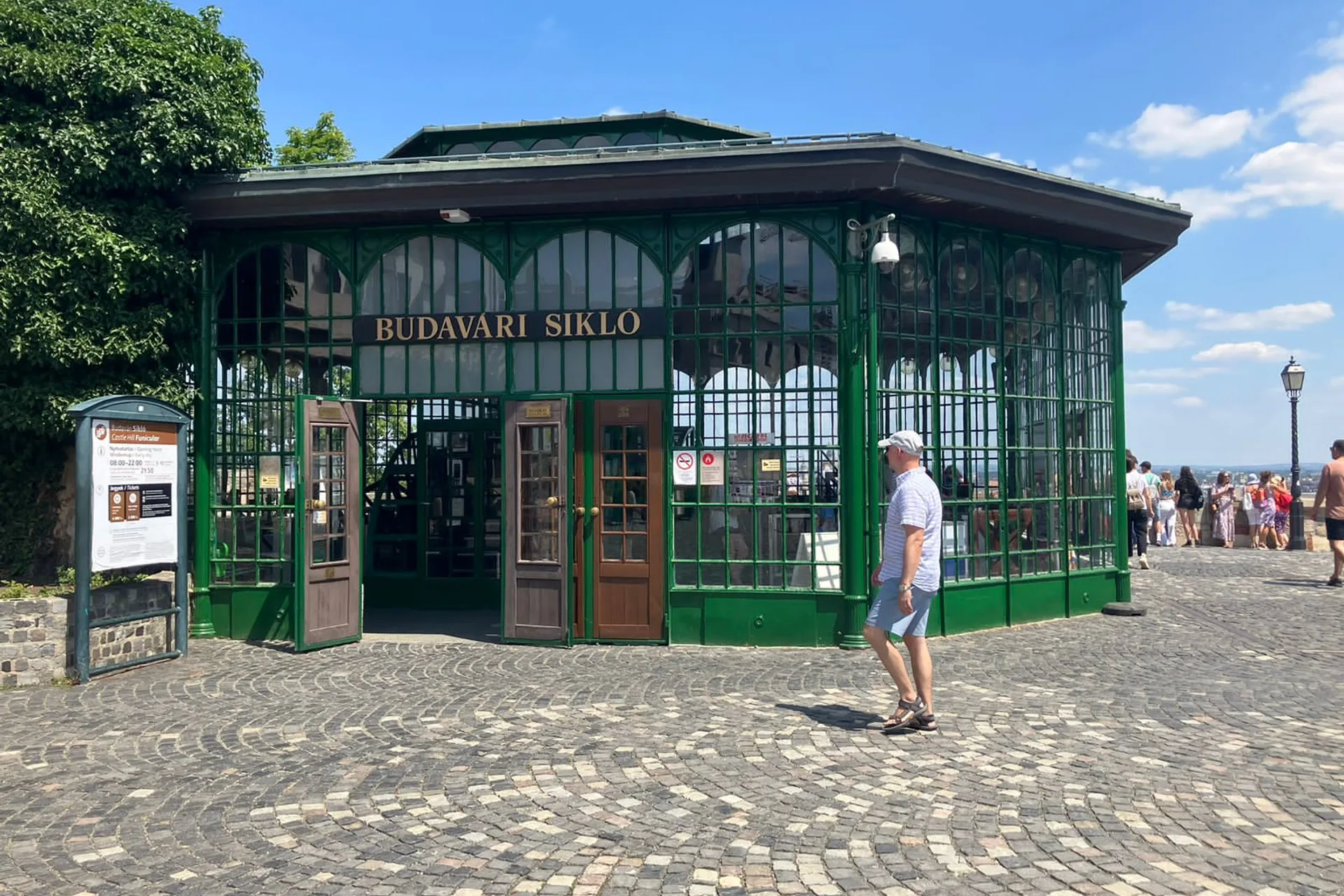
Buda Castle Funicular
A short, scenic 1870 funicular railway climbing Castle Hill from Chain Bridge — a fun 90-second ride, though walking up is free and only slightly slower.
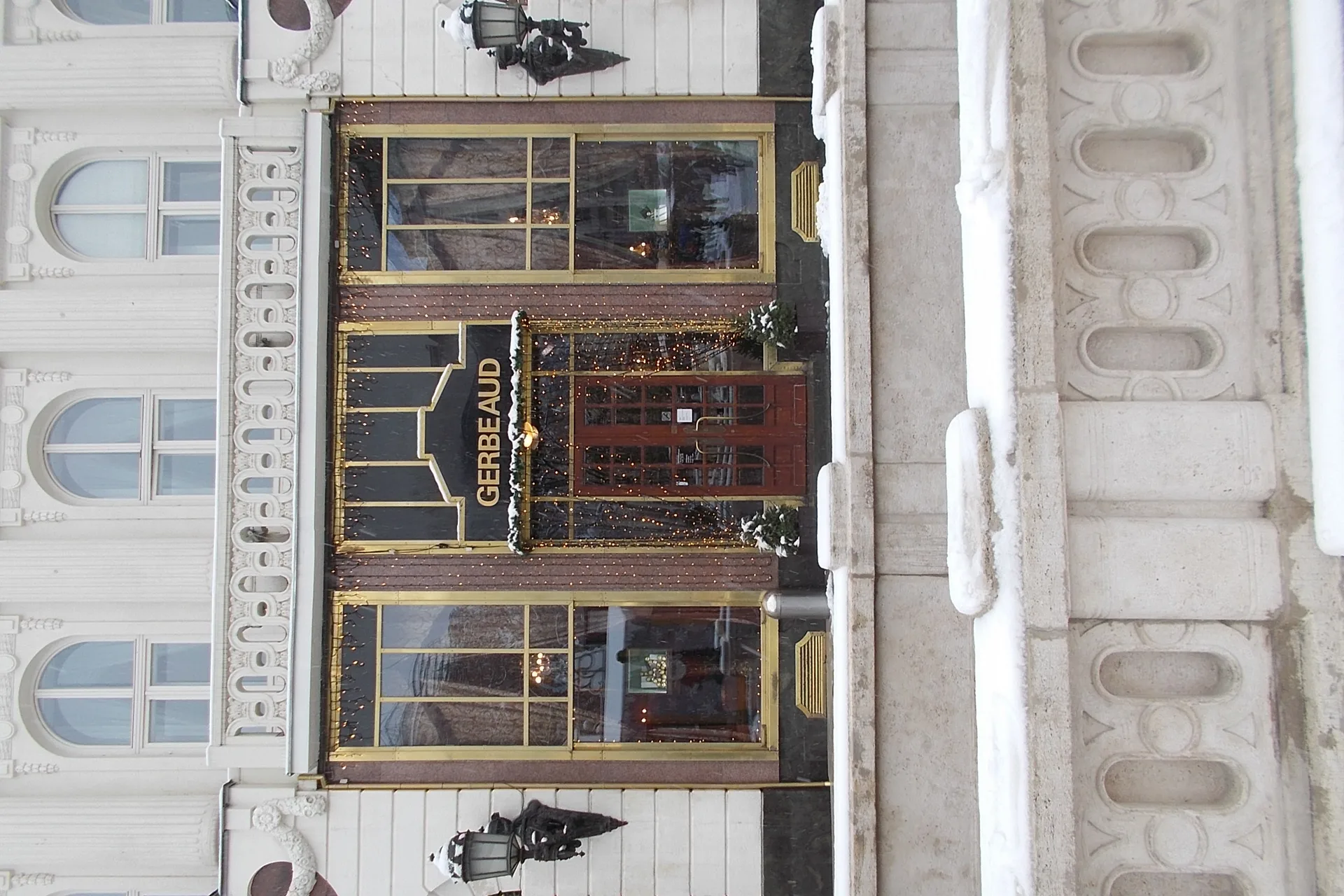
Gerbeaud Café, Vörösmarty Square
Budapest's most historic coffeehouse, open since 1858 on the city's grandest square — Empress Sisi's favourite, still serving the same style of elaborate Central European cakes today.
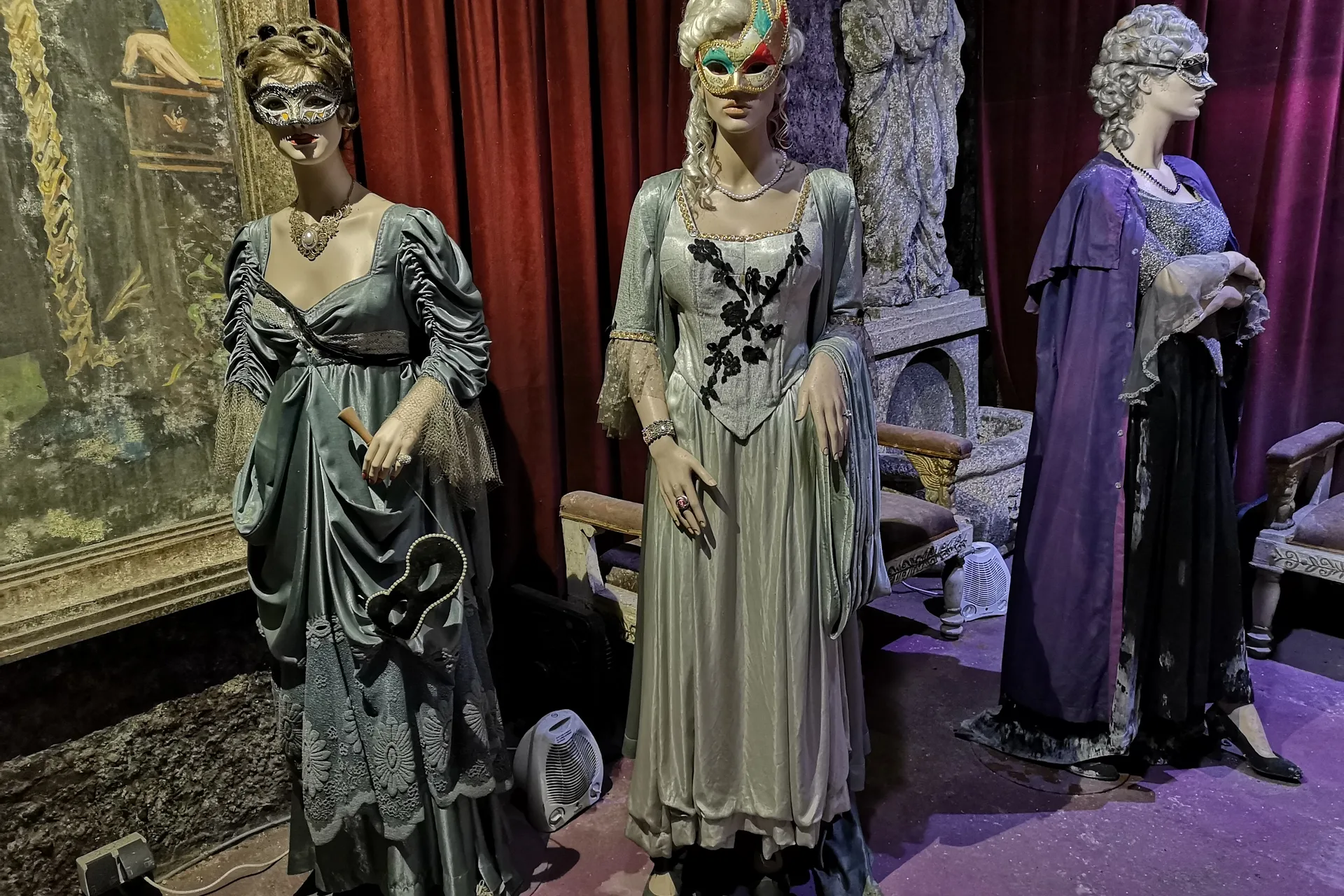
Labyrinth of Buda Castle
A network of natural caves and cellars beneath Castle Hill, used across history as wine cellars, a WWII shelter and even a prison — now a moodily lit, self-guided walk-through attraction.