
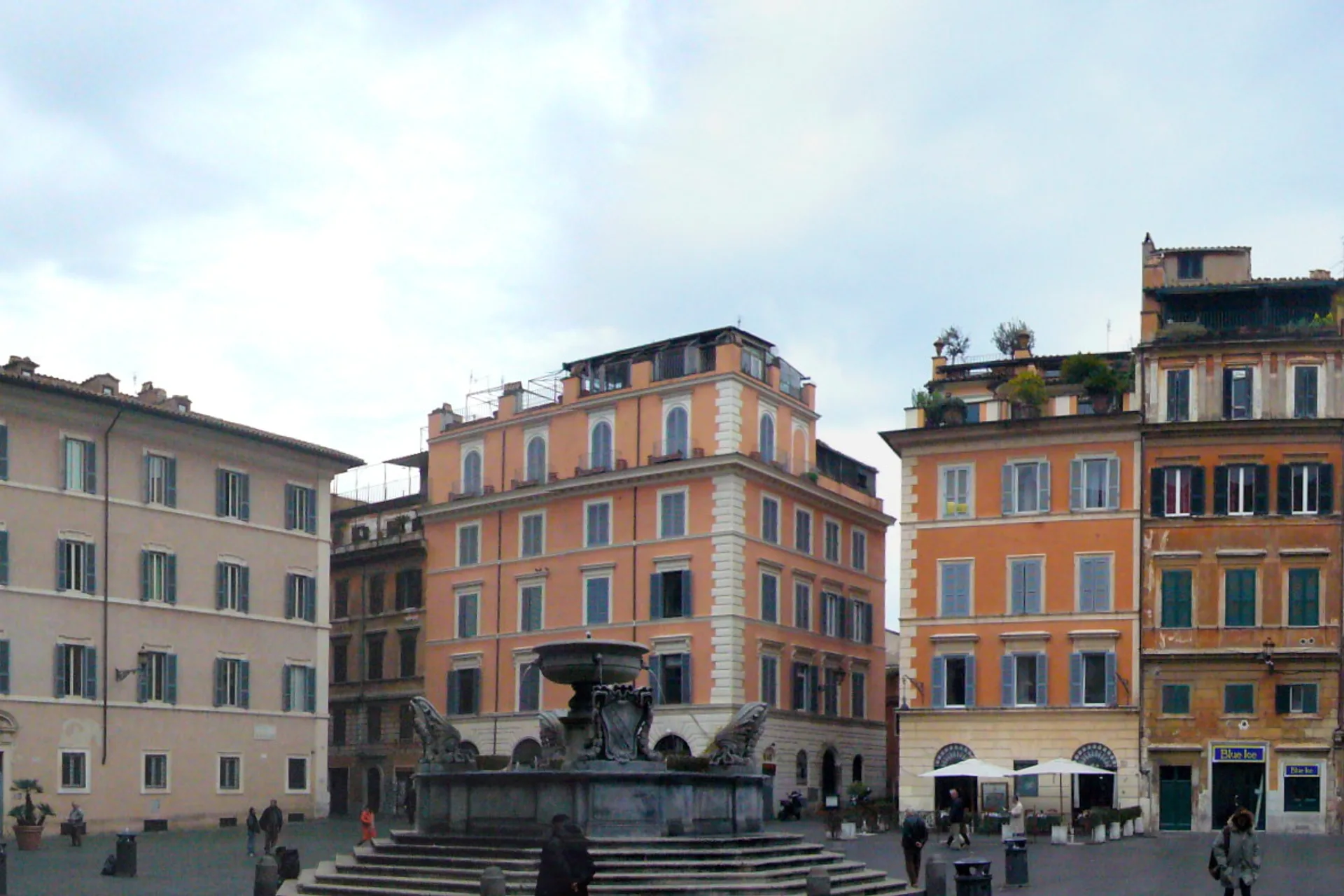
Trastevere Food & Wine Walking Tour
A small-group evening tasting walk through Trastevere's back streets — cheese, pizza, pasta and wine at local-favourite spots, guided by someone who knows which unmarked doors actually matter.
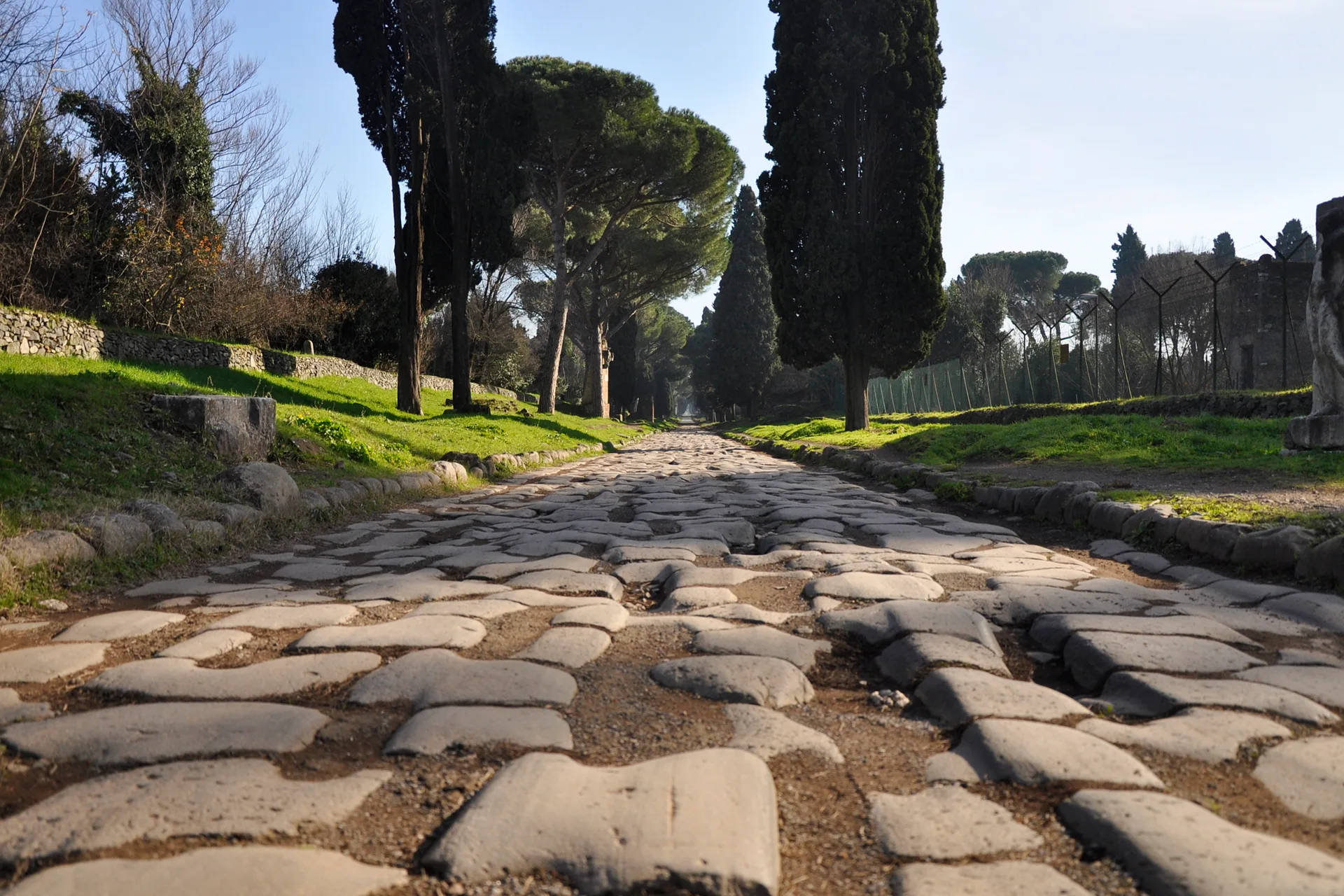
Appian Way (Via Appia Antica)
The 'Queen of Roads,' Rome's oldest and most strategically important highway, now a protected regional park where you can walk or cycle on the same basalt paving stones legionaries marched on 2,300 years ago.
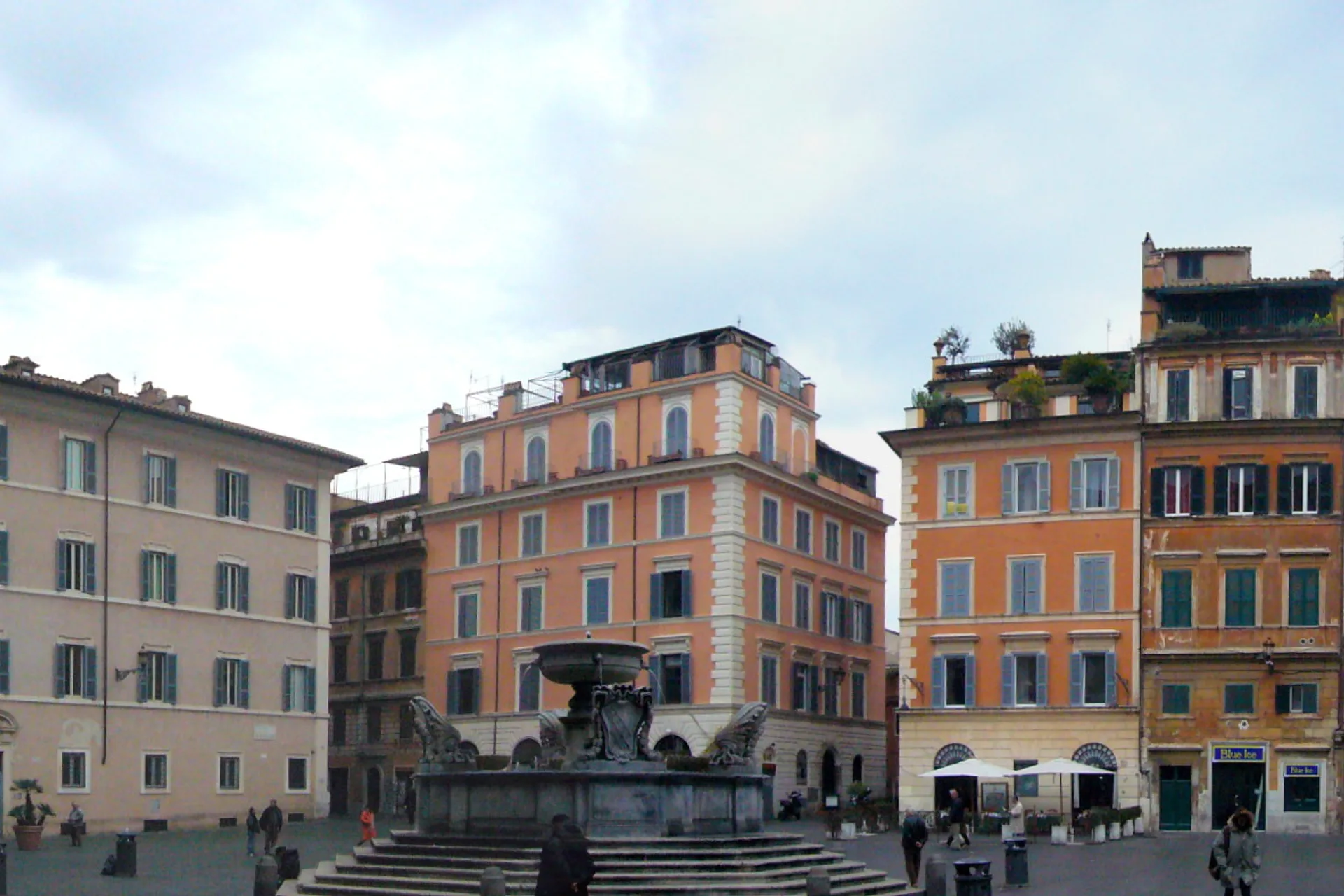
Trastevere Neighbourhood
Rome's most atmospheric neighbourhood — cobbled medieval lanes, ivy-draped facades, and the city's liveliest evening restaurant and bar scene, on the 'other side' of the Tiber that gives it its name.
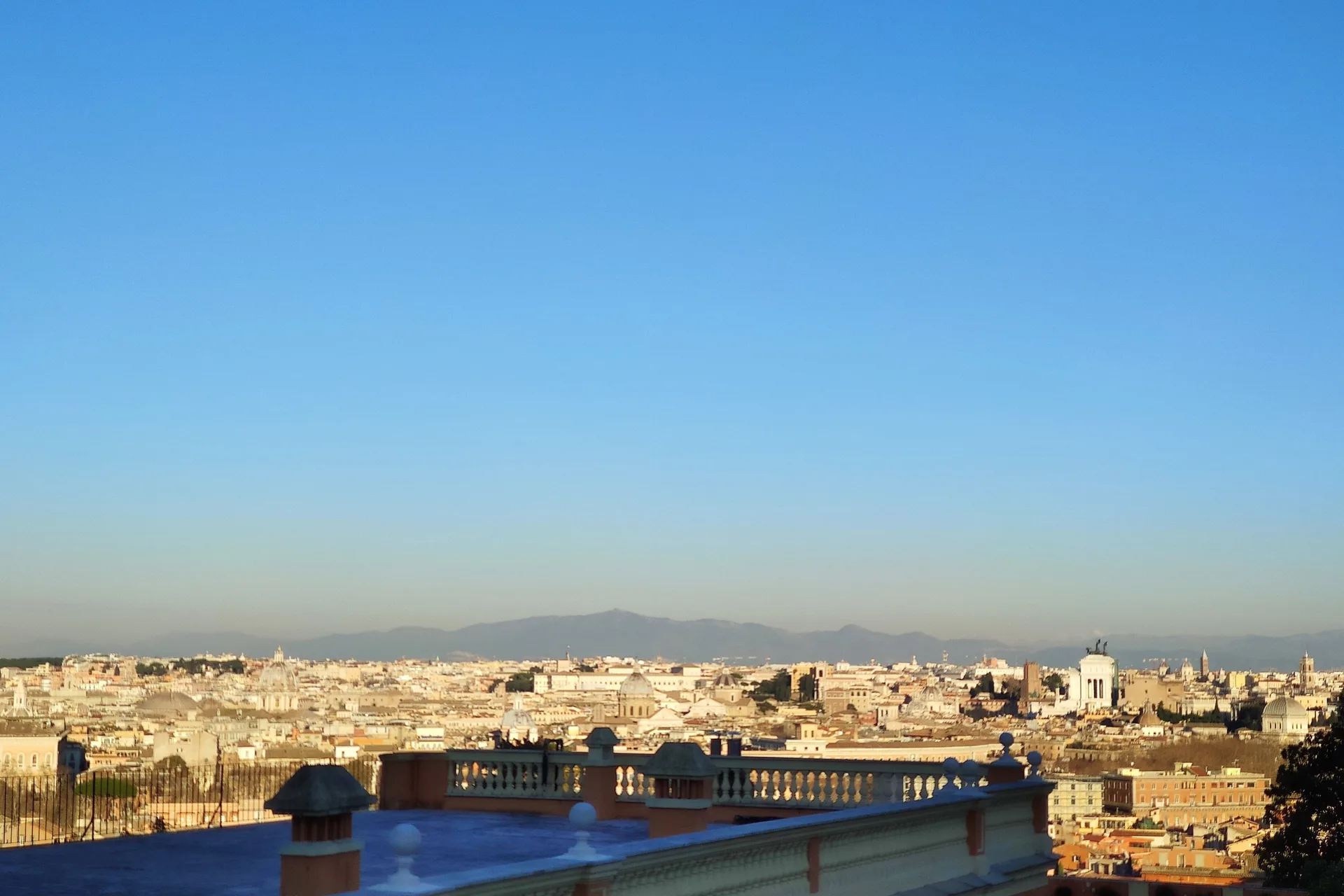
Janiculum Hill (Gianicolo)
Rome's finest free panoramic viewpoint, on a hill just outside the ancient city boundary — a daily noon cannon blast, equestrian monuments to Garibaldi, and the whole historic centre laid out below.
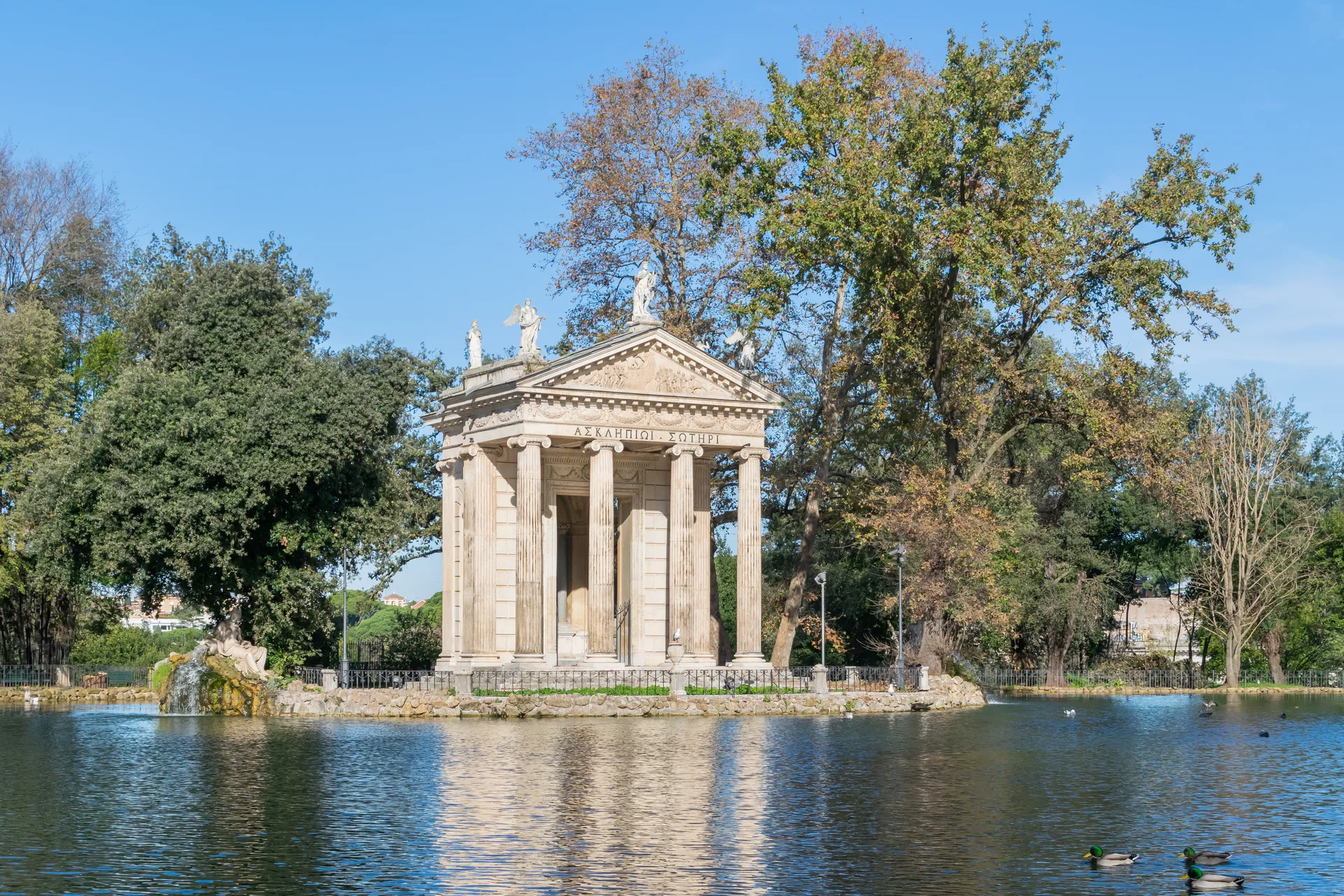
Villa Borghese Park
Rome's central green lung — 80 hectares of gardens, lakes and museums laid out by Cardinal Scipione Borghese in the 17th century, now the city's most popular park for a picnic, a rowboat, or an escape from the ruins.
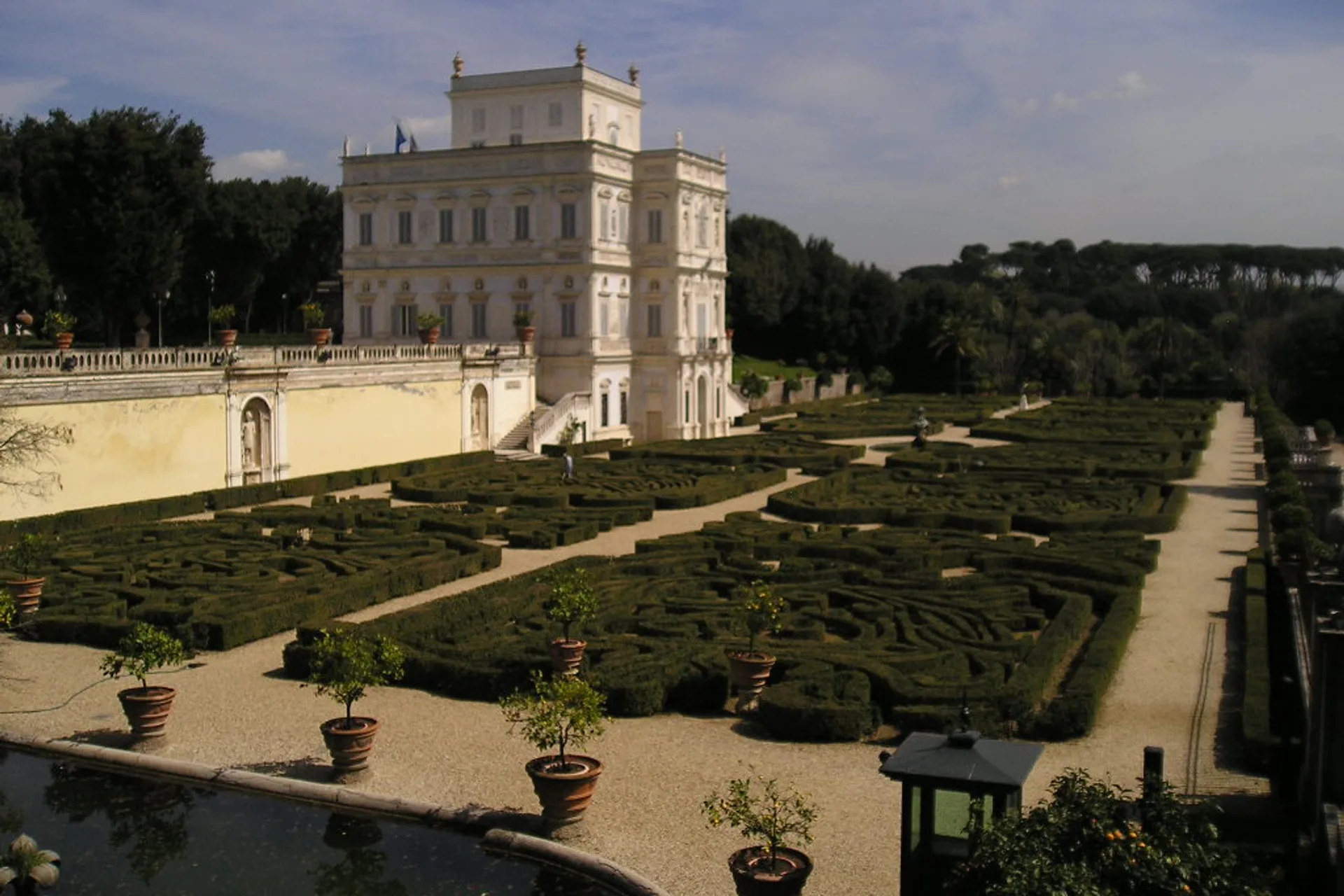
Villa Doria Pamphili Park
Rome's largest park by far, a genuinely local (rather than touristy) green space of pine-lined avenues, a small lake and a 17th-century villa — the place Romans themselves go to escape the crowds.
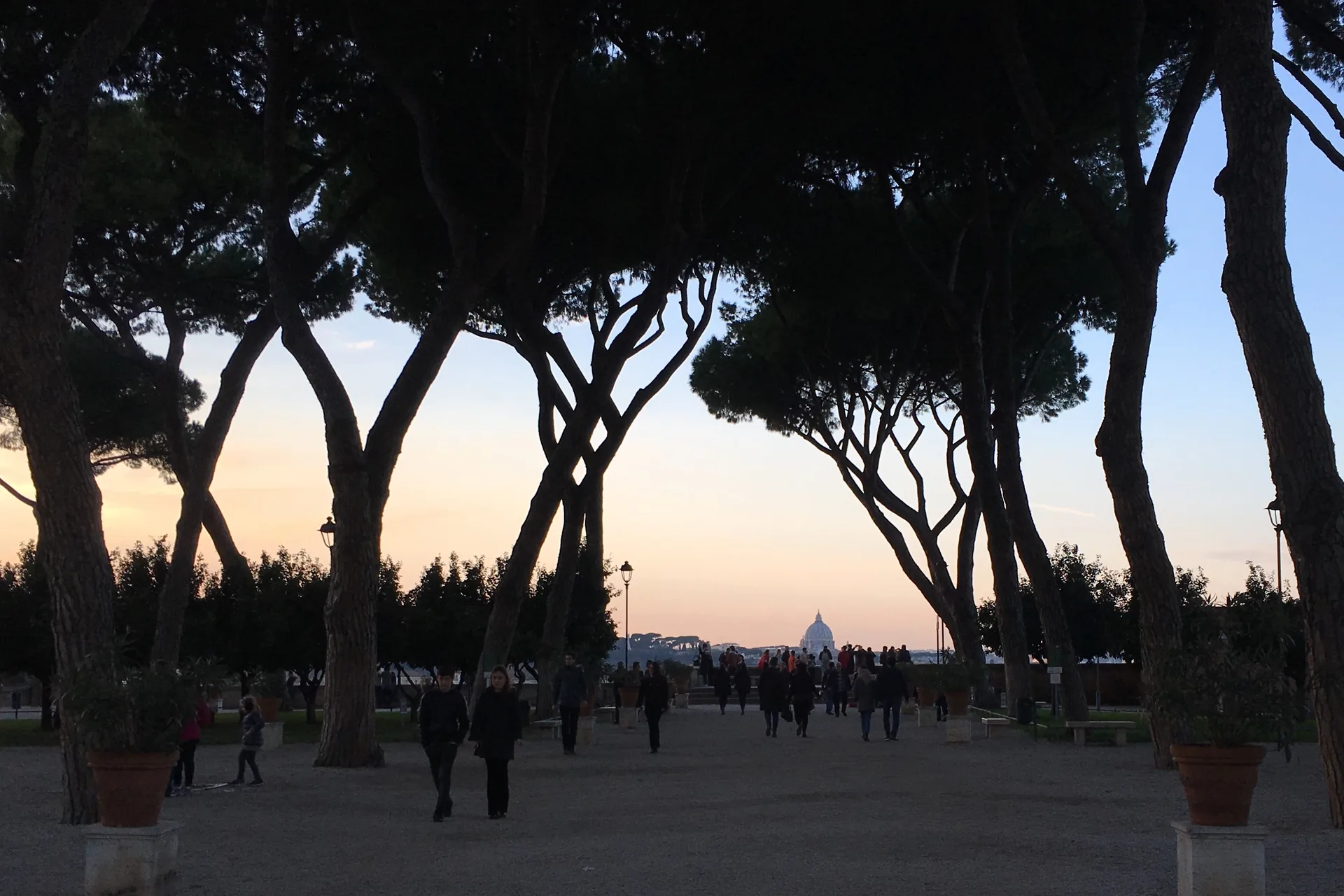
Aventine Keyhole & Orange Garden
A tiny, world-famous keyhole framing a perfectly centred view of St. Peter's dome through a garden hedge, paired with one of Rome's best free sunset viewpoints just a few steps away.
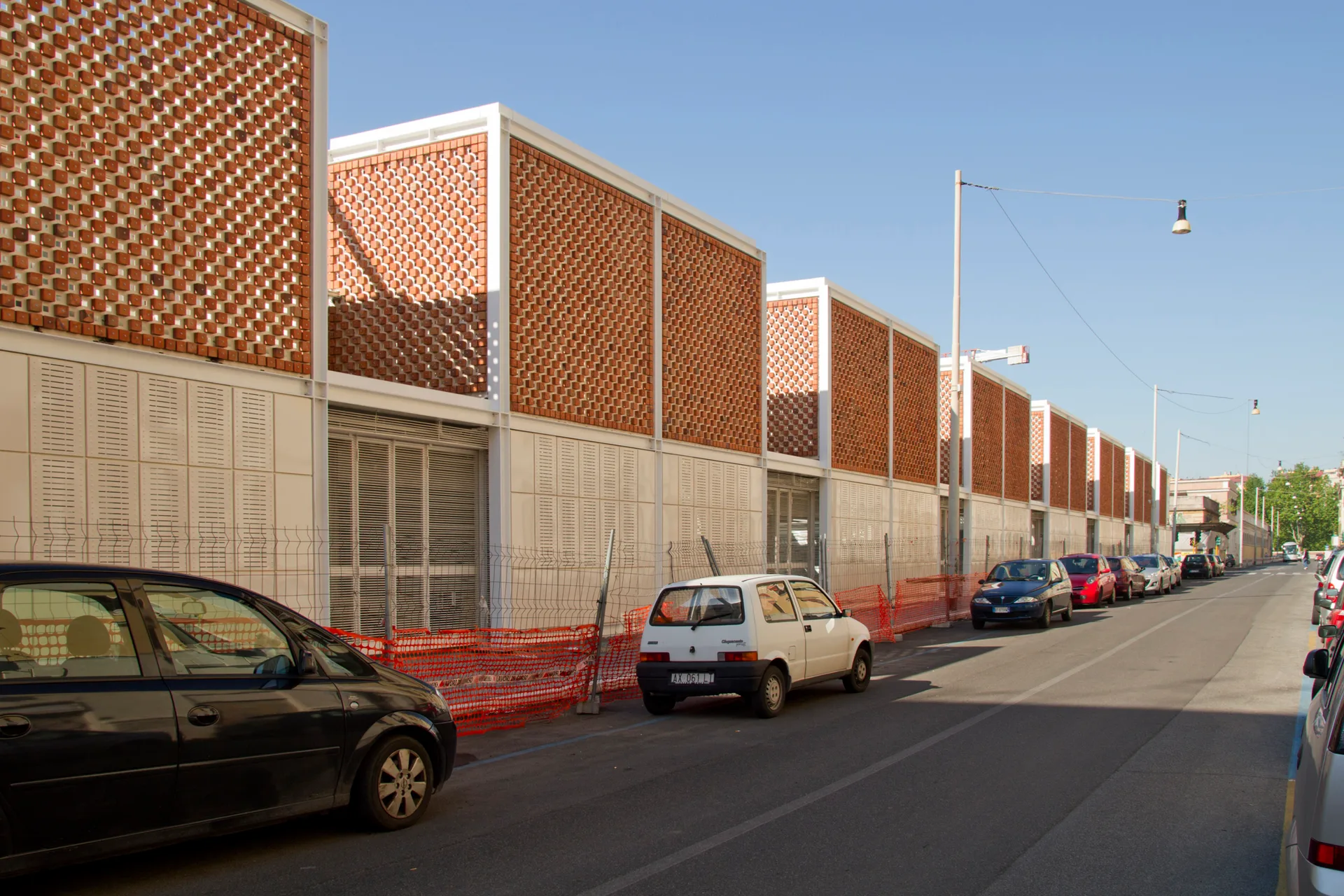
Testaccio Market
A modern covered market in Rome's historic working-class food and slaughterhouse district — the most reliably authentic, least touristy food market in the city, and the birthplace of Roman offal cuisine.
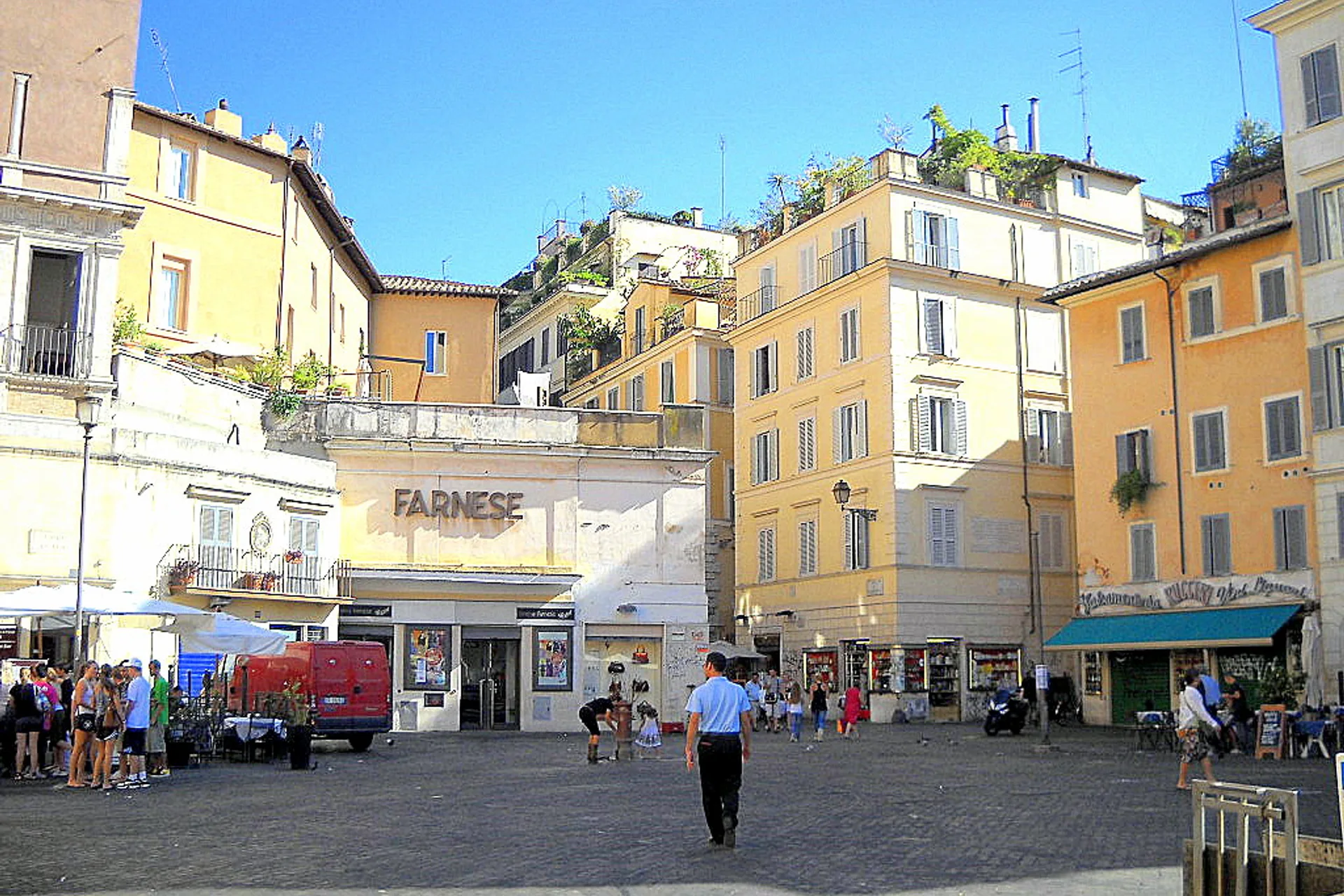
Campo de' Fiori Market
Rome's oldest and liveliest morning market, in a square that doubled as a public execution site — fruit, flowers and street food by day, one of the centre's busiest bar squares by night.
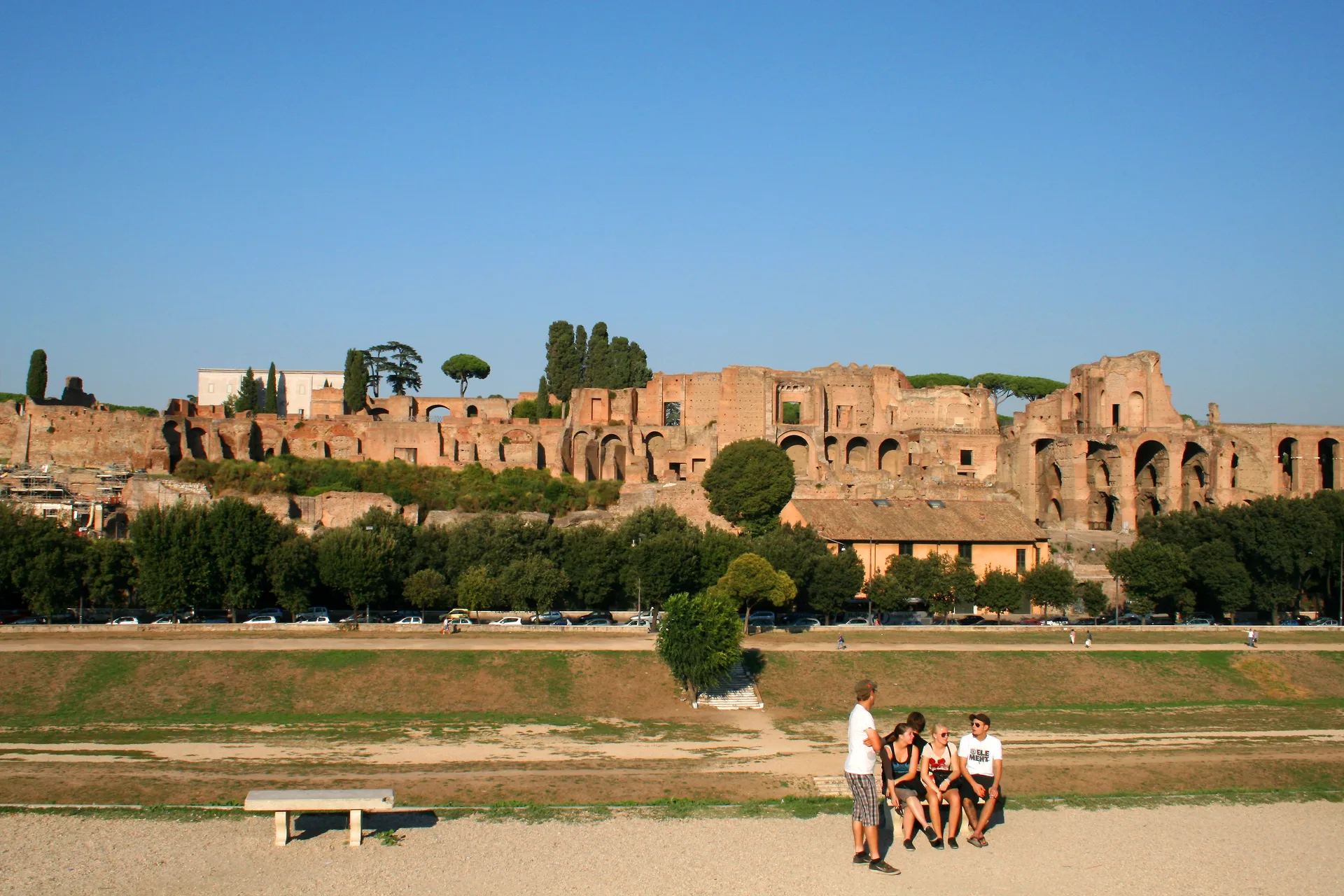
Circus Maximus
Ancient Rome's giant chariot-racing stadium, now a free open grass park in the valley between the Palatine and Aventine Hills — bring imagination, since almost nothing structural survives above ground.