
Best for
History lovers, cyclists, anyone wanting a green escape from central Rome's crowds
Time needed
2–4 hours, more with a full bike loop
Worth it?
Yes — a genuinely different, quieter side of ancient Rome
Skip if
You have very limited time and must prioritise the historic centre's core sights
About Appian Way (Via Appia Antica)
Built starting in 312 BC under the censor Appius Claudius Caecus, the Via Appia was ancient Rome's first great strategic road, engineered to move armies and supplies quickly and reliably south toward Campania and eventually the port of Brindisi, over 500 kilometres away. Roman writers already called it the Regina Viarum — the Queen of Roads — recognising both its engineering ambition and its outsized role in the growth of Roman power across Italy.
Roman law banned burial within the city walls, so the roadside verges just outside Rome became a continuous corridor of tombs, mausoleums and family monuments, many of which still stand in fragmentary but recognisable form along the Appian Way's early stretches — funerary architecture ranging from modest inscribed markers to the massive cylindrical Tomb of Cecilia Metella, which later got fortified into a medieval castle by the Caetani family. The apostle Peter is traditionally said to have met a vision of Christ on this road, at the spot marked today by the small Quo Vadis church.
Read the full storyShow less
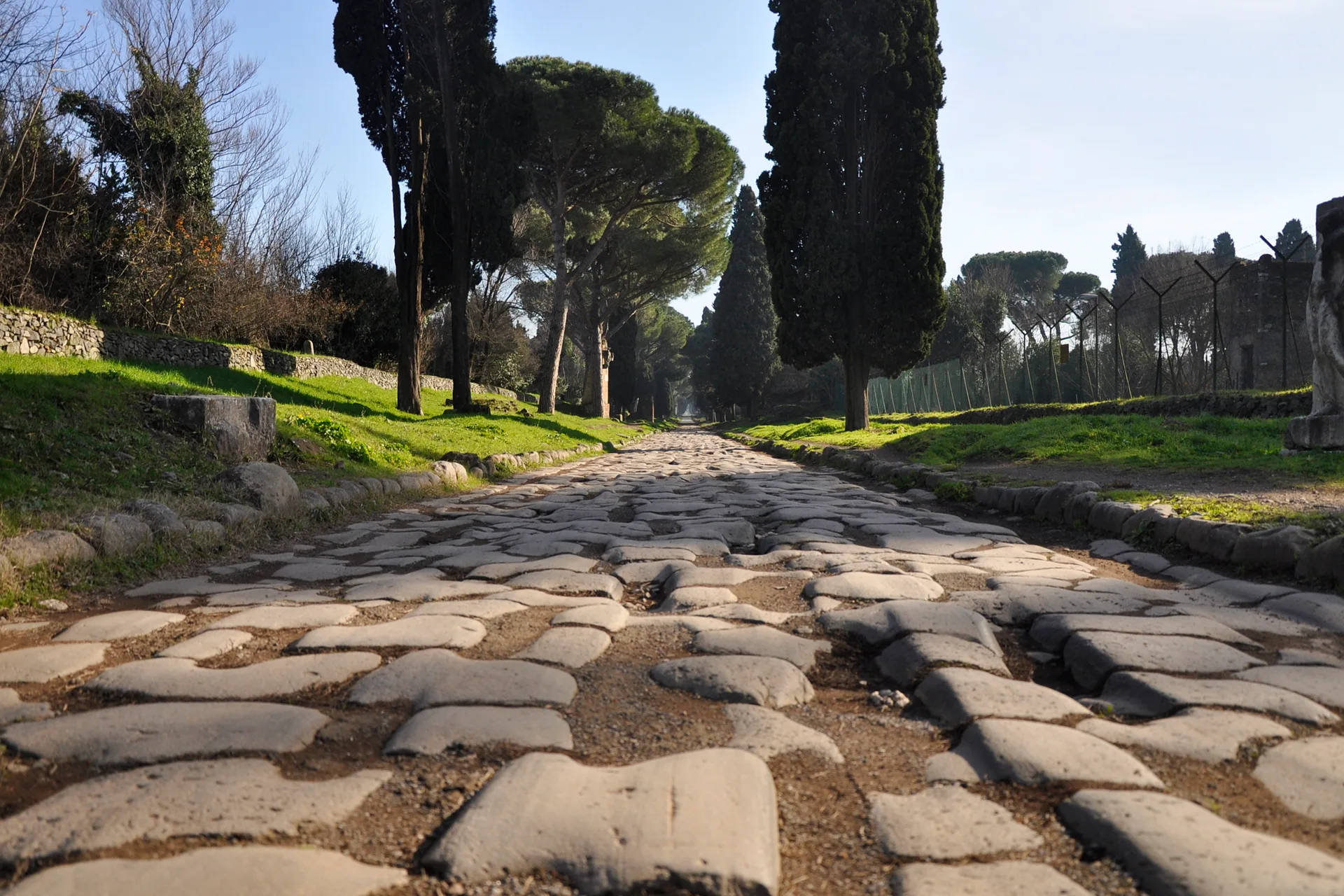
Today the road and the land around it are protected as the Appia Antica Regional Park, a genuinely rare thing in a European capital — nearly 4,600 hectares of protected countryside, umbrella pines, and ancient ruins beginning just a few kilometres from the Colosseum. The best-preserved and most walkable stretch runs from around the Catacombs area southward, where original polygonal basalt paving survives in long sections, worn smooth and rutted by two thousand years of cart wheels.
The park's official bike rental service, based at the Via Appia Antica visitor centre, is the easiest way to cover meaningful distance — walking the full protected stretch on foot is possible but long, while cycling lets you cover several kilometres of tombs, ruins and countryside in a couple of unhurried hours, with a free route map provided at rental.
What to See: Highlights
- 1Original ancient basalt paving stones, still walkable in long sections
- 2The Tomb of Cecilia Metella, later fortified into a medieval castle
- 3Roadside tombs and funerary monuments spanning centuries of Roman burial customs
- 44,600 hectares of protected countryside minutes from the Colosseum
- 5Bike rental with a free route map from the official park visitor centre
- 6Car-free road on Sundays, the best day to walk or cycle
Skip the Queue — Book Tickets Online
Same admission, instant confirmation. Compare prices across platforms.
Affiliate disclosure — we may earn a commission at no extra cost to you.
Insider Tips
Rent a bike at the official park visitor centre to cover meaningful distance in a couple of hours
Visit on a Sunday, when the road closes to cars, for the most pleasant walking or cycling
Combine naturally with the Catacombs of San Callisto or San Sebastiano along the same route
Wear sturdy shoes — original ancient paving is uneven and can be slippery when wet
Bring water and sun protection; shade is limited along open stretches
Book a Guided Tour
Get the most from your visit with a local expert guide.
Affiliate disclosure — we may earn a commission at no extra cost to you.
Getting There
Via Appia Antica, 42 (visitor centre / bike rental), 00179 Roma RM
Open in Google Maps →- 1Metro B to Colosseo or Circo Massimo, then bus 118 (direction Via Appia Antica) to the visitor centre stop. On Sundays the road closes to cars, making it especially pleasant to walk or cycle.
Where to stay
Hotels in Rome
Compare prices across hundreds of hotels near this attraction — from budget hostels to luxury stays. Free cancellation on most rooms.
Affiliate disclosure — we may earn a commission at no extra cost to you. Powered by Booking.com.
Frequently Asked Questions
Everything you need to know before you visit.
Is Appian Way (Via Appia Antica) worth visiting?+−
How long does a visit to Appian Way (Via Appia Antica) take?+−
Who is Appian Way (Via Appia Antica) best for?+−
Do I need to book anything in advance to visit Appian Way (Via Appia Antica)?+−
Is Appian Way (Via Appia Antica) included with the Rome city pass?+−
Should You Visit?
Visit if...
- You want to walk or cycle on genuine 2,000-year-old Roman road paving
- You're combining a visit with the nearby catacombs
- You'd welcome a green, quieter counterpoint to central Rome's crowds
- You have at least half a day free to make the trip worthwhile
Skip if...
- You have only a day or two in Rome and haven't yet covered the essential centre
- You're not comfortable with an outdoor excursion requiring transit time
- Cycling or long walks aren't practical for your group
Ready to Book Your Visit?
More to See in Rome
Catacombs of San Callisto
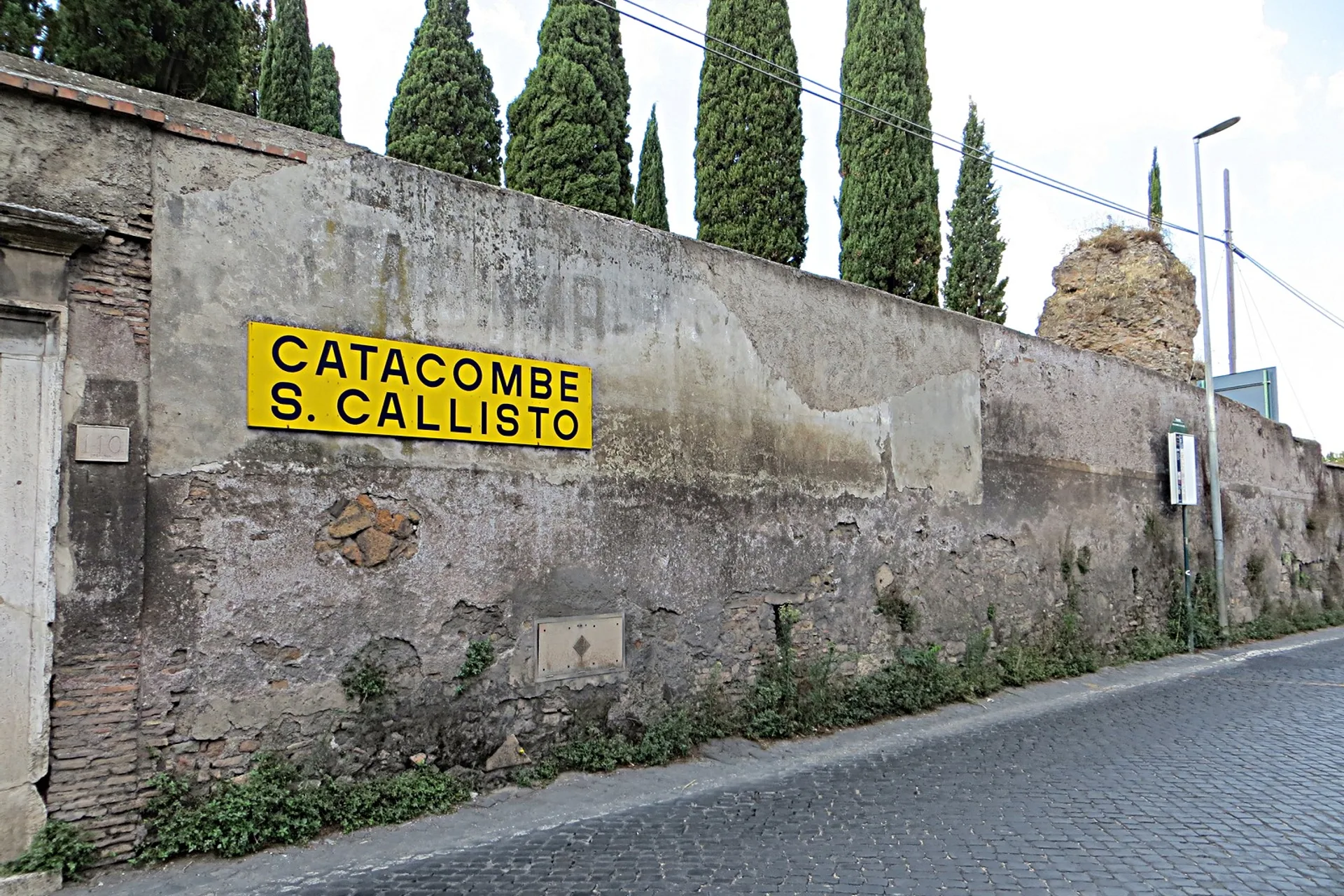
The largest and most important of Rome's Christian catacombs, burial place of numerous early popes — visited only by mandatory guided tour, roughly 20 kilometres of tunnels carved into soft volcanic rock.
Catacombs of San Sebastiano
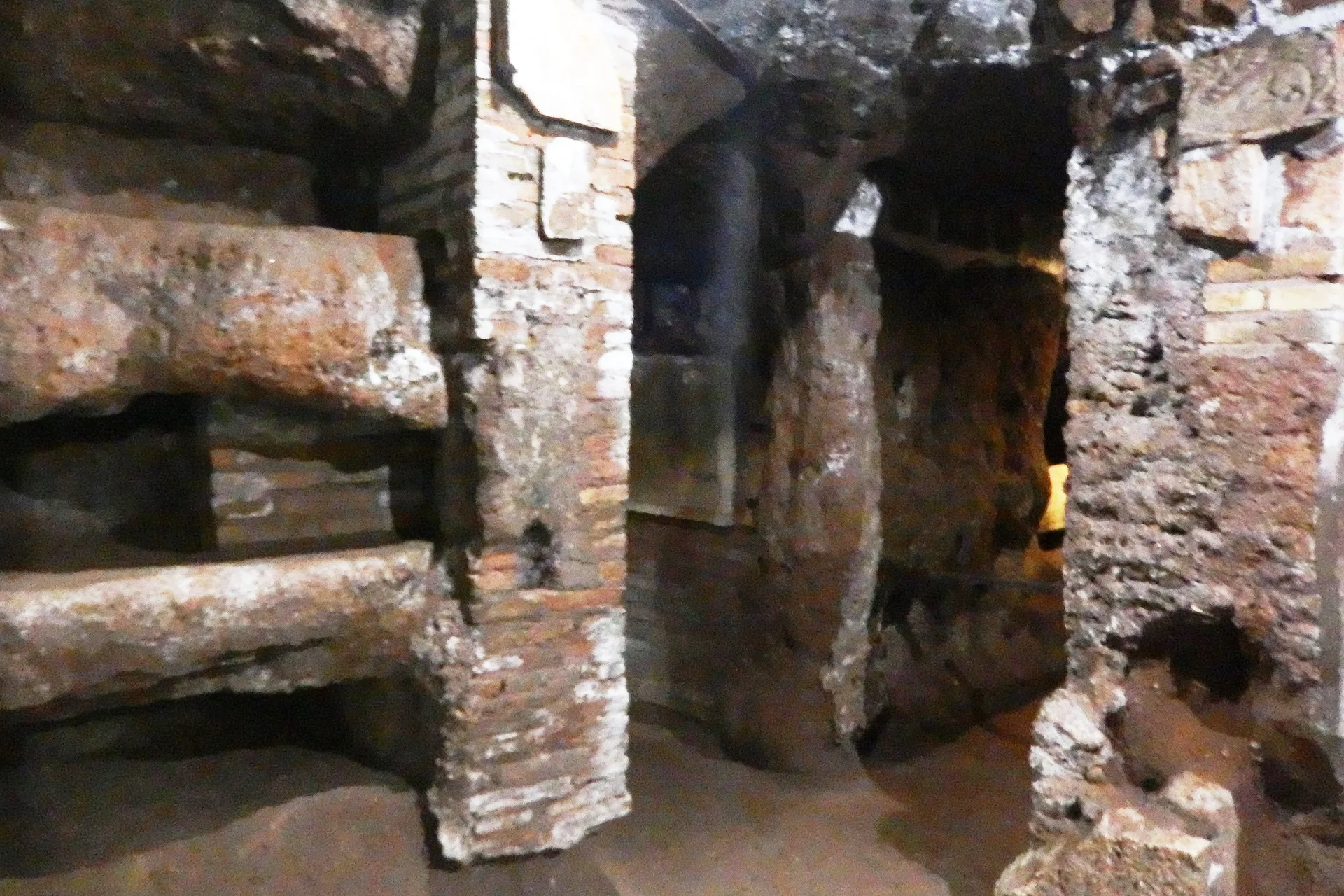
The only Roman catacombs to keep their name continuously since antiquity — four levels of tunnels beneath a basilica said to have briefly sheltered the remains of Saints Peter and Paul.
Baths of Caracalla
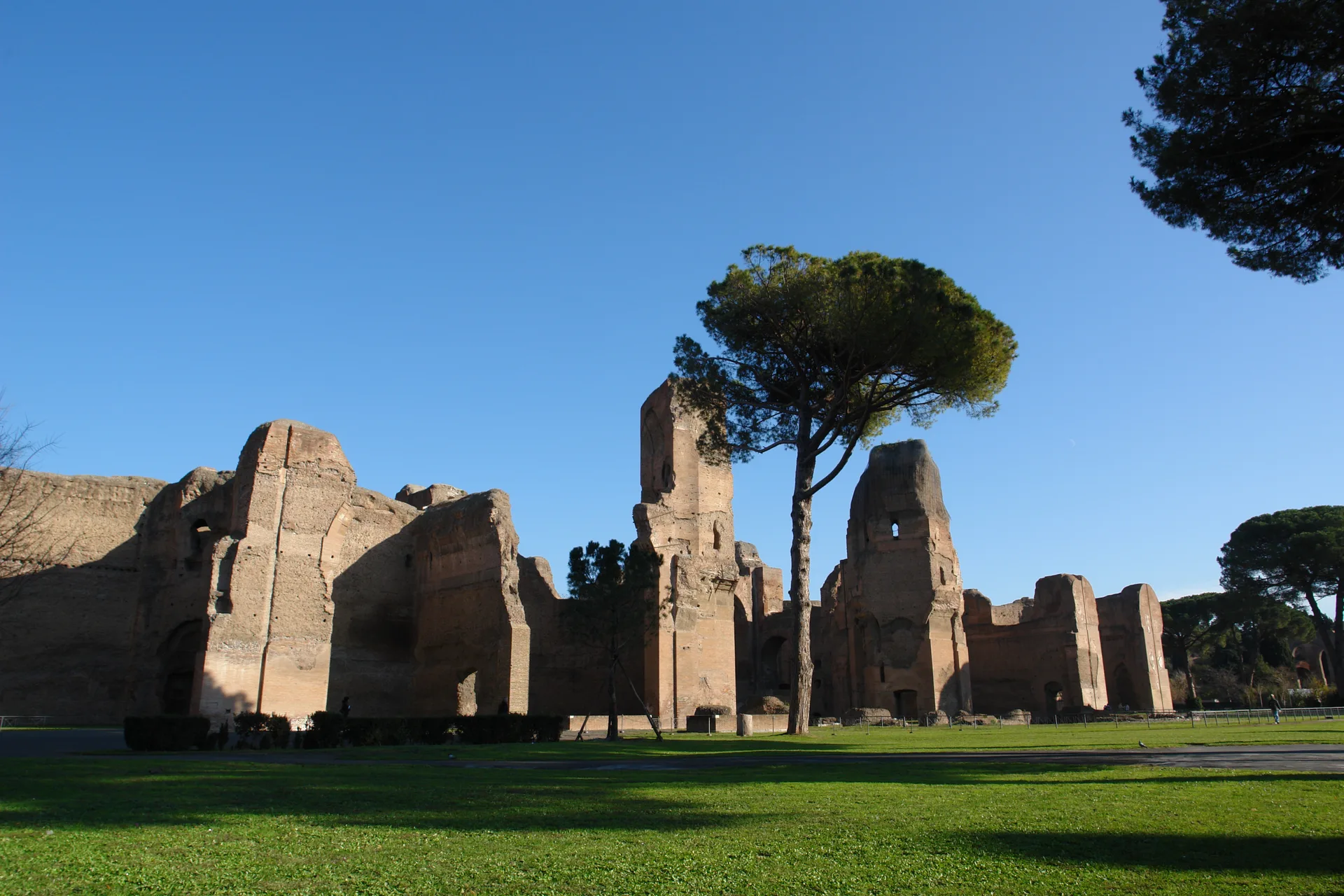
The best-preserved of ancient Rome's giant public bath complexes — soaring brick ruins that once held a library, gymnasiums and pools for up to 8,000 daily bathers, still used today as an opera stage in summer.