
Best for
History and early Christianity enthusiasts, anyone exploring the Appian Way area
Time needed
1–1.5 hours including the guided tour
Worth it?
Yes — one of the most significant early Christian sites anywhere
Skip if
You're claustrophobic or visiting on a Wednesday, when it's closed
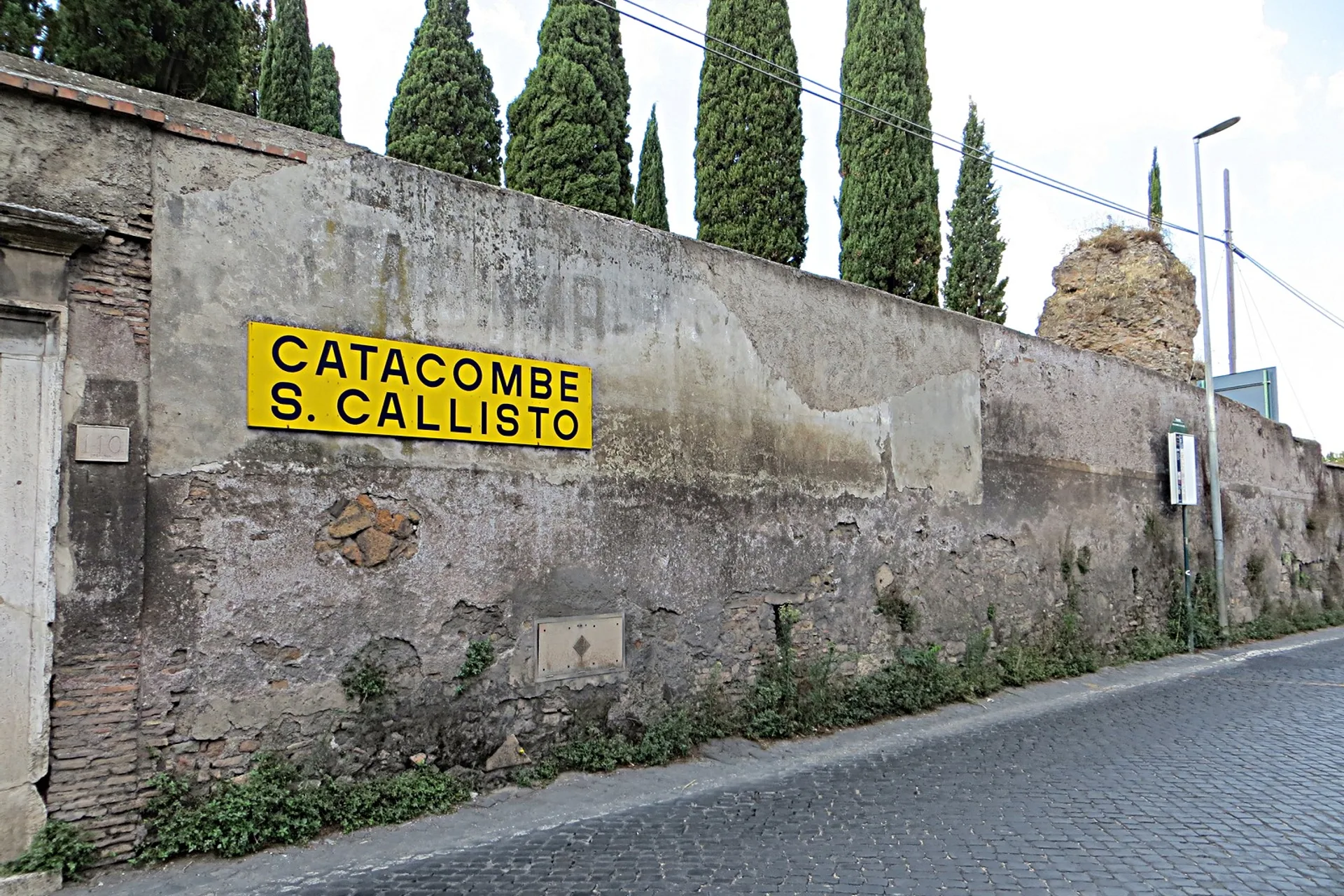
About Catacombs of San Callisto
The Catacombs of San Callisto were established in the early 3rd century as the first official cemetery of the Christian community of Rome, administered directly by the Church rather than by individual families, and named for the deacon (later Pope Callixtus I) who managed it. Over subsequent centuries, the network grew to roughly 20 kilometres of tunnels across four levels, some reaching 20 metres underground, eventually holding an estimated half a million burials.
Its most historically significant section is the Crypt of the Popes, where nine 3rd-century popes and eight bishops were buried in a single chamber — an extraordinary concentration of early Church leadership in one small underground room, and a major site of pilgrimage even in antiquity. Nearby, the Crypt of Saint Cecilia marks where the body of the martyred patron saint of music was originally interred before being moved to the Trastevere church that bears her name.
Read the full storyShow less
The catacombs also preserve some of the earliest surviving Christian art anywhere: faded but legible frescoes of the Good Shepherd, fish symbols (an early coded reference to Christ), and scenes from Jonah's story, painted directly onto the tunnel walls at a time when Christianity was still an illegal, persecuted faith practised partly in secret.
Visits are strictly guided — there is no self-directed exploration option, both for preservation reasons and because the tunnel network is genuinely disorienting without a guide who knows the route. Tours run continuously through the day in multiple languages and last roughly 30–45 minutes; the site closes entirely for a winter maintenance period, typically mid-January to mid-February, so check dates before planning a winter visit.
What to See: Highlights
- 1The Crypt of the Popes, burial place of nine 3rd-century popes
- 2The Crypt of Saint Cecilia
- 3Some of the earliest surviving Christian art, including Good Shepherd frescoes
- 4Roughly 20 kilometres of tunnels across four underground levels
- 5Mandatory guided tour bringing the site's early Christian history to life
Skip the Queue — Book Tickets Online
Same admission, instant confirmation. Compare prices across platforms.
Affiliate disclosure — we may earn a commission at no extra cost to you.
Insider Tips
Visits are guided-only — you cannot explore independently, and that's a feature, not a limitation
Closed every Wednesday and during a winter maintenance closure — check current dates before visiting
Wear a light jacket even in summer; the underground tunnels stay cool year-round
Combine with a walk or bike ride along the nearby Appian Way
Tours run in multiple languages — confirm your language slot when booking
Book a Guided Tour
Get the most from your visit with a local expert guide.
Affiliate disclosure — we may earn a commission at no extra cost to you.
Getting There
Via Appia Antica, 110/126, 00179 Roma RM
Open in Google Maps →- 1Metro B to Colosseo or Circo Massimo, then bus 118 (direction Via Appia Antica) to the Catacombe di San Callisto stop.
Where to stay
Hotels in Rome
Compare prices across hundreds of hotels near this attraction — from budget hostels to luxury stays. Free cancellation on most rooms.
Affiliate disclosure — we may earn a commission at no extra cost to you. Powered by Booking.com.
Frequently Asked Questions
Everything you need to know before you visit.
Is Catacombs of San Callisto worth visiting?+−
How long does a visit to Catacombs of San Callisto take?+−
Who is Catacombs of San Callisto best for?+−
Do I need to book tickets in advance for Catacombs of San Callisto?+−
Is Catacombs of San Callisto included with the Rome city pass?+−
Should You Visit?
Visit if...
- You want to see where early popes and Christians were buried
- You're combining a visit with the Appian Way or Catacombs of San Sebastiano
- You appreciate some of the earliest surviving Christian art
- You don't mind confined underground spaces
Skip if...
- You're claustrophobic or uncomfortable in tight underground spaces
- You're visiting on a Wednesday or during the winter maintenance closure
- You're not planning to be in the Appian Way area, which is well outside the historic centre
Ready to Book Your Visit?
More to See in Rome
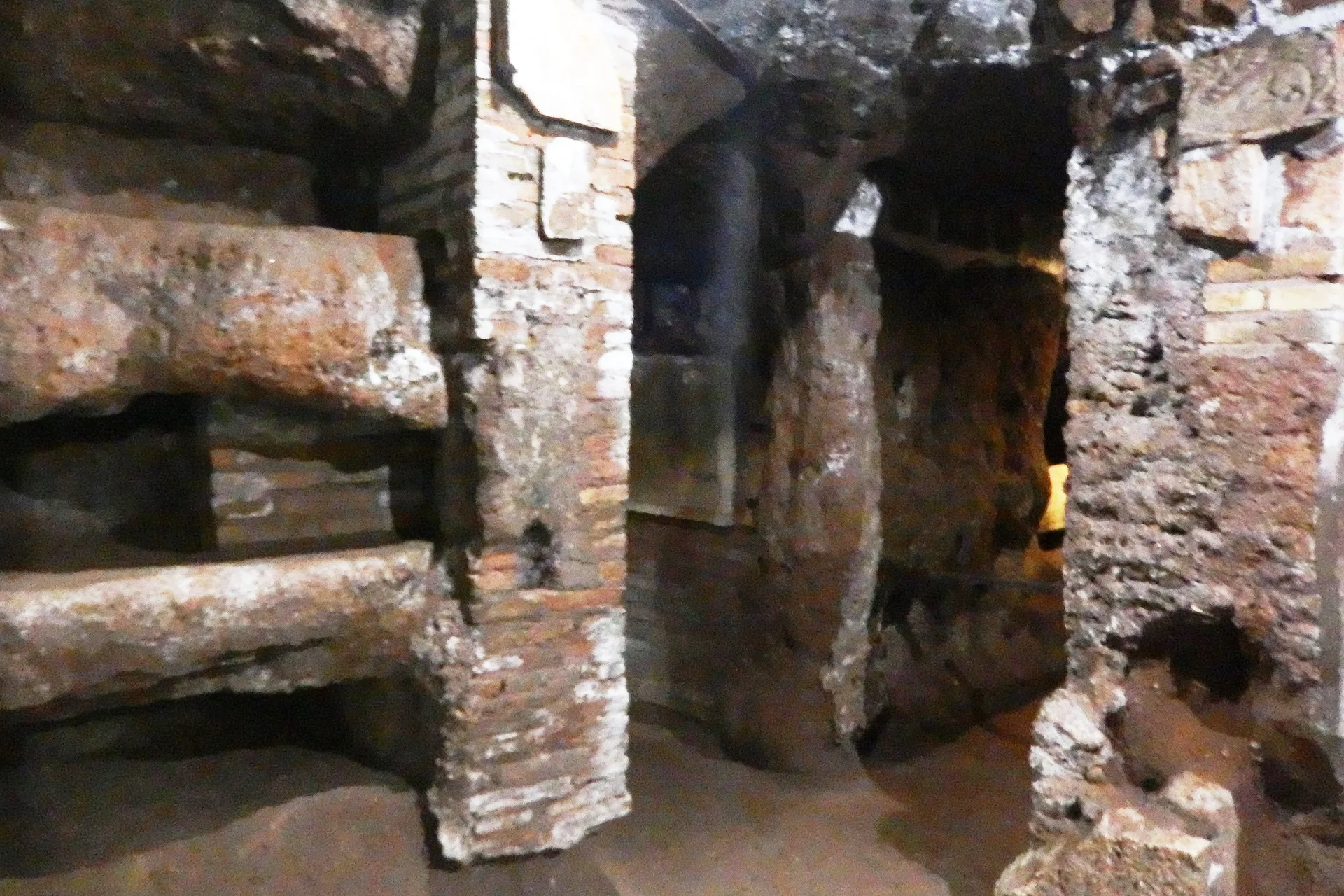
Catacombs of San Sebastiano
The only Roman catacombs to keep their name continuously since antiquity — four levels of tunnels beneath a basilica said to have briefly sheltered the remains of Saints Peter and Paul.
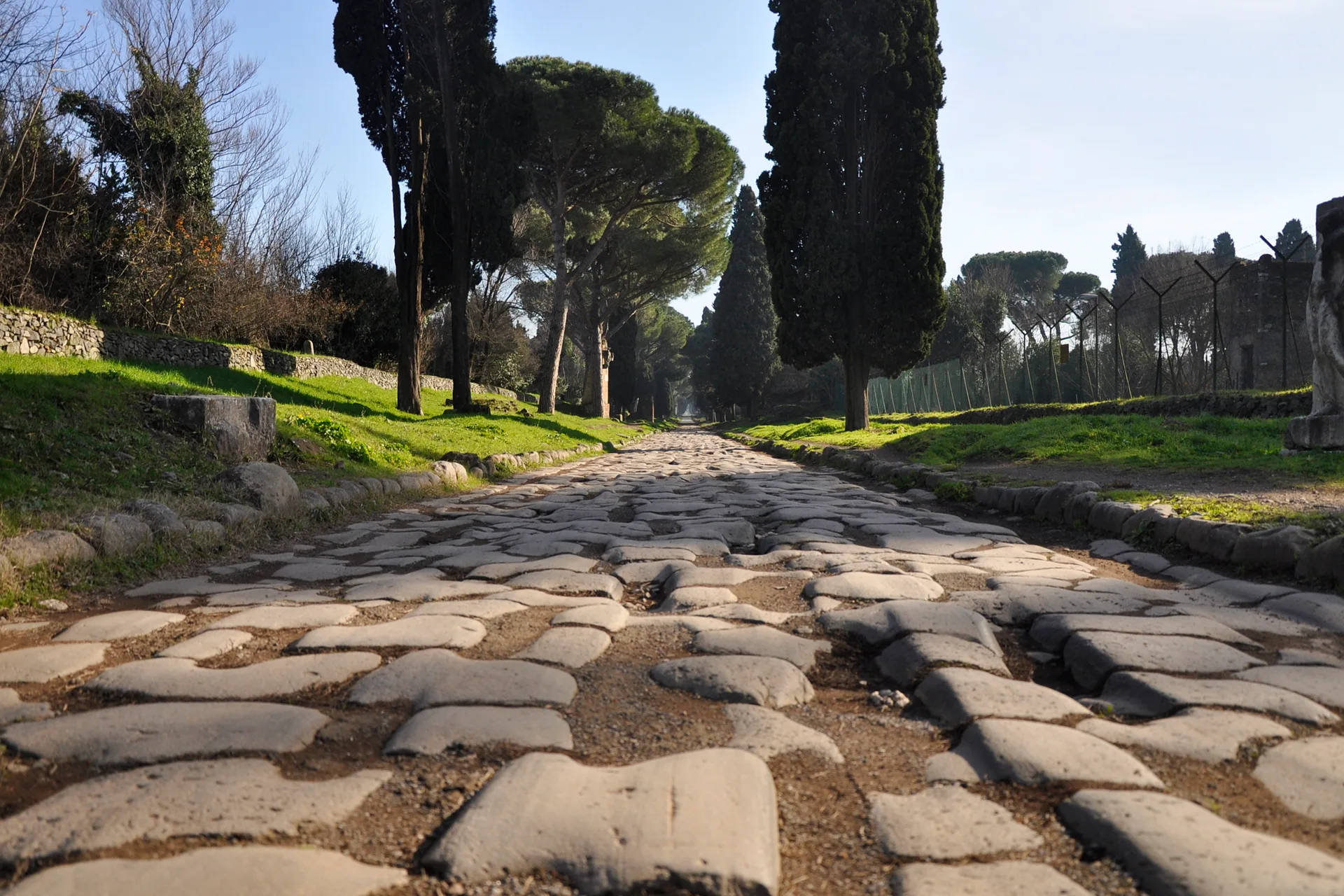
Appian Way (Via Appia Antica)
The 'Queen of Roads,' Rome's oldest and most strategically important highway, now a protected regional park where you can walk or cycle on the same basalt paving stones legionaries marched on 2,300 years ago.
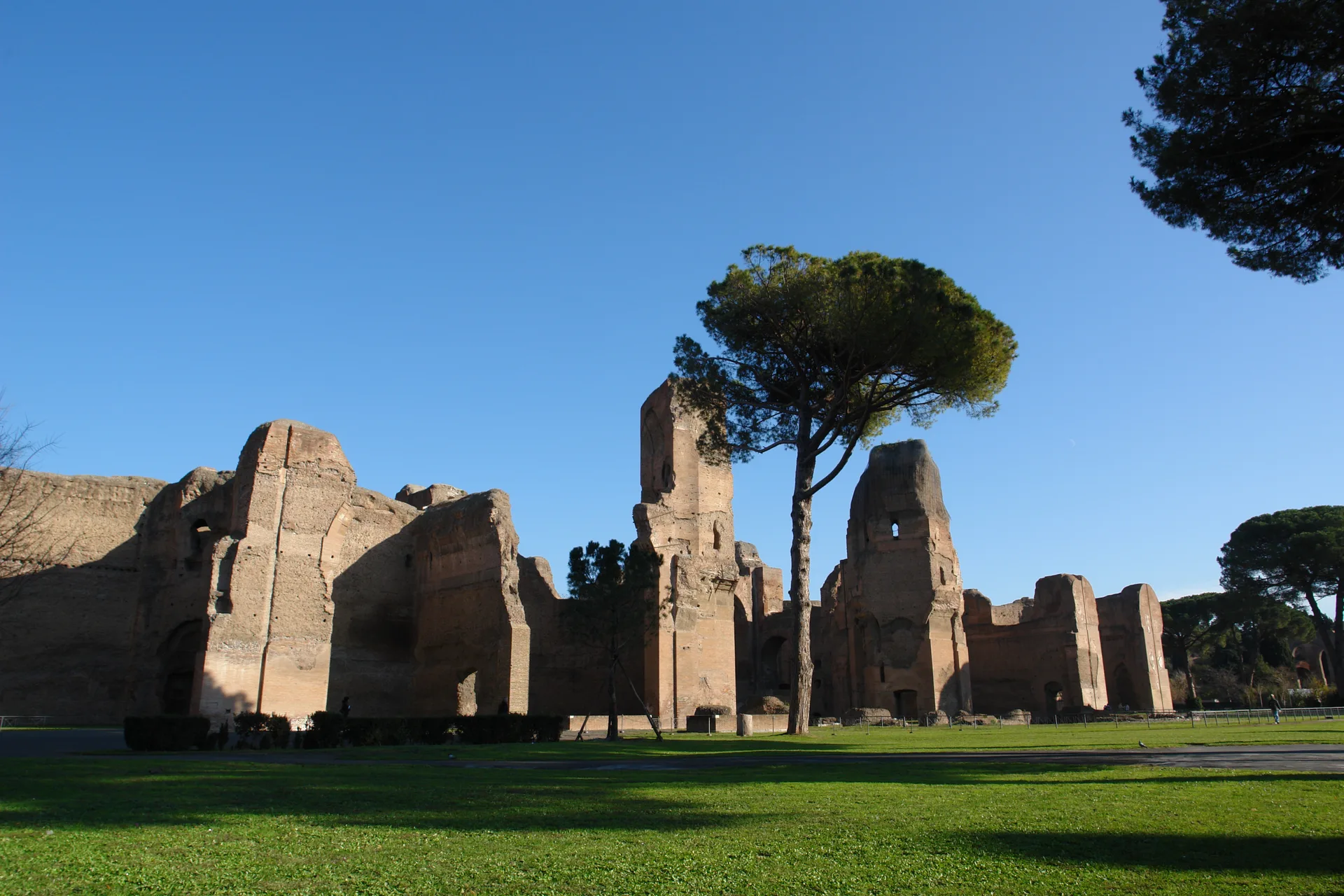
Baths of Caracalla
The best-preserved of ancient Rome's giant public bath complexes — soaring brick ruins that once held a library, gymnasiums and pools for up to 8,000 daily bathers, still used today as an opera stage in summer.