
Best for
Literature enthusiasts, Keats and Shelley fans, anyone at the Spanish Steps with 30 minutes free
Time needed
30–45 minutes
Worth it?
Yes for its target audience — a small but genuinely moving museum
Skip if
You're visiting on a Sunday, or literary history isn't a particular interest
About Keats-Shelley House
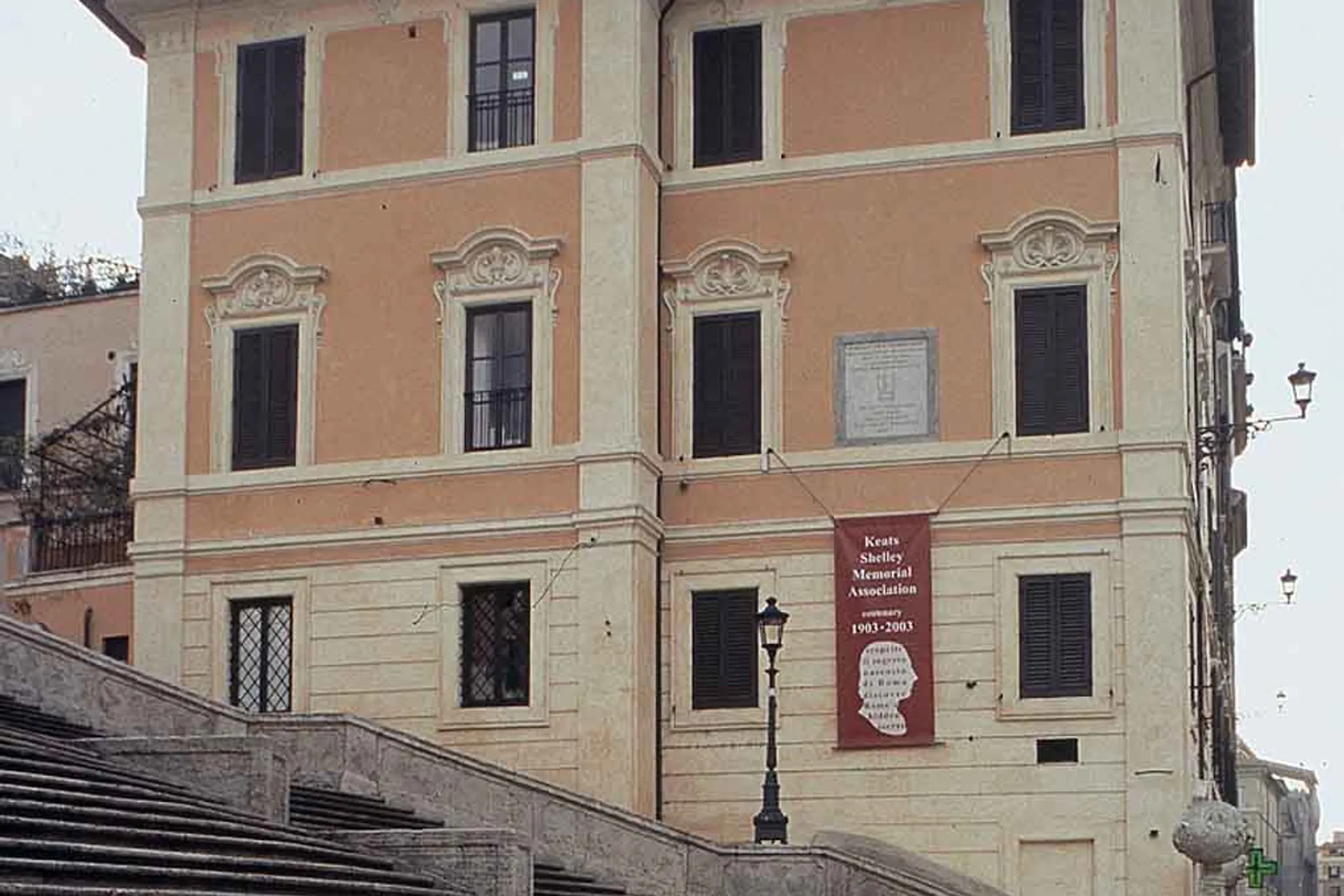
John Keats arrived in Rome in November 1820, already gravely ill with tuberculosis, hoping the milder Italian climate might improve his condition. It didn't: he died in this small rented room overlooking the Spanish Steps on 23 February 1821, at just 25 years old, having produced in his short life a body of poetry — Ode to a Nightingale, Ode on a Grecian Urn, To Autumn — that would go on to secure his reputation as one of the greatest English Romantic poets, recognition that arrived only after his death.
The house was preserved and opened as a memorial museum in 1909, funded by an international group of admirers including Henry James, and it now holds one of the world's most significant collections of Romantic-era manuscripts, letters, portraits and personal artefacts relating not just to Keats but to Percy Bysshe Shelley, Lord Byron, and their wider circle — including a lock of Keats's hair, death masks of both Keats and Shelley, and Shelley's own copy of Sophocles, recovered from his body after he drowned off the Italian coast in 1822.
Read the full storyShow less
The room in which Keats actually died was later gutted and had to be reconstructed, since the original furnishings were burned by Italian authorities after his death — a standard, brutal public-health practice at the time for anyone who died of tuberculosis, regardless of their later fame — meaning the room visitors see today is a careful, evidence-based recreation rather than an untouched original space.
The museum sits directly beside the base of the Spanish Steps, in the heart of the neighbourhood that housed generations of foreign artists and writers on the Grand Tour, and the adjoining Non-Catholic Cemetery near the Pyramid of Cestius, where both Keats and Shelley are buried, makes a natural, if slightly more distant, pilgrimage extension for visitors moved by the museum itself.
What to See: Highlights
- 1The room, carefully reconstructed, where John Keats died in 1821
- 2Death masks of both Keats and Shelley
- 3Shelley's copy of Sophocles, recovered after his drowning
- 4One of the world's most significant Romantic-era manuscript and letter collections
- 5A location directly beside the Spanish Steps, in the heart of the old Grand Tour district
Insider Tips
Closed Sundays — check opening days before planning your visit
A small, focused museum — 30–45 minutes is enough for most visitors
Combine directly with the Spanish Steps, right outside the door
Consider extending the visit to the Non-Catholic Cemetery near the Pyramid of Cestius, where both poets are buried
A rewarding stop specifically for literature and Romantic poetry enthusiasts
Getting There
Piazza di Spagna, 26, 00187 Roma RM
Open in Google Maps →- 1Metro A to Spagna, exiting directly at the base of the Spanish Steps.
Where to stay
Hotels in Rome
Compare prices across hundreds of hotels near this attraction — from budget hostels to luxury stays. Free cancellation on most rooms.
Affiliate disclosure — we may earn a commission at no extra cost to you. Powered by Booking.com.
Frequently Asked Questions
Everything you need to know before you visit.
Is Keats-Shelley House worth visiting?+−
How long does a visit to Keats-Shelley House take?+−
Who is Keats-Shelley House best for?+−
Do I need to book tickets in advance for Keats-Shelley House?+−
Is Keats-Shelley House included with the Rome city pass?+−
Should You Visit?
Visit if...
- You're a fan of Keats, Shelley, or English Romantic poetry generally
- You're at the Spanish Steps with 30 minutes to spare
- You appreciate small, focused literary museums over large institutions
- You want context on Rome's role in the 19th-century Grand Tour
Skip if...
- You're visiting on a Sunday, when the museum is closed
- Romantic poetry and literary history aren't of specific interest
- You're extremely tight on time at the Spanish Steps and have bigger priorities
More to See in Rome
Trevi Fountain
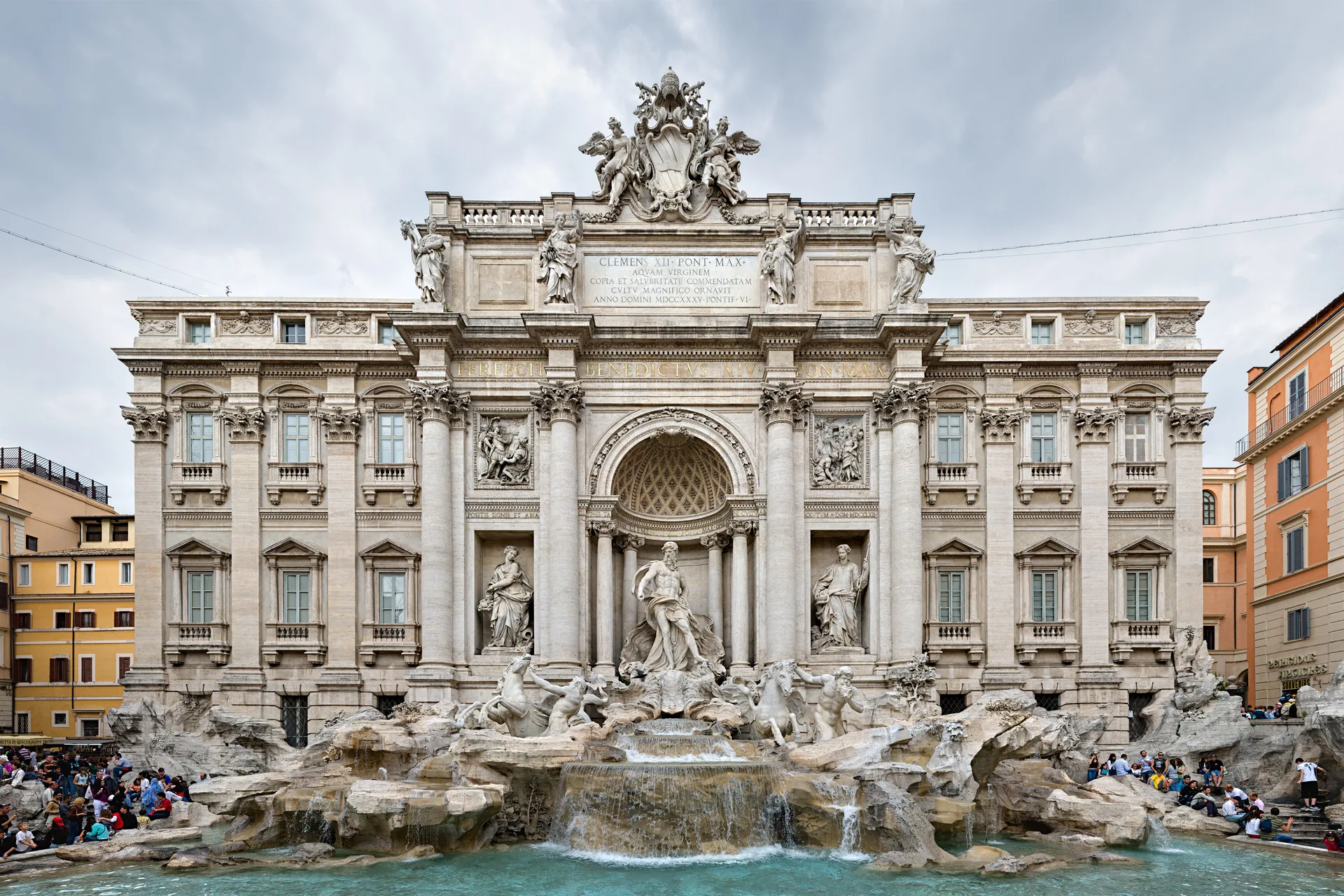
Rome's largest and most theatrical Baroque fountain, where the tradition of throwing a coin over your shoulder to guarantee a return trip began — free to view, small fee to reach the closest railing.
Spanish Steps
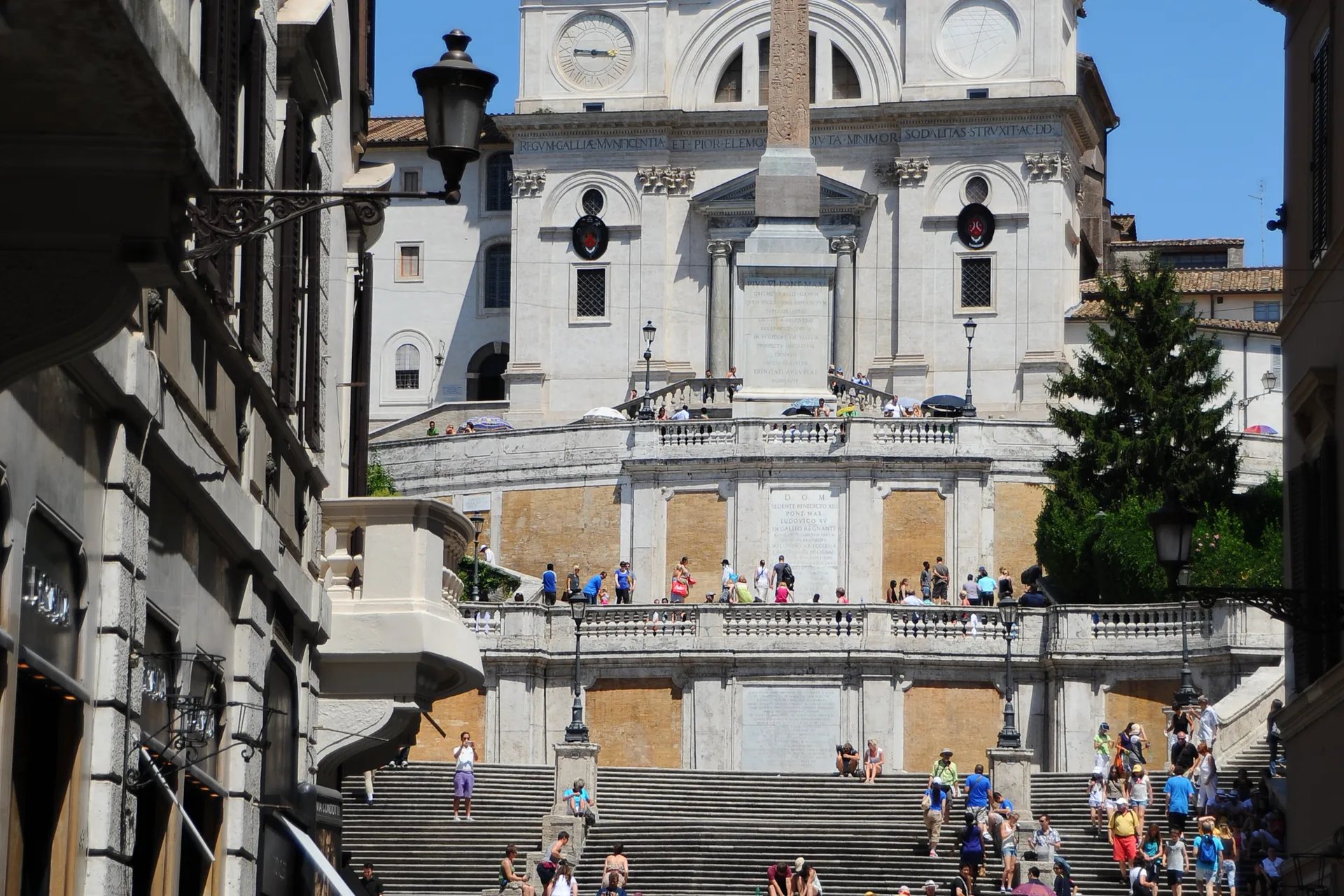
Europe's longest and widest outdoor staircase, connecting a French-funded piazza to a French church, named for a Spanish embassy — 135 steps of pure 18th-century Roman theatre.
Piazza del Popolo
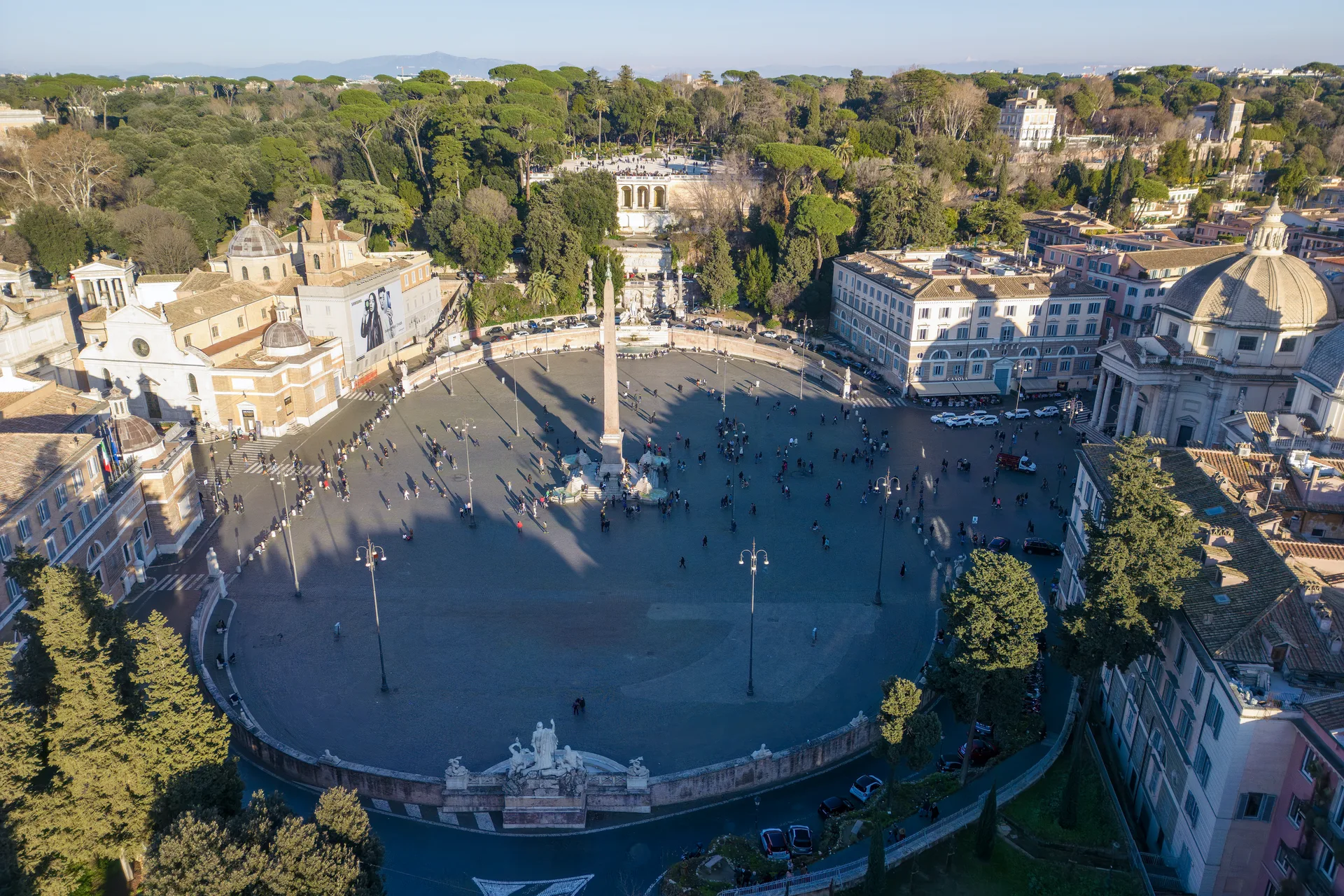
A vast neoclassical piazza at Rome's northern gate, marking the start of the ancient Via Flaminia — an Egyptian obelisk, twin Baroque churches, and one of the best free sunset viewpoints in the city just above it.