
Most visitors to Málaga come for the Alcazaba, the Picasso Museum, and the beach — all of which are worth your time. But the city has a second layer that most tourists walk straight past. The Teatro Romano sits directly below the Alcazaba entrance, largely ignored; the Soho street art district is a 10-minute walk from the old town; and the Museo Aeronáutico — one of Spain's best aviation collections — is completely free and sits next to the airport runway, yet barely gets mentioned in mainstream guides.
The Jardín Botánico La Concepción is perhaps the most overlooked attraction in the entire Costa del Sol — a 19th-century tropical garden with a palm collection that rival botanical gardens charge €20 to see, 4 km north of the city on a hillside overlooking the coast. It is almost entirely absent from tourist itineraries despite being genuinely spectacular.
None of these require much planning or deviation from a standard Málaga trip. The Teatro Romano is on your way to the Alcazaba. The Hammam is in the old town. Soho is a short walk from the cathedral. The Jardín Botánico is 20 minutes by taxi. The airport museum is only worth the trip if you are already near the airport, but for families with early flights it is a genuinely good option.
Málaga's Most Unusual Attractions
Hidden gems and offbeat experiences most visitors miss
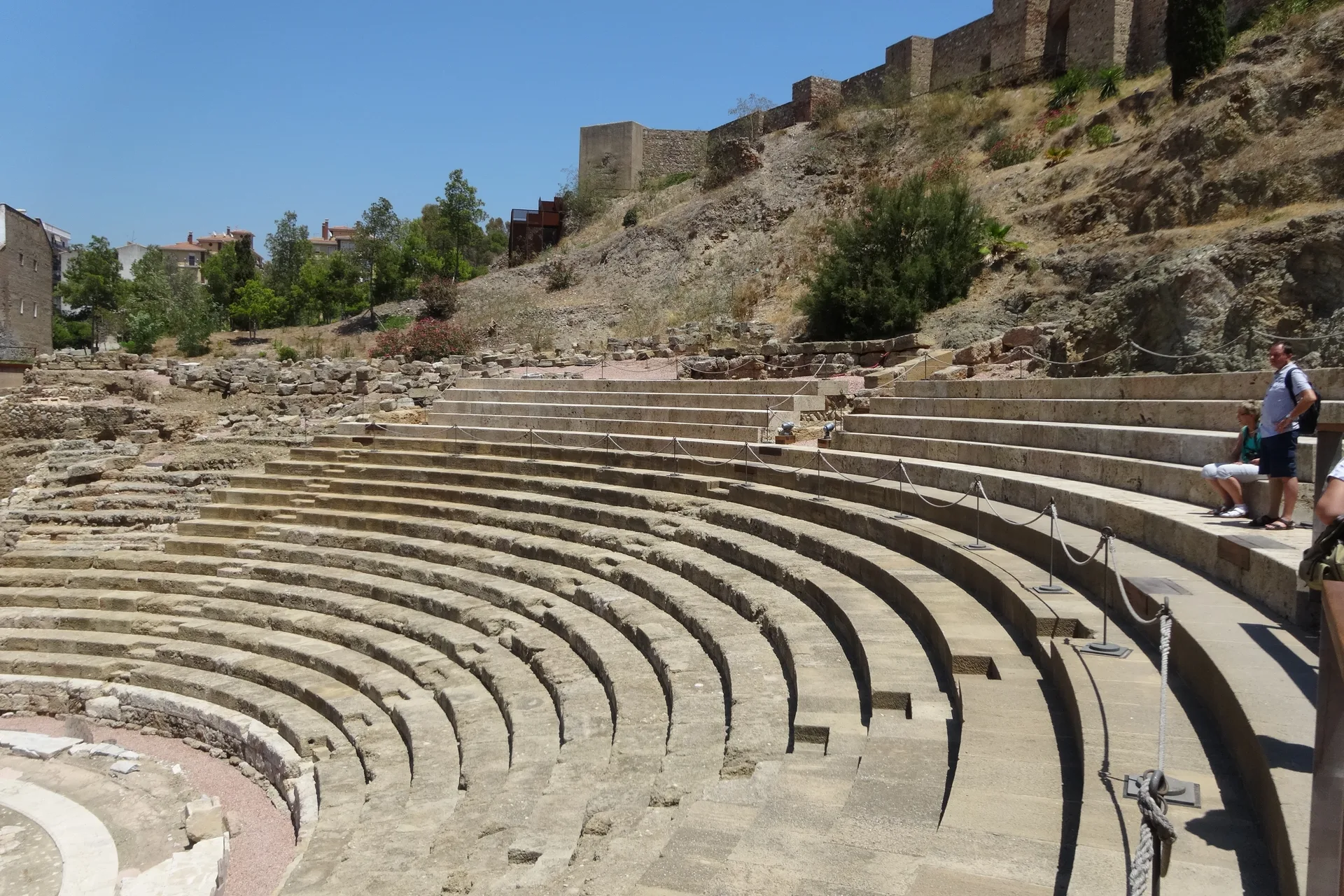
Teatro Romano
A remarkably well-preserved 1st-century BC Roman theatre at the foot of the Alcazaba — free to visit, with an excellent interpretation centre explaining Málaga's 2,000-year history.
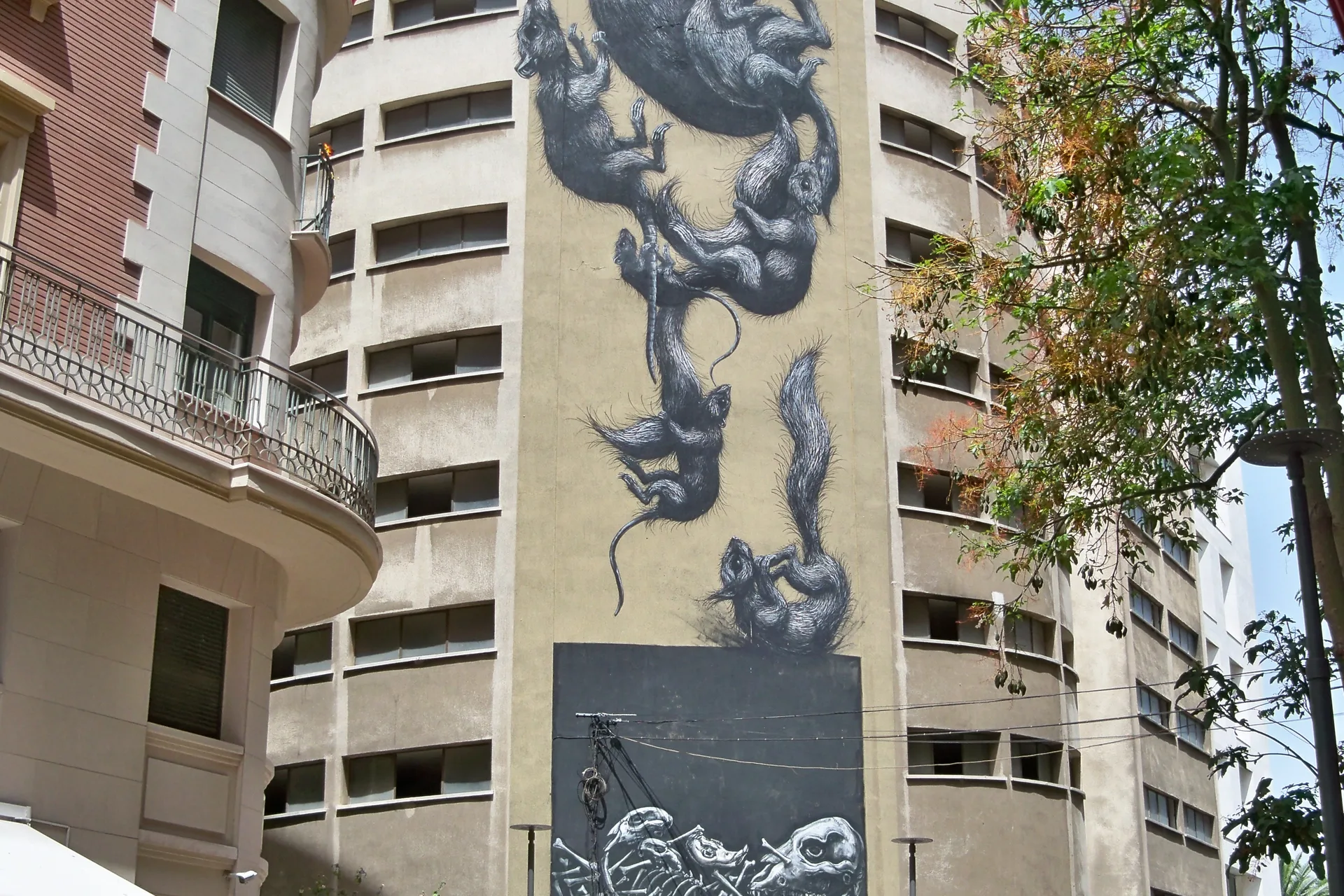
Soho Street Art District
Málaga's urban art neighbourhood — a formerly run-down district south of the Alameda transformed into an open-air gallery of large-scale murals by international and Spanish street artists.
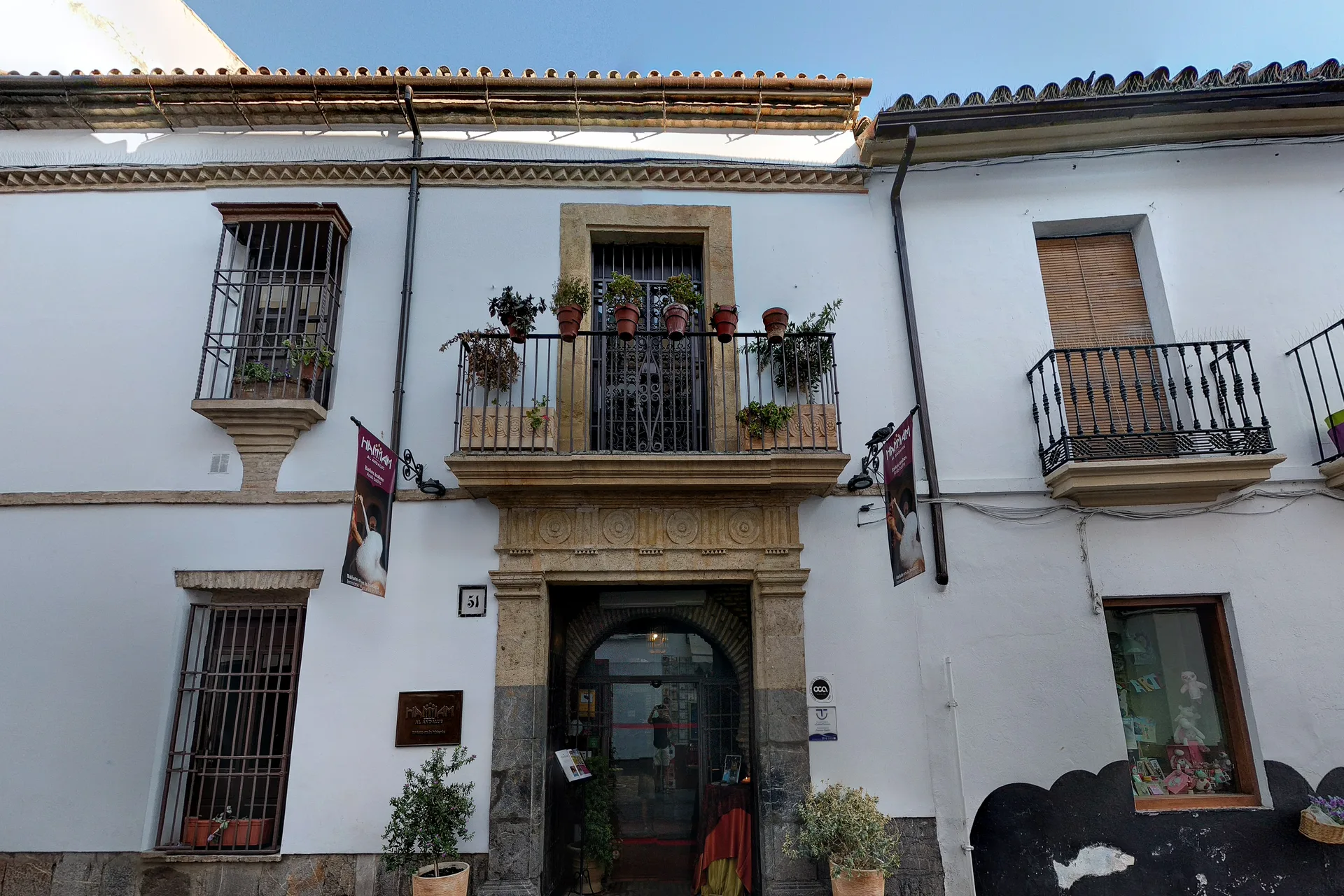
Hammam Al Ándalus Málaga
A beautifully designed Arab bath house in the heart of Málaga's old town — hot and cold pools, steam rooms, and optional massage in a candlelit setting inspired by the city's Moorish heritage.
Overrated Things in Málaga (Honest Take)
- →Calle Larios: Málaga's famous pedestrian street is perfectly pleasant but functionally identical to any other Spanish high street. Worth walking through, but not a destination.
- →Most "flamenco dinner shows": Tourist-packaged versions for cruise passengers. If you want flamenco, look for a local peña flamenca instead.
- →The Pompidou at full price: The collection is interesting but small. Buy tickets in advance and go on a Tuesday morning when it is quiet — or skip if you have limited time.
More Offbeat Things to Do in Málaga
Day trips and lesser-known alternatives
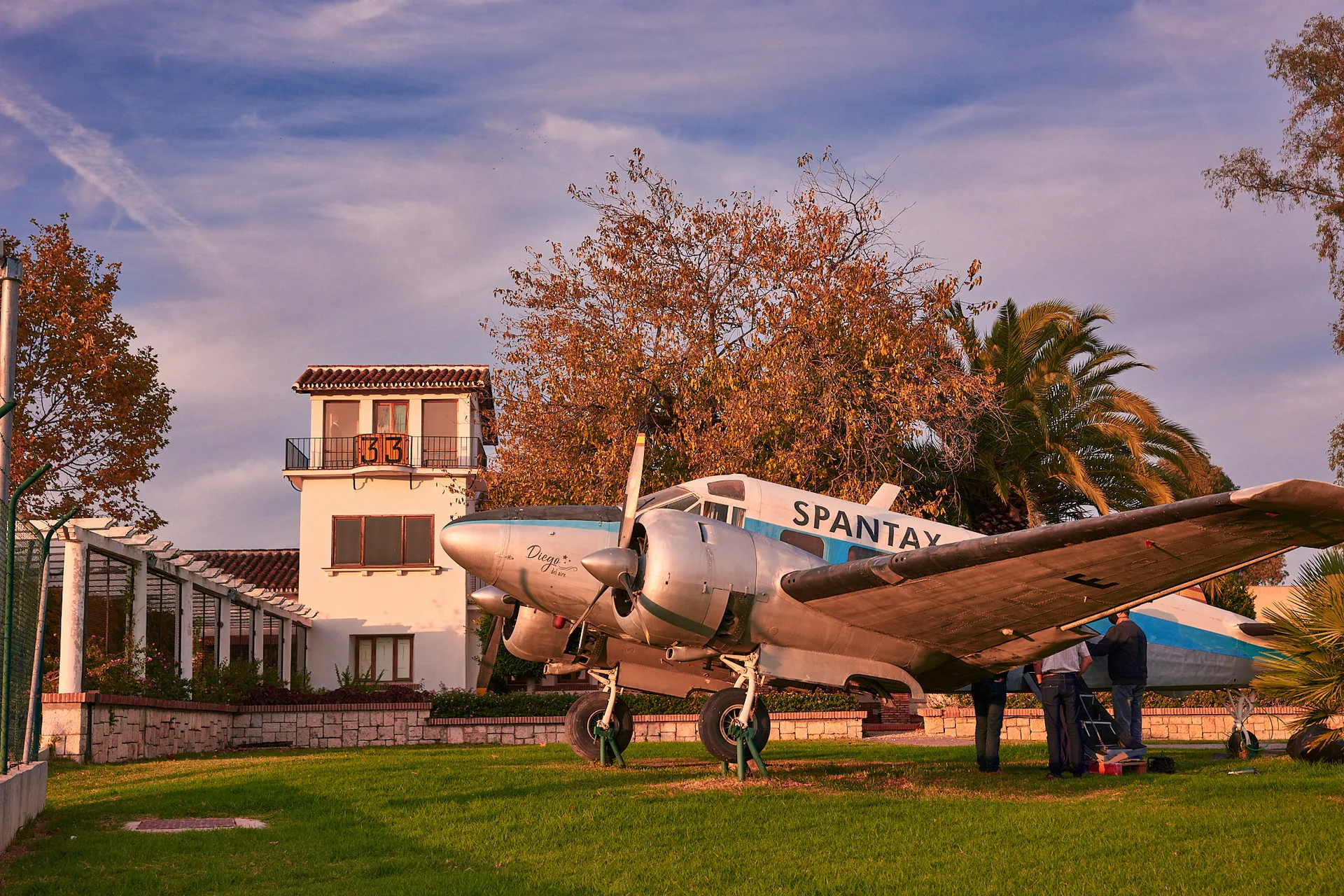
Museo Aeronáutico de Málaga
A specialist aviation museum near Málaga Airport — restored aircraft, flight simulators, and the history of Spanish aviation from the 1930s to the present, housed in the original 1948 terminal building.
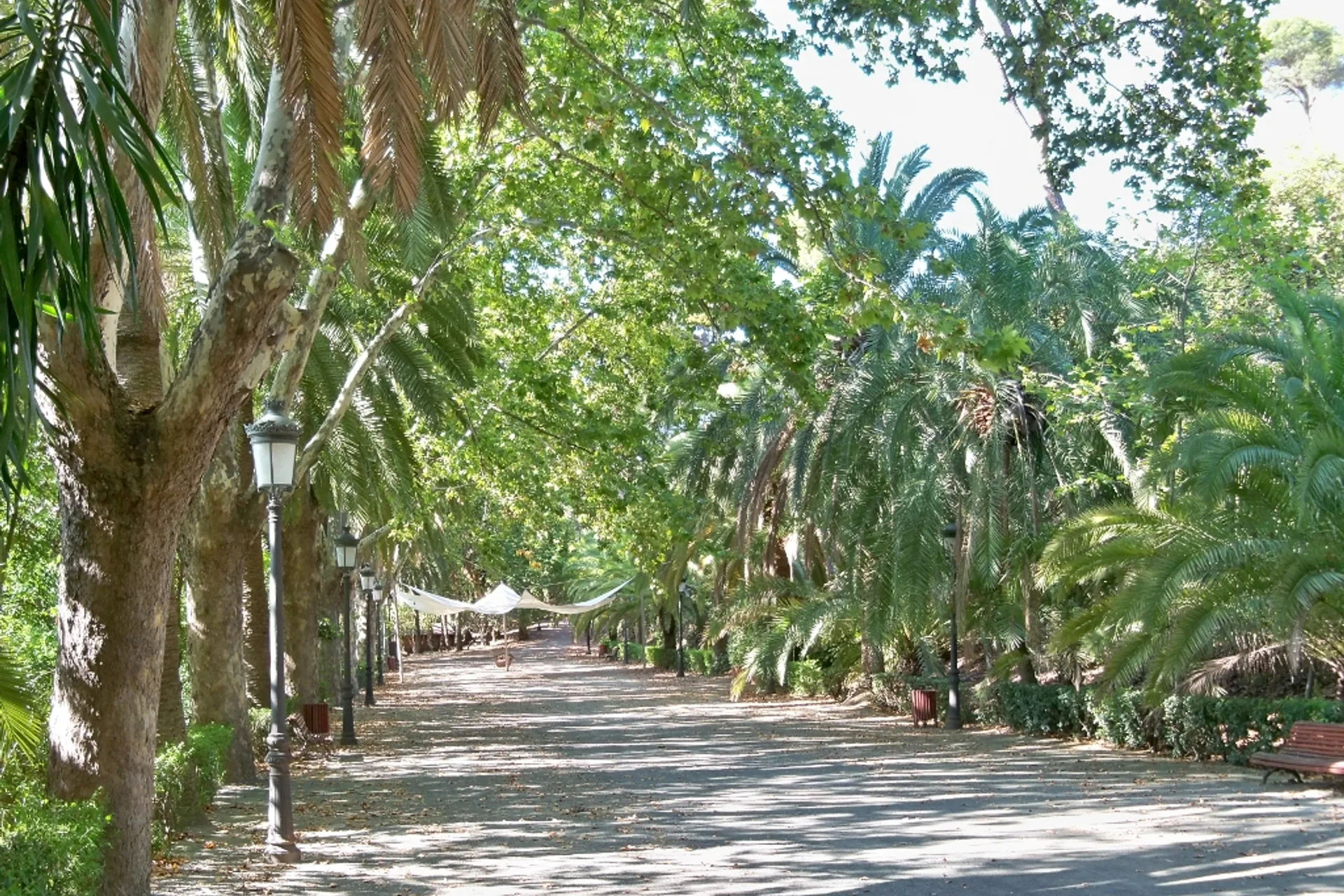
Jardín Botánico-Histórico La Concepción
One of the finest tropical and subtropical botanical gardens in Europe — a 23-hectare paradise of exotic plants, waterfalls, Roman ruins, and 19th-century English landscape design, just 15 minutes north of the city centre.
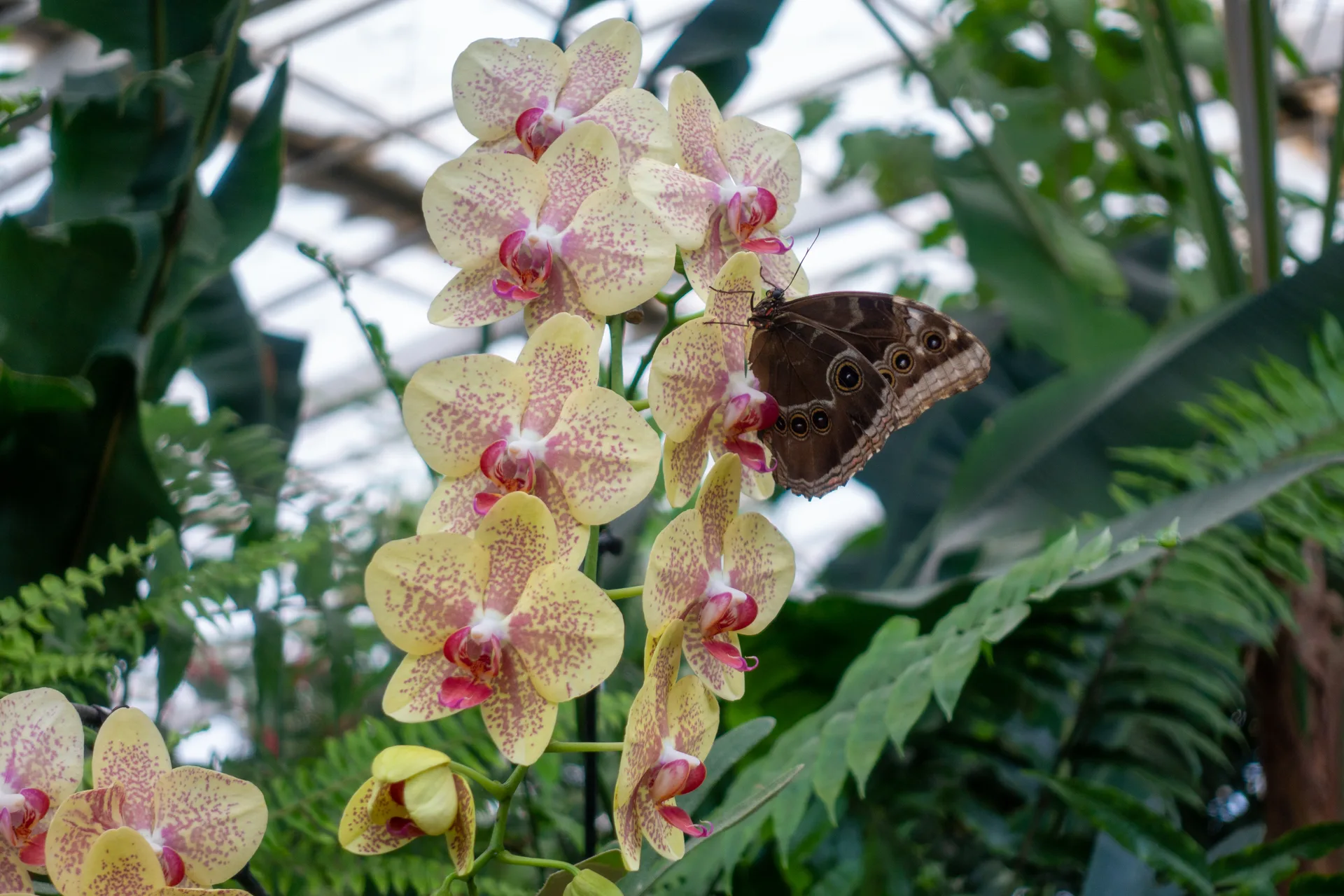
Mariposario de Benalmádena
Europe's largest butterfly park — 1,500+ free-flying butterflies from 150 species fill a vast tropical glasshouse in Benalmádena, 20 minutes west of Málaga. Magical for children and adults alike.
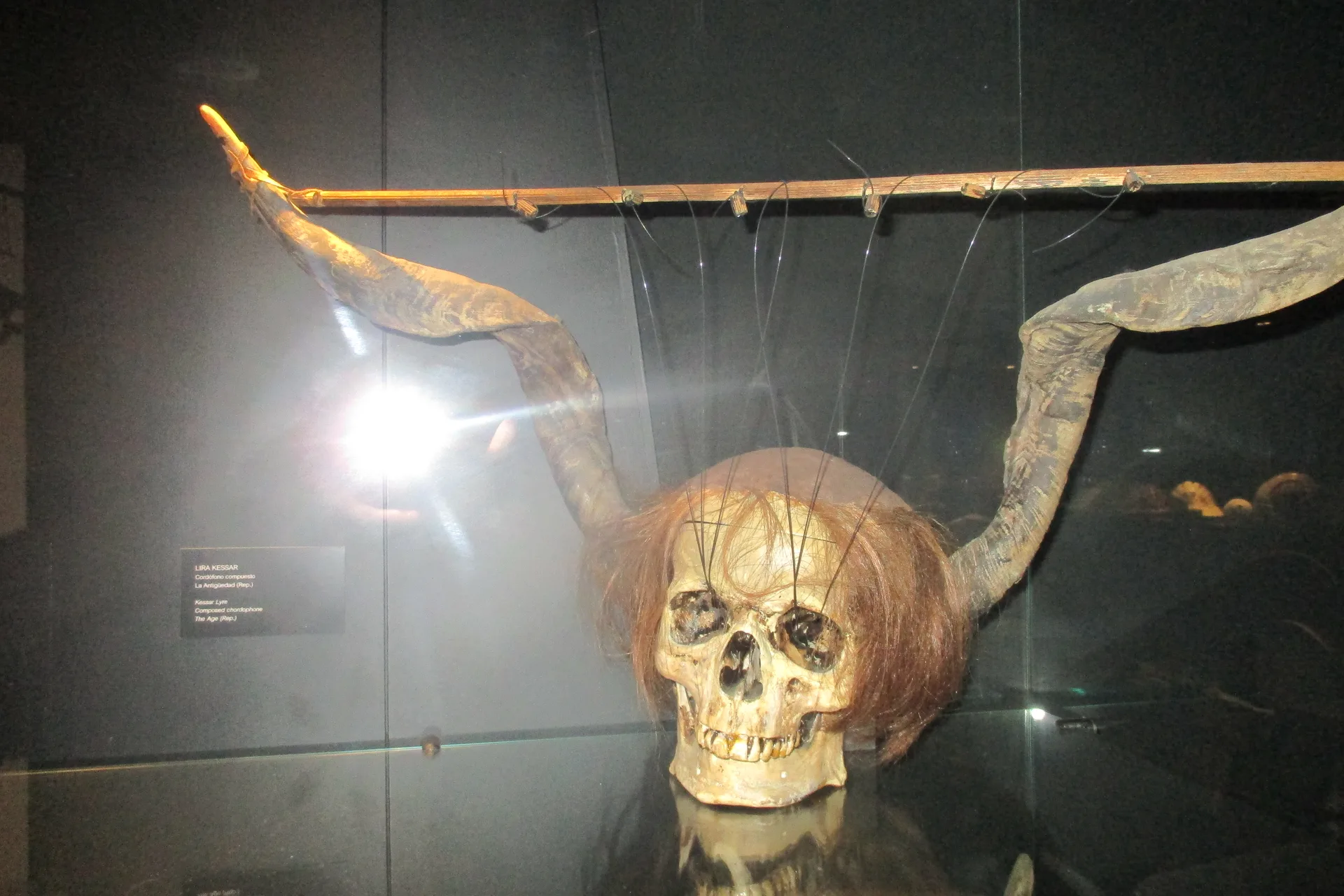
MIMMA — Interactive Music Museum
Málaga's unique interactive music museum — 400+ instruments from every corner of the world, spanning five centuries, all arranged around an extraordinary 16th-century Renaissance courtyard.
Frequently Asked Questions
What are the most unusual things to do in Málaga?
The Teatro Romano is genuinely odd — a 1st-century Roman theatre that was buried under a 1970s government building and only rediscovered during renovation work. The free Museo Aeronáutico beside the airport runway is another standout. The Hammam Al Andalus, an operating Arabic bath house in a 16th-century building, is unusual by any European standard.
Are there any hidden gems in Málaga most tourists miss?
The Jardín Botánico La Concepción is Málaga's best-kept secret — a 19th-century tropical garden in the hills north of the city with an extraordinary palm collection and a neoclassical mansion. Most tourists stay in the city centre and never visit. The Soho art district, a 10-minute walk from the old town, is also underexplored.
Is the Soho street art district in Málaga worth visiting?
Yes — the Málaga Soho neighbourhood has been transformed over the past decade by a major public art programme. The murals are large-scale and high quality, not the throwaway tagging you see in most city art districts. It takes about an hour to walk through and is completely free. Best visited in the morning when the light hits the walls directly.
What is the Teatro Romano in Málaga?
A 1st-century Roman theatre that was used as a quarry after the Moors arrived, then built over by a Moorish palace, then buried under a modern government building in 1973, then rediscovered by accident in 1951 but only properly excavated from 1994. It is now partially open to visitors and free to enter — one of the most layered historical sites in Spain.
Is Málaga good for off-the-beaten-path travel?
More than most people expect. The city gets far fewer visitors than Seville, Granada or Barcelona, so even the main sights are relatively uncrowded. The areas around Soho, the Perchel neighbourhood, and the hills north of the city feel entirely off the tourist trail even in peak season.
Where to stay
Hotels in Málaga
Compare prices across hundreds of hotels near this attraction — from budget hostels to luxury stays. Free cancellation on most rooms.
Affiliate disclosure — we may earn a commission at no extra cost to you. Powered by Booking.com.