
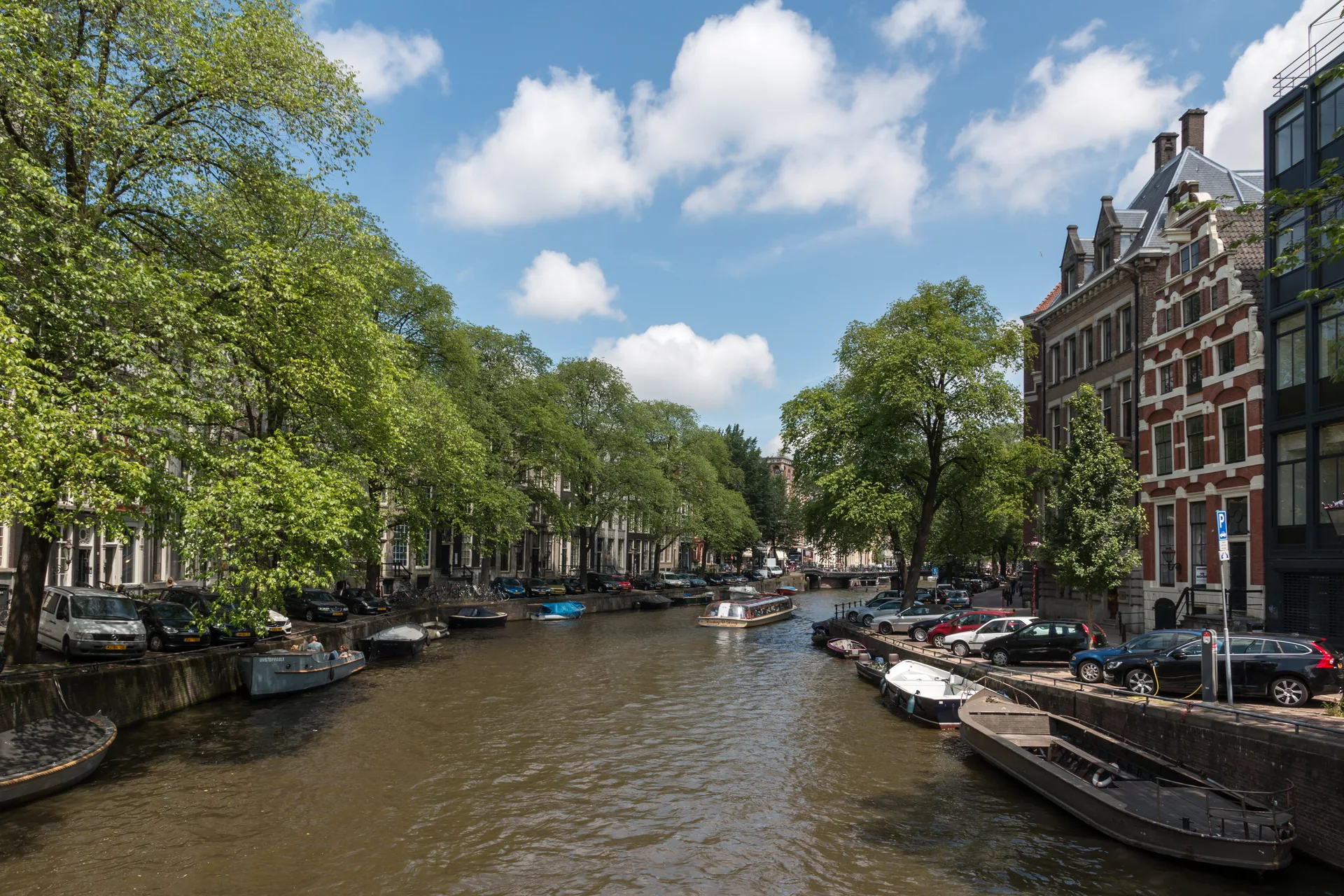
Amsterdam Canal Ring (Grachtengordel)
The UNESCO-listed 17th-century belt of concentric canals — Singel, Herengracht, Keizersgracht and Prinsengracht — that defines Amsterdam's shape and remains the largest coordinated urban planning project of its era.
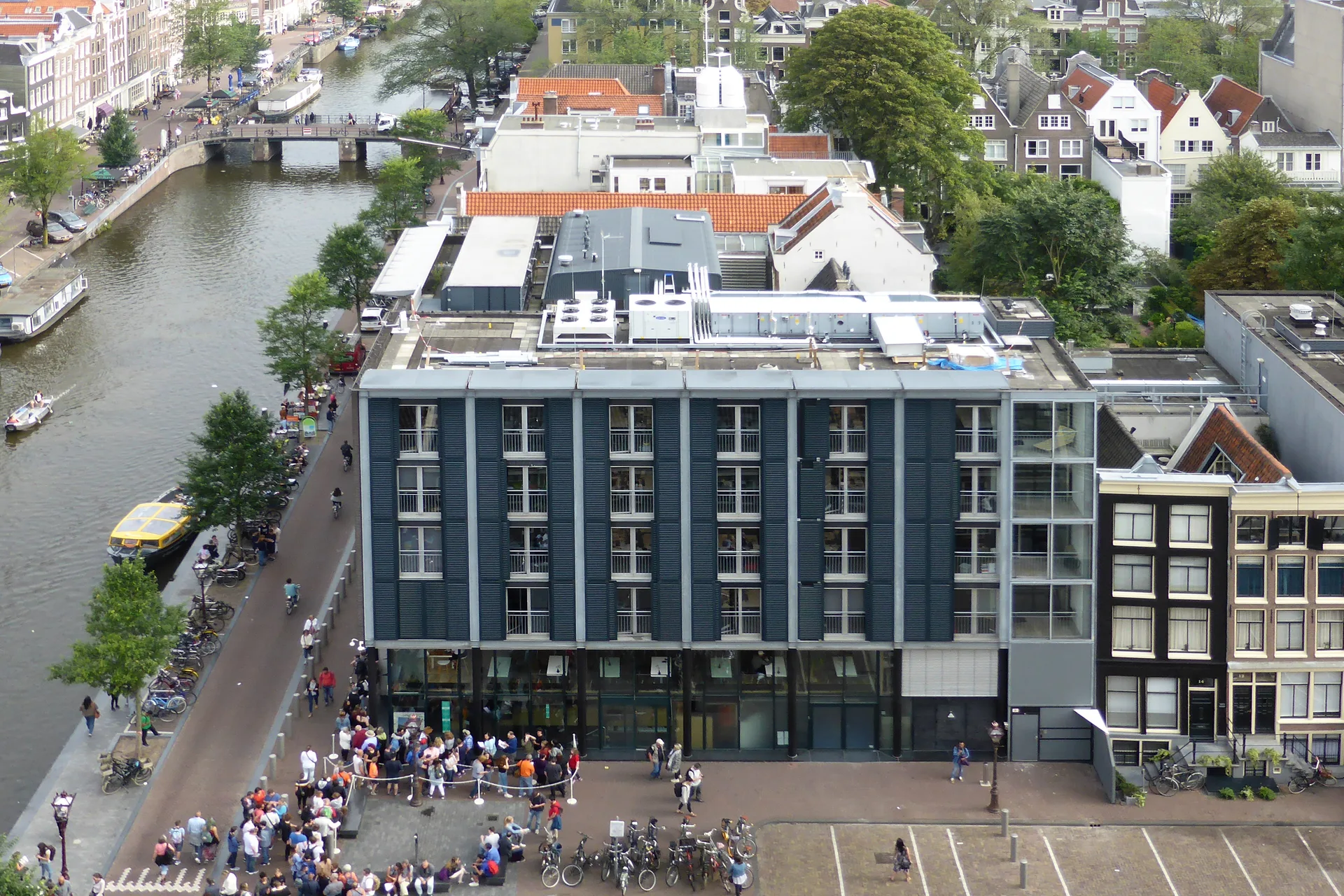
Anne Frank House
The canal house where Anne Frank and seven others hid from the Nazis for over two years — the single most emotionally powerful museum visit in Amsterdam, and the hardest ticket to get.
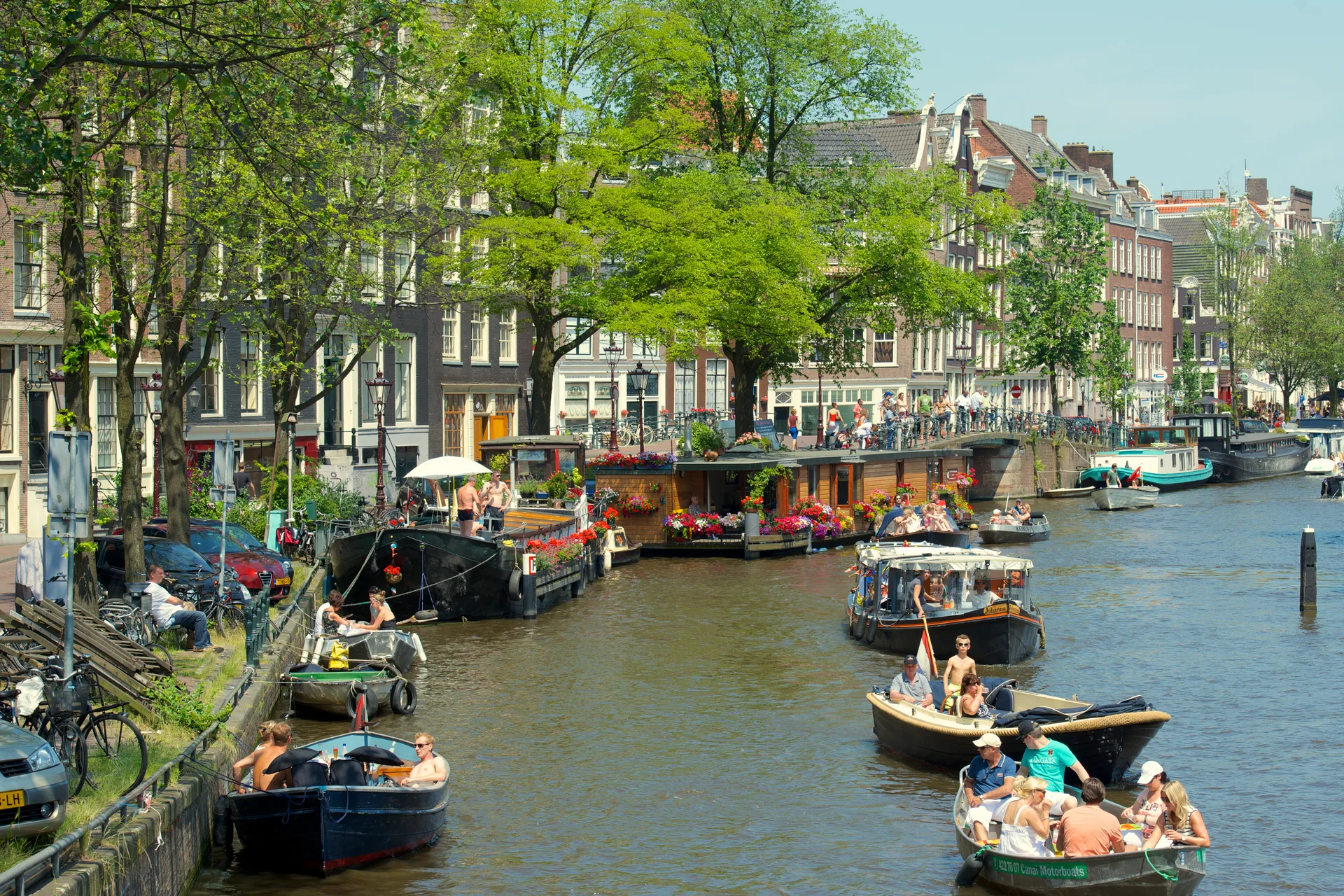
Jordaan
A former working-class quarter of narrow streets, tiny almshouses and quiet canals — now one of Amsterdam's most charming and expensive neighbourhoods to simply wander.
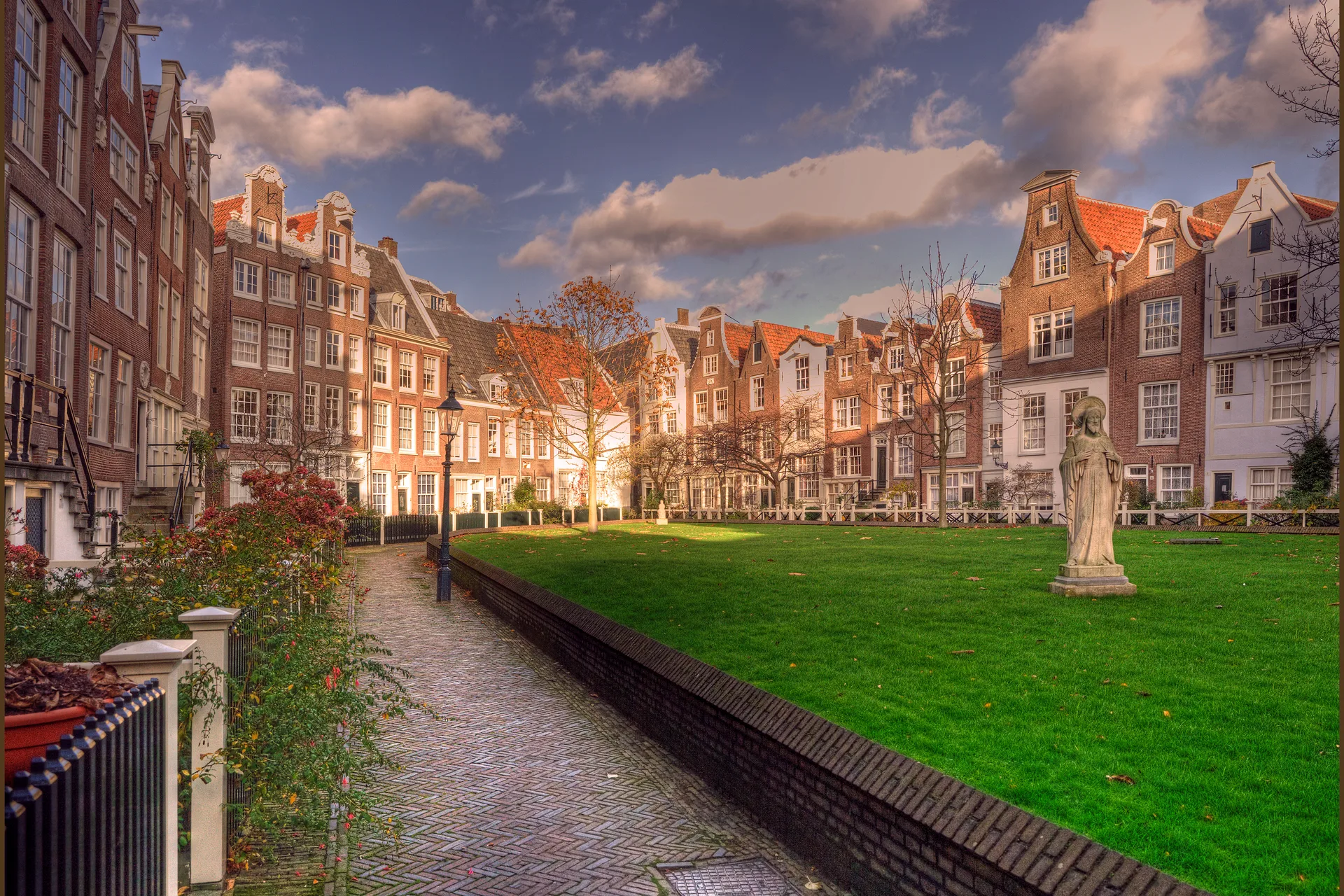
Begijnhof
A silent, hidden courtyard of medieval and 17th-century houses in the middle of the city centre, home for centuries to the Begijnen — unmarried laywomen devoted to a semi-religious life.
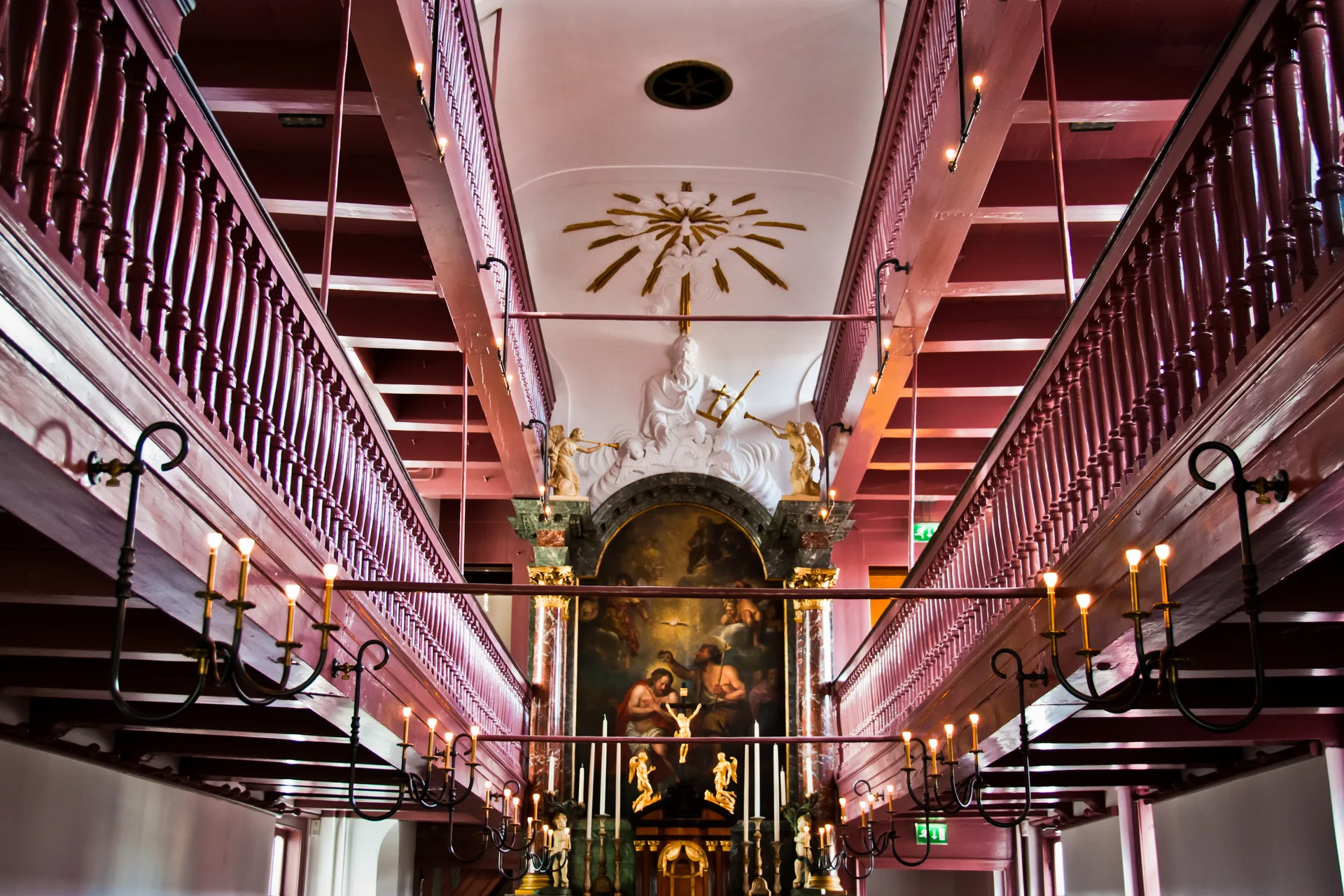
Museum Ons' Lieve Heer op Solder
A fully intact secret Catholic church hidden in the attic of a canal house — built when public Catholic worship was banned in Protestant Amsterdam, and preserved exactly as it was.
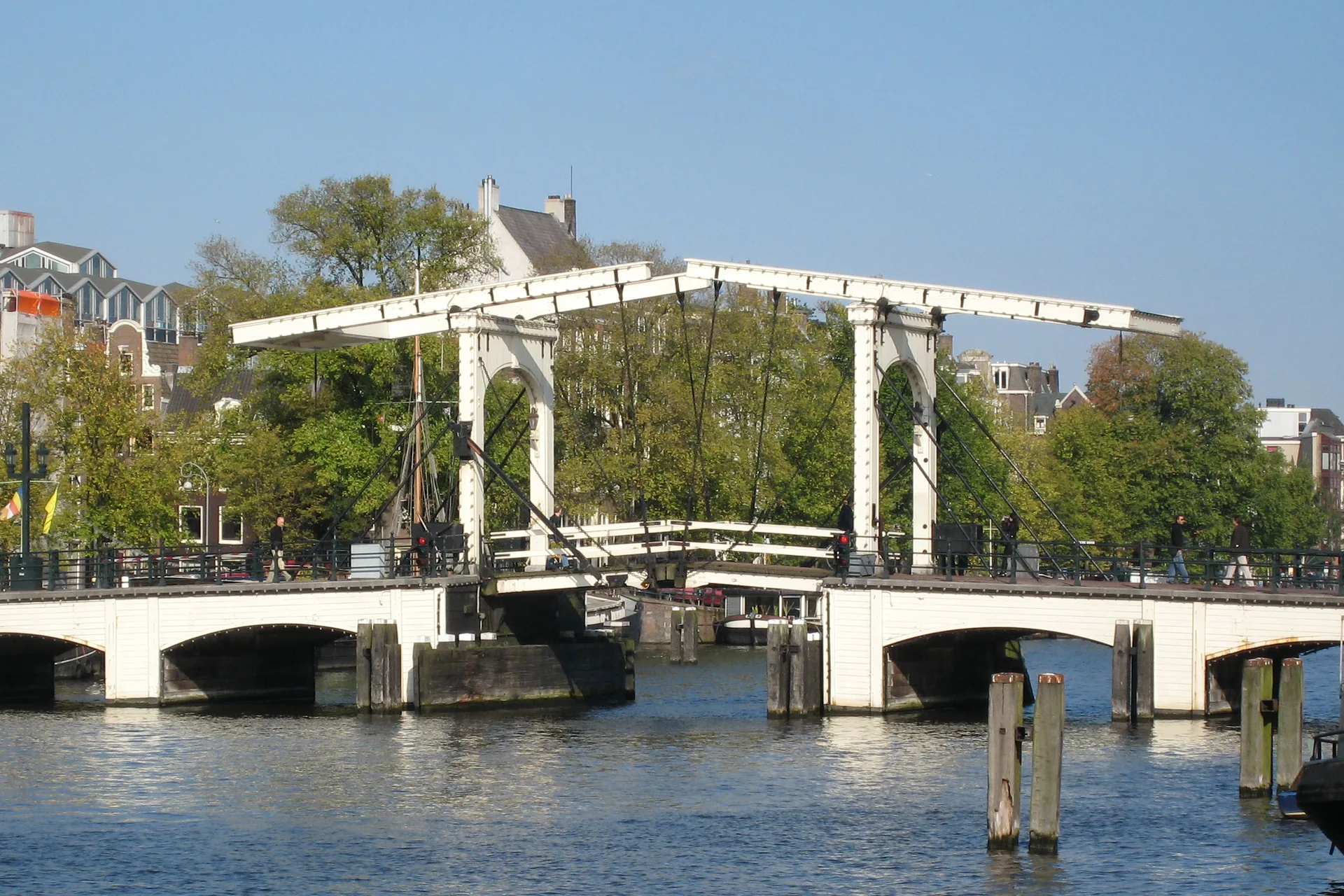
Magere Brug (Skinny Bridge)
Amsterdam's most photographed wooden drawbridge, arching over the Amstel and lit by 1,200 bulbs after dark — free, open-air, and best seen at dusk.
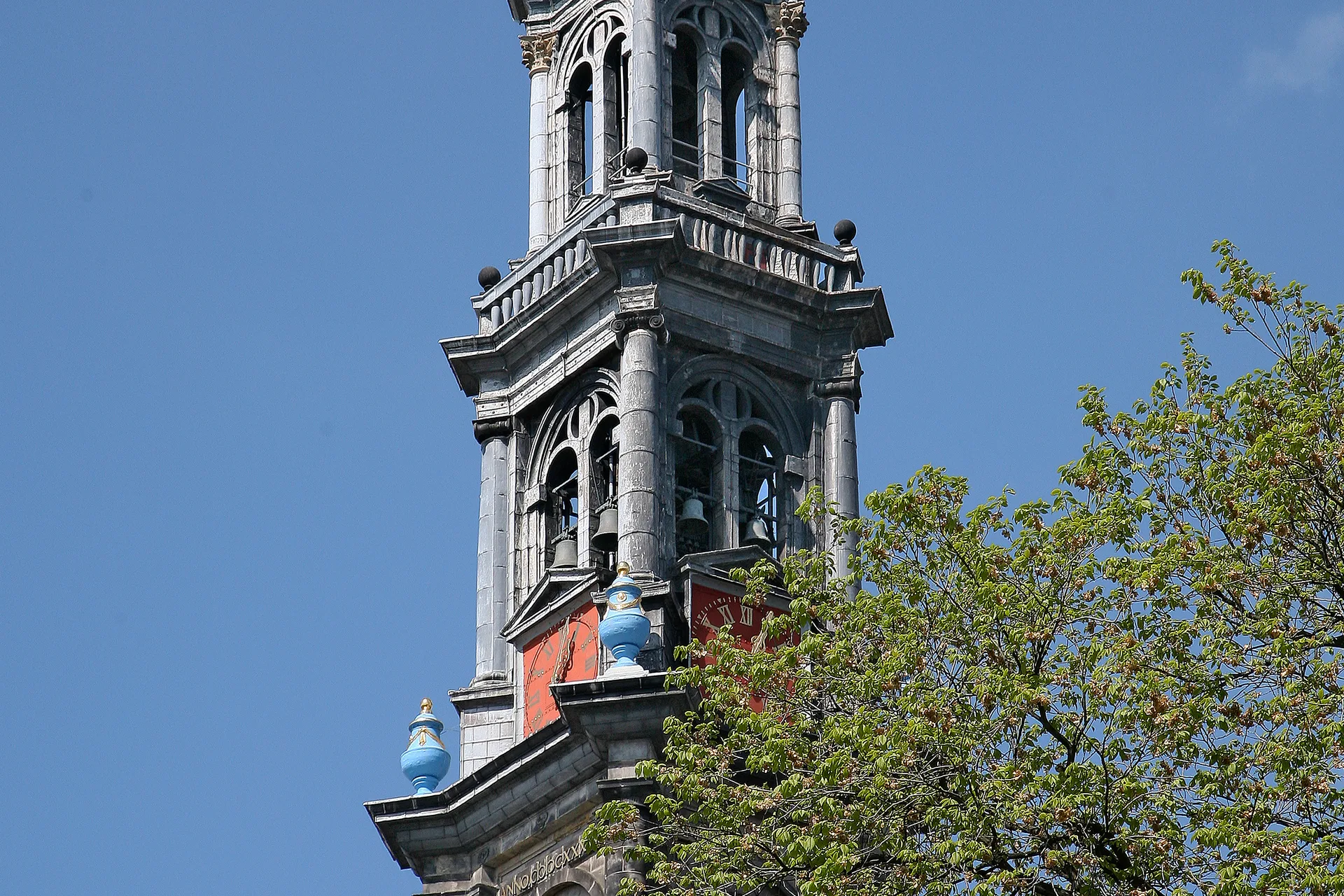
Westerkerk
Amsterdam's largest Protestant church, its 85-metre tower the tallest in the city — Rembrandt is buried somewhere within, and Anne Frank could hear its bells from her hiding place nearby.
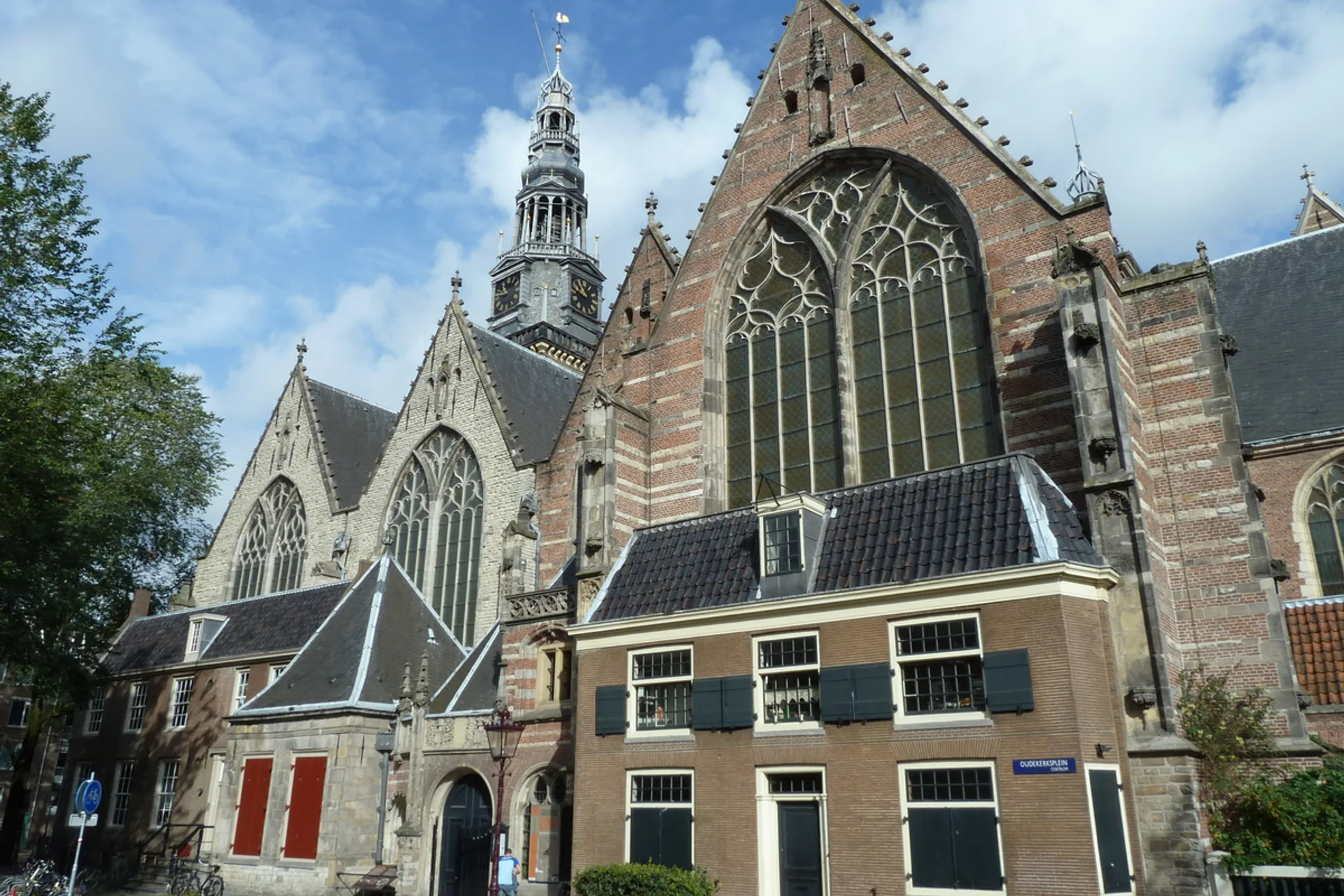
Oude Kerk
Amsterdam's oldest surviving building, consecrated around 1306, standing at the historic centre of the De Wallen district it predates by centuries.
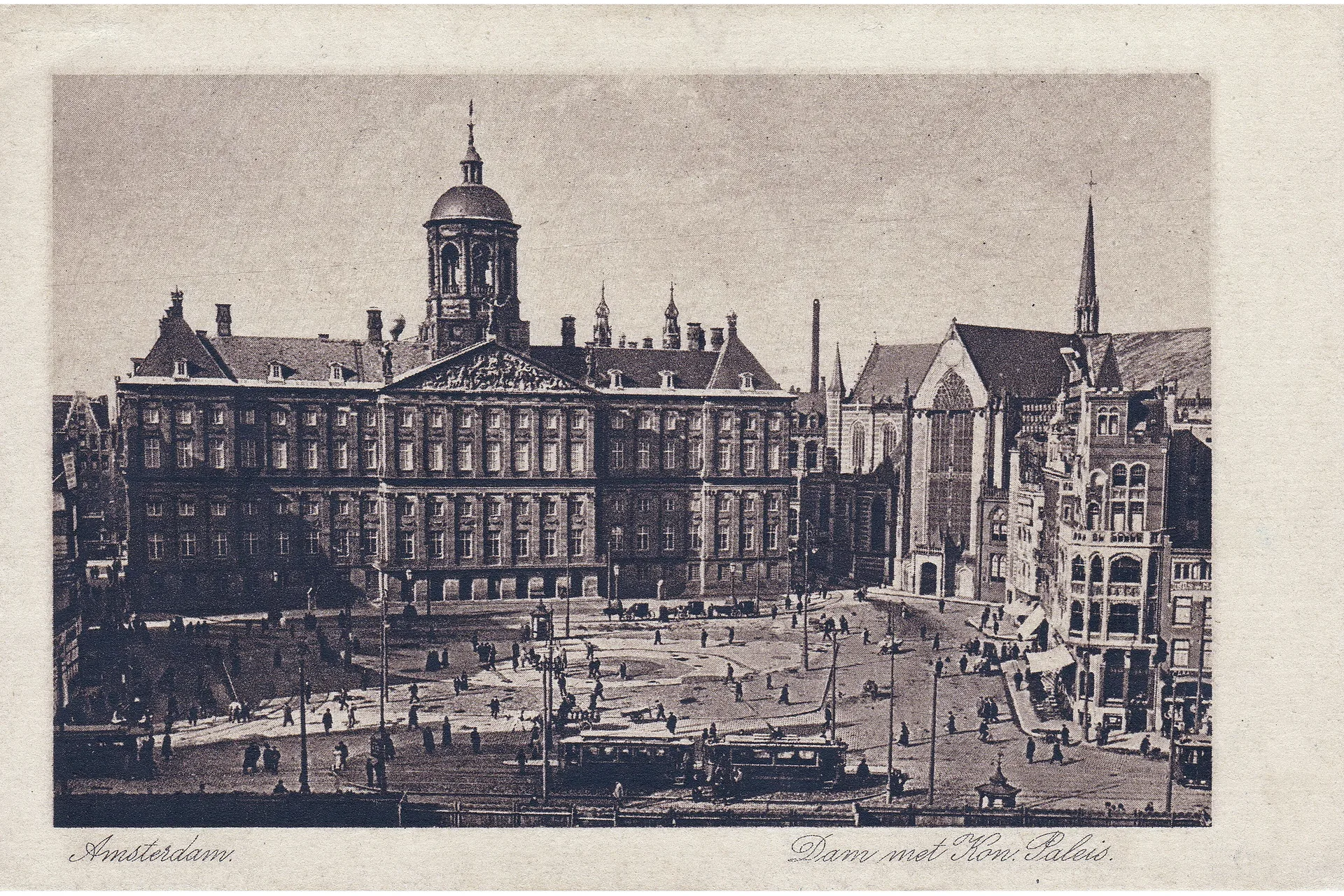
Royal Palace Amsterdam
A 17th-century former city hall, built at the height of Amsterdam's Golden Age wealth and still used today by the Dutch royal family for state functions.
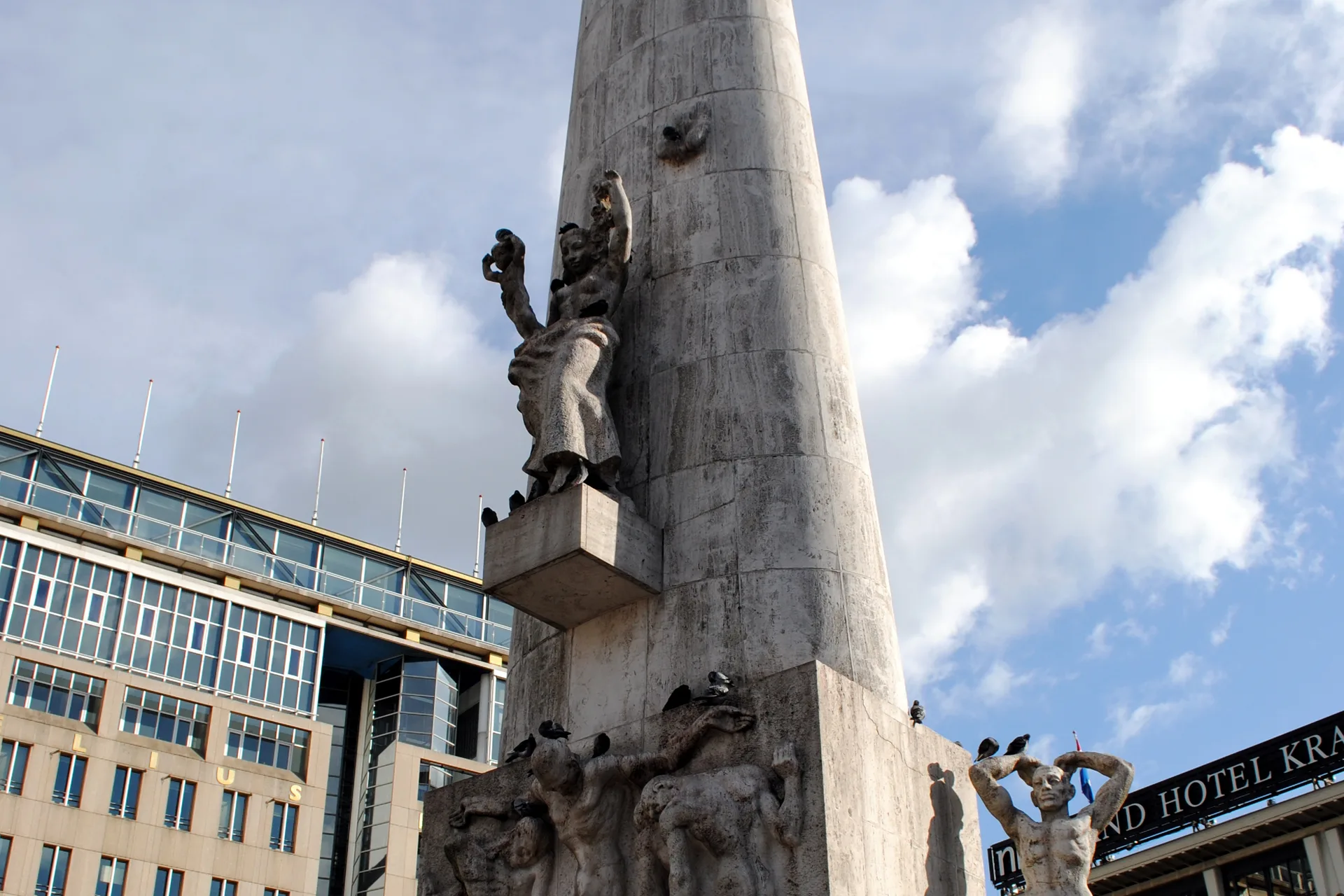
Dam Square & National Monument
Amsterdam's founding site and historic heart — the square where a 13th-century dam gave the city its name, now anchored by the Royal Palace and a 22-metre WWII memorial obelisk.
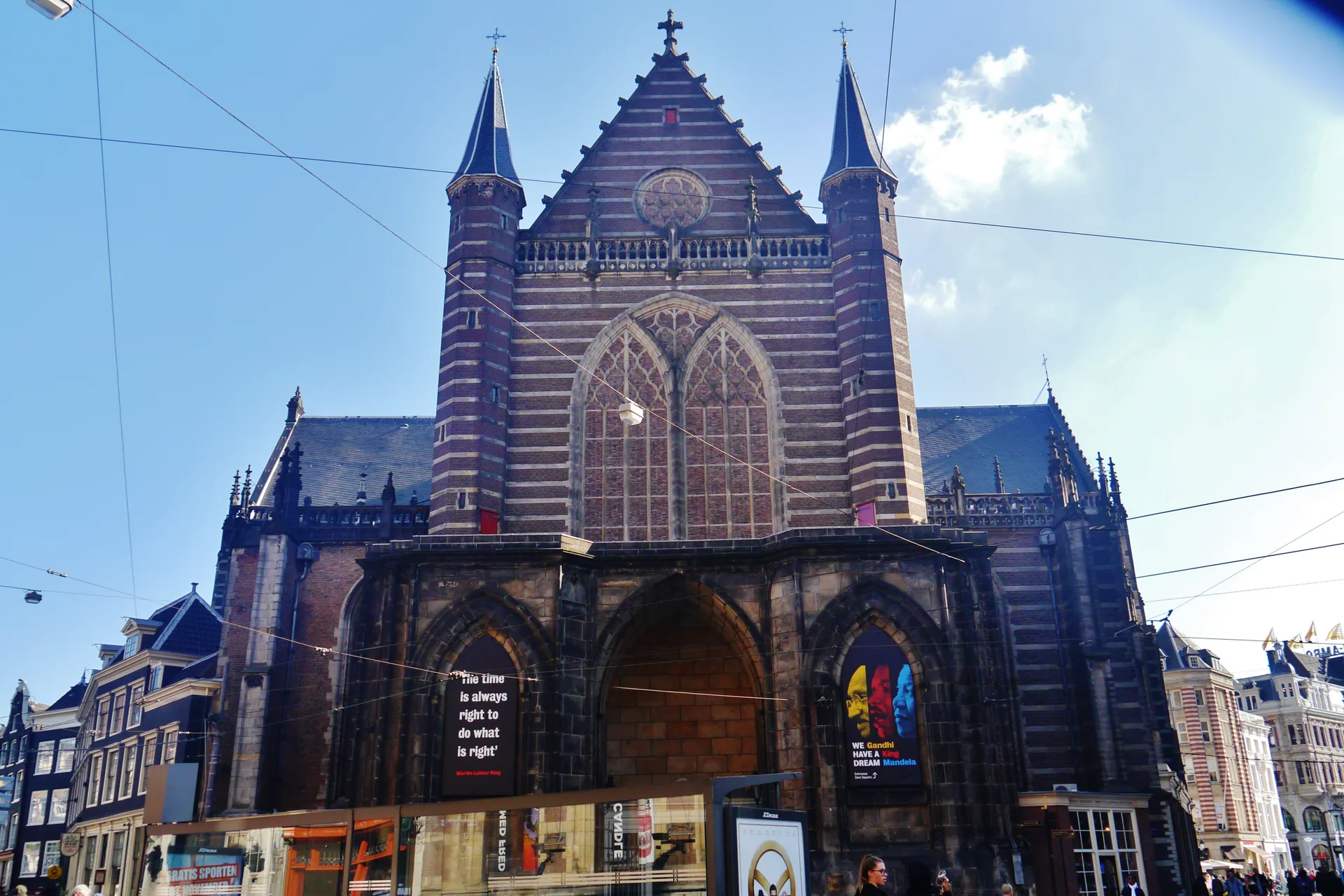
Nieuwe Kerk
A 15th-century Gothic church on Dam Square where Dutch monarchs are inaugurated — no longer used for regular worship, now a major exhibition space for art and history shows.