
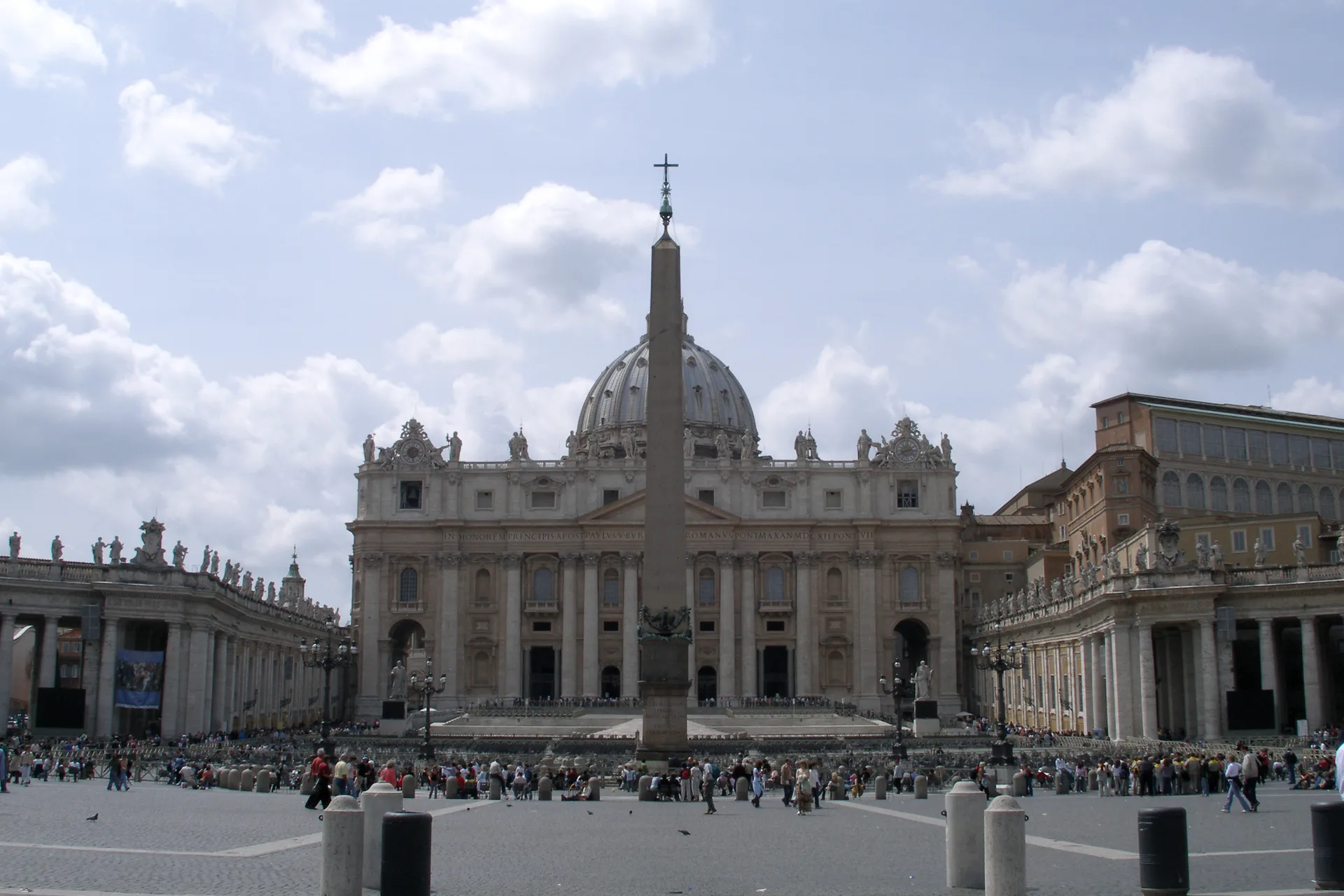
St. Peter's Basilica
The largest church in the Christian world, built over the traditional burial site of Saint Peter — free to enter, with Michelangelo's Pietà inside and a paid climb to the top of his dome outside.
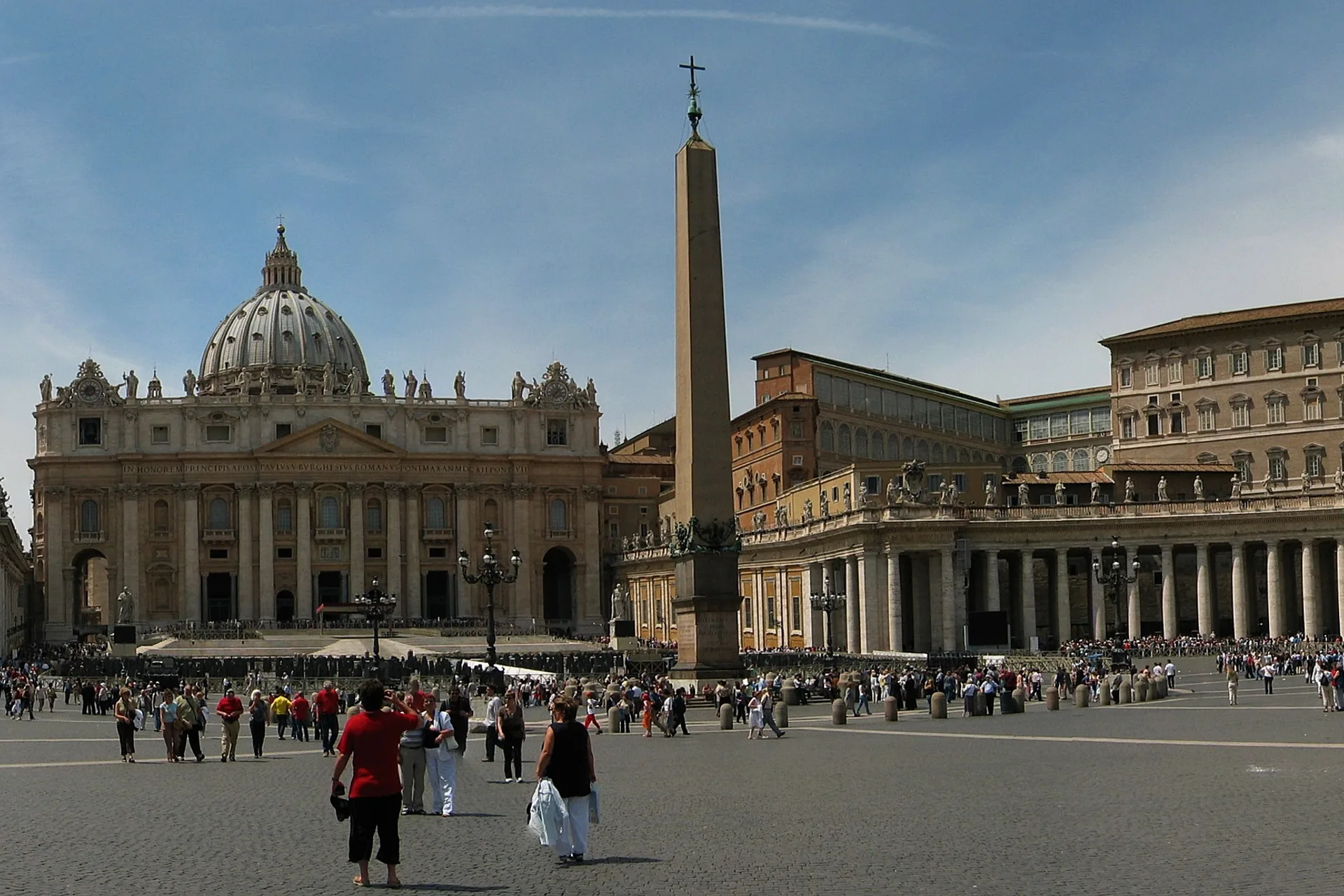
St. Peter's Square
Bernini's vast elliptical piazza in front of St. Peter's Basilica, embraced by a 284-column colonnade designed to feel like open arms welcoming the world — free, open-air, and the site of papal audiences.
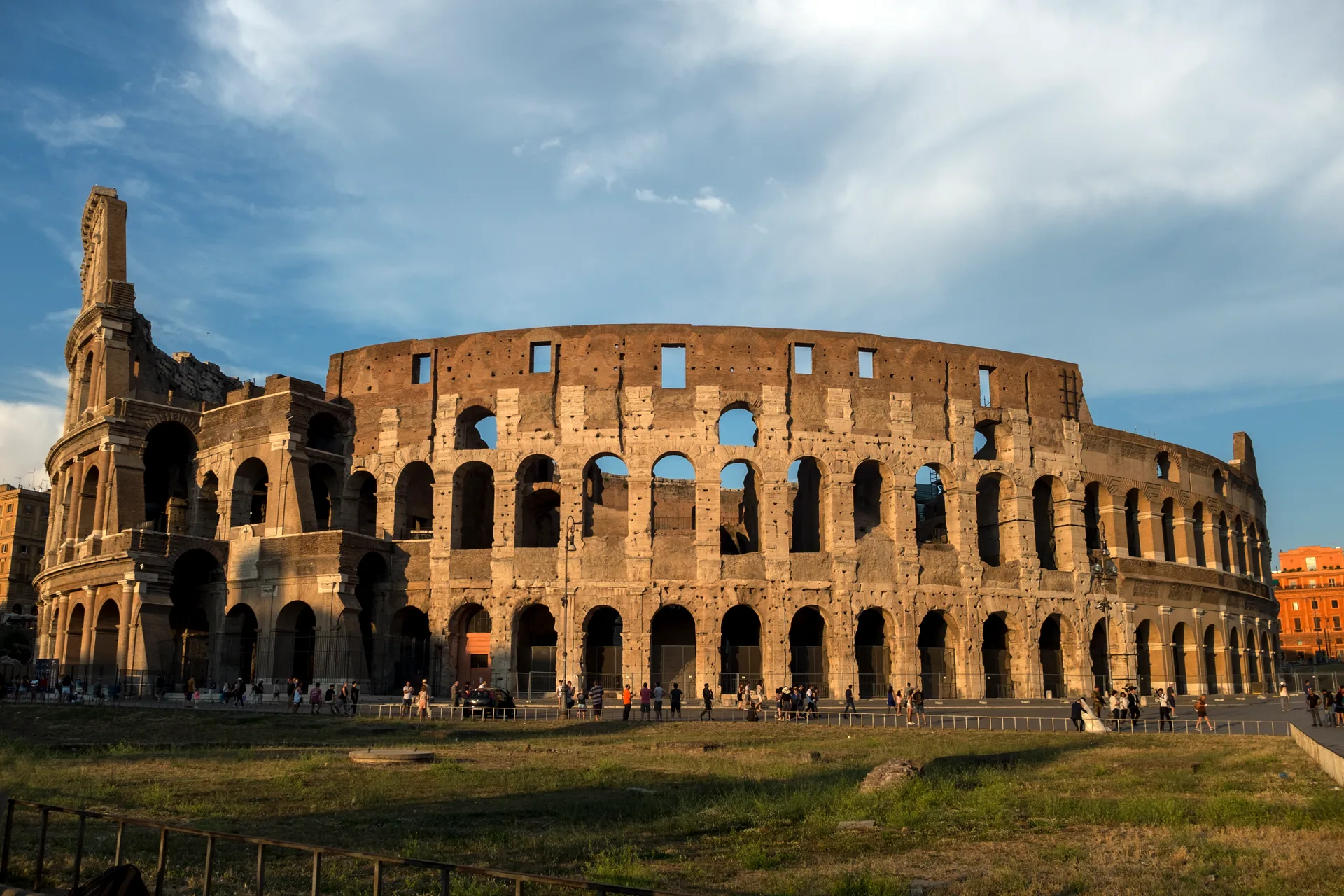
Colosseum
The largest amphitheatre ever built by the Romans and the single most recognisable structure on earth from antiquity — book an official timed ticket weeks ahead or risk not getting in at all.
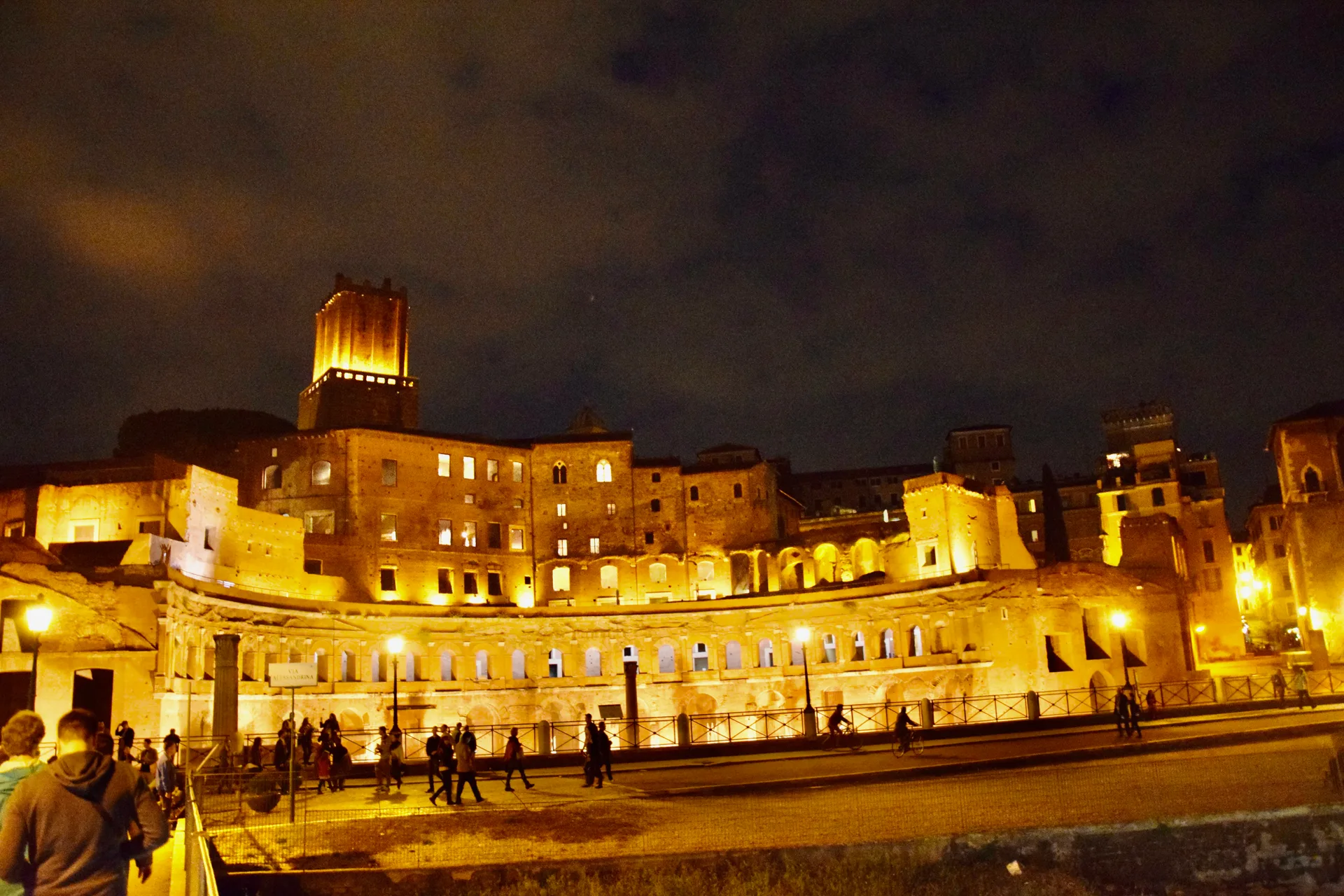
Roman Forum & Palatine Hill
The political, religious and commercial heart of ancient Rome for over a thousand years, plus the hill above it where emperors actually lived — vast, fragmentary, and best appreciated with at least some context going in.
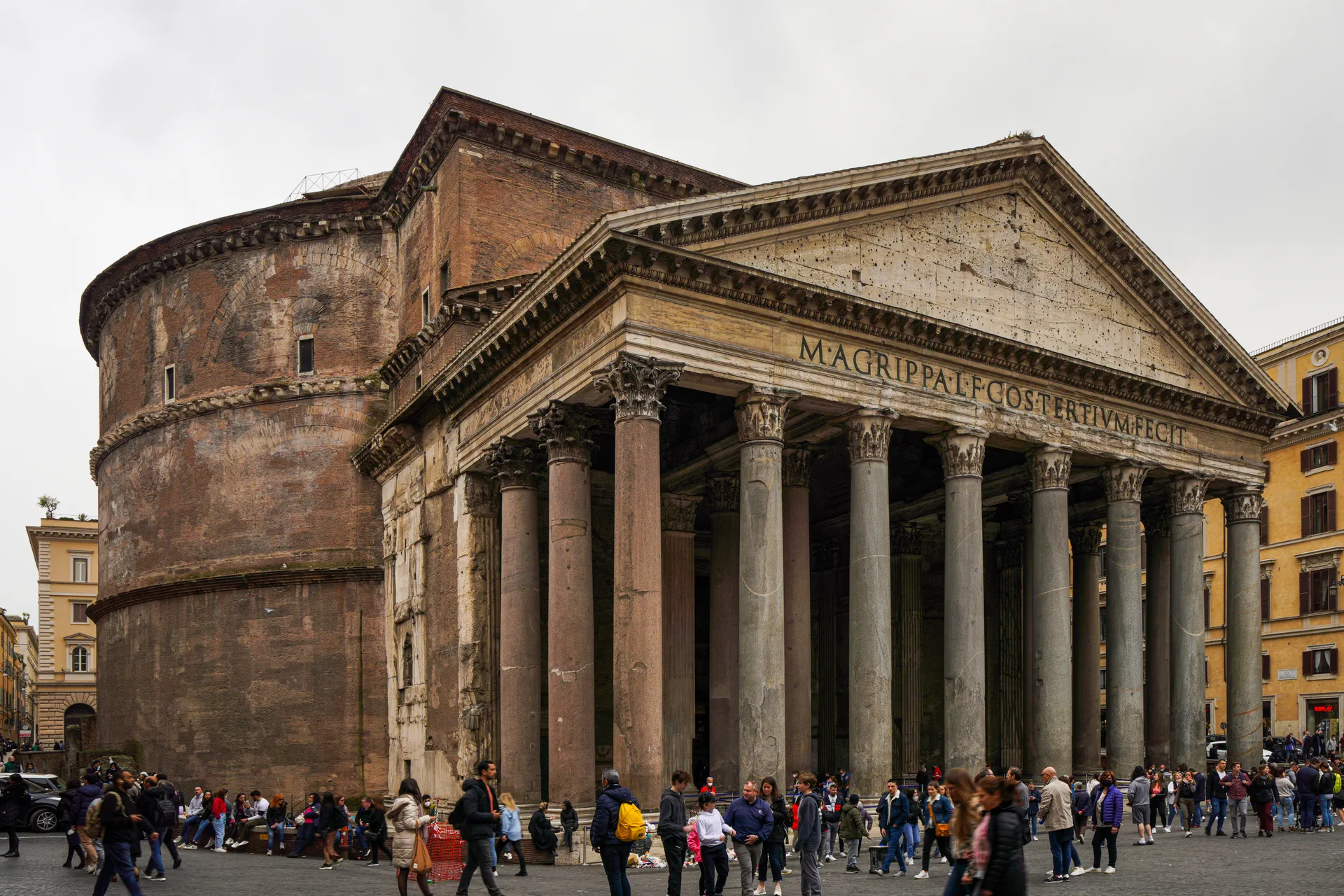
Pantheon
The best-preserved building from ancient Rome and still, nineteen centuries on, the world's largest unreinforced concrete dome — free to marvel at from outside, a small fee to step inside since 2023.
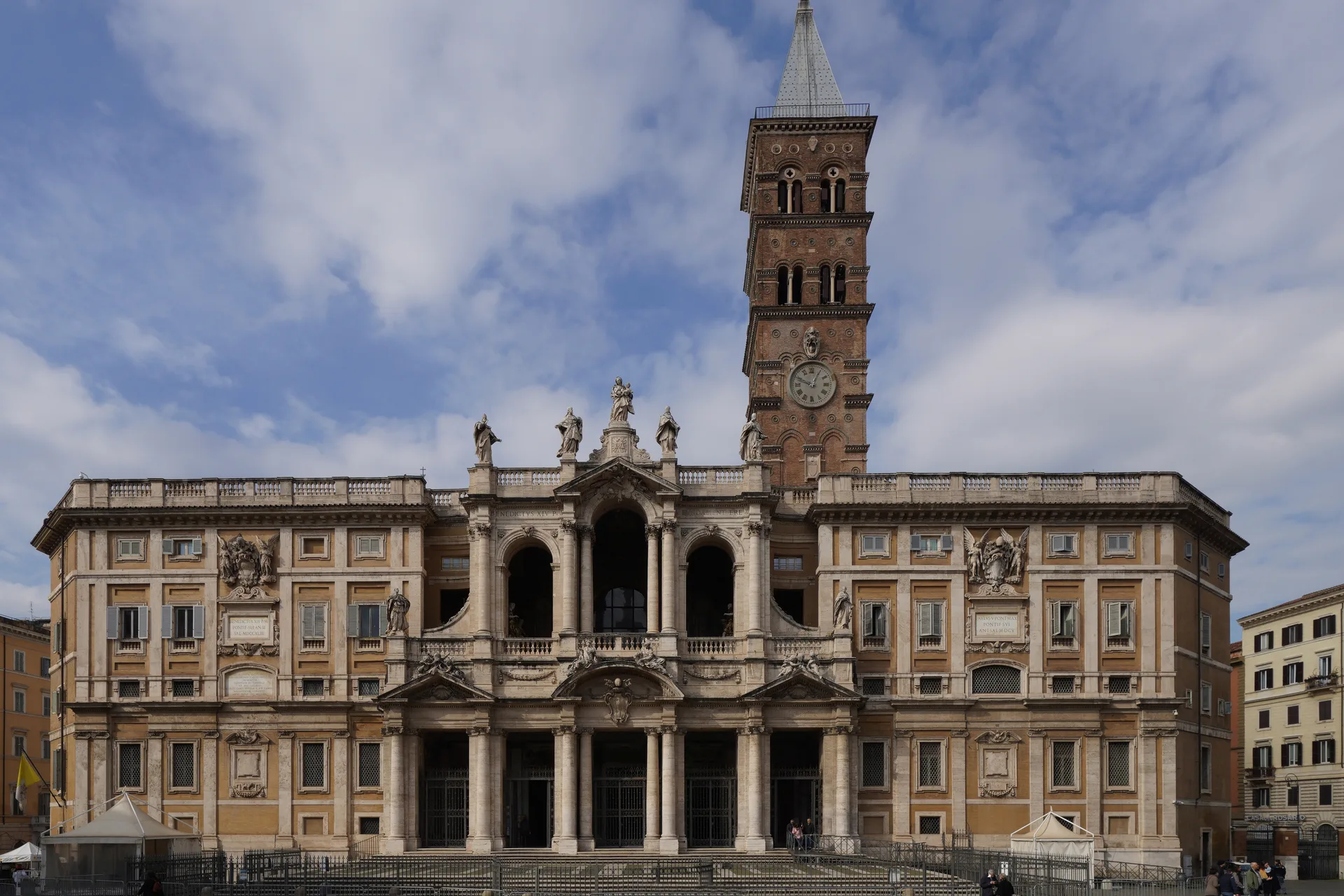
Basilica di Santa Maria Maggiore
One of Rome's four major papal basilicas, said to mark a miraculous August snowfall — free to enter, with 5th-century mosaics, Bernini's tomb, and a paid loggia and museum route above.
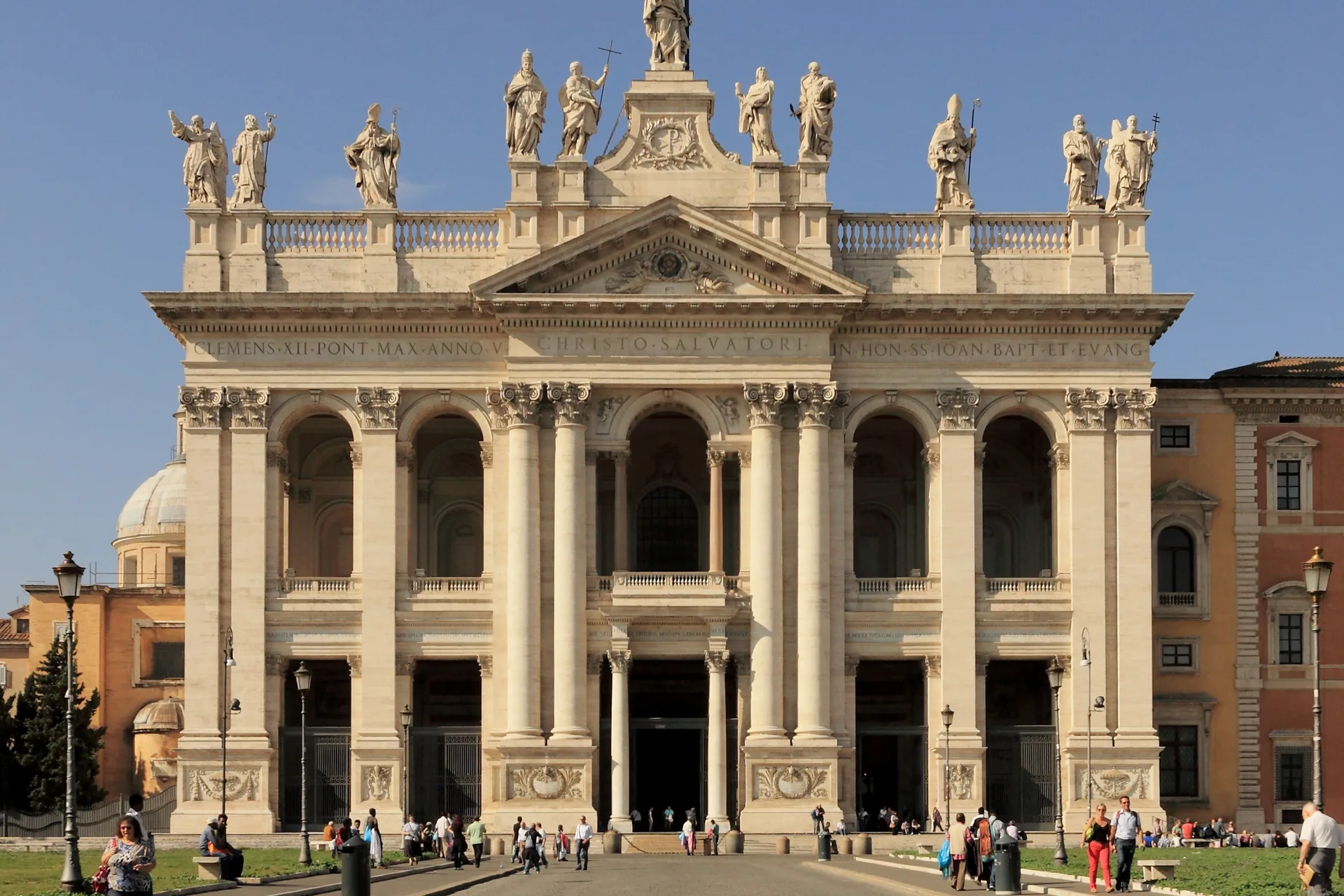
Basilica di San Giovanni in Laterano
Rome's official cathedral and the oldest of the four papal basilicas — technically outranks St. Peter's in ceremonial precedence, with a medieval cloister most visitors never realise is there.
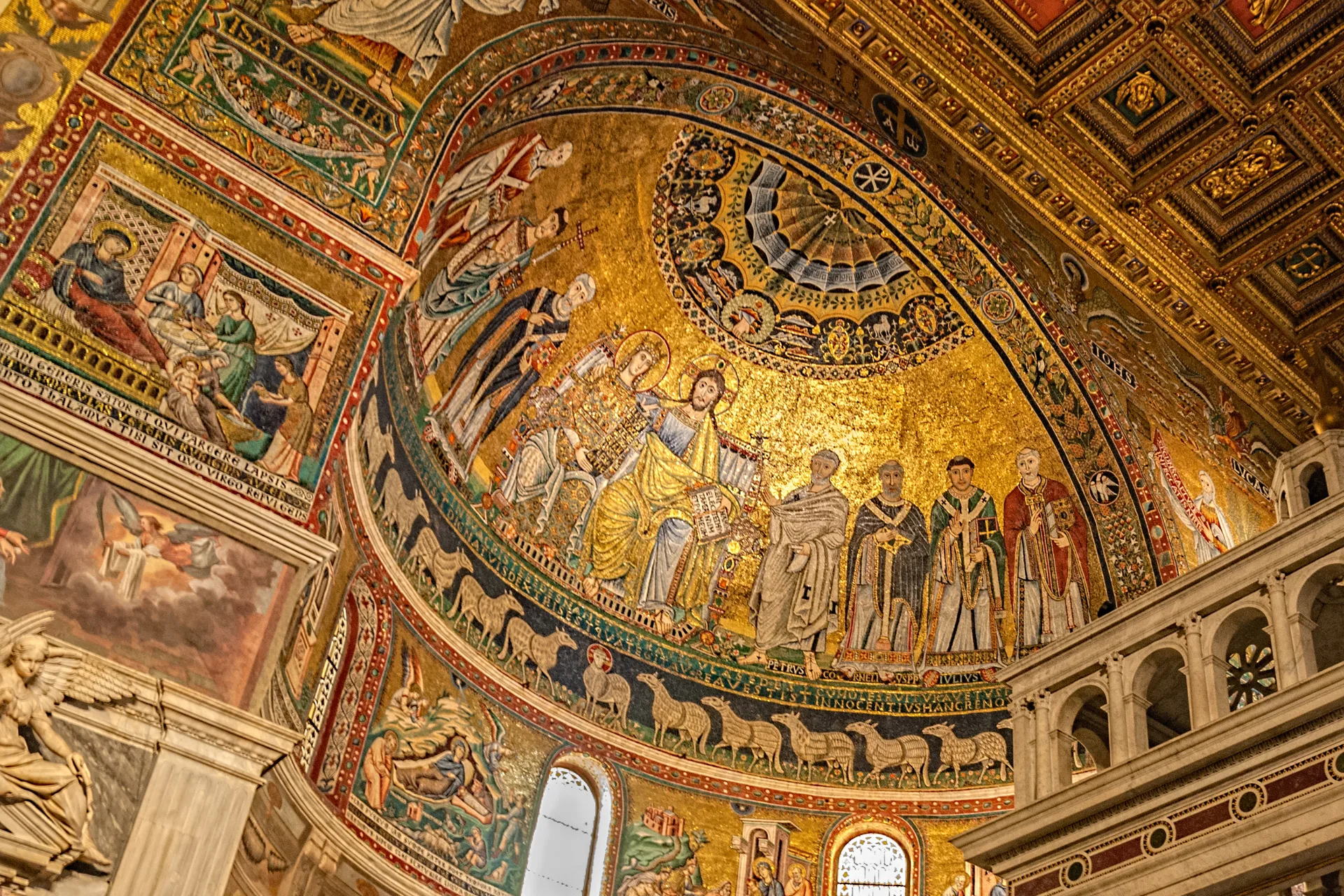
Basilica di Santa Maria in Trastevere
One of Rome's oldest churches, possibly the first place Christian worship was legally permitted in the city — free to enter, with dazzling 12th-century gold mosaics that anchor Trastevere's prettiest piazza.
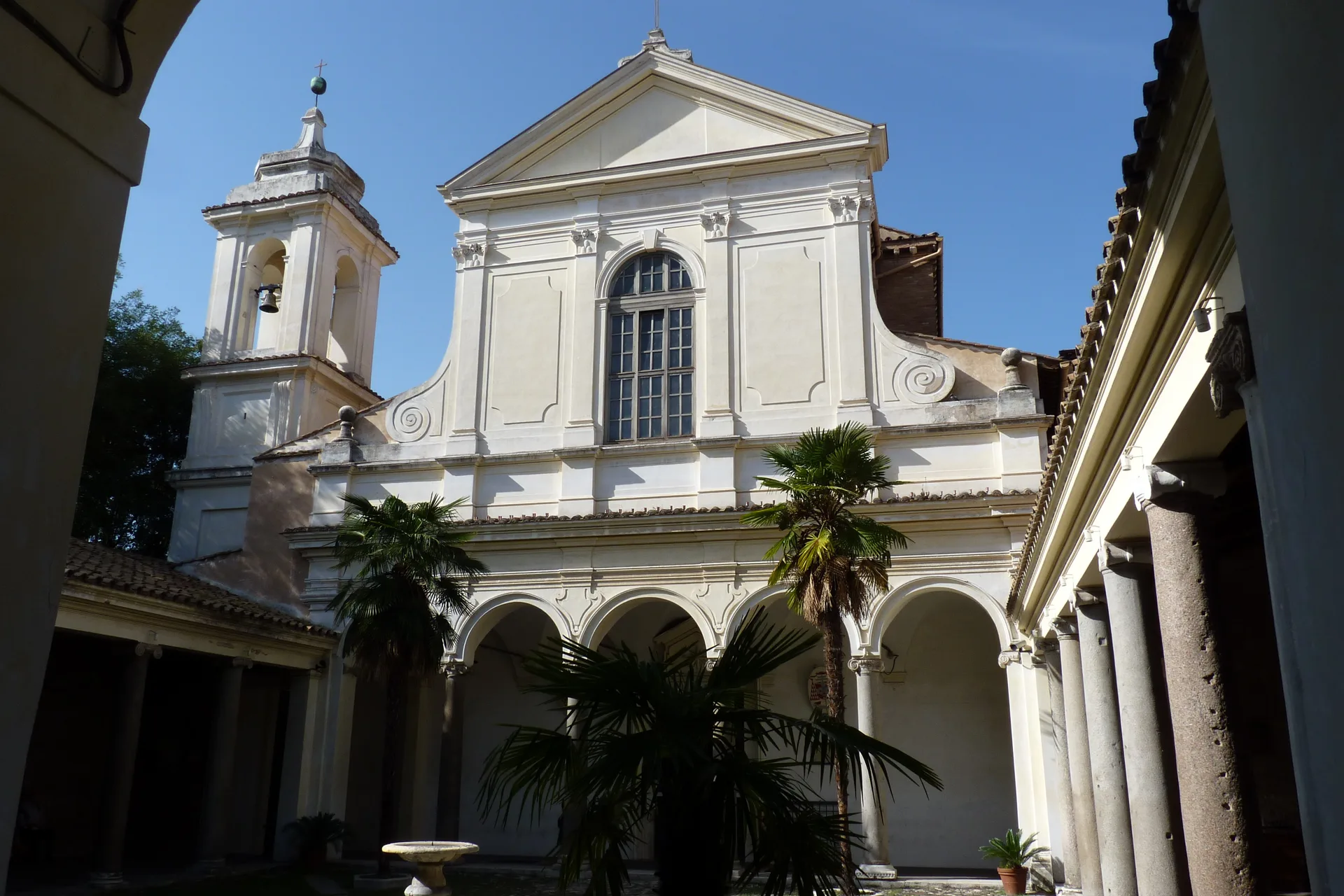
Basilica di San Clemente
A layer-cake of Roman history under one roof — a 12th-century church built over a 4th-century church, built over a 1st-century Roman house and an underground temple to Mithras, all open to walk through.
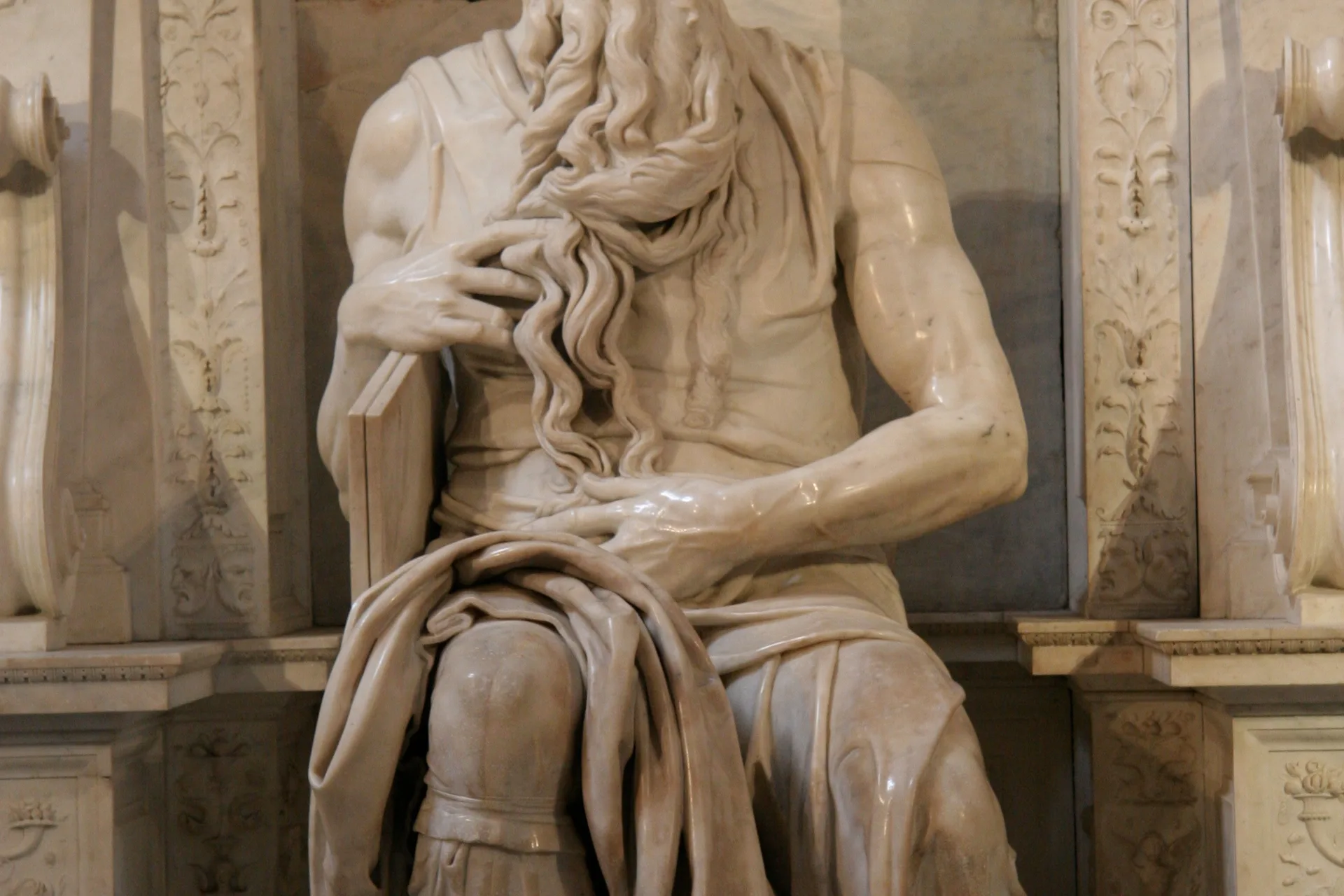
San Pietro in Vincoli (Moses by Michelangelo)
A modest church holding one of Michelangelo's most powerful sculptures — his monumental, brooding Moses, carved for a tomb that was never finished as originally planned — completely free to see.
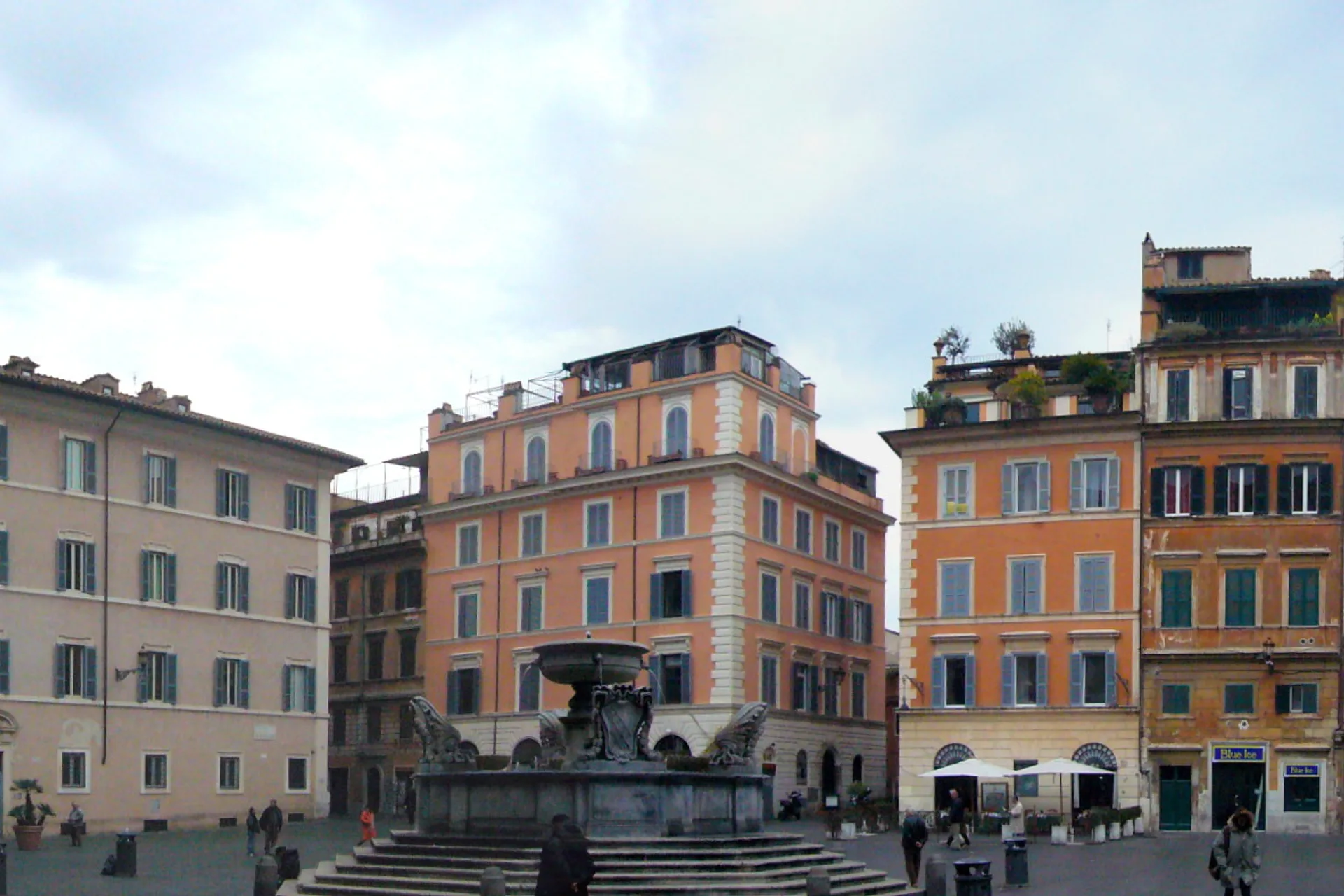
Trastevere Neighbourhood
Rome's most atmospheric neighbourhood — cobbled medieval lanes, ivy-draped facades, and the city's liveliest evening restaurant and bar scene, on the 'other side' of the Tiber that gives it its name.
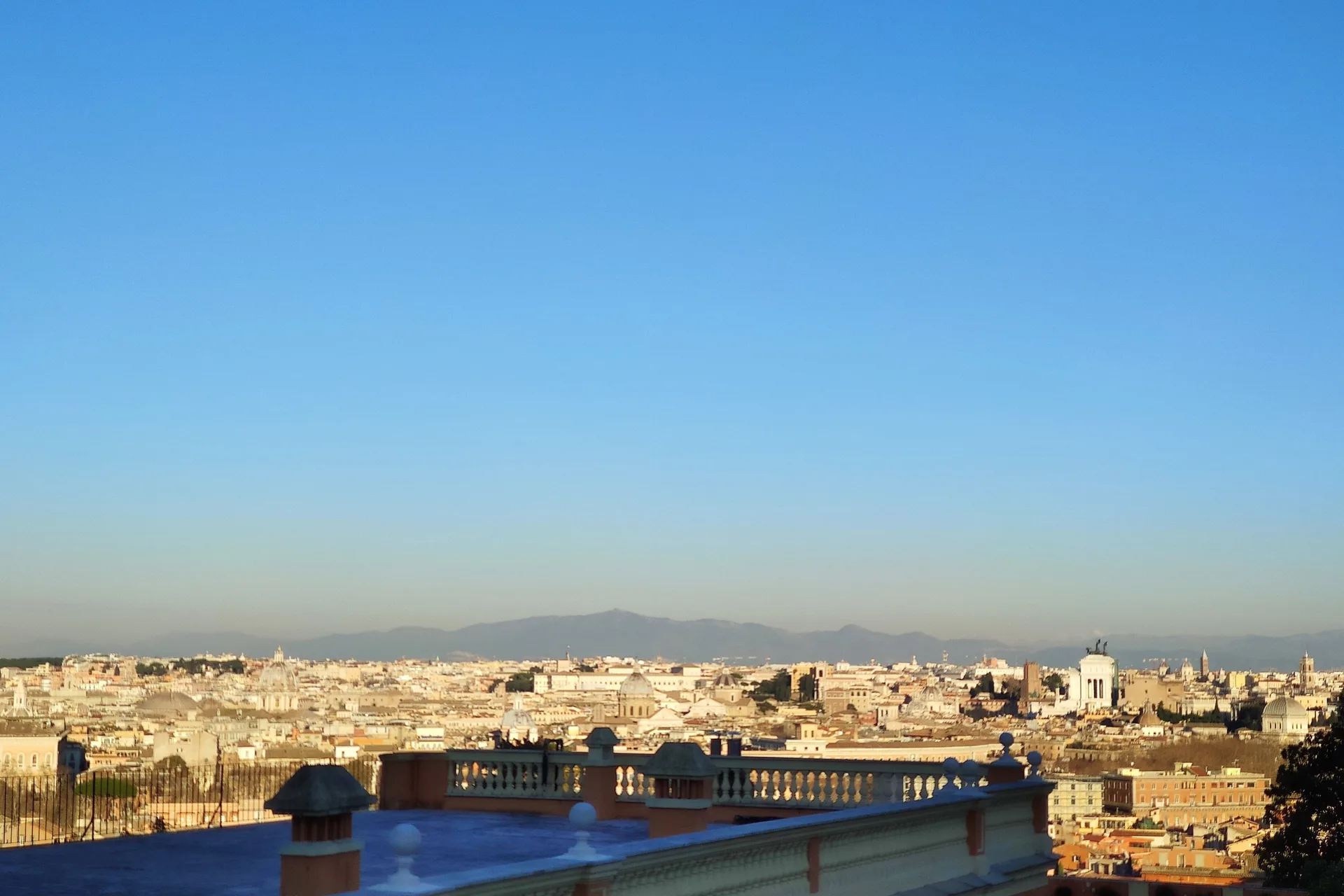
Janiculum Hill (Gianicolo)
Rome's finest free panoramic viewpoint, on a hill just outside the ancient city boundary — a daily noon cannon blast, equestrian monuments to Garibaldi, and the whole historic centre laid out below.
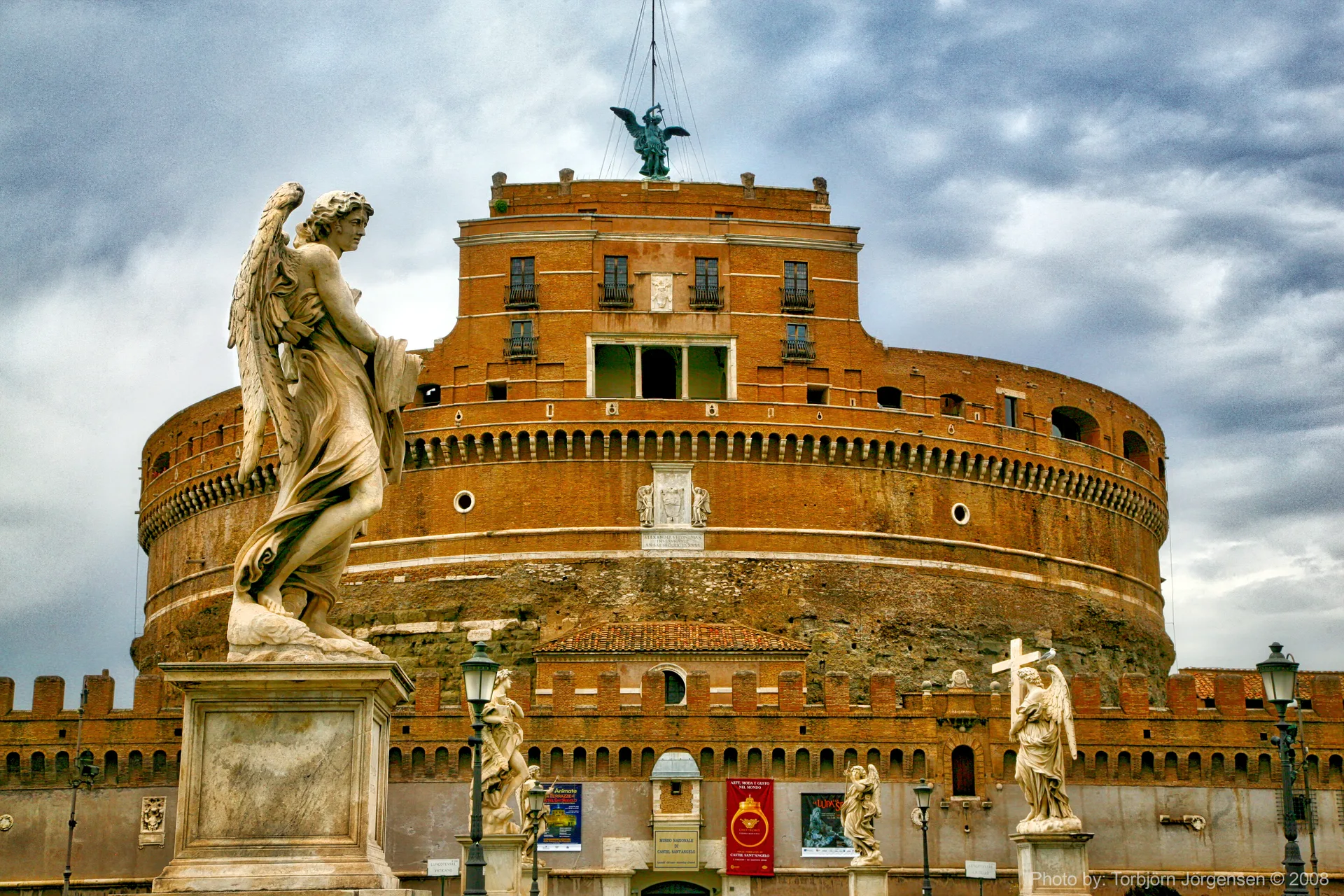
Castel Sant'Angelo
A cylindrical Roman mausoleum turned papal fortress and prison, connected to the Vatican by a secret elevated passage — climb to the rooftop for one of the best panoramic views in Rome.
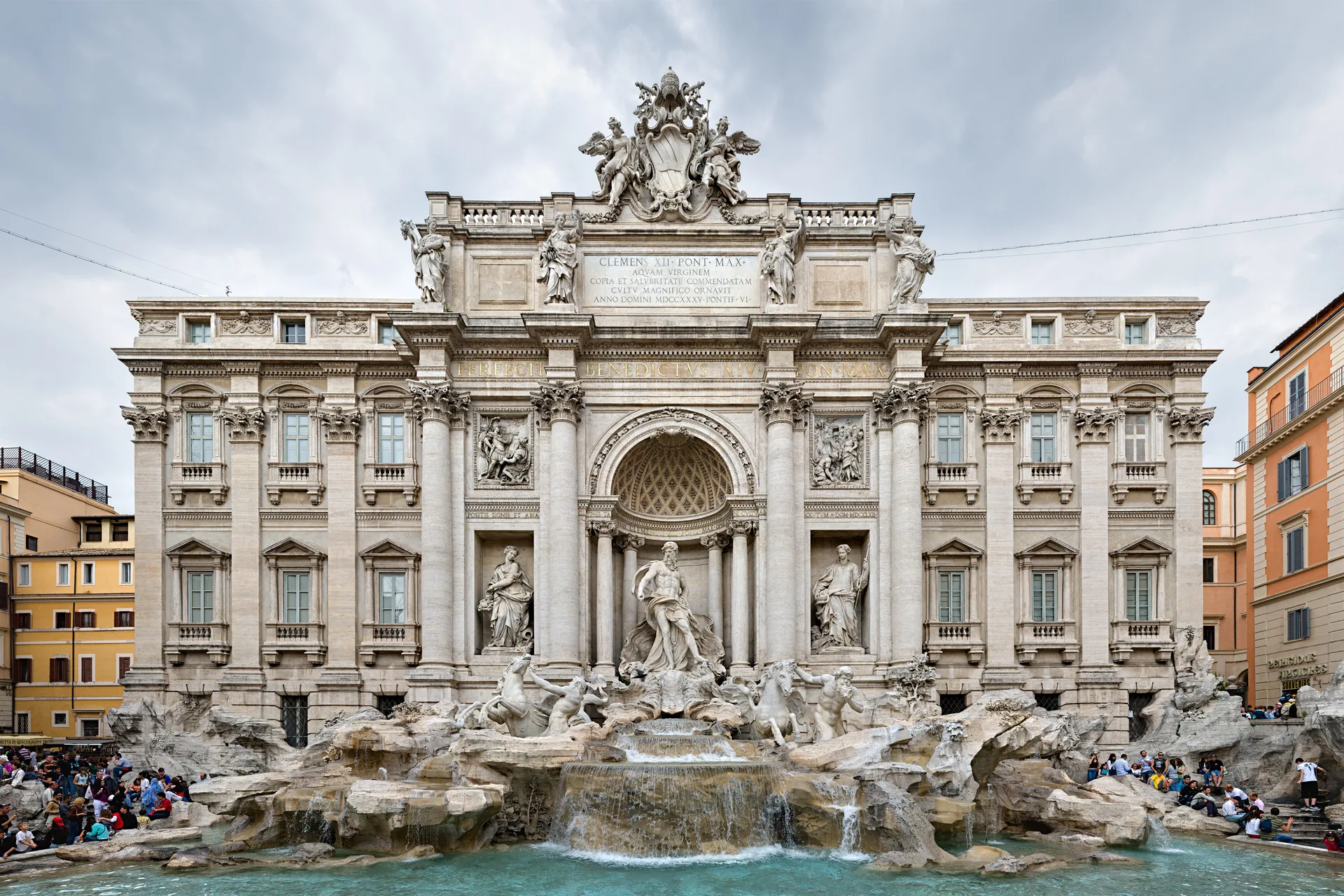
Trevi Fountain
Rome's largest and most theatrical Baroque fountain, where the tradition of throwing a coin over your shoulder to guarantee a return trip began — free to view, small fee to reach the closest railing.
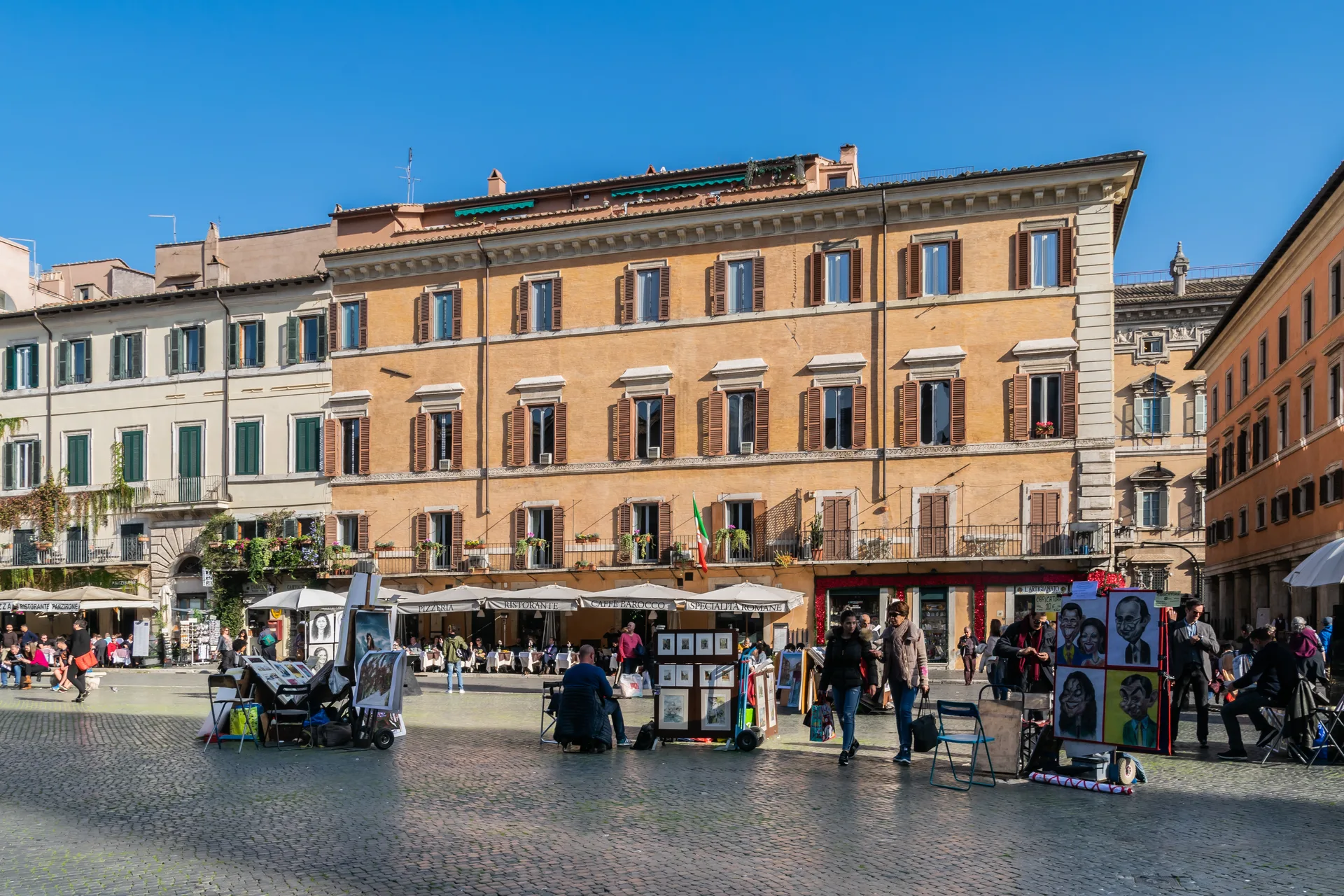
Piazza Navona
Rome's grandest Baroque piazza, shaped like the ancient stadium it was built over, anchored by Bernini's Fountain of the Four Rivers — free, open all hours, and one of the liveliest squares in the city after dark.
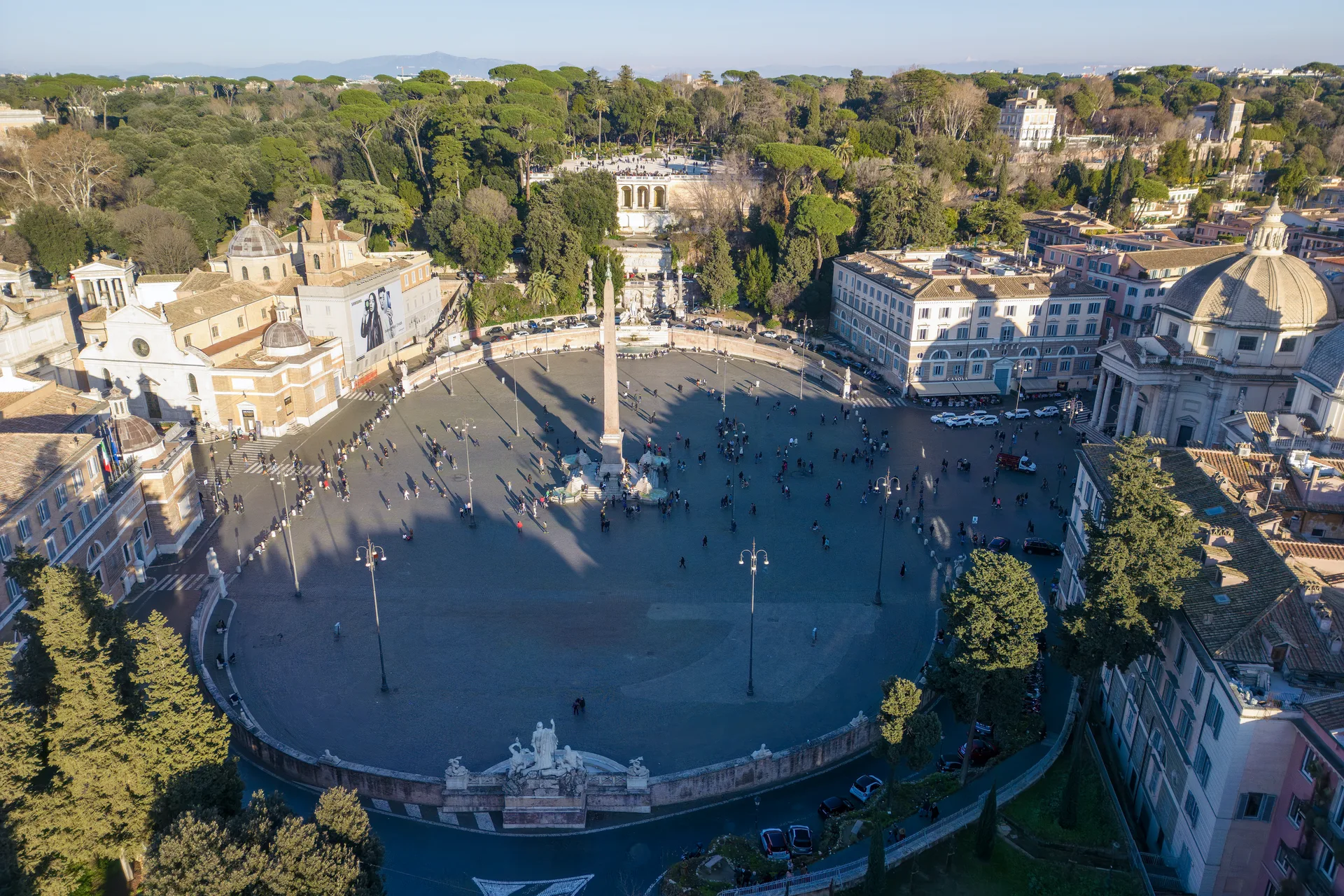
Piazza del Popolo
A vast neoclassical piazza at Rome's northern gate, marking the start of the ancient Via Flaminia — an Egyptian obelisk, twin Baroque churches, and one of the best free sunset viewpoints in the city just above it.
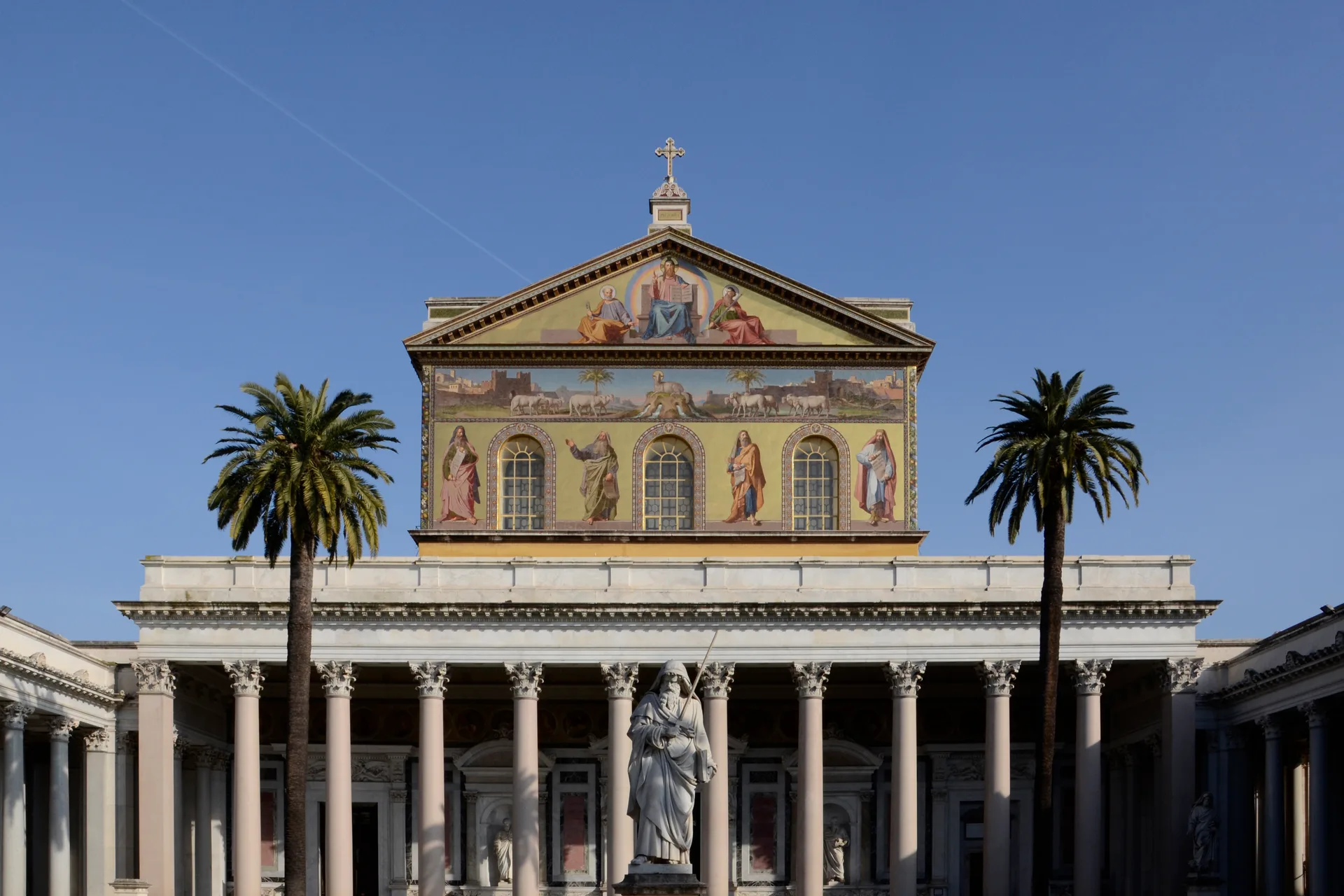
Basilica di San Paolo Fuori le Mura
St. Paul Outside the Walls — the second-largest church in Rome after St. Peter's, rebuilt after a devastating 1823 fire, with mosaic portraits of every pope in history ringing the nave.
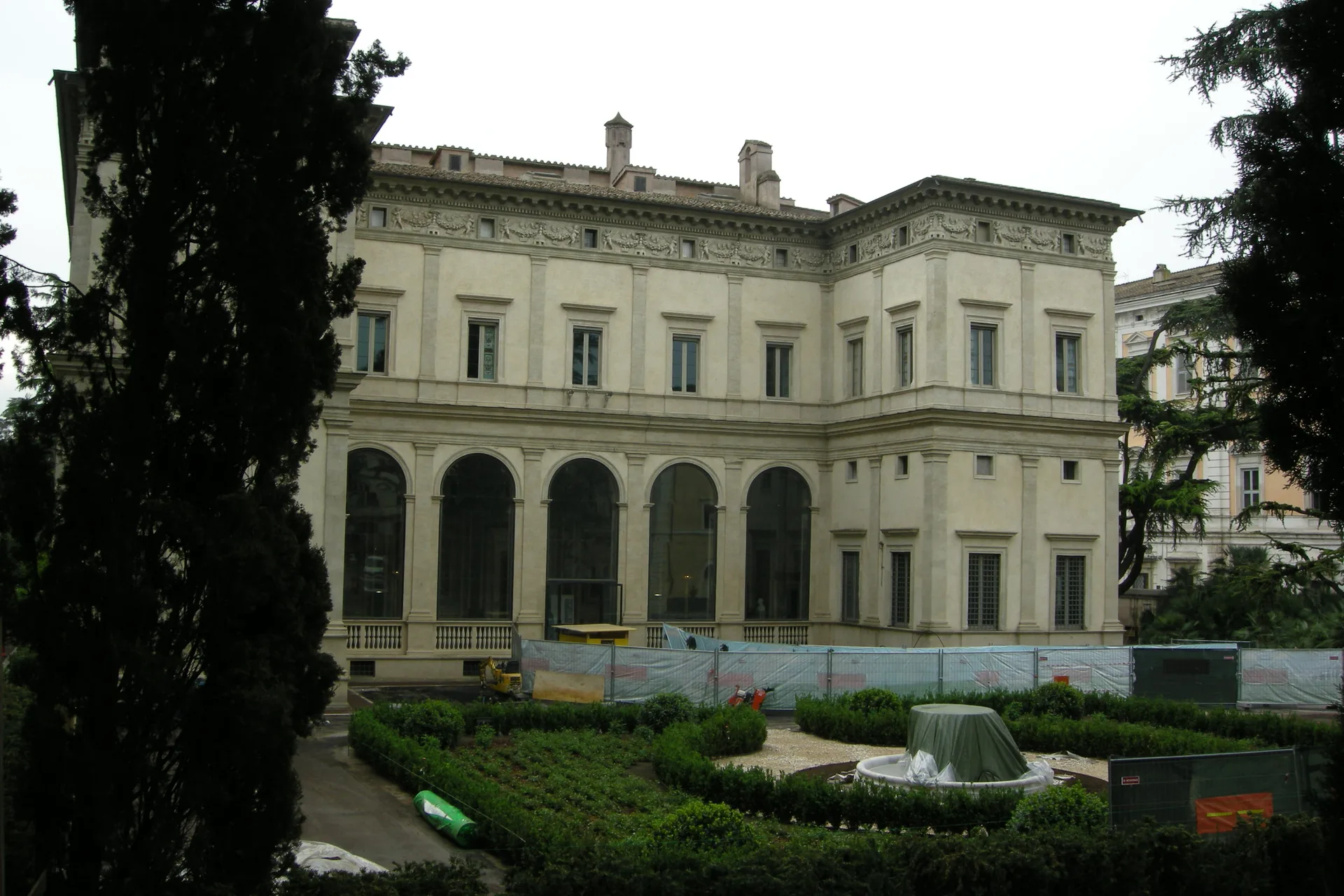
Villa Farnesina
A Renaissance banker's pleasure villa in Trastevere, frescoed by Raphael and his workshop — one of Rome's best Renaissance interiors and, by wide agreement, one of its least crowded.
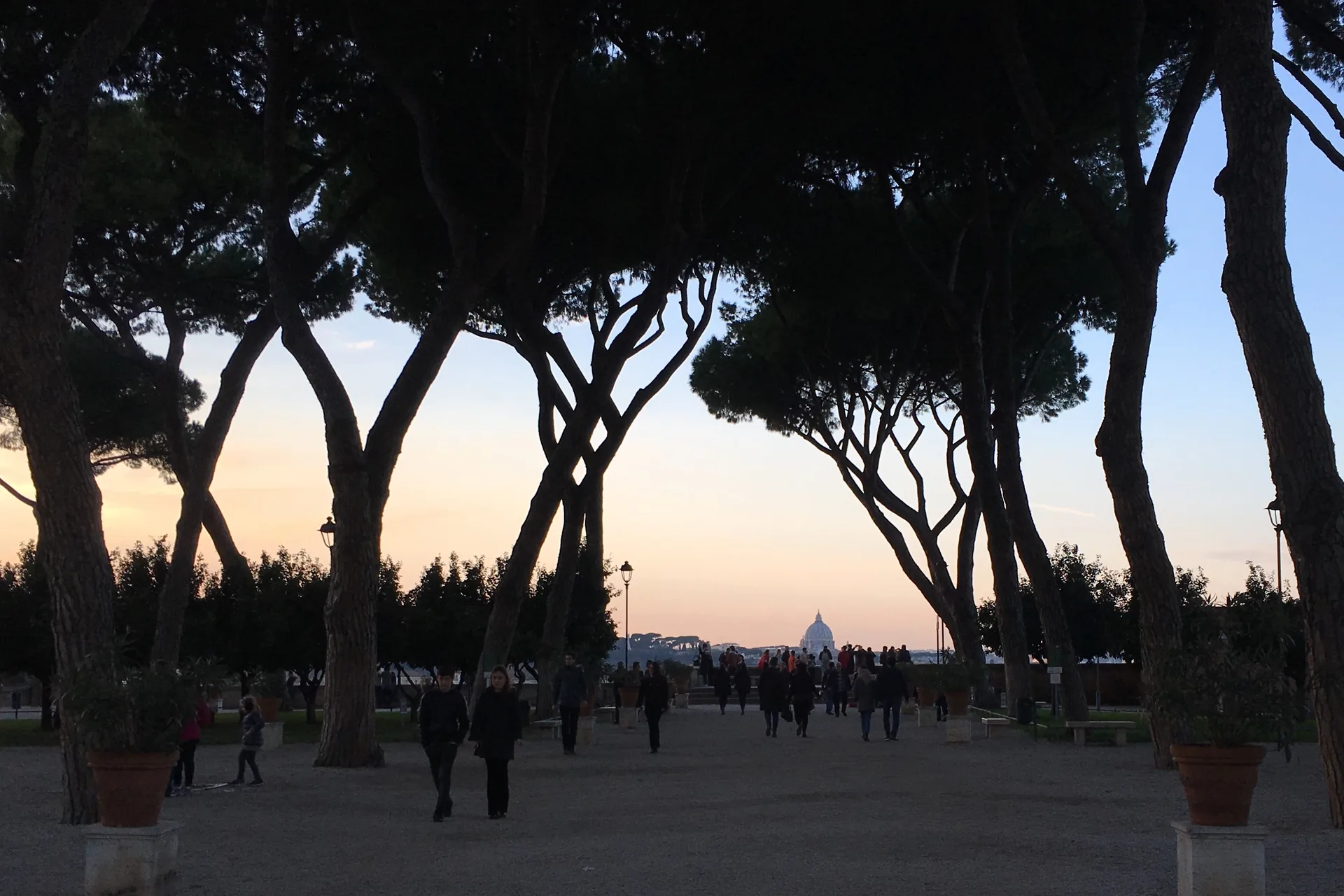
Aventine Keyhole & Orange Garden
A tiny, world-famous keyhole framing a perfectly centred view of St. Peter's dome through a garden hedge, paired with one of Rome's best free sunset viewpoints just a few steps away.
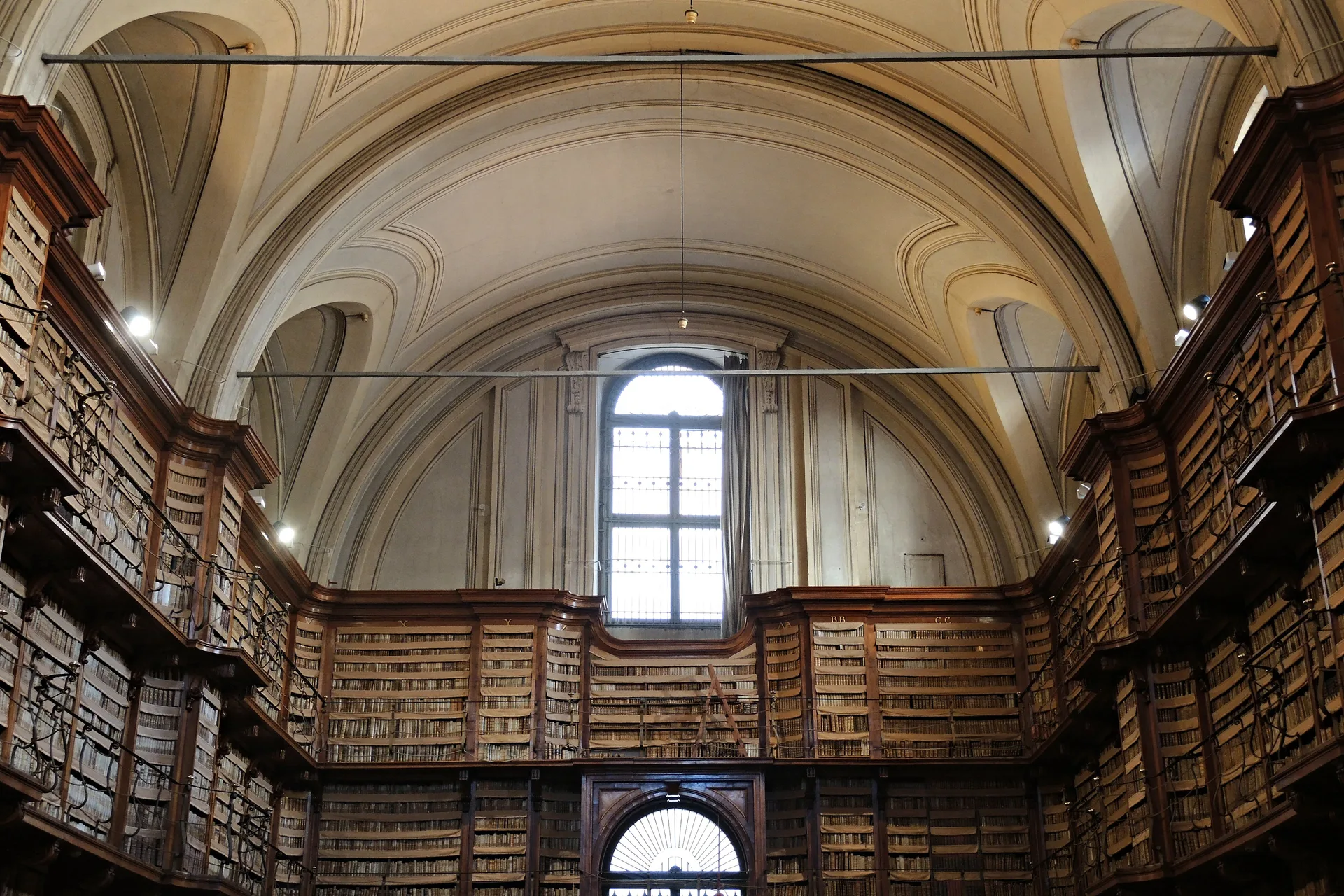
Biblioteca Angelica
Europe's oldest public library, founded in 1604 with a genuinely radical idea for its time — free access to books for anyone, regardless of class — still a working reading room today, near Piazza Navona.
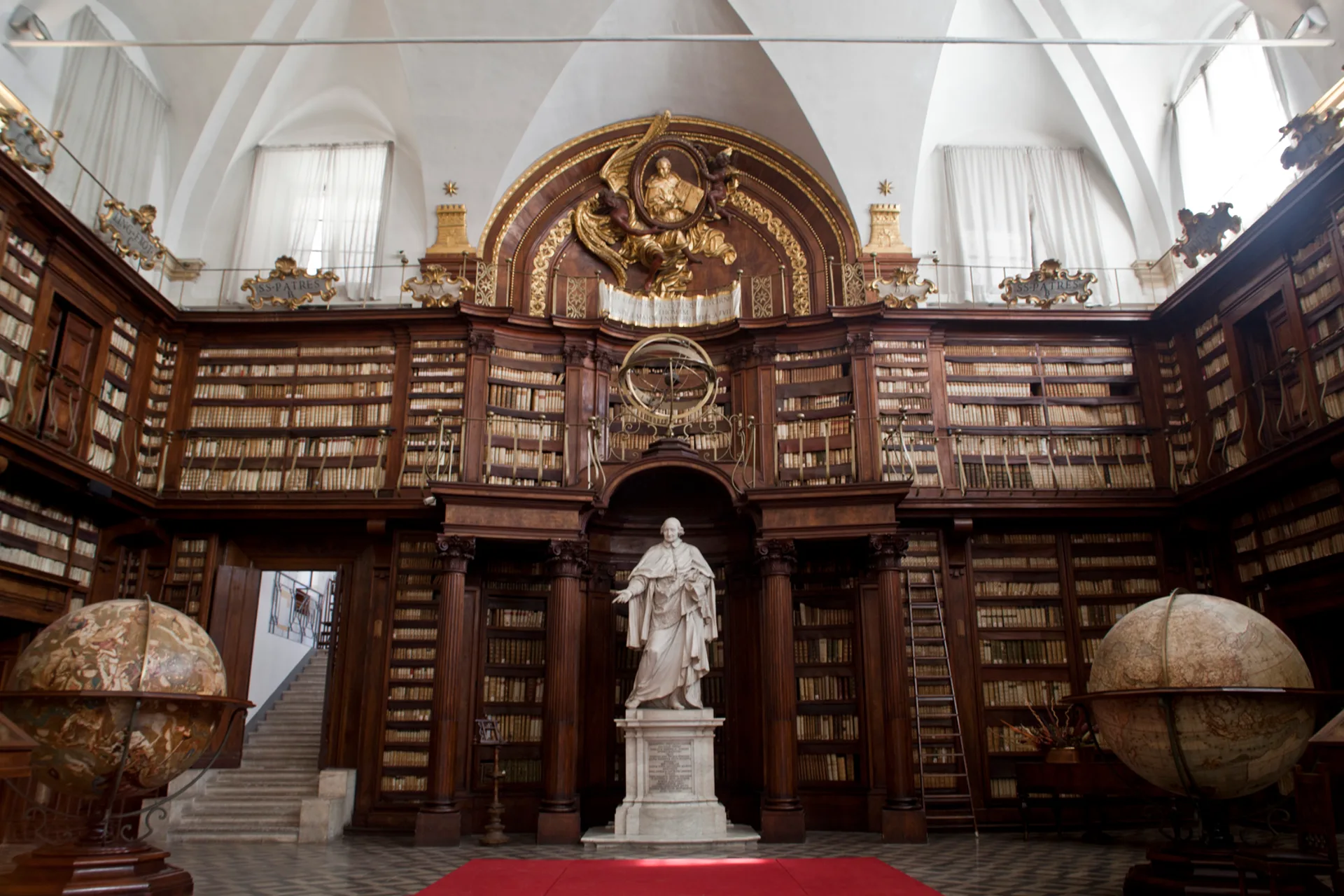
Biblioteca Casanatense
A grand 18th-century library founded on the personal collection of a cardinal, near the Pantheon — a monumental hall of frescoed ceilings and gilded shelving that reads as much as sculpture gallery as reading room.
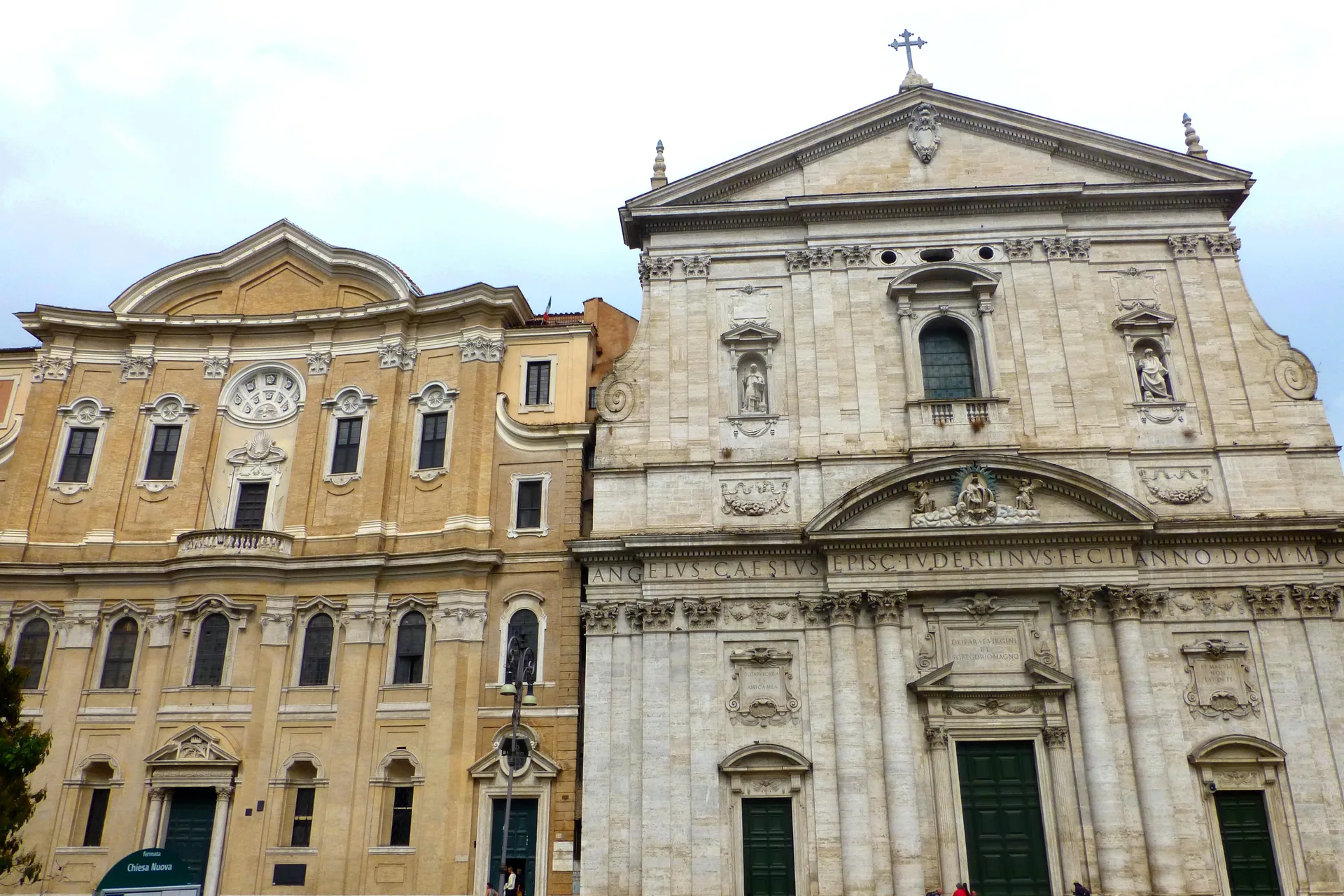
Biblioteca Vallicelliana
A Borromini-designed hall of manuscripts and rare books founded by a saint, tucked inside the Oratorio dei Filippini beside Chiesa Nuova — one of Rome's least-visited great library interiors.
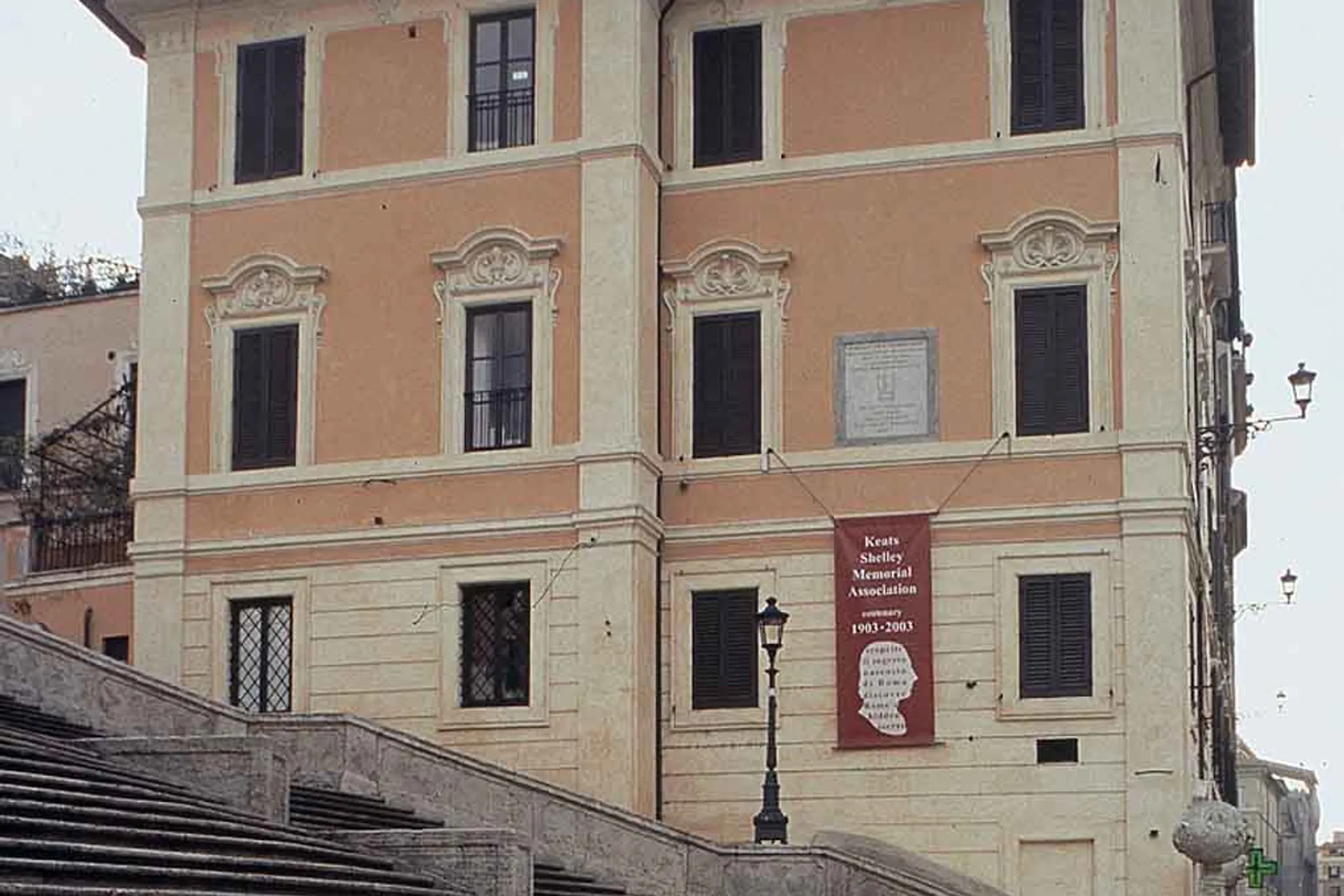
Keats-Shelley House
The small room beside the Spanish Steps where poet John Keats died in 1821, aged 25 — now a compact literary museum honouring the English Romantic poets' deep, complicated relationship with Rome.
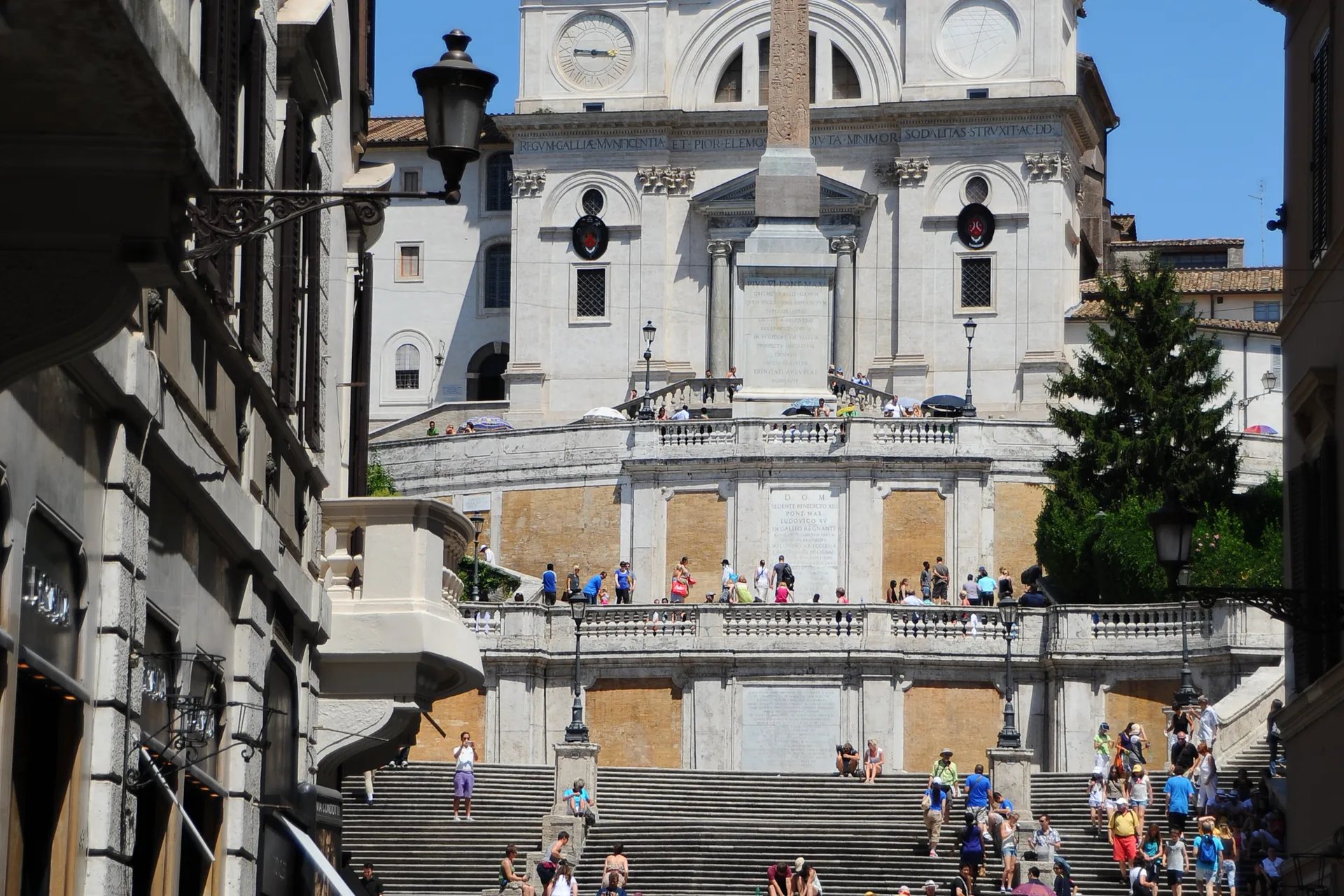
Spanish Steps
Europe's longest and widest outdoor staircase, connecting a French-funded piazza to a French church, named for a Spanish embassy — 135 steps of pure 18th-century Roman theatre.
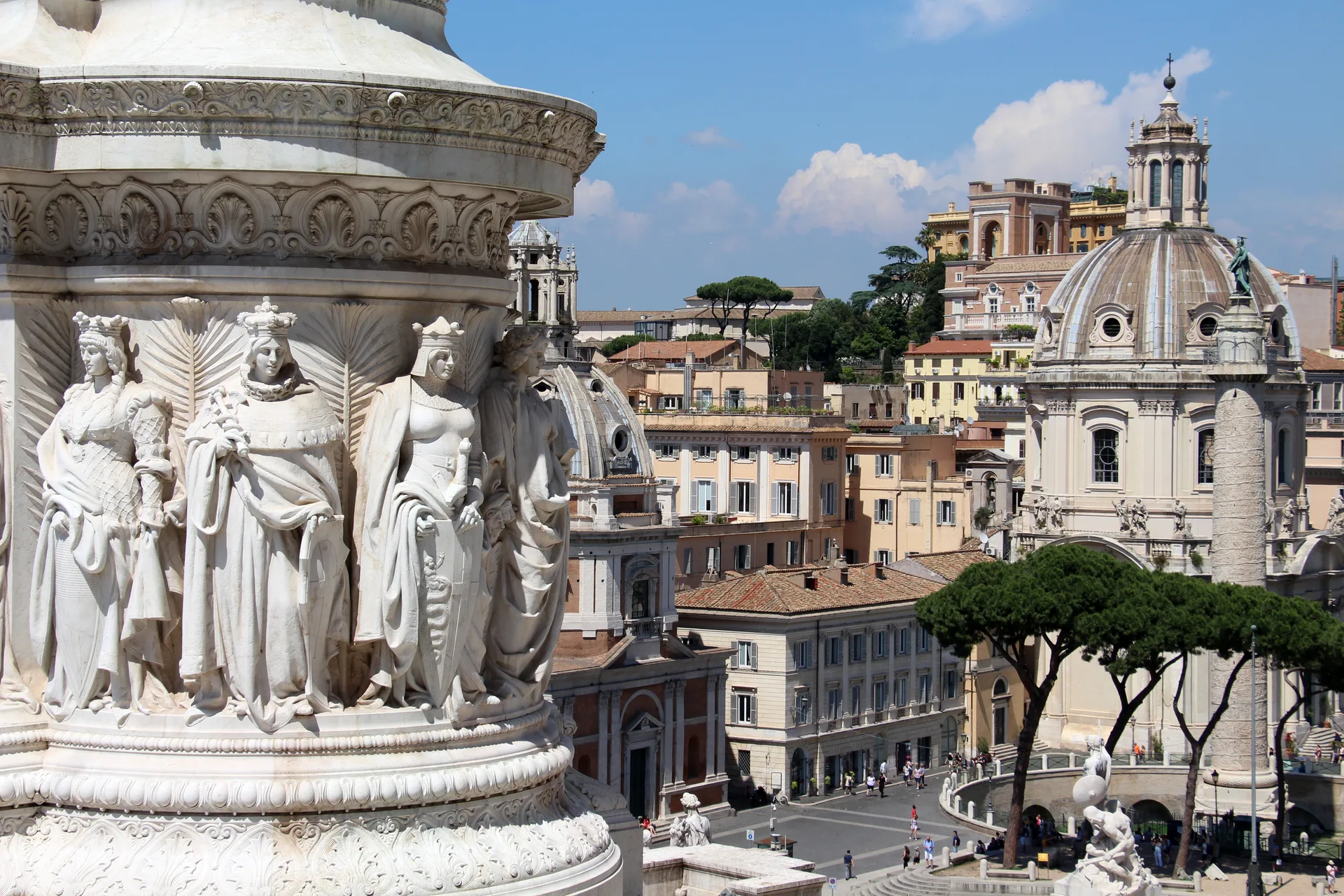
Vittoriano (Altare della Patria)
The gleaming white marble monument dominating Piazza Venezia, built to honour Italy's first king and unification — Romans call it 'the typewriter' or 'the wedding cake,' and rarely mean it kindly.